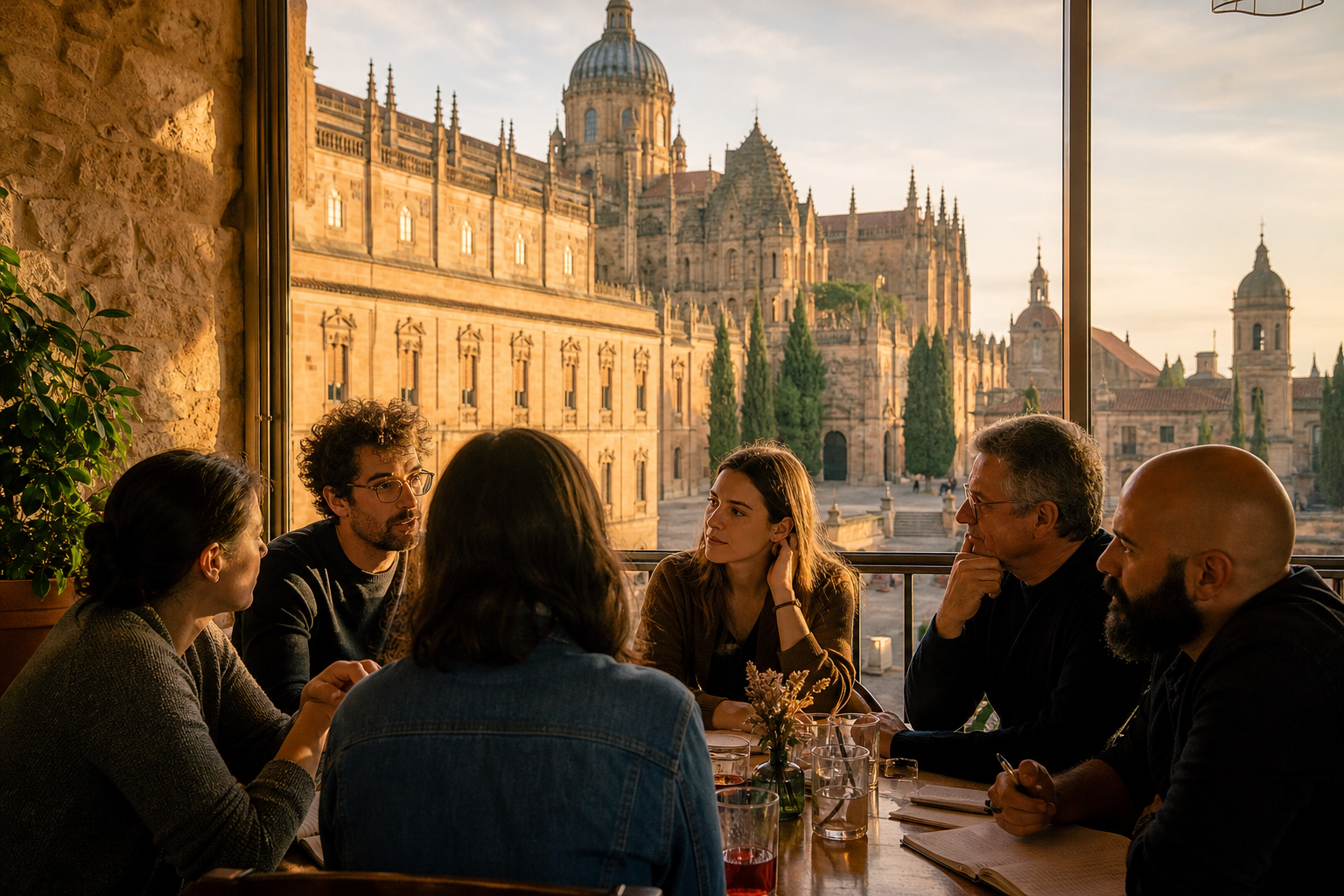
Salamanca is known for its university life, historic centre and international population, so conversations about cannabis naturally appear in many social circles. However, finding reliable information is more useful than relying on rumours. The cannabis community in Salamanca exists within Spain’s complicated legal framework, where private conduct, public use, cultivation, clubs, CBD products and medical access are treated differently.
This guide explains how to approach cannabis in Salamanca with realistic expectations. It is not a directory of suppliers or an invitation to break the law. Instead, it focuses on legal boundaries, community culture, health awareness, privacy and practical questions that residents and visitors should consider.
What the cannabis community in Salamanca may include
The phrase “community” does not describe one official organisation. It can refer to adults who share harm-reduction information, people interested in hemp and CBD, advocates for policy reform, medical-information networks, private social groups and individuals who simply want to understand Spanish regulation.
Salamanca’s student population can make cannabis discussions more visible, but visibility should not be confused with legality. A conversation at a university, a private gathering or an online group does not create a legal right to possess or consume cannabis. Community spaces also vary considerably in their standards, privacy practices and understanding of the law.
Education is more valuable than hype
Responsible groups tend to discuss product uncertainty, delayed effects, mental-health risks, driving and the difference between private and public behaviour. They should not pressure people to consume, promise medical results or treat cannabis as risk-free. Good information also acknowledges that cannabis can affect attention, memory, coordination and anxiety, particularly for inexperienced users or people who combine it with alcohol or other drugs.
Readers interested in a broader public-health approach can compare local questions with this guide to cannabis education in A Coruña, which also emphasises informed decisions rather than promotional claims.
Cannabis laws in Salamanca: the essential distinction between private and public conduct
Spain does not have a simple nationwide recreational retail model. The legal position depends on what a person is doing, where it happens, the quantity and evidence of intent. The same substance can therefore create very different consequences in a private setting, on a public street or in a commercial transaction.
Public possession and use
Possessing or consuming cannabis in public places, public establishments or public transport can lead to an administrative offence under Spain’s public-security legislation. The potential consequences may include seizure and a fine. The amount depends on the legal classification and circumstances; people should not assume that a small quantity is automatically consequence-free.
For the primary legal text, consult the official Spanish public-security law published in the BOE. It is a more dependable reference than social-media summaries, which often omit the difference between administrative penalties and criminal offences.
Supply, trafficking and commercial activity
Sale, distribution and trafficking can constitute criminal offences. Cultivation may also become criminal when circumstances indicate supply or distribution, rather than solely private personal use. Sharing cannabis is not automatically harmless from a legal perspective, especially when money, repeated activity, third parties or organised distribution are involved.
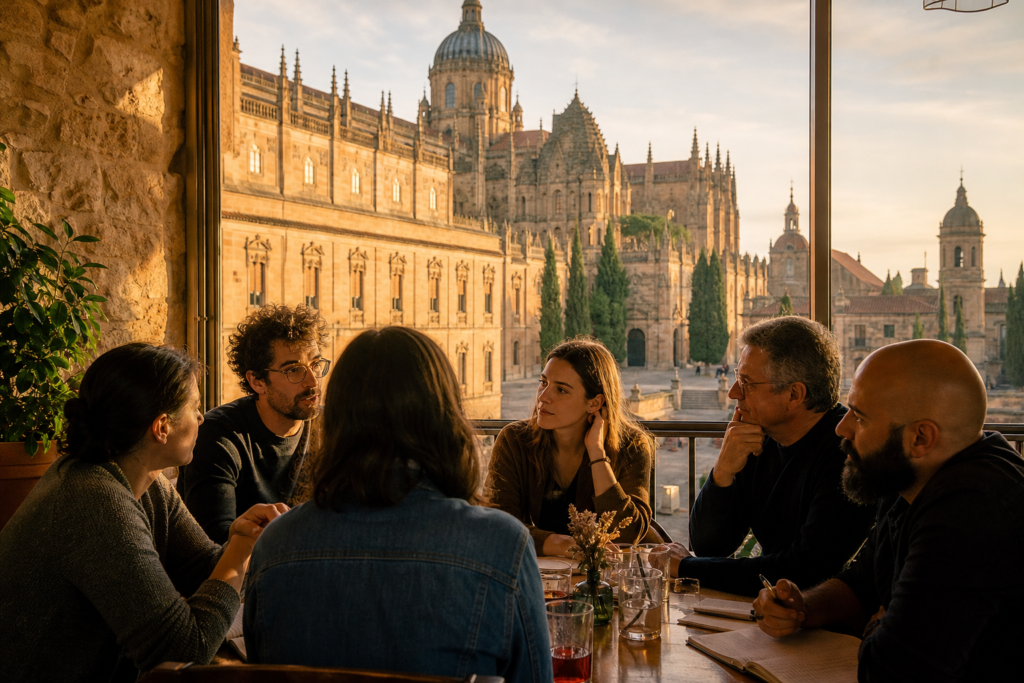
Visitors should be particularly careful around nightlife areas, festivals and transport hubs. An offer from a stranger is not evidence of a licensed business, and buying from an unverified source creates legal, health and personal-safety risks. The phrase weed in Salamanca may be common in online searches, but search results do not establish that a seller is lawful or that a product is tested.
Private cultivation and private spaces
Spanish cannabis law is often described too broadly online. Private cultivation for personal use may be treated differently from cultivation intended for distribution, but location, visibility, quantity, evidence and local circumstances matter. Plants visible from public areas can create additional problems, and landlords, accommodation providers or residential communities may impose their own rules.
Private consumption is not the same as a general licence to consume anywhere indoors. A rented room, hotel, student residence or shared flat may have policies that prohibit smoking or possession. Always check the rules of the property and avoid exposing neighbours or housemates to smoke without consent.
Clubs, social groups and Salamanca cannabis culture
Cannabis social clubs are frequently discussed in Spain, but they should not be understood as ordinary dispensaries. Their legal status and operation have been subject to court decisions, local rules and changing interpretations. A club’s existence, membership process or website does not by itself guarantee that its activities are lawful.
Anyone considering a private association should look for transparent membership rules, age verification, privacy safeguards, clear non-commercial principles and a serious approach to health. Be cautious if a group advertises openly to tourists, promises instant access, encourages public consumption or refuses to explain its legal basis.
Questions to ask before joining any group
- Is membership restricted to adults and handled with reasonable identity and privacy procedures?
- Does the organisation explain its rules without promising immunity from Spanish law?
- Are consumption areas private, ventilated and respectful of non-consumers?
- Does it discourage driving, mixing substances and excessive use?
- Are products labelled with meaningful information rather than unsupported claims?
- Can members leave without pressure, hidden charges or aggressive sales tactics?
A responsible Salamanca cannabis community should make it easy to say no. It should not use student status, tourism or social anxiety to pressure newcomers into consuming more than they planned.
CBD and hemp products in Salamanca
CBD products occupy a different regulatory space from intoxicating cannabis, but “CBD” does not automatically mean risk-free or suitable for every purpose. Product composition, intended use, labelling and route of administration all matter. Food and wellness products may be subject to specific rules, while products sold for topical or technical purposes should not be presented as approved medicines.
When comparing CBD in Salamanca, inspect the label for the manufacturer, batch information, ingredients, recommended use and any warnings. Avoid products that promise to cure anxiety, pain, cancer or other conditions. A shop that makes medical claims without appropriate authorisation is a warning sign.
People taking prescription medicines, living with liver conditions, pregnant or breastfeeding, or managing a mental-health condition should seek professional advice before using CBD or cannabis products. CBD can interact with medicines, and “natural” is not a substitute for a safety assessment.
Health, consent and harm reduction
There is no completely risk-free way to use cannabis. Risk can be higher for adolescents, people with a personal or family history of psychosis, people prone to panic, and anyone combining cannabis with alcohol or sedating medicines. Frequent use can also become difficult to control for some people.
Practical precautions
- Do not drive, cycle in traffic or operate machinery after using cannabis.
- Avoid combining cannabis with alcohol or other psychoactive substances.
- Do not assume an edible will work quickly; delayed effects can lead to accidental overconsumption.
- Keep products away from children, pets and anyone who has not consented to exposure.
- Choose a private, calm setting and stay with trusted people if you are inexperienced.
- Stop and seek help if severe confusion, chest pain, loss of consciousness or extreme agitation occurs.
Smoke can affect other people even when they do not consume cannabis. Ventilation, consent and respect for shared buildings are basic community responsibilities. For people already using cannabis more often than intended, confidential advice from a healthcare professional is a better starting point than online judgement.
Readers looking for a health-focused comparison can also review information about cannabis health information in Leganés, while remembering that individual medical advice should come from a qualified professional.
How visitors and students can avoid common mistakes
Salamanca attracts students and visitors who may be unfamiliar with Spanish rules. A foreign medical-cannabis prescription, a legal market in another country or a membership in an overseas club does not automatically authorise possession or use in Spain. Bringing cannabis across a border can create serious legal problems, even if the product was purchased lawfully elsewhere.
Do not carry cannabis through airports, train stations or international borders. Do not consume in plazas, streets, university grounds, bars, hotel balconies where smoke affects others, or other places where public exposure or property rules may apply. Keep identification and personal information private when dealing with unfamiliar groups, and avoid sending copies of documents through insecure messaging channels.
For broader travel context, the guide to cannabis travel in Oviedo illustrates why visitors should separate general Spanish principles from venue-specific rules and local practicalities.
Building a more responsible Salamanca cannabis community
A healthy community is not defined by how much cannabis people consume. It is defined by how well members protect one another, respect non-consumers and respond to uncertainty. That means sharing current legal information, avoiding sensational claims, supporting evidence-based health education and refusing to normalise driving or public use.
Local organisations, student groups and private associations can contribute by using age-appropriate education, maintaining clear safeguarding procedures and directing people to professional care when problems arise. They can also discuss hemp, drug policy and public health without presenting cannabis as either entirely harmless or universally dangerous.
Because legislation and official guidance can change, check current government sources before acting. The Spanish Agency of Medicines and Medical Devices is a useful official starting point for medicine-related information, while legal questions may require advice from a qualified Spanish lawyer.
Conclusion
The cannabis community in Salamanca is best understood as a collection of conversations, private groups, health resources and cultural interests rather than a single legal marketplace. Public possession and use can bring administrative penalties, supply can involve criminal liability, and clubs or private cultivation should never be treated as automatically authorised.
Whether you are a student, resident or visitor, the safest approach is to verify current rules, respect private-property policies, avoid public consumption and treat health information seriously. A responsible Salamanca cannabis community prioritises consent, privacy, accurate information and safer choices over convenience or pressure.