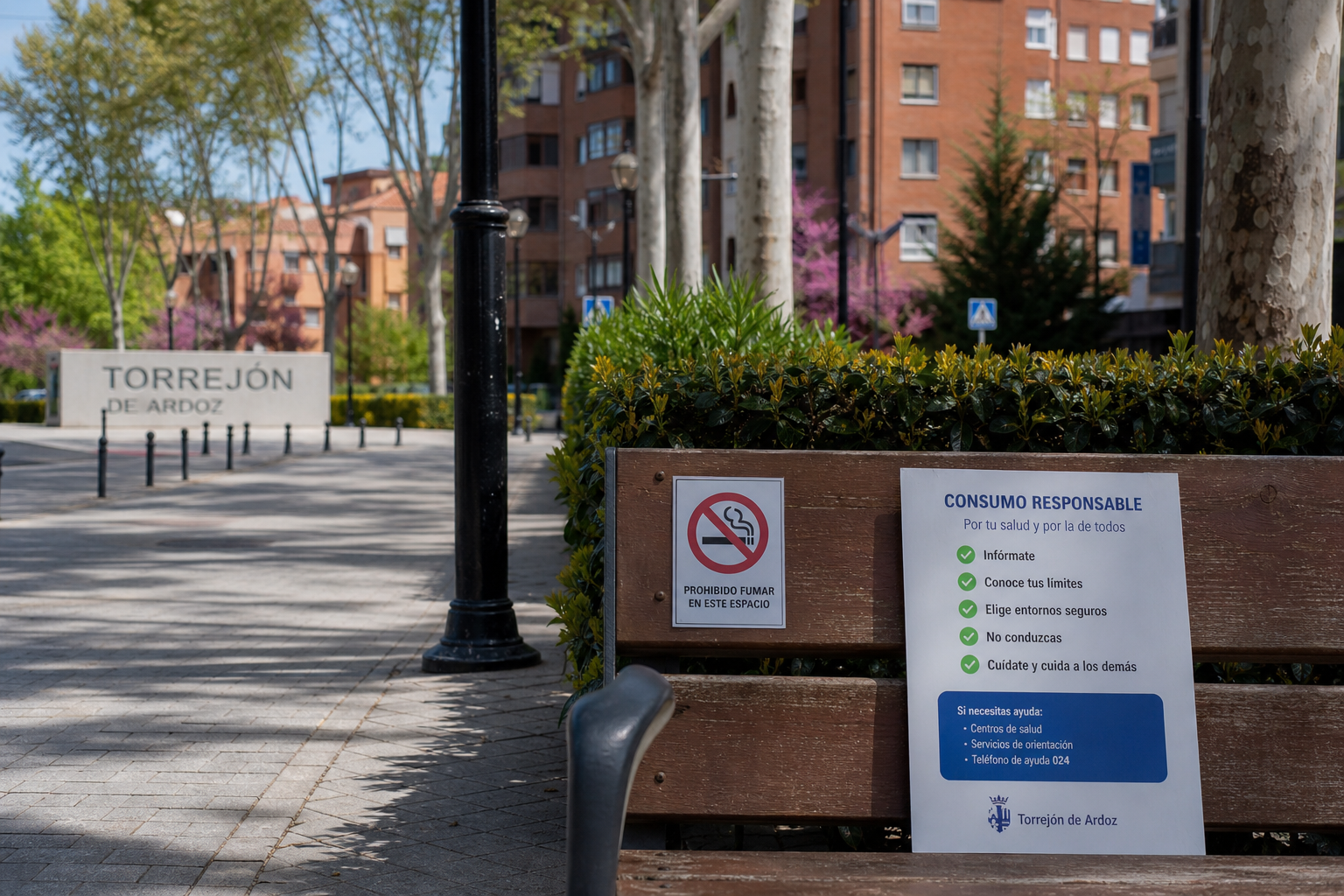
Cannabis safety in Torrejón de Ardoz depends on more than knowing where cannabis is discussed or sold. Residents and visitors also need to understand Spain’s rules on possession and public consumption, avoid impaired driving, recognise health risks, and know when professional help is appropriate. Torrejón de Ardoz is part of the Community of Madrid, so national Spanish law is central, while local public-space rules and enforcement also matter.
This guide explains the practical issues without encouraging illegal purchasing or use. Whether you are researching weed in Torrejón de Ardoz, considering a CBD product, or looking for information about health and treatment, the safest approach is to verify the law, protect other people, and avoid products of uncertain origin.
Cannabis laws in Torrejón de Ardoz
Spain does not treat all cannabis-related conduct in the same way. Personal use in a private setting is generally approached differently from possession or consumption in public, but that distinction should not be interpreted as a general legalisation of cannabis. Public possession or consumption can lead to an administrative sanction under Spain’s citizen-security legislation, even when there is no evidence of sale.
Possession, use or distribution in streets, parks, transport facilities, publicly accessible venues and other public areas can create legal problems. Police may also confiscate the substance. Conduct involving supply, trafficking, cultivation intended for distribution, or organised commercial activity can fall under criminal law and carry much more serious consequences.
The legal details can depend on the circumstances, including location, quantity, intent and evidence. For the wording of the relevant citizen-security provisions, consult the official text of Spain’s Organic Law 4/2015. If you are involved in a police matter, speak with a qualified Spanish lawyer rather than relying on informal advice online.
Private does not mean risk-free
A private setting may reduce the risk of a public-consumption offence, but it does not remove other concerns. Tenancy agreements, building rules, nuisance laws, child-safety considerations and restrictions on smoking can still apply. Smoke or strong odours that affect neighbours may lead to disputes, and landlords may impose conditions that are separate from criminal or administrative law.
Do not assume that a cannabis social club, private association or online seller automatically provides legal protection. The legal status of a venue or product depends on its actual activities and compliance with applicable rules. Avoid carrying cannabis into public places after using it privately, particularly when travelling through transport hubs or busy areas.
Safer decisions about cannabis in Torrejón de Ardoz
People who choose to use cannabis should first consider whether using it is appropriate at all. Effects can include impaired attention, slower reaction time, anxiety, confusion, drowsiness and problems with short-term memory. Products with higher THC concentrations may produce stronger or less predictable effects, especially for someone with little experience.
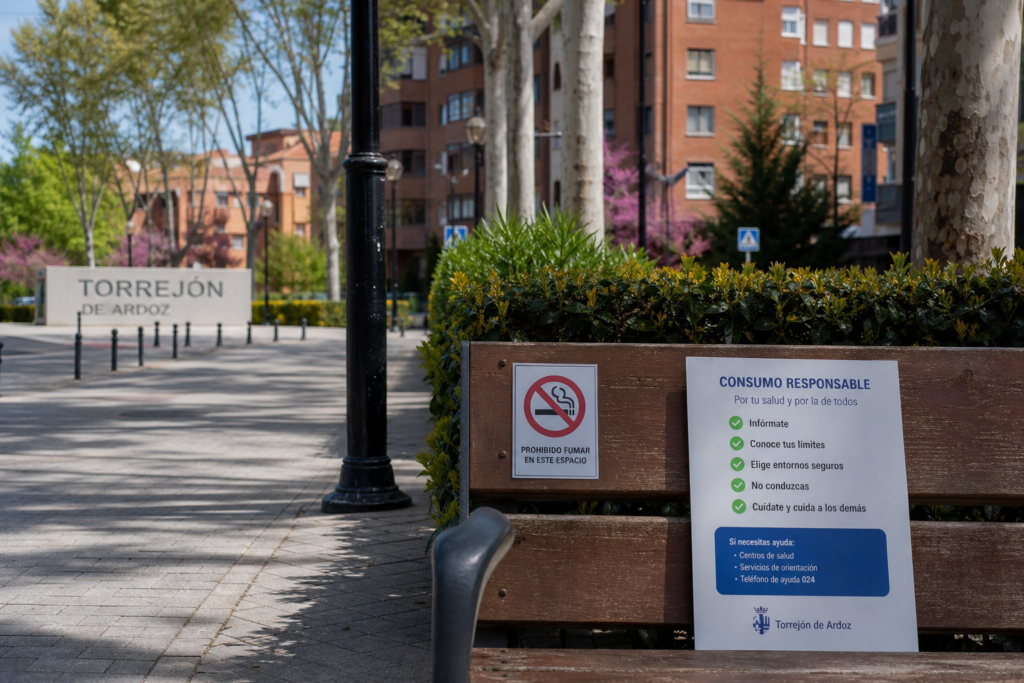
- Do not combine cannabis with alcohol, sedatives or other drugs.
- Avoid using it if you are pregnant, breastfeeding, under the legal age, or have been advised by a clinician to avoid it.
- Do not use cannabis before work involving machinery, heights, traffic or responsibility for another person.
- Keep products locked away from children and pets, ideally in clearly labelled, child-resistant packaging.
- Do not share smoking or vaping devices, and avoid driving or cycling after use.
Edible products deserve particular caution. Their effects may take substantially longer to appear than inhaled cannabis, which can lead people to consume more before the first dose has taken effect. Delayed and prolonged effects are a major reason for accidental overconsumption. Keep edibles separate from ordinary food and never give them to another person without clear consent and knowledge of the contents.
Recognising an adverse reaction
Seek urgent medical help if someone has chest pain, trouble breathing, a seizure, extreme agitation, severe confusion, loss of consciousness, repeated vomiting, or symptoms suggesting a serious allergic or psychiatric reaction. Stay with the person, move them away from traffic or other hazards, and tell healthcare professionals what was taken if you know. In Spain, call 112 for an emergency.
Do not attempt to manage a serious reaction by giving more substances, forcing food or drink, or leaving the person alone. If symptoms are milder but troubling, contact a healthcare professional for advice. A calm environment and reassurance may help while waiting for assistance, but they are not a substitute for emergency care when serious symptoms are present.
Driving, public transport and outdoor spaces
Driving after consuming cannabis is unsafe and can also create legal consequences. Impairment may remain after the user feels more normal, and Spanish road enforcement can involve testing for drugs. The safest rule is simple: do not drive, ride a motorcycle, cycle in traffic or operate machinery after using cannabis.
Plan transport before consuming anything. Use a sober driver, licensed taxi, public transport or stay where you are if appropriate. Do not carry cannabis openly through stations, parks or town-centre areas, and do not consume on trains, buses or platforms. For a broader discussion of transport planning and local travel risks, see this guide to cannabis travel safety in Getafe.
Public parks, sports areas, school surroundings and family spaces require extra care. Even where smoking is not specifically addressed in a particular sign, smoke can expose other people and create complaints. Respect no-smoking rules, avoid public consumption, and never use cannabis around children or people who have not consented to exposure.
Buying and product safety
Unregulated cannabis can contain an unknown concentration of THC, contaminants, pesticides or other substances. Products advertised online may be inaccurately labelled, and attractive packaging does not prove quality or legality. Do not buy from sellers who refuse to explain ingredients, provide reliable labelling or disclose basic safety information.
CBD products also require care. CBD is not the same as THC, but a product labelled CBD may still contain trace or undisclosed cannabinoids, and it may interact with medicines. Food, cosmetic and vaping products are governed by different rules. A product being available in a shop or online does not necessarily mean that every claimed use is authorised.
Before purchasing a CBD product, check the label, ingredients, intended use, batch information and warnings. Be especially cautious with products making medical claims or promising to treat serious conditions. If you take prescription medicines, ask a pharmacist or doctor about possible interactions before using CBD.
For comparison, our guide to CBD products in Terrassa explains practical questions about labels, intended uses and responsible buying in Spain.
Medical cannabis information and professional support
Searching for medical cannabis in Torrejón de Ardoz should begin with a clinician, not an informal seller. A healthcare professional can assess your symptoms, review your medical history and consider approved treatments or other options. Cannabis should not replace prescribed care, and stopping medication without medical advice can be dangerous.
Spain’s medicines regulator, the Spanish Agency of Medicines and Medical Devices, publishes official information about medicines and regulatory matters. Use official health sources and qualified professionals when researching cannabinoid-based treatments, rather than relying on social-media claims or testimonials.
Tell your doctor or pharmacist about cannabis, CBD, supplements and other substances you use. This is particularly important if you take medicines affecting the nervous system, blood clotting, heart rhythm or mood. Health professionals need accurate information to identify possible interactions and interpret symptoms correctly.
When use becomes difficult to control
Some people experience cravings, unsuccessful attempts to cut down, difficulty meeting work or family responsibilities, or continued use despite anxiety, memory problems or relationship difficulties. These signs are worth discussing with a healthcare professional. Asking for help is a health decision, not a legal admission.
Residents can start with their primary-care centre or ask local health services about addiction support. The Community of Madrid and national health services provide routes into assessment and treatment, while emergency symptoms should be handled through 112. Information about health-focused cannabis issues is also available in this guide to cannabis health information in Leganés.
Practical checklist for residents and visitors
- Check current Spanish and local rules before carrying or consuming cannabis.
- Keep consumption private and away from children, neighbours and public spaces.
- Never drive, cycle in traffic or use machinery while impaired.
- Avoid mixing cannabis with alcohol or other drugs.
- Treat edibles, concentrates and high-THC products as higher-risk options.
- Use only products with credible labelling, and be sceptical of medical promises.
- Store any product securely and dispose of it so children and pets cannot access it.
- Seek medical advice for concerning symptoms, medication questions or loss of control over use.
Conclusion
Responsible choices about cannabis in Torrejón de Ardoz start with a realistic understanding of Spanish law and the risks of public use, impaired travel and unregulated products. Private use is not a blanket permission, CBD is not automatically risk-free, and medical questions should be addressed by qualified professionals. By avoiding public consumption, never driving impaired, protecting children and seeking help when needed, residents and visitors can reduce legal and health risks while making better-informed decisions.