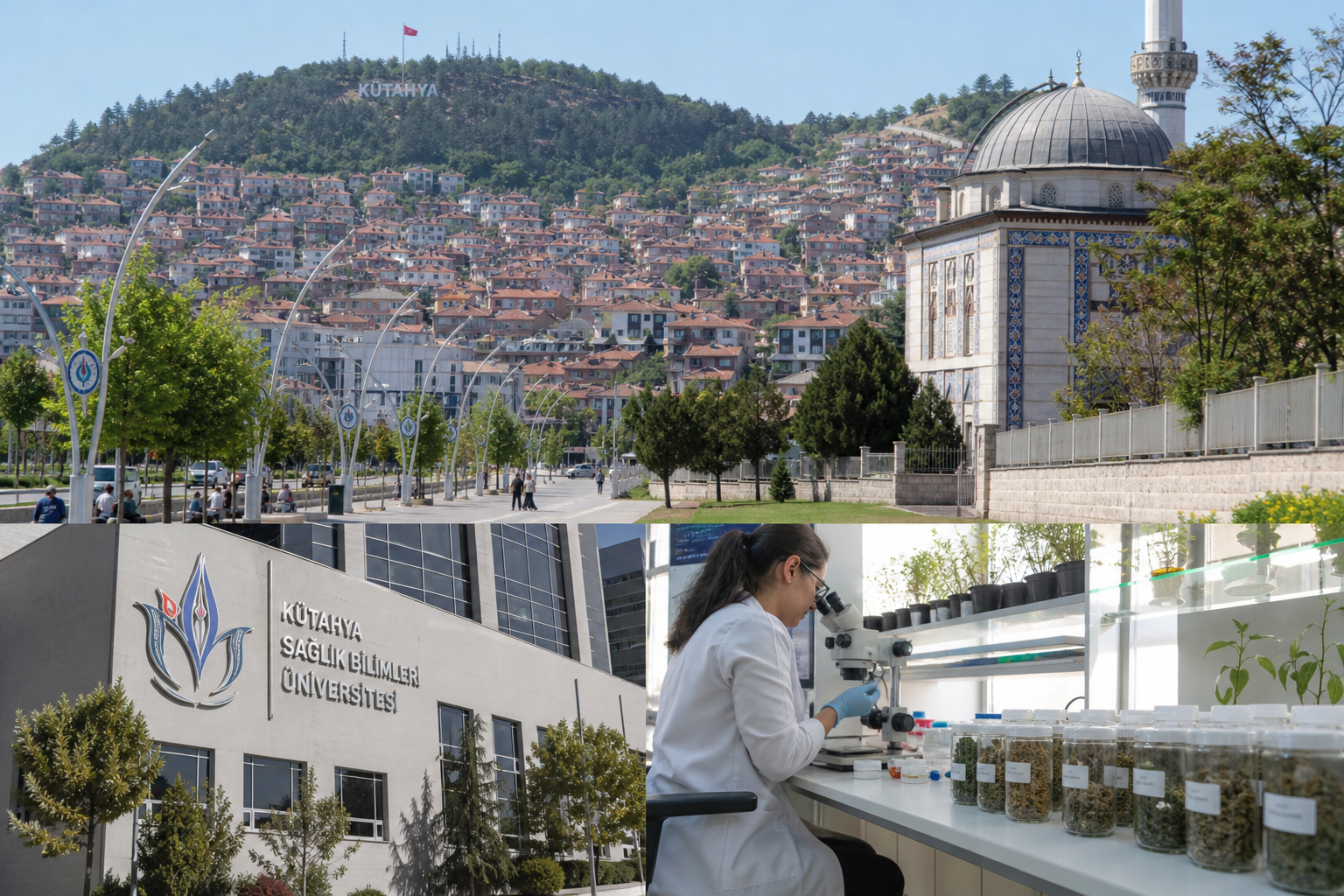
The cannabis community in Kütahya is best understood as a broad set of conversations rather than a visible, legal consumer scene. People may encounter cannabis-related discussions through private social networks, online forums, public-health education, university research or interest in industrial hemp. However, possession, use, cultivation and supply of controlled cannabis products can carry serious legal consequences in Turkey. A responsible discussion therefore needs to separate cultural curiosity, hemp research, medical questions and illegal recreational activity.
This guide examines weed in Kütahya without promoting purchase or use. It explains the national legal context that applies in Kütahya, the difference between hemp and drug cannabis, health considerations, and ways residents can approach the topic with accuracy and caution.
Understanding the cannabis community in Kütahya
Kütahya is a provincial city in western Anatolia with a strong identity shaped by education, manufacturing, agriculture, local commerce and cultural institutions. There is no reliable basis for describing it as a city with a formal, legal cannabis scene. The phrase “community” may instead refer to separate groups with different interests, including people studying plant science, residents asking health questions, advocates discussing drug policy, and individuals encountering cannabis through private conversations.
These groups should not be treated as one audience. Someone researching hemp fibre is dealing with a different subject from someone seeking information about intoxication, while a patient asking about cannabinoid-based treatment needs advice from a qualified clinician. Combining these topics can create confusion and may encourage unsafe assumptions about what is legal.
Private discussion is not legal permission
Online visibility does not establish that a product is lawful, tested or safe. Social-media posts, encrypted messages and informal recommendations may contain inaccurate information about potency, contamination, drug testing or legal risk. A seller’s claim that a product is “natural,” “CBD,” “medical” or “imported” does not replace formal authorization and laboratory verification.
People searching for cannabis in Kütahya should also be cautious about scams. Requests for advance payment, offers to ship across provincial borders, anonymous meetups and unlabelled oils or flowers all create practical and legal risks. This article does not provide sourcing, concealment or evasion advice.
Cannabis laws in Kütahya and Turkey
Kütahya follows Turkey’s national legal framework; it does not have an independent municipal cannabis market. Cannabis possession, use, production and trafficking can involve criminal investigation and prosecution, with penalties depending on the conduct, quantity, intent and other facts. Drug-related cases can also affect travel, employment, education and immigration status.
Legal wording and enforcement can change, and individual cases depend on the evidence and circumstances. Anyone facing police contact, a search, detention or a formal allegation should seek advice from a qualified Turkish lawyer rather than relying on social media or informal forums. For primary legal materials and current legislation, consult Turkey’s official Mevzuat Bilgi Sistemi.
It is also important not to confuse industrial hemp with recreational cannabis. Hemp varieties and products may be subject to specific rules governing cultivation, seed, licensing, THC content, processing, labelling and sale. A product described as hemp-based is not automatically permitted in every form. The same caution applies to CBD products, imported supplements and cosmetics.
Why local assumptions can be misleading
Residents sometimes assume that a practice is acceptable because it appears common elsewhere or because a product is sold online. That assumption is especially risky when rules differ between countries. Turkey’s treatment of cannabis-related products cannot be inferred from laws in Europe, North America or neighbouring states.
Readers comparing regional policy can review our background article on marijuana legality in Eskişehir, while remembering that national law—not city branding—determines the main legal position. Local authorities, courts and health services may still apply procedures that vary according to a person’s situation.
Hemp, agriculture and local interest
Hemp can be discussed as an agricultural and industrial crop without endorsing illegal cannabis use. Depending on applicable approvals, hemp may be associated with fibre, seed, textiles, paper, construction materials, food ingredients or research. These uses involve different plant varieties, processing methods and regulatory requirements.
Interest in hemp in Kütahya may arise from farmers, manufacturers, students and entrepreneurs looking at sustainable materials or regional economic development. Yet commercial viability depends on licensing, permitted varieties, testing, contracts, water and soil conditions, processing capacity and market demand. A person should not plant hemp based solely on an online article or a seed seller’s assurance.
For a broader comparison of how hemp can be discussed within Turkish legal and commercial limits, see our overview of hemp in Bursa. The comparison is useful for separating legitimate industrial questions from claims about unrestricted cultivation.
Health information and medical questions
Health conversations are an important part of any cannabis discussion. Cannabis can affect attention, memory, coordination, reaction time and judgment. Some people experience anxiety, panic, paranoia or other distressing psychological effects. Risks may be greater for adolescents, people with a personal or family history of psychosis, and individuals combining cannabis with alcohol or other drugs.
Smoking exposes the respiratory system to irritants, while edible products can produce delayed and unexpectedly strong effects. Concentrated oils and unverified extracts may have uncertain ingredients or potency. Driving or operating machinery after using an intoxicating substance can endanger the user and other people, regardless of what an online community claims about personal tolerance.
Medical cannabis is not self-medication
Searching for medical cannabis in Kütahya should begin with a licensed healthcare professional. A doctor can assess symptoms, existing diagnoses, current medicines, mental-health history and evidence-based treatment options. People should not replace prescribed treatment with an unlabelled cannabis product or stop medication without clinical advice.
Patients should ask specific questions about whether a cannabinoid medicine is authorized for their condition, how it can legally be obtained, possible interactions and what monitoring is required. Importing a product, ordering it online or carrying it across a border may create separate legal problems even when the product is marketed as therapeutic.
For general public-health information, the Turkish Ministry of Health is a more reliable starting point than anonymous product reviews or influencer content. A pharmacist or physician can also help distinguish regulated medicines from supplements and unverified products.
How to discuss cannabis responsibly in Kütahya
A constructive local conversation should focus on evidence, dignity and prevention rather than sensational claims. People who are curious about the subject can participate in legal educational activities, university talks, agricultural research, public-health programmes and discussions about drug policy. These settings allow questions without normalizing illegal supply or making unsupported medical promises.
- Use neutral language and distinguish cannabis, industrial hemp, CBD and prescription medicines.
- Check claims against government, medical or academic sources rather than anonymous posts.
- Do not share contact details for sellers or instructions for cultivation, concealment or trafficking.
- Protect privacy when discussing substance use, treatment or a family member’s health.
- Encourage professional support when use is affecting work, study, relationships, sleep or mental health.
Recognizing a health emergency
Urgent medical help is appropriate when someone has severe confusion, chest pain, difficulty breathing, a seizure, loss of consciousness, extreme agitation or thoughts of self-harm after using a substance. Do not leave an unwell person alone, and tell emergency professionals what may have been taken if it is known. Accurate information can help clinicians respond safely.
Support, stigma and practical communication
Stigma can stop people from asking for help early. A family member who is worried about cannabis use should describe observable changes—such as missed obligations, unsafe driving, financial problems or worsening anxiety—rather than relying on labels or threats. A calm conversation is more likely to lead to an honest discussion about health and safety.
Young people in particular need age-appropriate information about brain development, impaired judgment and legal consequences. Schools, families and youth services can address these issues without exaggeration. False claims are easily challenged and may reduce trust in accurate warnings.
Adults who are already using cannabis and want to reduce or stop can speak with a doctor, psychologist or addiction-service professional. Confidentiality rules and available services should be checked directly with the relevant provider. Seeking help is a health decision, not an admission that someone deserves punishment or shame.
What visitors and newcomers should know
Visitors should not assume that familiar products from another country are legal in Kütahya. Carrying cannabis, cannabis-infused food, vape cartridges, oils or seeds across a border can create severe consequences. Airport, hotel and transport settings are not places to experiment with uncertain products or accept packages for someone else.
Tourists should also avoid treating private online groups as informal travel advice. A recommendation from a stranger cannot confirm legality, product identity or personal safety. The most reliable approach is to avoid controlled cannabis products and seek official information for any medical or customs question before travelling.
Building a better-informed local conversation
The most useful future for cannabis discussion in Kütahya is one grounded in research and public health. Universities can examine agricultural applications and social effects within lawful frameworks. Healthcare professionals can provide non-judgmental education. Journalists and community organizations can explain the difference between evidence, opinion and advertising.
Readers interested in regional context may also find our article on marijuana education in Balıkesir helpful as a comparison. The central principle remains the same: local interest should not be mistaken for legal authorization, and public discussion should reduce harm rather than create new risks.
Conclusion
The cannabis community in Kütahya is not a recognized legal retail or social-use scene. It is better understood as a mixture of private discussion, health questions, hemp and agricultural interest, policy debate and online misinformation. Turkey’s national rules apply in Kütahya, and cannabis-related possession, use, cultivation and supply can have serious consequences.
Responsible engagement means checking official sources, separating hemp from intoxicating cannabis, consulting qualified health professionals and avoiding unverified products or sellers. Whether the interest is weed in Kütahya, medical questions or industrial hemp, accurate information and respect for local law should come before experimentation or assumptions.