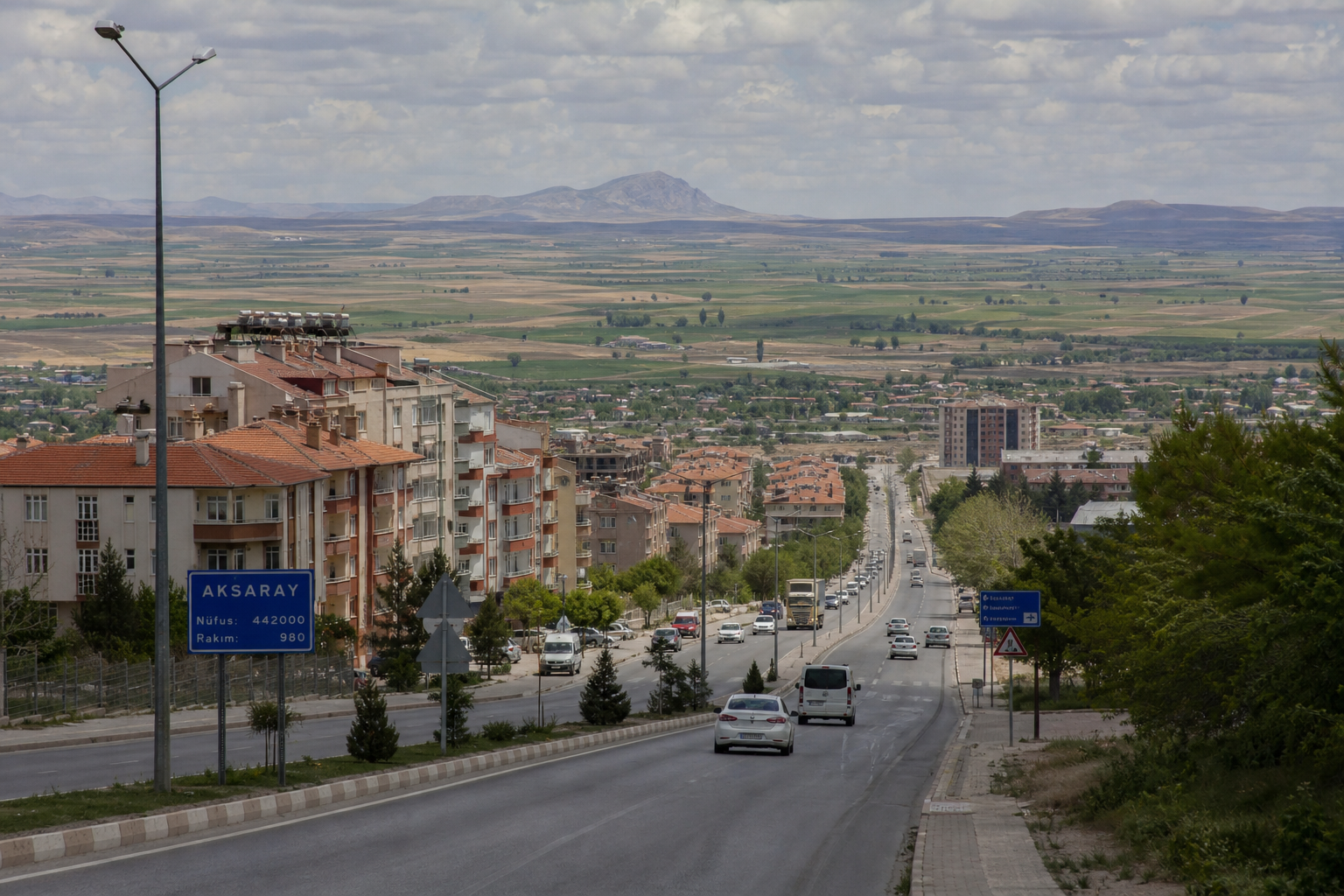
Marijuana trends in Aksaray are best understood through Turkey’s national laws, local social conditions and the difference between controlled hemp activity and illegal drug use. Aksaray is a central Anatolian city with strong agricultural, educational and family networks, but there is no separate local cannabis market operating outside the national legal framework. For residents, visitors and researchers, the most useful questions concern legality, public health, changing language around cannabis and the limited role of regulated hemp.
This article does not promote illegal possession, cultivation, purchase or consumption. It provides a practical overview of the subject using cautious, evidence-based information. Laws and administrative rules can change, so readers should confirm current requirements with Turkish authorities or a qualified local lawyer before making decisions.
Why marijuana trends in Aksaray need local context
Searches for weed in Aksaray can suggest that cannabis is a normal retail product, but that assumption is unsafe and legally misleading. A search result, social-media post or informal claim is not proof that a product is legal, tested or safe. In Aksaray, as elsewhere in Turkey, the legal position is shaped primarily by national criminal, medicines, agriculture and controlled-substance rules rather than by an independent city-level cannabis policy.
Local context still matters. Aksaray’s economy and daily life are connected to farming, transport, higher education and nearby Central Anatolian cities. These connections can affect how people encounter health information, agricultural discussions or unverified online offers. They do not create an exemption from national law. The most responsible interpretation of current cannabis in Aksaray discussions is therefore one of caution: distinguish policy debate from legal availability, and distinguish hemp from marijuana.
Cannabis laws in Aksaray and Turkey
The possession, supply, production and unauthorized cultivation of cannabis can lead to serious criminal consequences in Turkey. Personal possession is not made lawful by the fact that a substance is described as natural, home-grown or intended for private use. Sharing or selling can create additional legal exposure, while growing plants may raise separate cultivation and production issues.
There is also a major difference between a regulated medical product and cannabis obtained through an informal source. A product that makes a medical claim is not automatically an approved medicine. Packaging, a website or a seller’s promise cannot substitute for authorization, prescription requirements, laboratory testing or professional medical advice.
For the most reliable general health information, consult the Turkish Ministry of Health. It is also useful to review our broader overview of cannabis legality in nearby Kayseri, while remembering that a comparison with another city does not override national law.
Possession, sharing and cultivation
People sometimes assume that a small quantity, a private location or an informal exchange removes legal risk. That is not a reliable assumption. Enforcement decisions depend on the facts of a case, and consequences may involve investigation, detention, prosecution, fines or imprisonment. Travelers should be especially careful: carrying cannabis across provincial or international borders can create additional complications.
It is equally important not to treat hemp agriculture as permission to grow drug-type cannabis. Authorized industrial hemp, where permitted, is subject to official rules concerning approved varieties, locations, applications and oversight. Unlicensed cultivation or plants with prohibited characteristics should not be treated as a harmless agricultural experiment.
Hemp, marijuana and agricultural discussion
Hemp and marijuana come from the same plant family, but legal treatment depends on the variety, intended use, cultivation controls and applicable regulations. Industrial hemp may be associated with fiber, seed, food ingredients or other agricultural uses under a regulated framework. Marijuana generally refers to cannabis cultivated or used for intoxicating effects and remains tightly controlled.
That distinction is relevant in an agricultural province such as Aksaray. Discussions about hemp products, crop diversification or rural development should focus on authorized production and traceability rather than assuming that any cannabis-related crop is lawful. Farmers should obtain written guidance from the relevant agricultural authorities before planting, processing or selling a hemp-related crop.
Consumers should also examine labels carefully. Hemp seed foods, hemp fiber and products containing cannabidiol are not interchangeable with intoxicating cannabis. A product marketed as “hemp” may still be mislabeled, imported unlawfully or contaminated. The absence of an intoxicating claim is not proof of regulatory approval.
Medical cannabis in Aksaray: what patients should know
Interest in medical cannabis in Aksaray often reflects genuine concern about pain, sleep, anxiety, epilepsy or other difficult conditions. However, online advice should not replace diagnosis and treatment from a licensed clinician. A patient should not stop a prescribed medicine or begin an unapproved cannabis product based on a social-media recommendation.
Access to cannabinoid-based treatment, when available, depends on the medicine, its authorization status, a clinician’s assessment and applicable prescription or pharmacy procedures. This is different from buying cannabis flower, oils or edible products from an unverified seller. The latter may contain an unknown concentration of active compounds, contaminants or substances that are not listed on the label.
Questions to ask a healthcare professional
- Is the proposed product an authorized medicine or an unregulated supplement?
- Could it interact with current prescriptions, alcohol or other substances?
- Would it affect driving, work, concentration or caring responsibilities?
- What symptoms require urgent medical attention?
- What evidence supports the proposed treatment for the specific condition?
People experiencing dependence, withdrawal, panic, confusion or worsening mental-health symptoms should seek professional help rather than trying to manage the situation alone. A family doctor, hospital service or licensed mental-health professional can provide safer next steps.
Health risks and public-health priorities
Cannabis affects people differently, and risk is influenced by age, frequency of use, potency, method of consumption, personal health and use of other substances. Short-term effects may include impaired attention, slower reaction time, anxiety, panic, dizziness and problems with memory or coordination. These effects can create particular danger when driving, operating machinery or working at height.
Regular or high-potency use may increase the likelihood of dependence and can worsen problems for some people who are vulnerable to psychosis, severe anxiety or depression. Adolescents and young adults deserve particular protection because brain development and educational or occupational responsibilities can be affected by substance use. Pregnancy and breastfeeding are also situations in which professional medical advice is essential.
Smoking any plant material produces respiratory irritants. Edible products create a different risk because effects can be delayed, leading some people to take more before the first dose has fully acted. Unregulated oils and extracts add uncertainty about concentration and contamination. The World Health Organization’s cannabis information offers a useful public-health overview of recognized risks and effects.
How online cannabis claims affect Aksaray
One visible trend is the movement of cannabis discussion from private conversations into online marketplaces, messaging apps and social platforms. This can make products appear accessible even when their sale or possession is illegal. It can also blur the difference between a personal story, an advertisement and reliable medical evidence.
Readers should be cautious when a post promises guaranteed relief, claims that a product is “legal everywhere,” or avoids giving a full ingredient list. Pressure to pay quickly, requests to move conversations to an encrypted service or offers to ship across provinces are warning signs. Sharing personal identification or payment details with unknown sellers creates privacy and financial risks in addition to possible criminal exposure.
Safer ways to evaluate information
- Check whether the claim comes from a government, hospital, university or recognized public-health organization.
- Look for a clear product name, manufacturer, authorization information and full ingredient disclosure.
- Be skeptical of dramatic testimonials and claims that a product cures many unrelated conditions.
- Do not infer legality from product availability on a website or social-media account.
- Ask a pharmacist or physician about medicines and possible interactions.
Social attitudes and community conversations
Attitudes toward cannabis are not uniform. Some people focus on criminal justice, others on potential medical research, agricultural policy or concerns about youth access. In Aksaray, productive discussion is more likely when it avoids stereotypes and recognizes that a person’s health needs, legal position and social circumstances may differ.
Schools, families and community organizations can contribute by providing factual prevention education rather than relying only on fear-based messaging. Useful education explains impairment, dependence, emergency symptoms, online misinformation and how to seek confidential support. It should also make clear that asking for help is safer than hiding a health problem.
Businesses and landlords should not assume they can create private cannabis-use spaces simply because an activity occurs indoors. Property rules, workplace safety obligations and national criminal law can all remain relevant. A private setting does not automatically make possession or consumption lawful.
What visitors and residents should remember
Visitors to Aksaray should avoid carrying cannabis, cannabis oils, edibles or unverified CBD products into the city or across borders. Travelers should not rely on advice from another country, because rules that apply elsewhere may not apply in Turkey. Prescription medicines containing controlled ingredients should be checked before travel through official channels, with original packaging and documentation where appropriate.
Residents who encounter suspected illegal sales should avoid confrontation and should not attempt to investigate independently. If there is an immediate threat, contact emergency services. For non-urgent concerns, use appropriate local law-enforcement or public-health channels. Do not repost seller details in a way that increases exposure to illegal offers or personal data.
Looking ahead: policy, research and responsible awareness
Future discussion about cannabis laws in Aksaray may include medical research, agricultural regulation, public-health education and enforcement priorities. Any change would need to come through formal national policy and regulatory processes. Local conversation can help identify information gaps, but it cannot legalize a product or create an unregulated medical pathway.
A responsible future approach would separate industrial hemp from intoxicating cannabis, improve consumer awareness, support evidence-based treatment and provide clear services for people experiencing problematic use. It would also evaluate claims through research rather than promotional language. Until rules change through official channels, the safest assumption is that unauthorized cannabis possession, supply, cultivation and use carry significant legal and health risks.
Conclusion
The most important marijuana trend in Aksaray is not the appearance of informal online offers, but the need for clearer information. Turkey’s national restrictions apply in Aksaray, while regulated hemp and any authorized medical products must be kept distinct from illegal cannabis. Residents and visitors should verify claims through official sources, consult qualified healthcare professionals about medical concerns and avoid unlicensed products.
Understanding cannabis in Aksaray requires more than tracking search results or rumors. It requires attention to law, evidence, agricultural regulation, public health and individual safety. That approach offers a more accurate and useful foundation for anyone researching the topic.