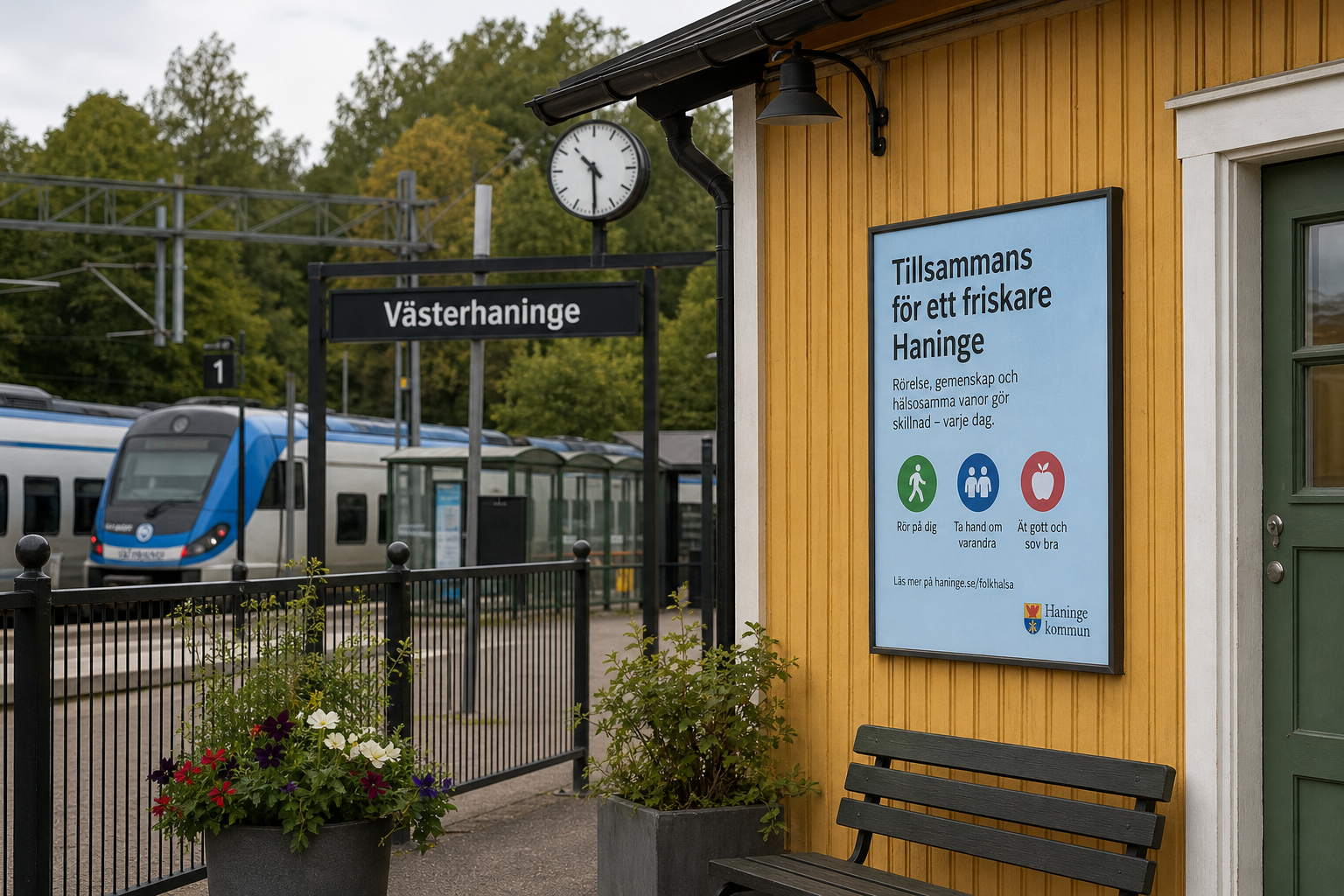
Understanding marijuana restrictions in Västerhaninge requires looking at Swedish national law rather than expecting a separate local cannabis code. Västerhaninge is a locality in Haninge Municipality, within Stockholm County, and the same national rules that apply elsewhere in Sweden generally apply there. Possession, use, transfer, cultivation and import of cannabis can all create legal problems, while public behaviour, impaired driving and the presence of cannabis around schools or public transport can add practical risks.
This guide explains the rules in plain language. It is not a substitute for advice from a Swedish lawyer, doctor or government authority, but it can help residents, visitors and families understand the main issues surrounding weed in Västerhaninge.
How Swedish cannabis law applies in Västerhaninge
Sweden takes a restrictive approach to narcotics. Cannabis products containing controlled levels or forms of THC are generally treated as narcotics, and the legal framework applies in Västerhaninge just as it does in Stockholm, Haninge and other Swedish communities. Local authorities may manage public spaces, prevention work and social services, but they do not create a local recreational cannabis market.
The central legal questions are usually what the substance is, how much is involved, who possessed or handled it, and what the person intended to do with it. The circumstances can affect how authorities assess an offence and what consequences may follow. Swedish law also distinguishes between less serious and more serious drug offences, so there is no single outcome for every case.
The official text of the Swedish Narcotic Drugs Punishments Act is the most reliable starting point for the legal framework. Because legislation and interpretation can change, anyone facing an investigation should obtain individual legal advice rather than relying only on a general article.
Possession, use and sharing: the main restrictions
Possession for personal use
Keeping cannabis for personal use is not legally permitted. A small amount does not make possession lawful, although the amount and surrounding circumstances can influence how a suspected offence is classified. Police may investigate suspected possession, and a person may face questioning, seizure of the substance, a fine or more serious criminal consequences depending on the case.
Personal use is also criminalised under Swedish law. This is important for visitors who come from countries where possession or consumption has been partly decriminalised or regulated. A rule that applies in another country does not provide protection in Västerhaninge. The same caution applies to cannabis bought legally abroad and then brought into Sweden.
Sharing, selling and supplying
Giving cannabis to another person, selling it or helping distribute it can be treated more seriously than simple personal possession. The fact that no money changes hands does not automatically make sharing lawful. Arranging a purchase for someone else, storing cannabis for another person or transporting it for distribution may also raise supply-related concerns.
People searching online for cannabis in Västerhaninge should be aware that informal sellers, social media contacts and delivery offers carry both legal and personal-safety risks. There is no licensed recreational dispensary system in Västerhaninge. Unregulated products may be mislabelled, contaminated or stronger than advertised, and a transaction itself can expose people to theft, fraud or police investigation.
Public places, homes and local enforcement
Swedish cannabis restrictions do not disappear inside a private home. Possession and use can still be unlawful on private premises. A private setting may reduce some public-order concerns, but it does not create a legal exception to national narcotics rules.
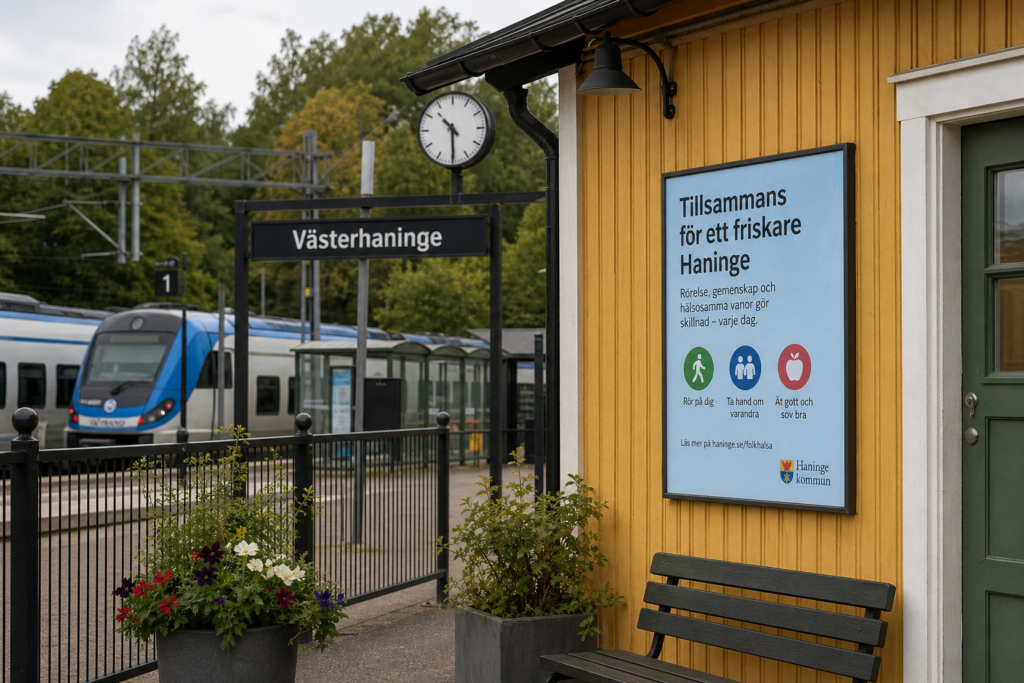
In public areas around Västerhaninge station, shopping areas, parks, housing estates and events, additional practical concerns can arise. Police and security staff may respond to suspected drug use, disorder, threats or unsafe behaviour. Schools, youth facilities and public transport settings deserve particular caution because safeguarding concerns can lead to faster intervention when children or vulnerable people may be affected.
Haninge Municipality may also publish local information about prevention, social support and public safety. Such measures should not be confused with legalisation. A municipal project, treatment service or harm-prevention initiative does not make recreational cannabis possession lawful.
For broader background, readers can compare this topic with the guide to cannabis information in nearby Södertälje, while remembering that the underlying Swedish law is national.
Driving and travelling with cannabis
Driving after using cannabis is a serious risk. Swedish traffic rules are strict about drug-impaired driving, and a driver may face investigation when cannabis or another controlled substance is detected in the body. Impairment, timing, prescribed medication and the applicable legal test can all matter, but a person should never assume that feeling normal means driving is legally or physically safe.
Cannabis can affect reaction time, attention, judgement and coordination. Combining it with alcohol, sedative medicines or other drugs can increase impairment. The safest practical rule is simple: do not drive, cycle in traffic or operate machinery after using cannabis, and make alternative travel arrangements.
Visitors should also avoid carrying cannabis on trains, buses or in luggage. Taking cannabis across the Swedish border can create import-related problems even if it was purchased legally in the departure country. Airport, ferry and border controls are not limited to large quantities.
The Swedish Police information about drugs and the law provides official guidance on how narcotics offences and police involvement may be handled. For a live legal matter, contact a qualified Swedish lawyer or the relevant authority directly.
Medical cannabis in Västerhaninge
Medical cannabis in Västerhaninge is not the same as recreational marijuana. Some cannabis-related medicines may be prescribed or supplied through the Swedish healthcare and pharmacy system in specific circumstances. Access depends on the medicine, its authorisation or regulatory status, the medical indication and a clinician’s assessment.
A person should not assume that a foreign cannabis prescription automatically authorises possession or use in Sweden. Travellers carrying prescribed narcotic medicines may need documentation and may face additional requirements, particularly when entering the country. The medicine should remain in its original packaging, and travellers should check current Swedish and cross-border rules before departure.
Do not share prescribed cannabis medicine with another person. A prescription is personal, and giving medicine to a friend or family member can create legal and health risks. Patients should discuss side effects, driving, work responsibilities and interactions with alcohol or other medicines with their prescriber or pharmacist.
What to do if a medical product causes concern
If a product is marketed as cannabis medicine but was purchased from an informal source, its contents may be uncertain. A product labelled THC-free may still contain cannabinoids or contaminants, while a CBD product may not meet the buyer’s expectations. Anyone who feels unwell after taking a cannabis-related product should seek medical advice and be honest about what was used.
CBD, hemp and edible products
CBD is not automatically outside Swedish drug law. The legal status of a product can depend on its ingredients, THC content, classification, manufacturing and intended use. Food, cosmetics, supplements, oils, flowers and vape products may be governed by different rules, and a marketing label is not a guarantee that the product is lawful.
Hemp fibre products and industrial uses should not be confused with intoxicating cannabis. Products made from seeds or fibre may have different characteristics from flowers, resins and extracts. However, buyers should be cautious with imported oils, gummies, vapes and so-called legal highs because laboratory results, labelling and Swedish compliance may be unclear.
When considering CBD products in Västerhaninge, check the Swedish regulatory position, the complete ingredient list and whether the seller provides credible information about testing. Avoid products that promise intoxication, conceal their ingredients or encourage use in traffic, at work or around children. Comparing local buying questions with the overview of CBD products and Swedish purchasing considerations can provide additional context, but it does not replace official advice.
Health and support considerations
Cannabis affects people differently. Possible effects include anxiety, panic, confusion, impaired memory and reduced concentration. Frequent or heavy use may contribute to dependence or make existing mental-health difficulties harder to manage. Young people may be particularly vulnerable to effects on learning, judgement and emotional wellbeing.
Warning signs that someone may need help include unsuccessful attempts to stop, using more than intended, neglecting school or work, spending increasing time obtaining or using cannabis, or continuing despite relationship, financial or health problems. A calm conversation and professional support are usually more helpful than threats or humiliation.
- Contact healthcare services if cannabis use is affecting physical or mental health.
- Seek urgent help for severe confusion, chest pain, breathing problems, loss of consciousness or thoughts of self-harm.
- Do not leave an intoxicated person alone in a dangerous environment.
- Keep cannabis and edible products away from children and pets.
- Do not mix cannabis with alcohol or sedating medicines.
Residents can ask a healthcare provider, pharmacy or local municipal support service which current counselling and treatment options are available. Services and contact routes can change, so use current official Swedish healthcare information when seeking help.
Practical guidance for residents and visitors
If you are unsure about a product or situation in Västerhaninge, the safest approach is to pause rather than rely on a seller’s assurance. A useful checklist is:
- Do not buy, possess, use, share or transport recreational cannabis in Sweden.
- Do not drive or operate machinery after using cannabis or a potentially intoxicating product.
- Check prescription and border requirements before travelling with any cannabis-related medicine.
- Keep medicines in original packaging and carry appropriate documentation.
- Ask a pharmacist or healthcare professional about uncertain CBD or hemp products.
- If contacted by police, remain calm and seek legal advice before making decisions about a case.
People looking for cannabis laws in Västerhaninge should also remember that local geography does not change national rules. Västerhaninge’s connection to the wider Stockholm region may make travel easy, but travelling to another district or municipality does not make an illegal purchase legal.
Conclusion: what the restrictions mean in Västerhaninge
The key point about marijuana restrictions in Västerhaninge is that recreational cannabis is not legally available under Swedish law. Possession and use can be offences, while sharing, selling, importing and drug-impaired driving may create more serious consequences. Medical cannabis is a separate, regulated issue, and CBD or hemp-labelled products require careful checking rather than assumptions.
For residents and visitors, the most reliable approach is to follow national law, avoid unregulated products, never drive after use and seek professional advice when health or legal questions arise. Local support may be available through healthcare and municipal services, but only current official information can confirm the right contact and requirements.