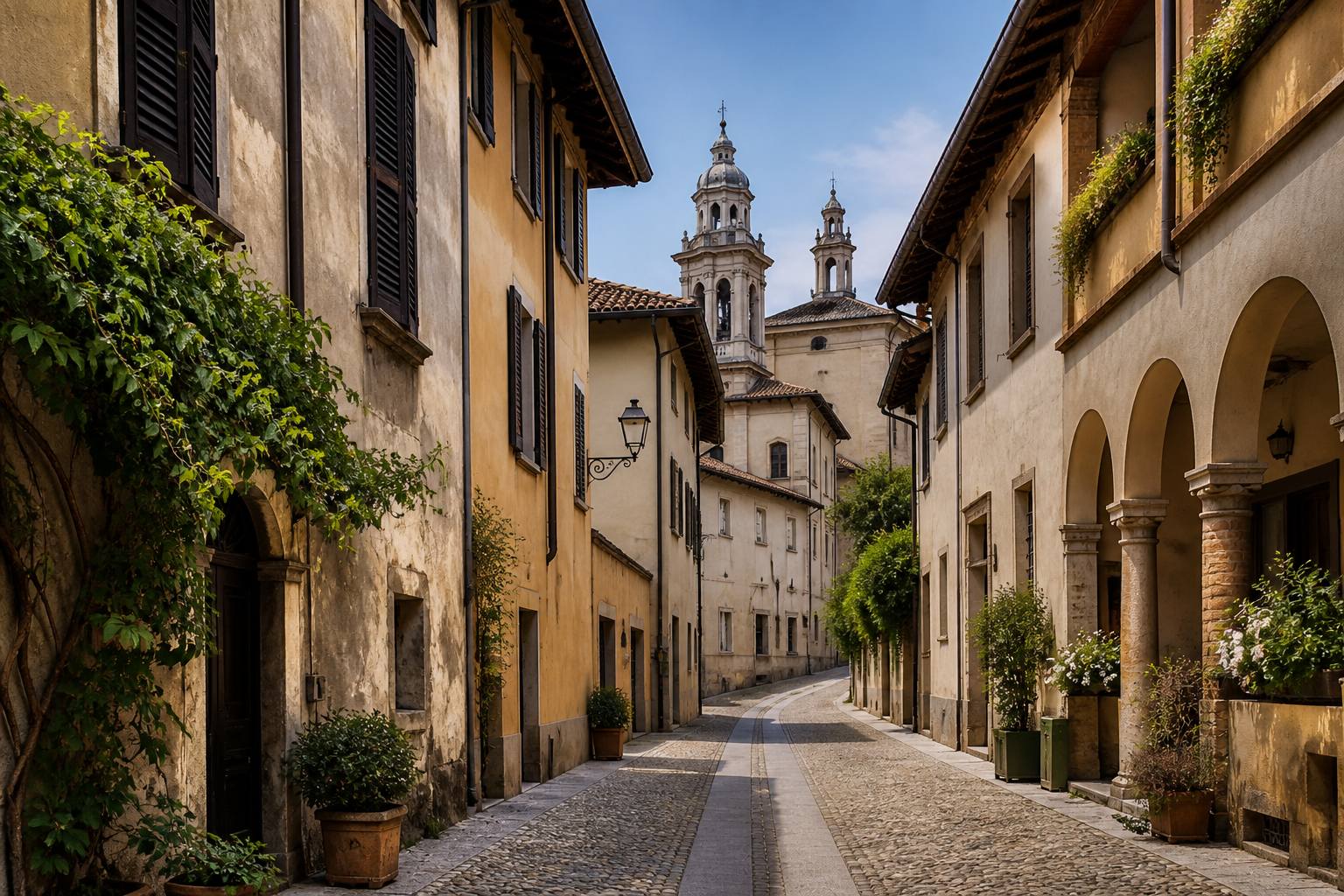
Marijuana culture in Caravaggio, Italy, is best understood through the wider social, legal and health context of Lombardy rather than through assumptions about an open recreational market. Caravaggio is a town in the Bergamo area with strong local identity, historic religious significance and connections to the surrounding agricultural and commercial landscape. As in other Italian communities, conversations about cannabis may involve personal use, medical treatment, industrial hemp, CBD products, prevention and public policy.
This guide explains how to discuss weed in Caravaggio responsibly. It does not promote illegal buying or consumption. Instead, it separates cultural attitudes from legal rights, outlines questions residents and visitors commonly have, and offers practical ways to make safer, better-informed decisions.
What marijuana culture means in Caravaggio
“Marijuana culture” can describe several different things: how people talk about cannabis, how families and communities view its risks, the visibility of hemp-derived products, medical use, and the way national laws are interpreted locally. These dimensions should not be treated as evidence that cannabis is freely available or socially accepted in every setting.
In a town such as Caravaggio, attitudes may differ between generations, households and social groups. Some people may associate cannabis with recreational use and public-order concerns. Others may focus on therapeutic preparations, scientific research or the legitimate cultivation of industrial hemp. A useful local discussion recognizes these differences instead of presenting one simplified image of cannabis in Caravaggio.
The surrounding province also matters. Residents may travel for work, education, healthcare or shopping, so their information sources and experiences are not limited to the town itself. Comparisons with nearby communities can be useful when they focus on law, health education and public services rather than speculation about local supply.
Culture is not the same as legality
Social visibility does not change the law. A product displayed in a shop, discussed online or described as “light” cannabis may have a different legal status from cannabis containing higher levels of THC. Product labels can also be confusing, particularly when consumers assume that hemp, CBD and marijuana are interchangeable terms.
For a broader regional comparison, readers can review this guide to cannabis community and local connection in Nembro. The important lesson is that community conversation should be grounded in verified information, not in rumors about what is supposedly tolerated.
Cannabis laws in Caravaggio and Italy
Caravaggio follows Italian national law. Local authorities can address public safety, nuisance, driving and public-space issues, but a municipality does not create an independent recreational cannabis system. Anyone researching cannabis laws in Caravaggio should therefore start with current national rules and then consider how those rules apply to a specific situation.
Italian law distinguishes between different conduct and products. Possession, cultivation, supply, importation and use can have different legal consequences. The circumstances, quantity, purpose and evidence involved may all matter. Because legislation and official interpretations can change, readers should consult the official Italian legal database, Normattiva or a qualified lawyer for a current assessment.
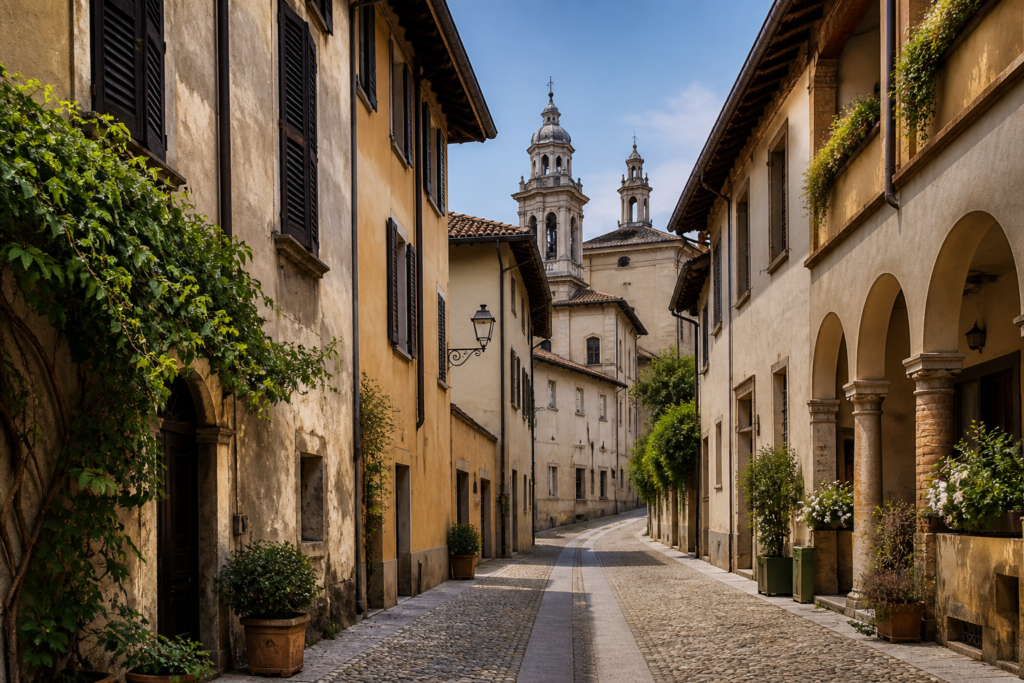
Personal possession for use may lead to administrative consequences, while trafficking, unauthorized supply and other forms of distribution can involve criminal penalties. Growing cannabis at home is not automatically lawful simply because it is for personal use. Visitors should be especially careful: bringing cannabis across borders, carrying it in a vehicle or consuming it in public can create separate legal and practical problems.
- Do not assume that decriminalization of one type of conduct means cannabis is legal generally.
- Do not transport cannabis across an international border without specific professional advice.
- Do not drive, cycle or operate machinery after using cannabis.
- Do not rely on packaging or advertising as a substitute for checking current rules.
- Seek legal advice if a situation involves police, an employment issue, a driving matter or a medical prescription.
Medical cannabis in Caravaggio
Medical cannabis in Caravaggio is part of Italy’s regulated healthcare system, not an informal retail arrangement. Access depends on a clinical assessment, an appropriate physician and the applicable prescribing and pharmacy procedures. A person should discuss symptoms, existing medicines, past treatment and relevant health conditions with a doctor rather than self-diagnosing from online content.
Medical cannabis may be considered in specific clinical circumstances, but it is not a universal treatment and does not guarantee a particular result. Possible concerns include sedation, dizziness, impaired concentration, interactions with other medicines and worsening anxiety or other symptoms in some people. It may be unsuitable for certain individuals, including some people with a history of psychosis or problematic substance use. A healthcare professional must make that assessment.
Patients should keep any prescribed product in its original packaging and follow the instructions provided by the prescribing clinician and pharmacy. Before travelling, they should confirm documentation requirements, especially when crossing regions or national borders. The Italian Ministry of Health website is a useful starting point for official health information, although clinical advice should come from a patient’s healthcare team.
Medical access should also be kept separate from claims made by unregulated sellers. A product marketed online as therapeutic may not have the quality controls, dose consistency or clinical oversight associated with a prescribed medicine.
CBD, hemp and retail conversations
CBD products often appear in discussions about cannabis culture in Lombardy, but CBD is not the same as intoxicating cannabis. Products can include oils, cosmetics, food items or other preparations, and the rules may depend on the product category, ingredients, labeling and intended use. A shop’s presence does not establish that every product on its shelves is lawful or appropriate for every consumer.
People considering CBD in Caravaggio should read the label carefully and ask whether the product is intended for food, topical use or another purpose. They should also check the ingredients and avoid making medical claims without professional support. Anyone taking prescription medicines, pregnant or breastfeeding, or managing a significant health condition should consult a healthcare professional before using a cannabinoid product.
Industrial hemp has a separate cultural and economic history from marijuana. Hemp fiber, seed, foods and other lawful applications may be discussed in terms of agriculture, manufacturing and sustainability. That history is valuable, but it should not be used to imply that all cannabis-derived products have the same legal status.
For a neighboring perspective on historical context, see this article about marijuana history in Albino. Historical hemp use can help explain why cannabis-related terminology is sometimes broad, but it does not replace modern legal definitions.
Health, safety and respectful use
A responsible marijuana culture places health before novelty. Cannabis can affect attention, memory, reaction time and judgment. Risks may be greater for adolescents, people with certain mental-health conditions, those using other intoxicating substances and anyone who needs to drive or perform safety-sensitive work.
Practical harm-reduction principles
- Avoid combining cannabis with alcohol or other drugs, since impairment can become less predictable.
- Never drive or operate equipment while impaired, and arrange a safe alternative in advance.
- Keep products away from children and pets, particularly edible products that may resemble ordinary food.
- Be cautious with unfamiliar products because potency, ingredients and contamination risks may be uncertain.
- Do not share prescribed medical cannabis or use another person’s medicine.
- Seek urgent medical help for severe confusion, chest pain, breathing difficulties, loss of consciousness or other alarming symptoms.
Edibles deserve particular caution because effects may take longer to appear than inhaled products. Taking more before the initial effects are clear can increase the risk of an unpleasant or dangerous experience. Smoking can also irritate the lungs, while any method of use may produce impairment.
Young people and families may benefit from a nonjudgmental conversation about why someone is using cannabis, what risks are present and whether support is needed. Education works better when it avoids both exaggerated claims and casual reassurance.
How local conversations can become more useful
Good community discussion should focus on practical questions: What does current Italian law say? Is a product regulated? What health risks are relevant? Where can someone obtain confidential medical advice? How should residents respond to impaired driving or use around children? These questions are more constructive than trying to identify a supposed local market.
Schools, families, healthcare professionals and civic organizations can contribute by using clear language and directing people to reliable sources. Public-health messages should distinguish occasional use, frequent use, dependence, medical treatment and industrial hemp. They should also explain when someone should seek support for anxiety, sleep problems, withdrawal symptoms or loss of control.
Readers interested in a similar prevention-focused approach can compare the regional guide to cannabis awareness in Rovato. The most valuable local resource is usually not a product directory but a trustworthy route to legal information, healthcare and confidential support.
Visiting Caravaggio responsibly
Visitors should treat Caravaggio as they would any Italian town: respect public spaces, follow local rules and avoid creating risks for residents or other travelers. Cannabis should not be used in places where smoking or intoxicating substances are prohibited, and visitors should never assume that a private rental permits unlawful activity. Driving after use is unsafe and can have serious legal consequences.
Travelers carrying prescribed medicine should plan ahead. They should retain original packaging, carry relevant documentation and verify the rules that apply to every country on their route. A prescription from one jurisdiction does not automatically authorize possession or importation elsewhere.
The future of marijuana culture in Caravaggio
The conversation around cannabis in Caravaggio will likely continue to involve competing priorities: personal liberty, public health, youth protection, medical access, road safety and commercial regulation. The quality of that conversation will depend on whether residents distinguish evidence from anecdote and current law from outdated assumptions.
A balanced perspective does not require approval or condemnation of every form of cannabis use. It requires accurate terminology, respect for Italian law, attention to health and an understanding that local culture is diverse. That approach is more useful for residents, families, patients and visitors than portraying Caravaggio as either a cannabis destination or a place without any cannabis-related discussion.
Conclusion
Marijuana culture in Caravaggio, Italy, is best viewed as a local expression of broader Italian debates about cannabis, health, hemp and regulation. Weed in Caravaggio is not a separate legal category, and online claims should never replace official information or professional advice. By separating medical access from recreational use, distinguishing CBD from THC products and prioritizing safety, readers can approach the subject with greater clarity and responsibility.