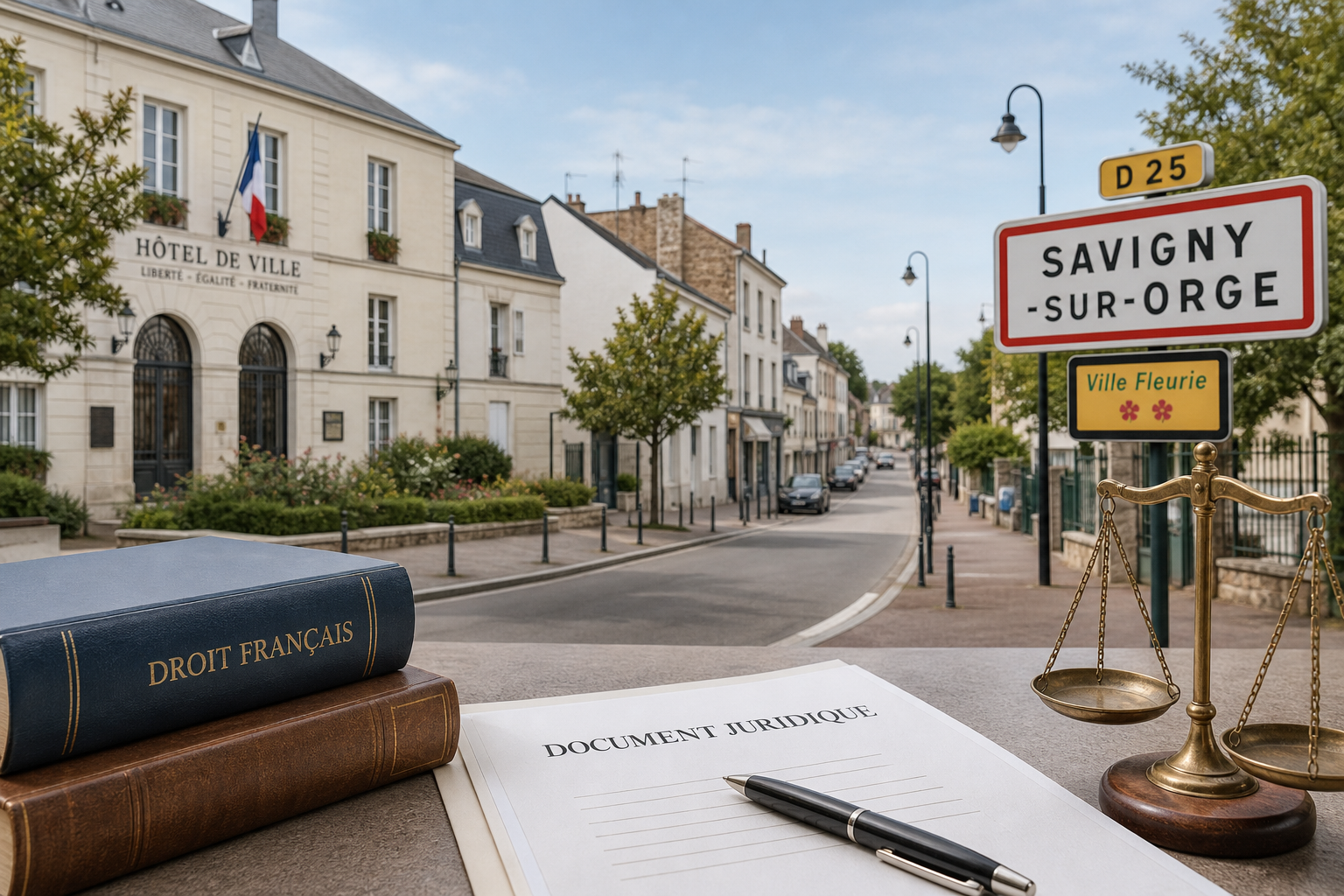
Understanding Cannabis laws and penalties in Savigny-sur-Orge means looking primarily at French national law. Savigny-sur-Orge does not have a separate municipal cannabis code that legalizes recreational use. The same national rules apply across Essonne and the rest of France, although local police and courts deal with individual incidents in their own area.
This guide explains the rules affecting residents, visitors and commuters, including possession, consumption, public use, driving, CBD products and medical access. It is general information rather than legal advice. The law and enforcement procedures can change, so a person facing a police investigation or prosecution should obtain advice from a qualified French lawyer.
How cannabis is regulated in Savigny-sur-Orge
French law treats cannabis containing prohibited narcotic substances as an illegal drug. Recreational possession, purchase, sale, transport and use are not made lawful by taking place in a private home, on a street, near a railway station or elsewhere in Savigny-sur-Orge.
The legal framework is national rather than local. A municipal authority may address public order, nuisance or safety issues, but it cannot create a legal recreational cannabis market. The practical rules for cannabis in Savigny-sur-Orge therefore come from the French Public Health Code, criminal law and road-traffic rules.
For broader context on how French rules operate in another Île-de-France municipality, see this guide to cannabis possession regulations in Maisons-Alfort. The local setting differs, but the underlying national framework is comparable.
Cannabis laws in Savigny-sur-Orge: use and possession
Personal use
Using cannabis is an offence in France. This includes smoking, vaping or otherwise consuming cannabis, whether the act occurs in a private residence or in public. Public consumption can also create additional practical problems because it may attract police attention, complaints, or other public-order measures.
French authorities may issue a fixed criminal fine for unlawful narcotics use when the conditions for that procedure are met. The standard amount is generally €200. It may be reduced to €150 when paid promptly and increased to €450 when paid late, subject to the applicable procedure and deadlines shown on the notice.
Payment of a fixed fine is not the same as legalization. It is a criminal procedure designed to deal with certain cases efficiently. A person should read the notice carefully, check the payment or challenge deadline and seek legal advice if the facts are disputed.
Possession and small quantities
Possessing cannabis remains illegal even when it is intended only for personal use. A small amount does not create a safe legal threshold. In some straightforward cases involving use or a limited quantity, authorities may use the fixed-fine process, but that outcome is not guaranteed.
The response can become more serious when the quantity, packaging, cash, messages, weighing equipment or other evidence suggests supply or trafficking. A person may also face investigation for acquiring, transporting, offering or selling narcotics. The eventual response depends on the evidence, the person’s age, previous history and the circumstances of the incident.
- Do not assume that a small quantity is legally permitted.
- Do not carry cannabis for another person, because the explanation that it belongs to someone else may not prevent an investigation.
- Keep any police paperwork and note the deadlines for payment, challenge or court attendance.
- Ask for legal assistance before making detailed statements if questioned about supply or trafficking.
Penalties for supplying, selling or growing cannabis
French law distinguishes ordinary personal-use situations from conduct connected with supply. Selling, offering, distributing, importing, exporting, producing or cultivating prohibited cannabis can lead to substantially heavier criminal consequences than a simple use offence.
In serious cases, narcotics trafficking offences can carry long prison sentences and substantial fines. The exact charge depends on what investigators allege and what prosecutors can prove. Factors such as repeated activity, organized conduct, the role of each person and the scale of the operation may affect the case.
Growing cannabis at home is not a legal loophole. Cultivation for personal use can still result in criminal proceedings, and equipment or multiple plants may be treated as evidence of production. Renting a property, using a shared building or involving another person does not remove the risk.
Public use, schools and transport areas
Using cannabis in a park, on a pavement, outside a bar, near a school or around a station can expose a person to immediate police intervention. The underlying drug offence remains the central issue, but public visibility can increase the likelihood of contact with authorities and complaints from residents or businesses.
Visitors searching for weed in Savigny-sur-Orge should not interpret the presence of informal sellers or cannabis odours as evidence that the activity is tolerated. Buying from an unregulated source creates legal, health and personal-safety risks. Products may have unknown strength, contaminants or a different substance from what the seller claims.
There is also no lawful recreational cannabis dispensary system in Savigny-sur-Orge comparable to regulated retail models in some other countries. Social clubs and informal delivery arrangements do not provide a general exemption from French drug law.
Cannabis and driving in France
Driving after using cannabis is a separate and particularly serious risk. French road law prohibits driving after drug use, and police may use screening and laboratory testing during traffic checks or after a collision. Unlike a personal judgement about feeling sober, the legal issue focuses on the presence of prohibited substances under the applicable testing rules.
A drug-driving conviction can lead to a fine, licence suspension or cancellation, loss of driving points and, in serious circumstances, imprisonment. Penalties can increase when drug use is combined with alcohol, an accident, injury, refusal to comply with testing or other offences.
Do not drive from Savigny-sur-Orge after consuming cannabis, even for a short trip or when the journey is familiar. Arrange a sober driver or use public transport, a taxi or another safe option. The official French government information on drug driving explains the main legal consequences and procedures.
CBD products and hemp: what is different?
CBD is not the same substance as intoxicating THC, but CBD products are not automatically risk-free or lawful in every form. French rules allow certain hemp-derived products when they meet applicable conditions, including requirements concerning the permitted hemp variety, THC content, product category and presentation.
A product labelled “CBD” can still create problems if it contains more THC than allowed, is inaccurately labelled or is sold in a form that falls outside the permitted framework. CBD flowers and resins can be particularly confusing because they may resemble prohibited cannabis and can be difficult for consumers to assess.
Buying CBD in Savigny-sur-Orge does not authorize a person to possess ordinary cannabis. Consumers should use reputable sellers, retain receipts and packaging, avoid driving after using any product that could contain THC and check current French requirements before travelling with it.
For a related explanation of product rules, see this practical overview of CBD legality in Dreux. It is still important to verify the current national position because product rules and enforcement guidance may develop.
Medical cannabis and prescribed medicines
Medical cannabis in Savigny-sur-Orge is not a general permission to buy or grow cannabis for self-treatment. Access to cannabis-based treatment in France is tightly controlled and depends on the medicine, the indication, the prescribing arrangements and the rules in force at the time.
Patients should use only a medicine supplied through the authorized French healthcare and pharmacy system. A foreign prescription, a cannabis flower purchased abroad or an online product should not be assumed to be accepted in France. Bringing cannabis across a border can create separate customs and narcotics issues, even when the person says it is for medical reasons.
Anyone considering cannabis for pain, sleep, anxiety or another condition should speak with a doctor or pharmacist rather than self-medicating. Medical supervision is important because cannabis-based products may interact with medicines, impair driving and cause adverse effects.
What to do after a police encounter
A person questioned about cannabis should remain calm and avoid obstructing officers. They should read any document offered to them and avoid signing something they do not understand. Interpretation and legal safeguards can matter particularly for visitors or anyone who is not comfortable in French.
- Ask what offence is being investigated and request an interpreter if needed.
- Record the date, location and circumstances of the encounter as soon as possible.
- Keep the fixed-fine notice, summons or other paperwork.
- Do not miss a stated deadline or court date.
- Contact a French criminal lawyer if the case involves supply, cultivation, driving, a search or disputed evidence.
A fixed fine may be challenged in the circumstances allowed by the notice, but ignoring it can increase the amount or lead to further proceedings. Legal advice is especially important when there are allegations of trafficking, when a vehicle was involved or when several people are accused.
Practical takeaways for residents and visitors
The safest assumption is that recreational cannabis remains prohibited throughout Savigny-sur-Orge. Local familiarity, private consumption, a small quantity, a CBD label or a claim that the product is for medical use does not by itself remove legal risk.
- Do not buy, sell, grow or carry recreational cannabis.
- Never drive after using cannabis or an uncertain CBD product.
- Check the ingredients and THC compliance of any lawful hemp product.
- Do not take cannabis across French borders without specialist advice and documentation confirming that the medicine is legally permitted.
- Get prompt legal assistance if police issue a fine, conduct a search or arrange an interview.
Conclusion
Cannabis laws and penalties in Savigny-sur-Orge are governed mainly by French national law. Recreational use and possession are illegal, with some straightforward cases potentially handled through a fixed criminal fine. Supply, cultivation, trafficking and drug driving can produce much more serious consequences. CBD and medical products follow separate but tightly controlled rules and should not be confused with recreational cannabis.
For residents and visitors, the practical approach is simple: do not purchase or consume illegal cannabis, do not drive after use, treat CBD claims cautiously and seek qualified advice when an investigation or medical question arises.