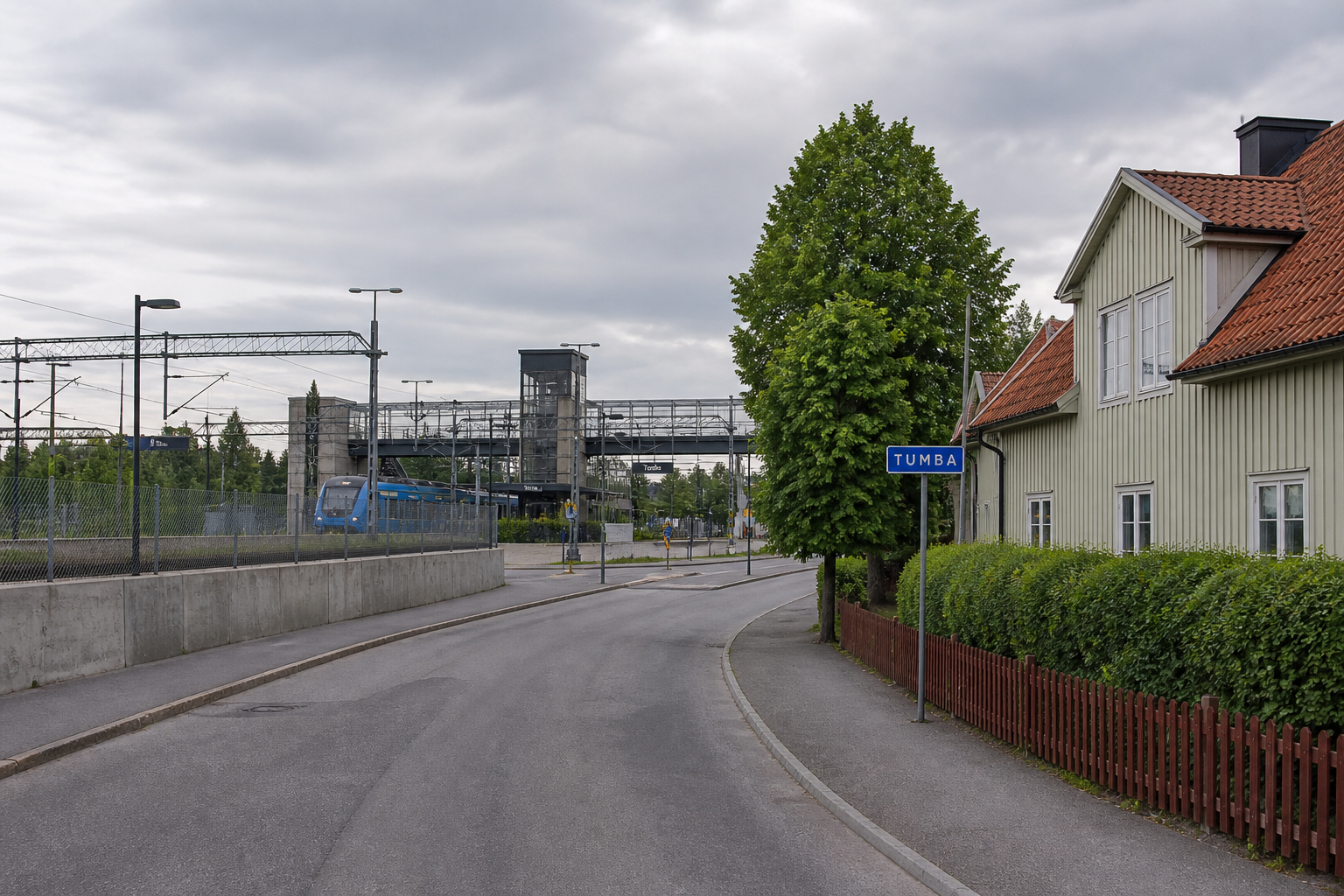
If you are searching for Cannabis dispensaries in Tumba, Sweden, the most important fact is that Sweden does not operate legal recreational cannabis shops. Tumba, a suburban locality in Botkyrka Municipality south of Stockholm, follows the same national rules as every other Swedish community. Recreational cannabis possession, use, production, sale and import are prohibited, while access to cannabis-based medicines is tightly controlled through the healthcare and pharmacy system.
This guide explains what that means in practical terms. It does not provide contacts for illegal sellers or instructions for obtaining prohibited drugs. Instead, it outlines the legal position, distinguishes medical treatment from recreational retail, discusses CBD carefully and offers sensible steps for residents and visitors who want reliable, lawful information.
Are there cannabis dispensaries in Tumba?
There are no licensed recreational cannabis dispensaries in Tumba. A business advertising cannabis flower, THC vape products, edibles or similar recreational products for walk-in sale would not be operating within Sweden’s ordinary legal retail framework. An online shop is not automatically legal simply because it delivers to Tumba or describes its products as “natural,” “hemp-based” or “European.”
Unlike jurisdictions with regulated adult-use markets, Sweden does not have a system of licensed cannabis stores, commercial cannabis clubs or legal recreational delivery services. Claims that a shop is “official,” “discreet” or “licensed” should therefore be treated cautiously unless the seller can demonstrate a relevant Swedish authorization for the specific medicine or product being offered.
For broader regional context, our guide to cannabis in Stockholm covers the same national framework in the capital area. Location does not create a local exception: Tumba residents are subject to Swedish law just as residents of Stockholm and other municipalities are.
Cannabis laws in Tumba and the rest of Sweden
Swedish drug law treats cannabis as a controlled narcotic. The rules apply to possession and use as well as to more obvious commercial activities such as selling and importing. Depending on the circumstances, an offence may be handled as a minor drug offence or as a more serious offence. Penalties can involve fines or imprisonment, and additional consequences may affect travel, immigration matters, employment or driving-related issues.
It is also important not to assume that private use is outside the law. Sweden’s approach is notably restrictive, and a person can face legal consequences for possessing or using cannabis even when no sale is involved. Driving after using drugs creates separate and serious risks, particularly because impairment and roadside enforcement are treated strictly.
What the rules mean for visitors
Visitors should not bring cannabis, THC products or cannabis-infused foods into Sweden. Import rules can apply even when a product was purchased legally in another country. Crossing a border with a controlled substance may create more serious problems than possessing it inside the country.
Travellers who use prescribed medicines should check the requirements before departure. Packaging, prescriptions and supporting documentation may be relevant, but paperwork does not automatically authorize the transport of every cannabis-related product. For current medicine and product questions, consult the Swedish Medical Products Agency, known as Läkemedelsverket’s official information, before travelling.
Medical cannabis in Tumba: how legal access works
Medical cannabis is not the same as recreational cannabis retail. In Sweden, access depends on a clinical assessment and an authorized prescription pathway. Patients do not normally choose products from a dispensary menu. Instead, a doctor evaluates the condition, previous treatments, potential benefits and risks, and whether a cannabis-based medicine is appropriate.
When a medicine is prescribed, it is obtained through a pharmacy or another legally authorized supply route. Availability can depend on the exact product, prescription status and stock. A patient should never substitute an unverified online product for prescribed treatment, even if the packaging claims to contain the same cannabinoid or dosage.
Speaking with a healthcare professional
Someone in Tumba who believes cannabis-based treatment may be relevant can begin with a healthcare provider. Explain the symptoms, diagnosis, current medicines and previous treatments honestly. A clinician can discuss approved alternatives, possible interactions and whether a specialist referral is appropriate.
Medical cannabis can cause adverse effects, including sedation, dizziness, impaired concentration and changes in mood or perception. It may also interact with other medicines or be unsuitable for people with particular health histories. A prescription is not a guarantee that treatment will be effective, and it should be used exactly as directed.
Our related article on cannabis information in Södertälje provides another nearby perspective on health, law and practical decision-making. The medical process itself remains national rather than specific to Tumba.
CBD products and hemp: why labels can be misleading
CBD is often marketed separately from cannabis, but product labels do not determine legal status. A product may contain CBD without producing an intoxicating effect, yet it can still raise questions about ingredients, authorization, contamination or trace amounts of THC. Oils, flowers, cosmetics, foods and supplements may also be governed by different rules.
Consumers should be especially cautious with hemp flower, vape liquids and edible products. A label stating “THC-free” or “legal in Europe” is not a substitute for Swedish regulatory compliance. Products bought from foreign websites may be stopped at the border or may not meet Swedish requirements for medicines, foods or consumer products.
Practical checks before buying any CBD item
- Identify the legal business name and contact details of the seller.
- Check whether the product is classified as a medicine, food, cosmetic or another type of regulated item.
- Look for a complete ingredient list, batch information and credible laboratory testing.
- Be cautious of claims that a product cures serious diseases or replaces prescribed treatment.
- Ask a pharmacist or healthcare professional about possible interactions with existing medicines.
- Do not assume that a product legal in another country can legally be imported into Sweden.
If the seller cannot explain what the product legally is, where it was manufactured or how its contents were verified, the safest choice is not to buy it.
Risks of illegal cannabis shops and online sellers
Unlicensed sellers create both legal and health risks. There is no reliable consumer protection for products sold through informal channels, social media accounts or anonymous websites. The stated strength may be inaccurate, the product may contain unexpected substances and the packaging may provide no dependable information about storage or expiry.
High-potency products can increase the likelihood of anxiety, panic, impaired judgment and other unwanted effects. Cannabis can also affect attention and reaction time. Mixing it with alcohol or sedating medicines can increase impairment. People with a personal or family history of psychosis, significant anxiety or other mental-health concerns should seek professional advice rather than self-medicating.
Never drive, cycle in traffic or operate machinery while impaired. Keep any prescribed medicine away from children and use it only according to the directions supplied by the prescriber and pharmacy.
What to do if cannabis use is becoming difficult
A person does not need to wait for a crisis before seeking help. A healthcare centre can discuss sleep, anxiety, pain, dependence or other concerns confidentially and help identify suitable treatment. Honest information about frequency, amount and method of use allows professionals to give safer advice.
Urgent help is appropriate when someone has severe confusion, chest pain, difficulty breathing, a seizure, extreme agitation or thoughts of self-harm. In an emergency in Sweden, call 112. Avoid leaving an acutely unwell person alone, and tell healthcare workers what may have been taken if that information is available.
How to evaluate cannabis information in Tumba
Search results can mix Swedish law, foreign dispensary systems and promotional content. A useful source should identify the country, date and legal authority behind its claims. Official health and medicines agencies are more dependable than anonymous blogs, retailer pages or social media posts.
- Confirm whether the information applies to Sweden rather than Canada, the United States or another market.
- Separate recreational cannabis from prescription medicines and CBD products.
- Check current guidance with an official authority when rules or product classifications are unclear.
- Ask a pharmacist or clinician about personal health risks instead of relying on marketing claims.
- Do not treat the existence of an online listing as proof that a seller is licensed.
Readers comparing nearby information may also find our article about cannabis culture in Upplands Väsby and Sollentuna useful. It reinforces an important point: local search terms may change, but Swedish national law remains the central issue.
Conclusion: safer choices for people in Tumba
There are no legal recreational cannabis dispensaries in Tumba, and Sweden’s restrictive national drug laws apply to possession, use, sale and import. Medical cannabis follows a controlled healthcare and pharmacy pathway rather than a dispensary model. CBD and hemp products also require careful checking because labels and foreign marketing claims do not guarantee compliance.
The safest approach is to avoid illegal sellers, verify information through Swedish authorities, speak with a healthcare professional about medical concerns and never drive while impaired. For residents and visitors, understanding the law before making a purchase is the most practical way to reduce legal, financial and health risks.