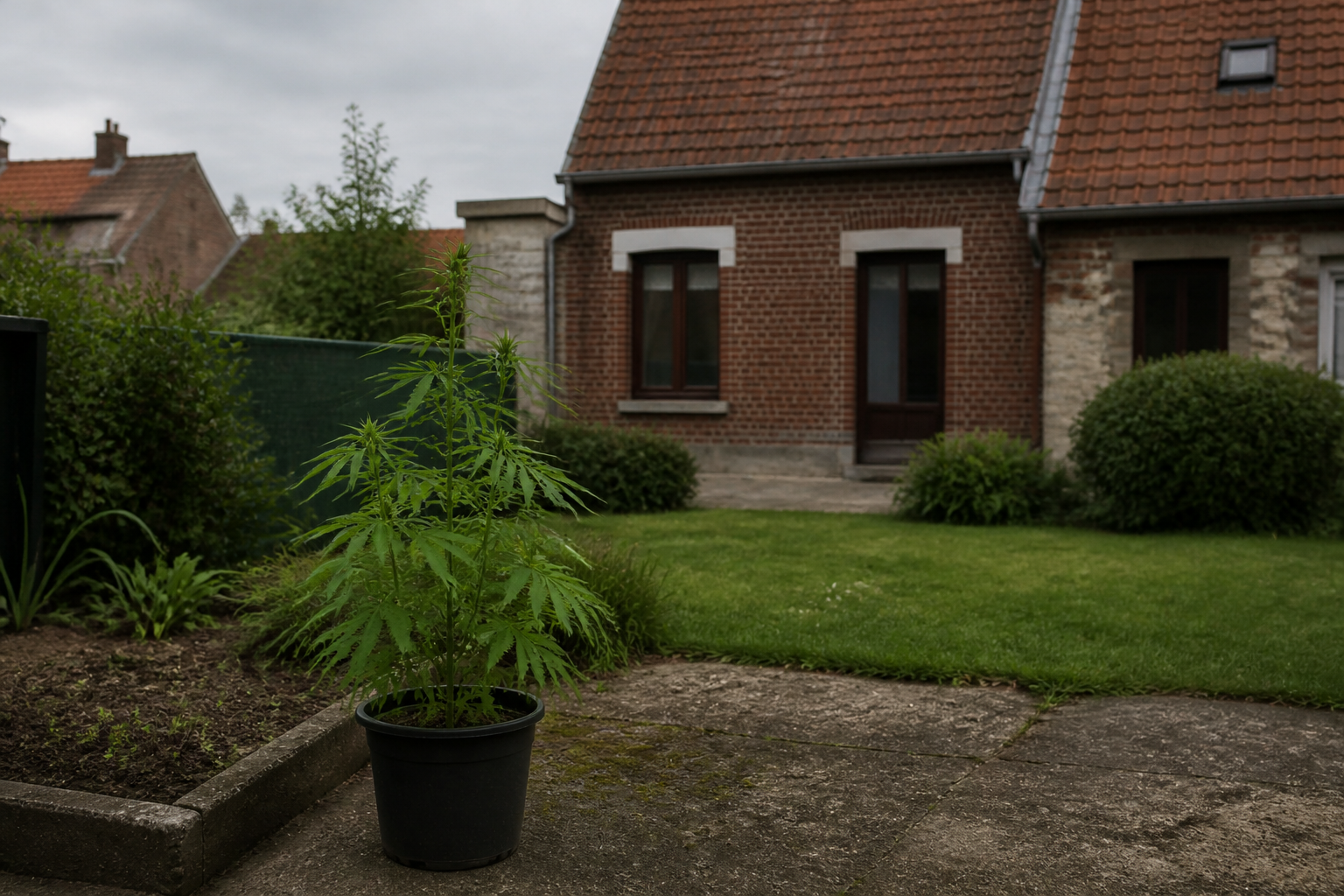
Understanding the cannabis cultivation laws in Liévin starts with one important point: Liévin follows French national law. The town does not have a local system that authorizes residents to grow cannabis for personal use, even if plants are kept indoors, grown in a private garden or intended only for personal consumption.
This guide explains the legal position in practical terms. It distinguishes psychoactive cannabis from industrial hemp, considers CBD-related misunderstandings, outlines potential consequences and identifies safer steps for anyone who has found plants on a property or is considering cultivation. It is general information, not individualized legal advice.
How cannabis laws in Liévin apply
French rules on narcotic drugs apply in Liévin, in the Pas-de-Calais department, just as they do elsewhere in mainland France. A private residence does not create an exemption. Ownership or rental of a property may affect questions about access, responsibility and evidence, but it does not make unauthorized cultivation lawful.
In everyday conversations, people may search for weed in Liévin or ask whether a small number of plants is tolerated. Tolerance, enforcement priorities and legality are different concepts. A situation may receive a particular response from authorities, but that does not establish a right to cultivate.
French law treats the production or manufacture of narcotic drugs as a serious offence. The exact legal classification and outcome depend on the facts, including the type and quantity of plants, the purpose alleged, the equipment used, whether there is evidence of distribution and the person’s history. A court, rather than an online article, determines liability in a contested case.
Is growing cannabis in Liévin for personal use legal?
For ordinary THC-rich cannabis, the answer is generally no. French law does not provide a home-grow allowance comparable to personal cultivation regimes in some other countries. Growing one plant or several plants can still create legal exposure, and describing the crop as personal does not automatically remove the cultivation issue.
Why the number of plants is not a safe rule
There is no reliable “one-plant rule” that residents can use as a guarantee of legality. Plant count may be relevant to how authorities assess a case, but it is not a blanket permission. Other evidence can also matter, such as grow lights, ventilation, drying equipment, packaging, messages, payment records or links to supply activity.
Possession and use are separate legal questions from cultivation. In some circumstances, personal use of narcotics can lead to a fixed criminal fine, while more serious or disputed cases may proceed differently. That framework should not be mistaken for permission to produce the substance at home. The official French government information on drug use and penalties explains the broader enforcement framework.
Indoor growing does not avoid the law
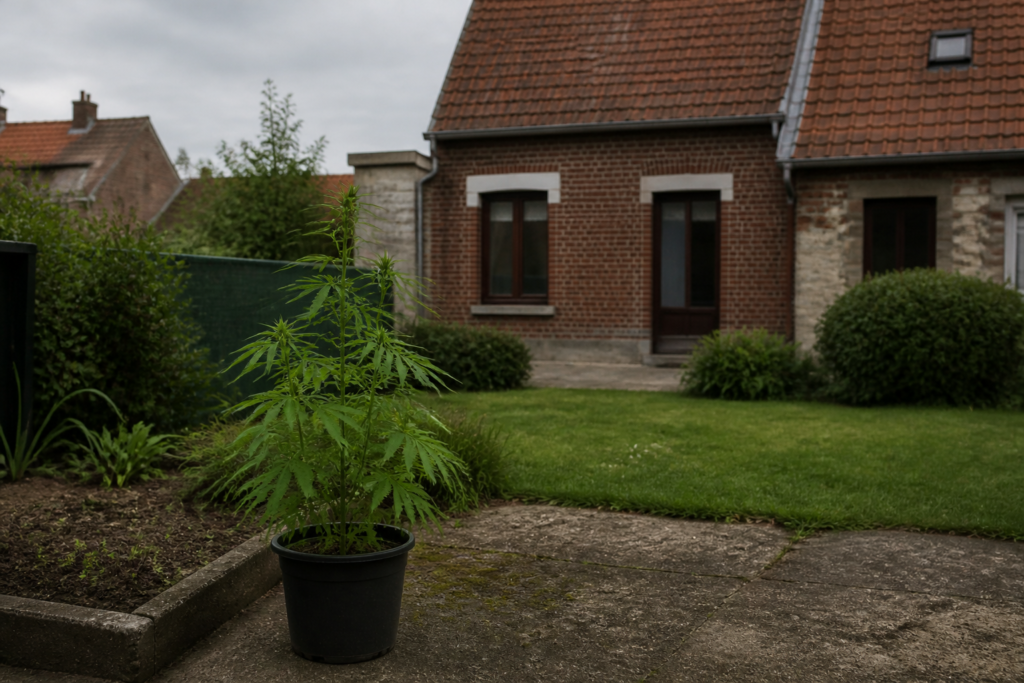
Indoor cultivation may be less visible, but it remains cultivation. A cupboard, tent, greenhouse, balcony or spare room does not change the legal nature of a THC-producing plant. It can also create additional practical concerns, including electrical risks, water damage, mold, odor and disputes with neighbors or a landlord.
Hemp, CBD and cannabis plants: important distinctions
One source of confusion about cannabis in Liévin is the use of the word cannabis for several different products. Industrial hemp varieties may be cultivated under specific French and European conditions, while illicit cultivation of high-THC cannabis remains prohibited. The legal distinction is not determined solely by a seed packet, a shop description or a claim that a plant is “CBD.”
Authorized hemp cultivation is subject to conditions that can include approved varieties, THC limits, agricultural requirements and rules concerning the parts of the plant that may be harvested or marketed. These conditions are designed for compliant agricultural operators, not as a general home-growing exemption for individuals.
Buying CBD flower or a hemp product legally does not necessarily mean that a resident may grow the same-looking plant from a seed, cutting or clone. A product’s retail status and the legality of cultivating a plant are separate questions. Anyone considering commercial hemp should verify the current rules with the relevant agricultural and administrative authorities before planting.
What about seeds?
Seeds can be sold or possessed in contexts that do not authorize germination and cultivation. The legal analysis may change once a person grows plants, particularly plants capable of producing prohibited levels of THC. Treating seed purchase as proof that home cultivation is allowed is therefore unsafe.
Medical cannabis in Liévin
Searching for medical cannabis in Liévin can lead to another misunderstanding: medical access does not normally mean that patients may grow their own cannabis. French medical cannabis arrangements have been based on regulated medical and pharmaceutical channels, with eligibility, prescribing, dispensing and transitional rules determined nationally.
A patient should not plant cannabis as a substitute for an authorized treatment pathway. Instead, the appropriate route is to discuss symptoms and treatment options with a qualified healthcare professional. A doctor can explain whether an available treatment, referral or clinical pathway may be relevant. A medical reason may be important context in a case, but it is not a general home-cultivation authorization.
Rules surrounding medical cannabis can change as France develops its framework. For current treatment information, rely on official health guidance and healthcare professionals rather than social media claims or informal sellers.
Potential legal consequences of unauthorized cultivation
The consequences of cultivation depend heavily on the facts. French narcotics law distinguishes serious production offences from other conduct, and prosecution decisions may reflect the scale and apparent purpose of the activity. Possible consequences can include investigation, seizure of plants and equipment, questioning, prosecution, fines and imprisonment in serious cases.
Courts may also consider whether the person cultivated for personal use or distribution, whether the operation was organized, whether minors were exposed, whether the property was shared and whether other offences are alleged. Electricity tampering, theft, unsafe installations, threats, harassment or sales activity can create separate legal problems.
Do not assume that a low yield, a private location or the absence of previous convictions guarantees a particular outcome. The safest description is that unauthorized THC-cannabis cultivation carries legal risk, with the level of risk depending on the evidence and circumstances.
For the statutory wording, consult the French Penal Code on Légifrance, the official source for the current text of the Code pénal. Because legislation and court practice can evolve, a lawyer should review any active case or formal notice.
Local issues that can matter in Liévin
Although the core prohibition is national, local circumstances can bring a matter to attention. Odors, unusual electrical consumption, water damage, refuse, traffic or disputes between occupants and neighbors may prompt a report or intervention. A landlord, condominium manager or insurer may also respond to property damage or unauthorized alterations.
Municipal rules on noise, safety, waste and public order do not legalize cannabis cultivation. They can, however, create additional obligations or consequences unrelated to the narcotics offence itself. Residents should avoid assuming that a quiet neighborhood or a detached house makes the activity legally invisible.
This is also why information about weed in Liévin should be separated from claims about local “permission.” A local lack of publicity or enforcement is not the same as lawful cultivation.
What to do if you discover cannabis plants
- Do not move, destroy or sell the plants if they may be relevant to an investigation, especially when they belong to another person.
- Do not enter a restricted room or property without permission. Respect tenancy, ownership and personal-safety boundaries.
- Record practical safety concerns, such as exposed wiring, fire risk, water leaks or strong fumes, without handling equipment.
- Contact emergency services if there is an immediate danger, fire, violence or medical emergency.
- Seek legal advice promptly if you are questioned, searched, summoned or accused. Do not rely on anonymous online advice for a specific case.
People dealing with possession questions may also find it useful to compare the general principles discussed in our guide to cannabis possession regulations in Villejuif. For a different local context, our overview of cannabis laws and penalties in Saint-Pierre, Réunion illustrates why national rules and local circumstances should be considered separately.
Common myths about cannabis cultivation in France
- “One plant is always allowed.” There is no general French home-grow allowance based on a single plant.
- “CBD makes every cannabis plant legal.” CBD products, approved hemp varieties and unauthorized THC cultivation are not interchangeable categories.
- “Growing for yourself is not production.” Personal intent does not automatically eliminate the cultivation or production issue.
- “A medical condition gives permission to grow.” Medical circumstances do not generally create a personal cultivation right.
- “A private garden is outside the rules.” French criminal law applies on private property as well as in public places.
Practical legal checklist for residents
- Identify what is actually involved: industrial hemp, a CBD product, or a plant capable of producing prohibited THC levels.
- Do not germinate or cultivate plants unless you have confirmed a specific legal authorization and comply with every applicable condition.
- For commercial hemp, verify the permitted variety, THC requirements, documentation and agricultural rules before planting.
- Keep invoices, labels and compliance documents for lawful products, but understand that paperwork cannot legalize an otherwise prohibited crop.
- Obtain advice from a French lawyer if police, prosecutors, a landlord or an insurer has contacted you.
Conclusion
The central point of the cannabis cultivation laws in Liévin is straightforward: French national law does not generally permit residents to grow THC-rich cannabis at home for personal use. Hemp and CBD-related rules are narrower and condition-based, while medical access does not normally authorize self-cultivation.
Anyone researching cannabis laws in Liévin should distinguish legality from tolerance, retail CBD from plant cultivation, and personal use from production. When the facts involve a police inquiry, property dispute, safety concern or commercial hemp project, current advice from a qualified French professional is more reliable than assumptions based on plant count or online anecdotes.