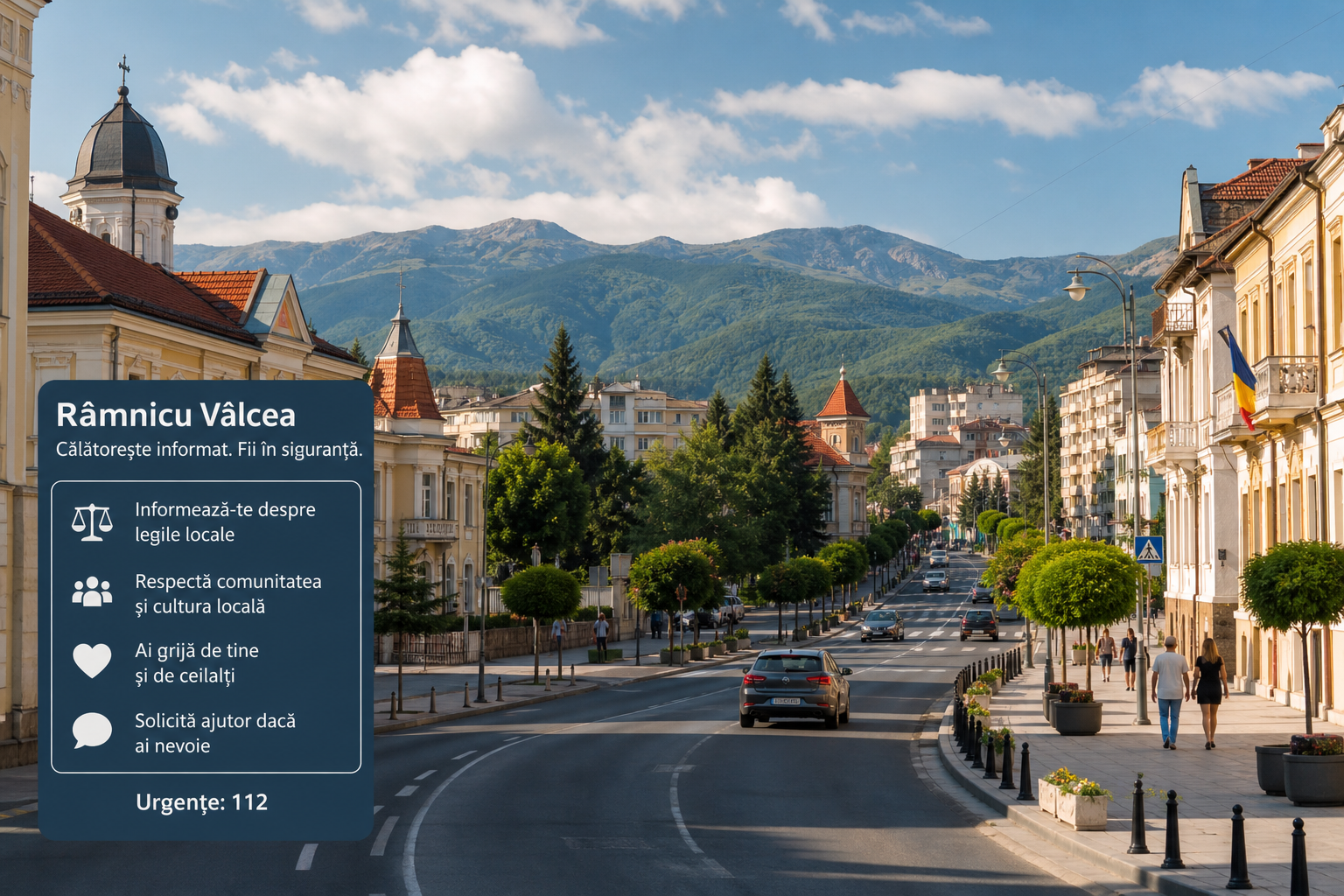
Cannabis consumption in Râmnicu Vâlcea should be understood through Romania’s national law, not through assumptions about local custom or what may be tolerated in another European country. Râmnicu Vâlcea has no separate city-level cannabis market or legal framework. Possession, purchase, cultivation, transport and supply can create serious legal consequences, while driving after using cannabis can create additional risks.
This guide explains the practical situation for residents, students, visitors and people seeking information about CBD or medical treatment. It does not provide legal advice and does not encourage illegal drug use. Romanian legislation and health guidance can change, so anyone facing a police investigation, prescription question or medical concern should consult an appropriate Romanian professional.
Cannabis laws in Râmnicu Vâlcea
The main rules in Vâlcea County are the same as elsewhere in Romania. National drug legislation distinguishes between categories of controlled substances, but cannabis remains subject to strict controls. The fact that cannabis may be decriminalised or regulated differently in another country does not change the position in Râmnicu Vâlcea.
Romanian law can penalise activities connected with controlled drugs, including acquiring, possessing, cultivating, selling, distributing, transporting or offering them. The seriousness of a case may depend on the substance, quantity, purpose, location, evidence and whether authorities allege personal use or trafficking. The official text of Romania’s Law No. 143/2000 on preventing and combating illicit drug trafficking and consumption is the appropriate starting point for checking the legal framework.
Personal possession is not made safe simply because an amount is small, because cannabis was obtained privately or because no money changed hands. Sharing with another person can raise different legal questions from private possession, and cultivation at home is not a reliable legal alternative to buying. A person who is searched, detained or questioned should avoid guessing about the law and should seek advice from a qualified Romanian lawyer.
What visitors should know
Visitors sometimes search for “weed in Râmnicu Vâlcea” expecting a tourist-oriented scene. That expectation can be dangerous. There is no lawful recreational cannabis retail system comparable to the regulated markets operating in some other countries. Buying from an informal seller can involve arrest, unknown product strength, contamination, scams or exposure to more serious criminal activity.
Do not carry cannabis across the Romanian border, even if it was legally purchased where you started your journey. International travel can involve customs, border and import offences in addition to domestic drug rules. The same caution applies to cannabis edibles, oils, vapes and products labelled as hemp or CBD.
Health risks and responsible decision-making
Cannabis affects attention, reaction time, memory, coordination and perception. The impact can vary with THC concentration, dose, previous experience, sleep, food, mental health, other medicines and the way the product is used. A product that feels manageable on one occasion may produce anxiety, confusion or impairment on another.
Short-term problems may include panic, dizziness, nausea, impaired judgement, rapid heartbeat and difficulty concentrating. Some people experience paranoia or severe disorientation. The risk is more concerning for adolescents, people with a personal or family history of psychosis, and anyone with significant anxiety, depression or cardiovascular problems.
Smoking can irritate the airways, while vaping is not automatically harmless. Edibles present a separate risk because effects may take longer to appear than expected. Taking more before the first dose has had time to act can result in unexpectedly intense and prolonged impairment. Combining cannabis with alcohol, sedatives or other psychoactive substances can make impairment and adverse reactions harder to predict.
When to seek urgent help
Call 112 or seek emergency medical assistance if someone has chest pain, trouble breathing, a seizure, loss of consciousness, extreme agitation, severe confusion, suspected poisoning or thoughts of self-harm. Stay with the person, keep the environment calm and tell medical staff what may have been taken. Giving an accurate account helps clinicians provide safer care; it is not a substitute for emergency treatment.
For non-urgent concerns, a family doctor, psychiatrist, psychologist or addiction specialist can help with anxiety, sleep problems, repeated use or difficulty stopping. The World Health Organization’s health information on cannabis provides a general evidence-based overview, but individual medical advice should come from a clinician who knows the patient’s history.
Cannabis and driving in Vâlcea
Driving after cannabis use is unsafe and may expose a driver to criminal proceedings. THC can affect reaction time, divided attention, lane control and judgement even when the person believes the effects have diminished. Combining cannabis with alcohol is particularly hazardous.
Romanian roadside testing and subsequent evidentiary procedures may create serious consequences after a traffic stop or collision. A driver should not rely on a personal feeling of sobriety, a claimed waiting period or an internet estimate about how long cannabis remains detectable. There is no dependable way to turn impaired driving into a safe choice.
The safest practical rule is simple: do not drive, cycle in traffic or operate machinery after using cannabis. Arrange a sober driver, use public transport or postpone the journey. This matters not only on busy roads in the city but also on rural routes and mountain roads around Vâlcea County.
CBD, hemp and medical cannabis in Râmnicu Vâlcea
Searches for “cannabis in Râmnicu Vâlcea” often refer to CBD oils, hemp products or medical treatment rather than recreational cannabis. These categories should not be treated as interchangeable. A product labelled CBD may contain THC, may have uncertain quality or may be marketed in a way that does not establish its legal status.
Before buying a CBD product, check its ingredients, intended use, supplier information, batch documentation and compliance claims. Avoid products with vague labelling, unrealistic therapeutic promises or no clear information about THC content. A shop’s assurance that a product is legal is not the same as an official determination, and carrying a product while travelling can create additional uncertainty.
Medical cannabis in Râmnicu Vâlcea is not the same as a general recreational dispensary system. Access to cannabinoid-based treatment depends on the specific medicine, indication, authorisation, prescription arrangements and Romanian rules in force at the time. Patients should discuss symptoms with a licensed doctor and obtain medicines only through lawful medical and pharmacy channels.
Do not replace prescribed treatment with an untested cannabis product or stop medication without medical guidance. Cannabis can interact with medicines and may complicate the management of epilepsy, mood disorders, pain, blood pressure and other conditions. A clinician can also consider alternatives with better-established dosing and safety information.
Practical harm-reduction principles
The safest option is not to use illegal cannabis. For people who are already using or are worried about someone else, practical steps can reduce immediate harm, although they cannot remove legal or health risks.
- Do not buy, sell, cultivate, transport or share illegal cannabis.
- Never drive or operate machinery after using cannabis.
- Do not combine cannabis with alcohol, sedatives or other drugs.
- Keep products away from children, pets and anyone who could mistake them for food.
- Do not use alone if there is a history of panic, fainting, psychosis or serious medical illness.
- Avoid unknown-strength products and do not assume that an edible or vape is harmless.
- Seek medical help for severe or unusual symptoms rather than waiting for them to pass.
- If use is becoming frequent, plan a conversation with a doctor or addiction professional.
These measures are health precautions, not legal protection. In Romania, possession of an illegal product can remain a serious issue regardless of whether the person used it carefully or intended to consume it privately.
How Râmnicu Vâlcea compares with other Romanian cities
Local circumstances can feel different from one city to another, but national legislation applies in Râmnicu Vâlcea just as it does in Bucharest, Sibiu, Pitești or Craiova. Our guides to cannabis regulations in Pitești and cannabis information in Sibiu provide comparable city-focused context.
That comparison is useful for understanding a broader point: the absence of visible enforcement, a local rumour or a social-media post does not establish legality. Regulations, court practice and enforcement priorities may develop over time, so current official information is more reliable than anecdotes.
What to do if you face a legal or health problem
If police contact you about suspected drug activity, remain calm, avoid obstructing officers and request legal assistance before making decisions you do not understand. Do not sign documents without understanding them, and do not assume that a foreign explanation of cannabis law applies in Romania.
If the issue is medical, tell the clinician what was used, approximately when, how it was taken and whether alcohol or other substances were involved. Honesty supports appropriate treatment. If the issue is repeated use, cravings or withdrawal symptoms such as irritability and sleep disruption, early professional support is usually more useful than waiting for a crisis.
Conclusion
Cannabis consumption in Râmnicu Vâlcea carries legal, health and road-safety risks that should not be underestimated. Romania’s national rules apply locally, informal supply is not a safe substitute for regulated access, and CBD or medical products require careful attention to ingredients and authorised channels. Residents and visitors can make safer decisions by avoiding illegal possession and supply, never driving after use, seeking medical help when needed and checking current information with official institutions or qualified professionals.