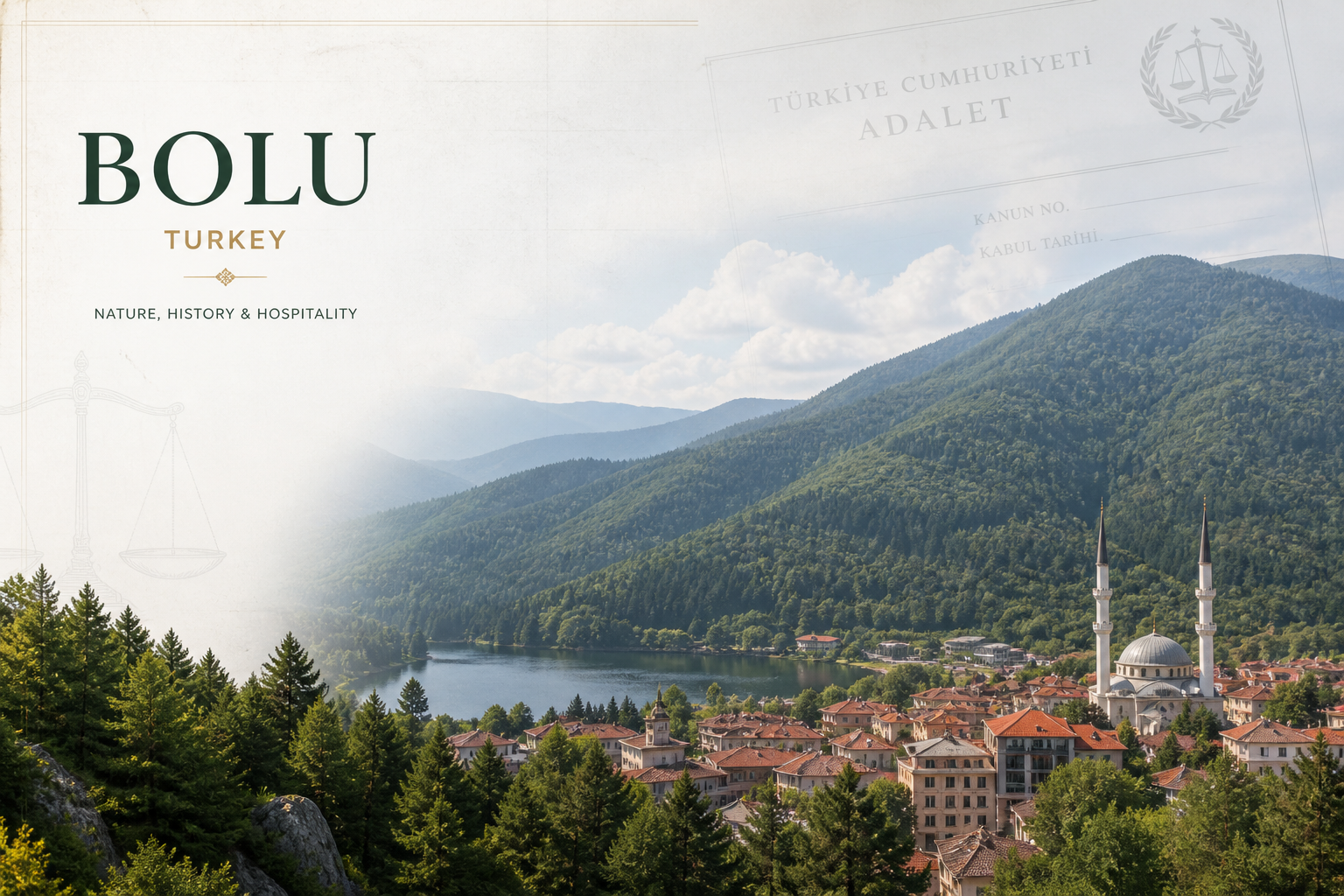
Understanding Cannabis access laws in Bolu, Turkey requires looking beyond local assumptions. Bolu does not have a separate city-level cannabis market or a special recreational-use framework. The principal rules come from Turkish national criminal, medicines, customs and controlled-substances regulations, which apply in Bolu as they do elsewhere in the country.
For residents, students, tourists and people passing through the province, the practical message is straightforward: recreational cannabis is not a lawful consumer product in Bolu. Possession, use, supply, importation and cultivation can create serious legal problems, while a product described as medical, hemp-derived or cannabidiol-based is not automatically legal. This guide explains the legal position without suggesting ways to obtain or conceal prohibited substances.
How cannabis laws in Bolu are determined
Bolu is a province in northwestern Turkey, but local geography does not create an independent cannabis-access regime. Police, prosecutors and courts apply Turkish national law. Municipal rules may affect public order, smoking areas or business licensing, but they cannot legalize possession or sale of a controlled narcotic.
That distinction matters when searching online for cannabis in Bolu. A social-media listing, informal recommendation or product label is not proof that an item is authorized. The legality of a substance depends on Turkish law, its ingredients, its intended use and the permissions held by the manufacturer or distributor.
Recreational access is not a lawful retail option
Turkey does not operate a regulated recreational cannabis retail system comparable to legal adult-use markets in some other countries. There are no lawful recreational dispensaries in Bolu where consumers can buy marijuana for personal use. Advertising, arranging a purchase or accepting delivery can also expose people to risk, even when the transaction does not take place in a public shop.
Visitors should not assume that a small amount, private use or a foreign prescription provides an automatic exemption. A prescription issued abroad does not by itself authorize a traveler to bring cannabis into Turkey or use it there. Controlled substances should be checked with the relevant Turkish authorities before travel, especially when a medicine contains cannabis-derived ingredients.
Possession, use and supply: the main legal risks
Turkish criminal law distinguishes between different conduct, but none of these distinctions should be interpreted as permission to possess cannabis. Personal possession or use may trigger criminal proceedings, treatment-related measures or other judicial consequences. Supplying, selling, transporting for distribution, importing or exporting is treated more seriously than personal possession.
The wording and application of the law depend on the evidence and circumstances. Quantity can be relevant, but it is not a reliable safety threshold. Police may consider packaging, communications, money transfers, travel activity and statements when assessing whether conduct may involve supply rather than personal use.
The official Turkish Penal Code text is the appropriate starting point for the statutory framework. Because Turkish legislation and court practice can change, anyone facing an investigation should obtain advice from a qualified lawyer in Turkey rather than relying on an online summary.
Public use and possession
Using or carrying cannabis in a public place can create additional practical problems. Police attention, identity checks, seizure of suspected substances and questioning may follow. Public consumption can also affect other allegations, such as disorderly conduct or violations of venue rules, depending on the circumstances.
Private settings do not remove the underlying prohibition. A hotel room, rented apartment, vehicle or private gathering should not be treated as a legally protected cannabis-use zone. Property owners and accommodation providers may impose stricter rules, and a complaint can bring law-enforcement attention.
Supply and trafficking allegations
Distribution-related allegations carry substantially greater exposure than simple personal-use cases. Sharing with another person, holding substances for someone else or arranging delivery may be interpreted in ways that the person did not expect. Cross-border movement is especially sensitive because customs and border controls add another layer of enforcement.
For that reason, online advice about “safe amounts,” delivery services or discreet purchasing should be treated with skepticism. There is no dependable Bolu-specific loophole that makes an unlicensed cannabis transaction lawful.
Medical cannabis in Bolu: what patients should verify
Searches for medical cannabis in Bolu often mix together several different issues: approved medicines, cannabis plant material, cannabidiol products, imported medicines and ordinary supplements. These categories are not interchangeable. A medicine may require approval, a prescription, pharmacy dispensing and documentation, while a product sold online may have no authorization at all.
Patients should discuss treatment with a licensed physician and ask whether an approved medicine is available through the Turkish healthcare system. The relevant regulator is the Turkish Medicines and Medical Devices Agency, known as TİTCK. Its official TİTCK website provides the appropriate institutional reference point for medicines and regulatory information.
Do not substitute cannabis bought informally for prescribed treatment. Unverified products may contain different concentrations than their labels state, contaminants, or psychoactive ingredients. They may also create legal exposure even if the seller describes them as therapeutic.
Traveling with cannabis-related medication
Travelers who use a controlled medicine should plan before entering Turkey. Keep the medicine in its original packaging and carry relevant medical documents, but do not assume that those documents guarantee admission. Requirements can vary according to the active ingredient, dosage form, quantity and current border rules.
The safest approach is to obtain written confirmation from an appropriate Turkish authority or consular source before departure. If confirmation cannot be obtained, carrying cannabis, cannabis flower, extracts or edible products across an international border presents avoidable risk.
Hemp, CBD and cannabis-labelled products
Industrial hemp is not the same as recreational marijuana, but that difference does not make every hemp product freely available. Cultivation, seed use, production and processing can be subject to permits and agricultural or industrial controls. Private cultivation of cannabis plants should not be treated as a lawful experiment.
CBD products require particular caution. Labels such as “hemp,” “natural,” “THC-free” or “wellness” do not establish that a product complies with Turkish rules. Oils, cosmetics, foods, vape liquids and supplements may fall under different regulatory systems, and an imported product that is legal in another country may still be restricted in Turkey.
When considering a product in Bolu, check its exact ingredients, authorization status, seller credentials and intended category. If the seller cannot provide reliable regulatory documentation, avoiding the product is safer than relying on marketing language.
Enforcement and what to do after a police stop
Enforcement can occur at roads, transport hubs, accommodation, nightlife venues or other locations. A person may encounter searches, questioning or seizure of an item suspected to be an illegal substance. The outcome depends on the facts, available evidence and decisions by law-enforcement and judicial authorities.
- Remain calm and avoid confrontation.
- Do not sign a document you do not understand without requesting a qualified interpreter or legal assistance.
- Ask to contact a lawyer, particularly if you are detained or questioned as a suspect.
- Do not make assumptions based on the substance’s appearance or a seller’s description.
- Contact your embassy or consulate if you are a foreign national and need assistance with communication or local procedures.
These steps are general safety information, not a substitute for Turkish legal advice. If a case has already begun, prompt advice from a lawyer familiar with criminal and controlled-substance matters is important.
How Bolu compares with other Turkish locations
The core rules in Bolu are national, so residents should be cautious about articles that imply another Turkish city has a legal recreational market. For a comparison focused on possession-related risks, see this guide to marijuana possession laws in nearby Düzce. The location changes, but the broader lesson remains: local popularity or informal availability does not equal legal access.
Readers researching health information may also find useful context in the guide to cannabis, health and social context in Kütahya. Such regional comparisons can help explain public-health and legal themes, but they should not be read as evidence of different possession rights in Bolu.
Practical legal alternatives and safer choices
If the goal is pain relief, sleep support, anxiety care or another health outcome, start with a licensed healthcare professional. Evidence-based treatment may involve a diagnosis, approved medicines, counseling, physiotherapy or other options that do not create cannabis-related criminal risk.
Visitors who want to avoid problems should not carry cannabis products into Bolu, buy them locally, accept packages for another person or rely on online claims about legal access. Keep ordinary medicines in their original packaging and verify travel requirements for any controlled medication before arrival.
For businesses, researchers and agricultural operators, the responsible path is to identify the applicable Turkish permits before planting, importing, processing, testing or selling hemp-related materials. Commercial interest alone does not authorize cannabis cultivation or distribution.
Conclusion
Cannabis access laws in Bolu, Turkey are governed primarily by Turkey’s national framework rather than a special local policy. Recreational cannabis is not a lawful retail product, and possession, use, supply, importation and unlicensed cultivation can carry serious consequences. Medical and hemp-related products must be assessed by their exact ingredients, authorization and documentation, not by labels or informal assurances.
The most reliable approach is to use official Turkish sources, confirm medicine and travel requirements in advance, and obtain qualified legal or medical advice when circumstances are personal or urgent. Avoiding unlicensed products and informal transactions remains the clearest way to reduce legal and health risks in Bolu.