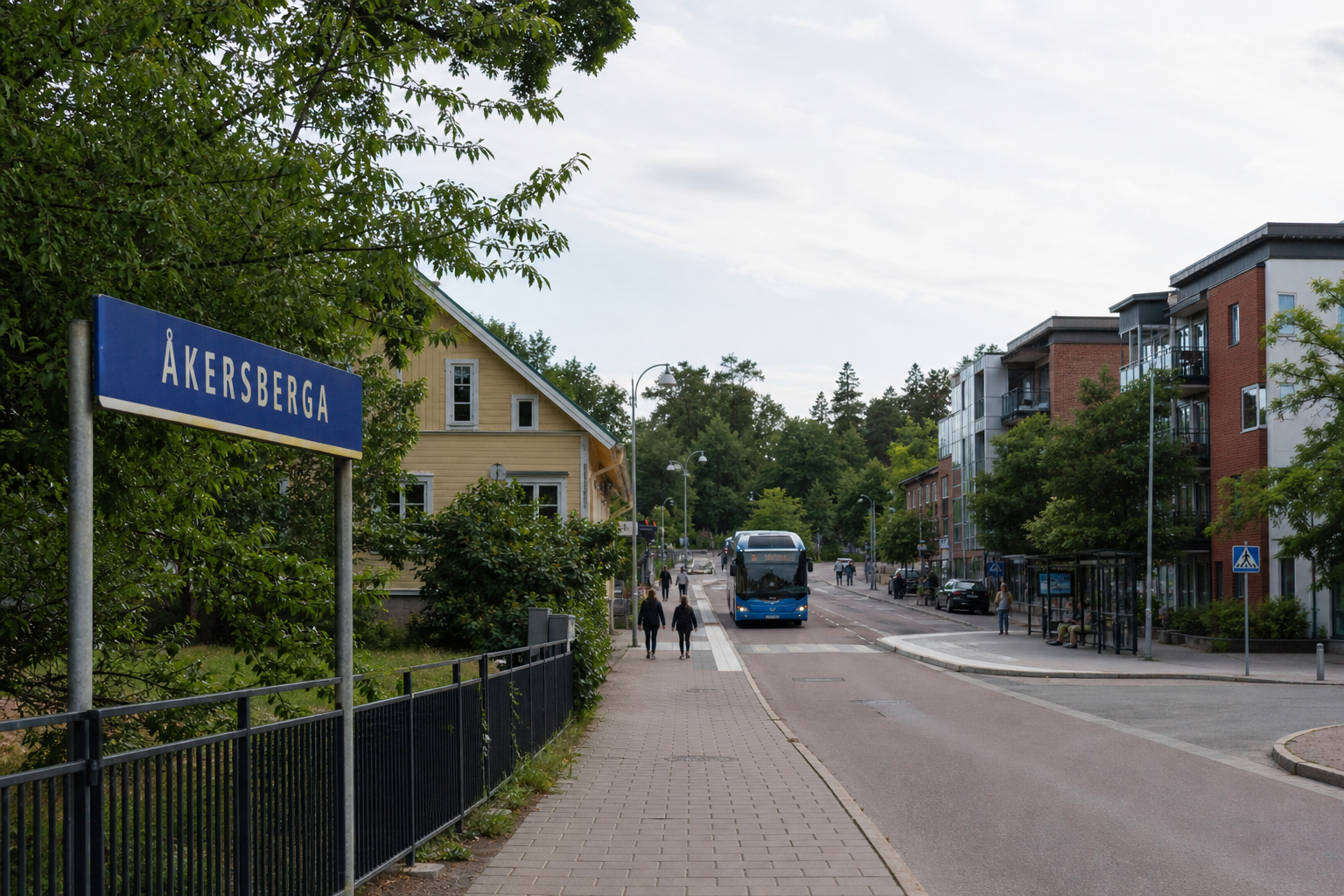
Cannabis lifestyle in Åkersberga is best understood through Sweden’s strict legal framework, public-health approach and the everyday realities of a suburban community north-east of Stockholm. People may search for weed in Åkersberga because they are curious about cannabis culture, CBD products, medical treatment or the risks of possession. Those subjects are not interchangeable, however. Swedish law treats cannabis as a narcotic, while some hemp-derived products may fall under different rules depending on their ingredients and how they are marketed.
This guide is intended as practical, non-judgmental information. It does not promote illegal drug use, provide purchase instructions or replace advice from a doctor, pharmacist, lawyer or the police. For a broader comparison of local legal and health discussions, see the guide to cannabis information in Södertälje and the article on cannabis education in Lidingö.
Cannabis lifestyle in Åkersberga and the Swedish legal context
Åkersberga is part of Österåker Municipality in Stockholm County. Local geography does not create a separate cannabis market or a special legal category: Swedish national law applies in Åkersberga in the same way it applies elsewhere in the country. Possession, use, transfer, cultivation and production of cannabis can all have legal consequences. The seriousness of a case depends on factors such as the substance, quantity, conduct involved and the circumstances established by authorities.
Sweden’s approach is restrictive. Cannabis is not legally available for recreational use, and a person should not assume that private consumption is automatically outside the law. Drug-related offences may also affect travel, employment, housing or contact with authorities, depending on the circumstances. Anyone facing an investigation should seek independent legal advice rather than relying on social media or informal local claims.
Official information can change as legislation, enforcement guidance and court interpretations develop. The Public Health Agency of Sweden provides national information about public health and substance use, while legal questions may require advice from a qualified Swedish lawyer.
Why local rumours can be misleading
Online discussions sometimes describe Åkersberga, Stockholm or nearby communities as if they had their own rules. They do not. A claim that cannabis is “tolerated” in a particular neighbourhood does not make possession lawful. Nor does a product being labelled natural, herbal, legal or CBD prove that it complies with Swedish requirements.
The safest way to assess a claim is to separate three questions: what the product contains, what activity is taking place and which national rules apply. This is more reliable than treating a shop listing, a forum post or a friend’s experience as legal guidance.
What people may mean by cannabis in Åkersberga
The phrase cannabis in Åkersberga can refer to several very different topics. A useful discussion should distinguish psychoactive cannabis, prescribed medicines, industrial hemp and consumer products sold as CBD. The name on a package is not enough to establish its legal status.
- Recreational cannabis: Marijuana and hashish containing intoxicating cannabinoids are illegal for non-medical use in Sweden.
- Medical cannabis: Some cannabinoid-based medicines may be prescribed in specific clinical circumstances, but this does not create a general right to possess or use cannabis.
- Industrial hemp: Hemp grown or processed under applicable rules is not the same as recreational cannabis. Cultivation and products still need to meet relevant requirements.
- CBD products: Products can raise separate questions involving THC content, food law, medicine regulation, cosmetics rules and product safety. A CBD label alone is not a guarantee of legality or quality.
These distinctions matter when reading health advice or evaluating a product. A prescribed medicine dispensed through the healthcare system is not legally equivalent to an unregulated cannabis product bought from an unknown source.
Cannabis laws in Åkersberga: practical questions
Can adults legally buy recreational cannabis?
No. Sweden does not operate licensed recreational cannabis shops. A person should be cautious of anyone claiming to offer a lawful dispensary, delivery service or private club for recreational cannabis in Åkersberga. Advertising language may create a false impression of legality, and purchasing from an unverified source adds risks involving contamination, fraud, unknown potency and law enforcement.
Can cannabis be used at home?
Private space does not automatically remove legal risk. Possession and use remain relevant under Sweden’s narcotics legislation, including when activity takes place away from public view. Smoking or vaping can also affect neighbours and other household members through odour or second-hand exposure, but the central issue is still the legal status of the substance.
What about travelling with cannabis?
Taking cannabis across borders is particularly risky. Rules in another country do not override Swedish law when entering or leaving Sweden. A medicine legally prescribed elsewhere may also require documentation and may not be accepted automatically. Travellers should check current official requirements before carrying any controlled medicine and should never assume that a product purchased abroad can be brought home.
Health considerations and safer decision-making
Cannabis can affect attention, reaction time, memory, coordination and judgement. Effects vary according to the product, dose, route of administration, frequency of use, individual health and whether alcohol or other substances are involved. High-potency products can make unwanted effects more likely, while edibles may take longer to produce effects and can be difficult to judge.
Possible short-term problems include anxiety, panic, confusion, dizziness, impaired driving and vomiting. Regular or heavy use can become difficult to control and may interfere with study, work, relationships, sleep or finances. Some people may be especially vulnerable to mental-health problems, including those with a personal or family history of psychosis or severe mood disorders.
There is no reliable way to make illegal cannabis risk-free. Practical risk reduction means not driving or cycling while impaired, not mixing cannabis with alcohol or sedatives, avoiding unknown products and seeking help early if use begins to feel difficult to manage. People who are pregnant, breastfeeding, under legal age or taking medicines should discuss risks with a healthcare professional rather than relying on online advice.
When urgent help is needed
Call emergency services if someone has severe breathing problems, chest pain, a seizure, loss of consciousness, extreme confusion, serious injury or symptoms suggesting a dangerous reaction. Stay with the person, provide honest information to medical staff and do not encourage them to take more substances. For non-emergency health questions, Sweden’s healthcare advice service, 1177 Vårdguiden, is an appropriate starting point.
Medical cannabis in Åkersberga
Searches for medical cannabis in Åkersberga often reflect a genuine need for pain, nausea, spasticity or other symptom support. The right route is a clinical assessment, not self-medication. A doctor must consider the diagnosis, existing treatments, potential interactions, mental-health history and the strength of evidence for a cannabinoid-based medicine.
Patients should tell healthcare professionals about all substances they use, including CBD oils, supplements and products bought online. This information helps clinicians assess side effects and interactions. It is also important to distinguish a regulated prescription medicine from a product sold with medical-sounding claims but no dependable testing or authorised indication.
A patient who thinks a prescribed treatment is causing problems should contact the prescriber or pharmacy for advice. Stopping or changing a medicine without guidance can create additional health risks. If a treatment is prescribed, follow the instructions, keep it securely stored and do not share it with another person.
CBD, hemp and shopping claims
CBD is not the same as intoxicating THC, but CBD products are not automatically harmless or legally uncomplicated. Products may be inaccurately labelled, contain more THC than expected or include other ingredients that have not been properly assessed. Oils, foods, cosmetics and medicines may also be governed by different regulatory systems.
Before considering any hemp or CBD product, check:
- Whether the seller identifies the producer, ingredients and intended use clearly.
- Whether independent laboratory testing is available and relates to the exact batch.
- Whether the product makes medical claims that suggest it should be treated as a medicine.
- Whether the product is intended for food, cosmetics, inhalation or another use, since safety requirements can differ.
- Whether the product could interact with prescribed medicines or affect a drug test.
Do not treat a “THC-free” claim as proof without reliable testing, and do not assume that a product legal in another European country is automatically lawful in Sweden. When in doubt, ask a pharmacist or relevant Swedish authority before buying or importing it.
Everyday life, privacy and community concerns
A cannabis lifestyle is sometimes presented online as a simple cultural identity, but real-world consequences can be more complicated. Odour, impaired behaviour, discarded paraphernalia and conflict in shared housing can affect neighbours and family members. Parents and guardians may also need age-appropriate conversations about cannabis without exaggerating claims or normalising unsafe use.
A constructive local conversation focuses on health, evidence and support rather than stereotypes. People who are worried about someone’s use can describe specific observations, listen without immediately judging and encourage contact with healthcare or counselling services. If there is immediate danger, violence or a medical emergency, contact the appropriate emergency service.
Respecting privacy without ignoring safety
Neighbours should avoid public accusations based only on smell or rumours. At the same time, concerns about impaired driving, threats, exploitation or children being exposed to dangerous situations should not be dismissed. Record factual observations, avoid confrontation when emotions are high and use appropriate professional channels.
How to find reliable information in Åkersberga
Good information should identify the country, date and type of source. Swedish national agencies, healthcare providers, pharmacies and qualified legal professionals are more dependable than anonymous accounts or sales pages. Look for clear distinctions between law, medical evidence and personal opinion.
- Check the current Swedish legal position before acting on advice from another country.
- Identify the exact substance or product, including THC and CBD content where available.
- Ask a healthcare professional about symptoms, medicines, interactions and dependence concerns.
- Use emergency services for severe or rapidly worsening symptoms.
- Keep personal decisions private and lawful, especially around children, driving and shared housing.
For readers comparing local discussions, regional articles can provide context, but they should not replace official guidance. Local search results may also mix legal CBD information with illegal recreational offers, so examine the wording and source carefully.
Conclusion
Cannabis lifestyle in Åkersberga is not defined by a separate local cannabis culture or special rules. The practical picture comes from Swedish national law, public-health evidence, regulated healthcare and the everyday responsibilities of living in a connected community. Recreational cannabis remains illegal, medical treatment must follow professional assessment, and CBD or hemp products require careful checking rather than assumptions.
Whether your interest concerns weed in Åkersberga, health, policy or a possible medical treatment, the most responsible approach is to verify the law, avoid unknown products, prevent impaired driving and seek qualified help when needed. Clear information is more useful than rumours, and early support can reduce harm for individuals, families and the wider community.