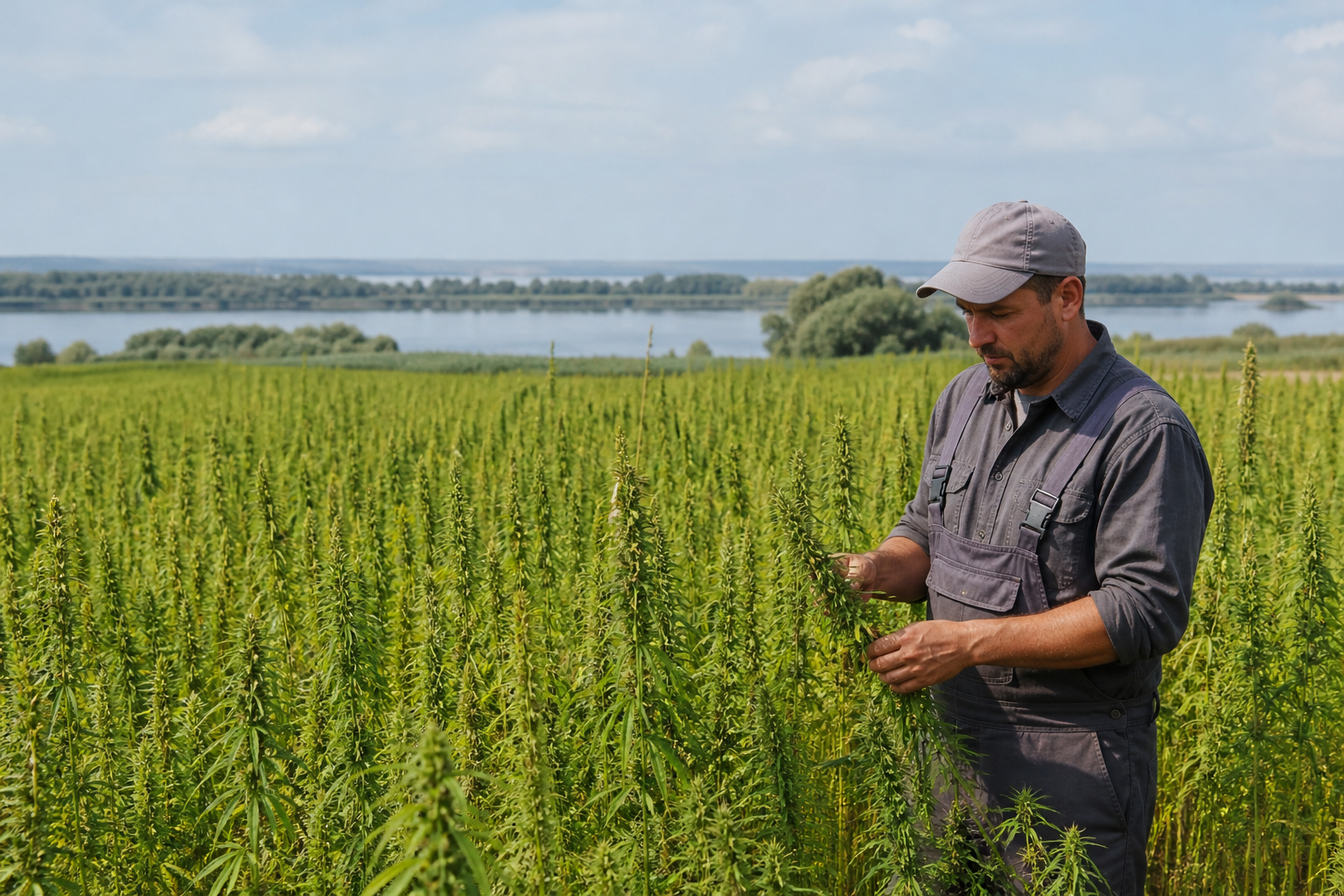
The Cannabis industry in Tulcea is best understood as a developing conversation about industrial hemp, regulated CBD products, medical research, agriculture and public health—not as evidence of a legal recreational marijuana market. Tulcea’s position near the Danube Delta, its agricultural surroundings and its connections with larger regional centres create potential for carefully regulated hemp-related activity. However, Romanian law remains restrictive around cannabis containing controlled levels of THC, and local geography does not create an exception.
This guide explains what the sector can realistically include, how to distinguish hemp from marijuana, what businesses and visitors should check, and why responsible development matters in a sensitive natural and social environment.
What the cannabis industry in Tulcea actually includes
In everyday language, “cannabis industry” can refer to very different activities. A useful local analysis separates lawful, regulated hemp commerce from the possession, sale or cultivation of controlled cannabis. In Tulcea, the most credible areas for discussion are likely to involve agricultural supply chains, food and fibre products, compliant cosmetics, laboratory work, health education and specialist retail.
- Industrial hemp: Hemp grown for fibre, seed or other approved uses may form part of an agricultural value chain, but cultivation and products must meet applicable rules.
- CBD and hemp products: Products marketed as CBD, hemp food or cosmetics require careful checking of composition, labelling and the rules applying to their category.
- Medical and scientific work: Research and medicinal products operate through formal authorization, professional oversight and pharmacy or institutional channels.
- Education and compliance: Training, testing, traceability and public-health information are important services in any emerging sector.
These categories should not be confused with unlicensed dispensaries or informal sellers. A shop using the word “cannabis” in its branding is not automatically authorized to sell THC-rich products.
Cannabis laws in Tulcea: the national framework applies
There is no separate municipal cannabis regime for Tulcea. The main rules are set nationally, so residents and visitors should assess cannabis laws in Tulcea through Romanian legislation rather than relying on advertising, social-media claims or practices reported from another country.
Romania treats cannabis and cannabis resin as controlled substances. Unauthorized possession, purchase, distribution, cultivation and sale can create serious criminal or administrative consequences depending on the conduct and circumstances. The fact that a product is called “hemp,” “CBD” or “legal weed” does not settle its legal status. Ingredients, THC content, intended use, documentation and the product’s regulatory category all matter.
For the current wording of Romanian legislation, consult the official Romanian legislation portal. Businesses should also obtain advice from a Romanian lawyer or compliance specialist before importing, cultivating, processing or selling any cannabis-related product.
Why product labels are not enough
Labels can be incomplete, translated poorly or inconsistent with laboratory results. A responsible buyer or business should look for a clear producer identity, batch information, ingredients, intended use, warnings and credible testing documentation. Even then, a certificate of analysis does not by itself make a product lawful; legal classification and supply-chain obligations still apply.
Travellers should be especially cautious about carrying cannabis, cannabis extracts or unidentified CBD products across borders. Rules in a destination country do not override Romanian law, and border controls can involve additional legal risks.
Industrial hemp and agriculture around Tulcea
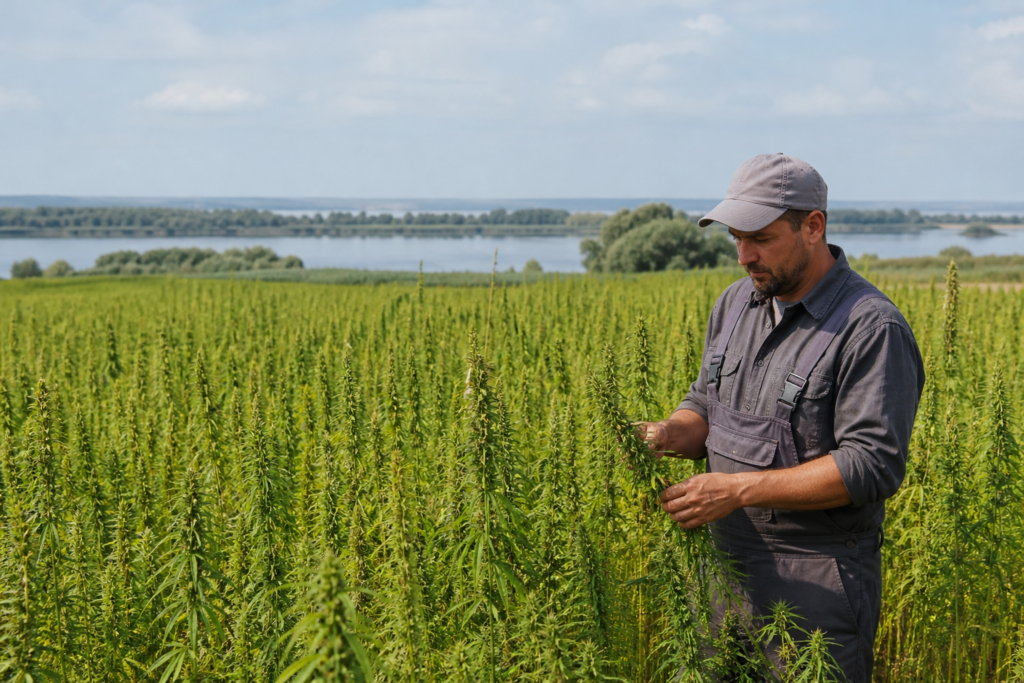
Industrial hemp is the part of the sector with the clearest connection to farming, but it is not an unregulated shortcut into the marijuana market. Growers need to establish which varieties are permitted, what documentation is required, where seed may be sourced, how fields must be recorded and whether testing or inspections apply. Those questions should be answered before planting rather than after a crop has been established.
Tulcea’s location makes environmental responsibility particularly important. The Danube Delta is an ecologically sensitive region, and agricultural or processing projects must respect protected-area rules, water management requirements, land-use restrictions and local permits where applicable. A proposed hemp project should therefore be assessed not only for profitability but also for its effect on soil, water, biodiversity, transport and neighbouring communities.
What a responsible hemp business should plan for
- Written confirmation that the proposed variety and cultivation model are permitted.
- Documented seed origin, field records and a traceable chain from farm to buyer.
- Testing arrangements that can identify THC content and other relevant contaminants.
- Clear separation between industrial raw materials and controlled cannabis products.
- Appropriate agricultural, environmental, food, cosmetic or commercial authorizations.
- Accurate advertising that does not imply unapproved medical benefits.
Local entrepreneurs can also look beyond cultivation. Processing, packaging, quality assurance, fibre products, agricultural services and compliance support may offer more sustainable opportunities than trying to imitate recreational markets in countries with different laws.
CBD products and the meaning of “weed in Tulcea”
People searching for weed in Tulcea may be looking for recreational cannabis, CBD, hemp tea, cosmetics or general information. Those are not interchangeable. CBD is a compound associated with hemp and cannabis, while THC is the compound most associated with intoxication. A CBD label does not guarantee the absence of THC, consistent strength or legal compliance.
Consumers should avoid products sold without an identifiable manufacturer, ingredient list or batch information. They should also be wary of products presented as cures for cancer, anxiety, epilepsy or other conditions without approval and medical supervision. Online sellers may ship products from jurisdictions with different standards, creating risks for both the buyer and the seller.
The safest approach is to ask what the product is, how it is regulated, whether it has been tested and whether the seller can provide verifiable documentation. Anyone taking prescription medicines should discuss CBD or other cannabis-derived products with a qualified clinician or pharmacist because interactions and side effects are possible.
For comparison, readers can review our practical guide to hemp products and regulations in Constanța, while remembering that a nearby city does not replace national legal advice.
Medical cannabis in Tulcea: access, evidence and caution
Interest in medical cannabis in Tulcea should be separated from claims about informal products. Medical treatment must involve a qualified healthcare professional, an appropriate diagnosis and a product that is lawfully authorized for the relevant use. A person should not substitute untested oils, flowers or edibles for prescribed care.
Availability can depend on the medicine, authorization status, prescribing rules and pharmacy supply. Patients should ask a doctor or pharmacist about recognized treatment options rather than assuming that a cannabis-branded product is a medicine. They should also report adverse effects and avoid driving or operating machinery if a treatment can impair alertness.
Romanian public-health and regulatory information can change. The Romanian Ministry of Health is a suitable starting point for official health information, although individual treatment decisions belong with healthcare professionals.
Business opportunities and barriers in Tulcea
A mature cannabis-related economy would need more than retail demand. It would require reliable testing, transparent contracts, trained workers, responsible finance and regulators able to distinguish lawful hemp from controlled cannabis. Tulcea businesses considering entry into the field should begin with a legal and technical feasibility review.
Promising areas for legitimate enterprises
- Hemp fibre and seed processing where all agricultural and product rules are met.
- Laboratory testing and traceability services for farms and manufacturers.
- Packaging and logistics designed for regulated food, cosmetic or industrial products.
- Professional education for retailers, farmers and consumers.
- Research partnerships with accredited institutions.
- Non-intoxicating products with transparent composition and realistic claims.
The principal barriers include uncertain classification, changing European and national requirements, testing costs, reputational risk and the possibility of criminal liability for mistakes involving THC. A business plan should budget for legal review, insurance, laboratory verification and product recalls rather than treating compliance as an afterthought.
Responsible tourism and public health
Tulcea is strongly associated with nature travel and the Danube Delta. Cannabis should not be promoted as a tourism attraction where possession or use may violate Romanian law. Visitors should never consume an unknown product before travelling by boat, driving, swimming or participating in outdoor activities. Intoxication can increase accident risk and reduce judgment in environments where weather, water and remote locations already create hazards.
Local information campaigns can be more useful than sensational promotion. Clear messages should explain the difference between hemp and marijuana, the risks of impaired driving, the limits of CBD claims and the importance of seeking medical help when needed. A wider comparison is available in our guide to cannabis tourism and responsible travel in Galați.
For broader regional context, readers may also find our overview of cannabis legality in Brăila useful. The same principle applies there: national Romanian rules matter more than city branding.
How residents and visitors can make safer choices
- Check official Romanian sources before buying, carrying or cultivating anything cannabis-related.
- Do not assume that a foreign legal market model applies in Tulcea.
- Ask sellers for a full product identity, ingredients, batch details and testing evidence.
- Avoid unverified medical claims and consult a clinician about therapeutic use.
- Never drive, operate equipment or enter the water while impaired.
- Businesses should obtain legal, agricultural, environmental and product-specific advice before operating.
Conclusion
The cannabis industry in Tulcea is more realistically a regulated hemp, research, product-quality and public-health discussion than a conventional recreational market. Industrial hemp may offer opportunities when cultivation, processing and environmental requirements are met. CBD and medical products require careful classification, credible documentation and professional guidance. Controlled cannabis remains legally risky, and informal sellers cannot provide the certainty that consumers or businesses need.
For Tulcea to benefit from legitimate innovation, development should focus on traceability, science, lawful agriculture, environmental protection and honest communication. That approach supports local enterprise without encouraging unsafe consumption or misleading claims.