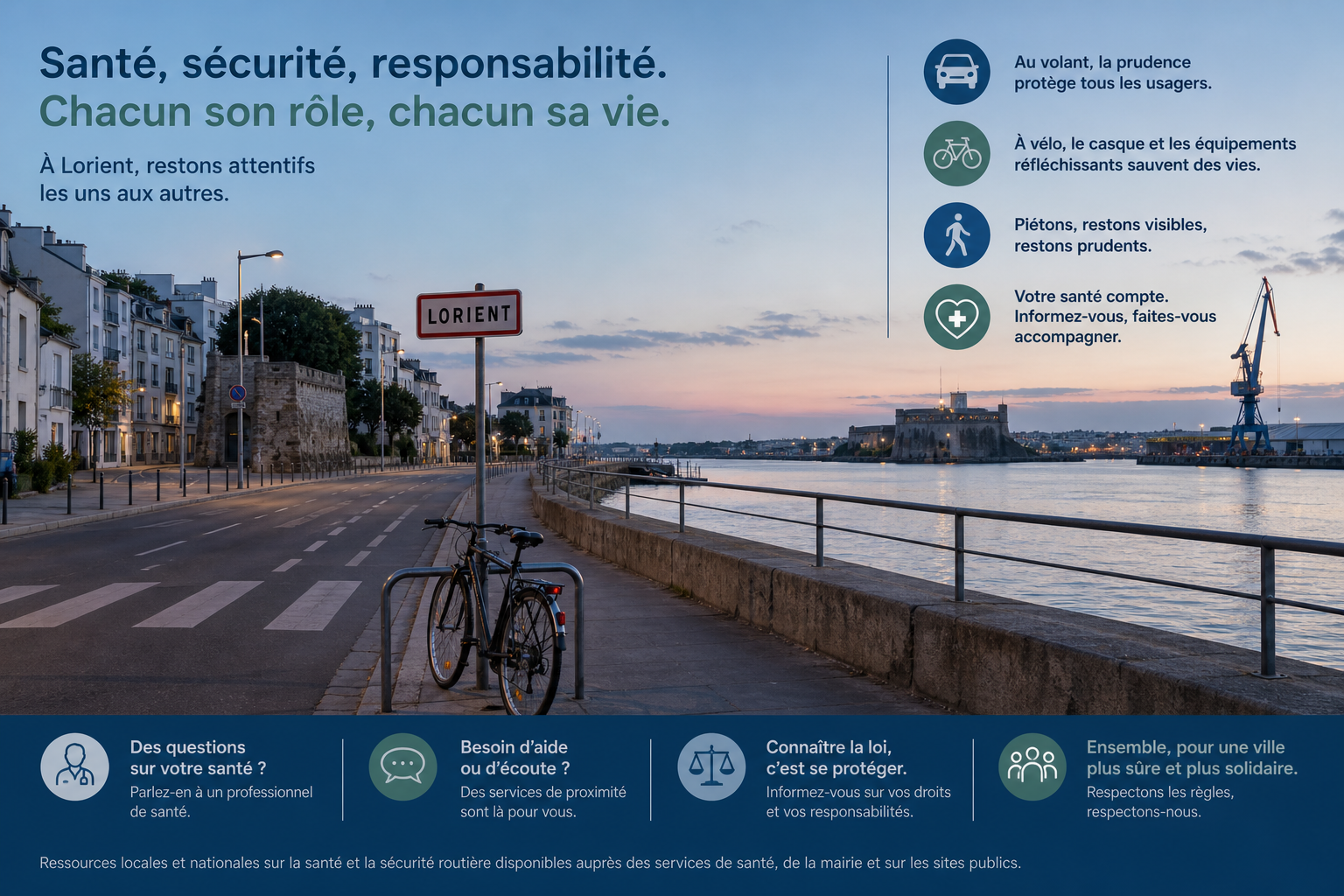
Understanding cannabis risks in Lorient requires looking at more than whether a product is available. Residents, students and visitors should consider French drug law, possible effects on health, impaired driving, product strength and what to do if someone becomes unwell. Lorient’s coastal setting, nightlife, festivals and busy road network do not create a separate cannabis legal framework: national French rules apply in the city and throughout Morbihan.
This guide provides general, practical information rather than medical or legal advice. It does not encourage cannabis use. The safest option is not to use cannabis, particularly for young people, pregnant individuals, anyone with a history of psychosis or severe anxiety, and people who must drive, operate equipment or make safety-critical decisions.
What the law means for cannabis in Lorient
Recreational cannabis remains prohibited in France. Possessing, buying, selling, transporting, cultivating or supplying cannabis can expose a person to legal consequences. The exact response depends on the circumstances, the quantity, the person’s history and whether other conduct is involved. A small amount is not automatically legal simply because it is intended for personal use.
In practice, law enforcement may deal with some simple-use cases through a fixed fine procedure, but this should not be mistaken for legalization or a guaranteed outcome. More serious cases, including trafficking, supply to others, cultivation or possession connected with other offenses, can lead to much more severe proceedings. The official French government information on drug use and penalties explains the legal framework and possible sanctions.
There is no Lorient-specific exception for cannabis in public places. Using or carrying it around the port, beaches, parks, transport areas, bars, accommodation or event venues can create legal and practical problems. A visitor should not assume that a relaxed atmosphere, a private party or a product sold as “light” removes the need to check what the law covers.
CBD is not the same as recreational cannabis
CBD products and cannabis products containing significant THC are different, but the label alone does not guarantee safety or legal certainty. CBD items can be incorrectly labelled, contaminated or contain more THC than expected. Some products may also affect drug tests. Buying from an informal seller makes it harder to verify ingredients, dosage and manufacturing standards.
Do not treat CBD as a way to make THC use lawful, and do not drive after taking a product if you are uncertain about its contents or effects. Rules and product requirements can change, so consumers should consult current official guidance rather than rely on social-media claims or advice from sellers.
Health risks of cannabis in Lorient
The health effects of cannabis depend on THC concentration, dose, frequency, route of administration, age, personal vulnerability and whether alcohol or other drugs are involved. Smoking can irritate the airways, while edibles can produce delayed and unexpectedly strong effects. Vaping is not risk-free, especially when the contents or device are poorly controlled.
Short-term effects
Possible short-term effects include impaired attention, slower reaction time, reduced coordination, drowsiness, altered perception of time and problems with short-term memory. Some people experience anxiety, panic, confusion, nausea or paranoia. These effects can be especially dangerous near traffic, water, heights, machinery or unfamiliar surroundings.
High-THC products can make a person feel detached from reality or severely distressed. Cannabis may also increase heart rate. People with cardiovascular conditions, a history of panic attacks or sensitivity to intoxicating substances should be particularly cautious and discuss concerns with a healthcare professional.
Longer-term and frequent-use concerns
Frequent or heavy use can affect memory, learning, motivation and daily functioning, although the degree of risk varies between individuals. Some users develop cannabis use disorder, characterised by difficulty cutting down, strong cravings, continued use despite problems and prioritising cannabis over work, study, relationships or health.
Regular smoking also exposes the lungs to irritants. Cannabis can worsen existing mental-health symptoms in some people, and early, frequent use is associated with greater concern for vulnerable adolescents and young adults. Anyone noticing persistent low mood, paranoia, sleep disruption, loss of control or declining performance should seek confidential medical advice rather than trying to manage the problem alone.
Young people, pregnancy and mental health
The developing brain is more sensitive to the effects of intoxicating substances. Teenagers and young adults may face greater risks to attention, learning and emotional stability, particularly when use is frequent or begins early. Adults should avoid normalising cannabis around minors and should store any substance securely and out of their reach.
During pregnancy or breastfeeding, avoiding cannabis is the safest approach because substances can reach the developing baby or infant. People with a personal or family history of psychosis, bipolar disorder or severe mental-health problems should speak with a clinician before considering any cannabis-based product. Cannabis is not a substitute for assessment or treatment.
Driving, cycling and public safety
Driving after cannabis is a major risk in Lorient just as it is elsewhere in France. Cannabis can affect reaction time, concentration, lane control and judgement even when a person feels less intoxicated. Combining it with alcohol can increase impairment. The safest rule is simple: do not drive, cycle in traffic or use an electric scooter after consuming cannabis.
French roadside enforcement can involve testing for cannabis, and a positive test can create serious legal and practical consequences. Waiting until the subjective effects have worn off is not a reliable guarantee that a test will be negative or that driving is safe. Arrange a sober driver, use public transport, take a taxi or stay where you are. The French Road Safety information on drugs and driving provides official guidance on impairment and enforcement.
Pedestrians also need to take care. Impaired attention can increase the chance of stepping into traffic, falling or misjudging a crossing. Near Lorient’s waterfront and coastal routes, intoxication can add risks around slippery surfaces, currents, boats and poor visibility.
Recognising a cannabis emergency
Most unpleasant reactions pass with time, reassurance and a calm environment, but severe symptoms require urgent help. Call 15 for medical emergency assistance or 112 for the European emergency number if someone has difficulty breathing, chest pain, a seizure, collapses, cannot be woken, becomes dangerously agitated or shows signs of severe confusion or psychosis.
While waiting for help, stay with the person, move them away from traffic or other hazards, keep the environment quiet and tell responders what was taken, how much and when if you know. Do not give more substances, force food or drink, or leave an unconscious person alone. If vomiting occurs, place a breathing person on their side and monitor them. Honest information helps clinicians provide safer care.
Reducing harm if someone chooses to use
Not using is the lowest-risk choice, but practical precautions can reduce some dangers. They do not remove legal, health or impairment risks.
- Avoid mixing cannabis with alcohol, sedatives, stimulants or other drugs.
- Do not use alone, particularly if the product is unfamiliar or highly concentrated.
- Avoid driving, swimming, climbing, cycling in traffic and operating machinery after use.
- Be cautious with edibles because effects can take much longer to appear and may last for hours.
- Do not share smoking or vaping equipment, and avoid products with unknown ingredients.
- Keep cannabis and edible products locked away from children and pets.
- Do not use cannabis to self-treat anxiety, pain, insomnia or other symptoms without medical advice.
If use is becoming difficult to control, confidential support is available through a doctor, pharmacist or specialist addiction service. Drogues Info Service offers information and support resources in France. A healthcare professional can help distinguish occasional side effects from a developing substance-use problem.
Medical cannabis in Lorient: avoid self-medication
Medical cannabis is not the same as buying recreational cannabis or using a CBD product for a health complaint. Access depends on French medical rules, authorised indications and professional supervision. A person should not stop prescribed treatment or replace it with cannabis without speaking to the prescriber.
If you are seeking medical cannabis in Lorient, start with your doctor or a qualified healthcare professional. Explain all medicines and supplements you use, because cannabis can interact with treatment and may worsen dizziness, sedation, anxiety or concentration problems. Keep a record of symptoms and side effects rather than relying on an informal recommendation.
Practical advice for residents and visitors
People searching for weed in Lorient may encounter unverified products, scams, police attention or pressure to carry substances for someone else. Do not transport cannabis for another person, accept an unknown package or assume that crossing a nearby border changes French rules. Bringing cannabis into France or taking it out of the country can create additional customs and criminal-law risks.
For broader regional context, readers can compare this topic with guidance on cannabis legal status in Saint-Nazaire and marijuana decriminalization in Quimper. These nearby-city articles should not replace current official advice: the national legal framework remains the key reference.
When planning an evening in Lorient, decide in advance how you will get home, keep valuables and personal documents secure, and stay with trusted companions. If a venue or event has a medical or security team, ask for help early rather than waiting for symptoms to become severe.
Conclusion
The main cannabis risks in Lorient involve impaired judgement, anxiety and other adverse health effects, dependence, unsafe driving, uncertain product contents and legal consequences under French law. Cannabis is not legal for recreational use in Lorient, and there is no safe way to combine it with driving or other high-risk activities. Avoiding use is the most reliable protection. If someone becomes seriously unwell, contact emergency services; if use is becoming difficult to control, seek confidential professional support promptly.