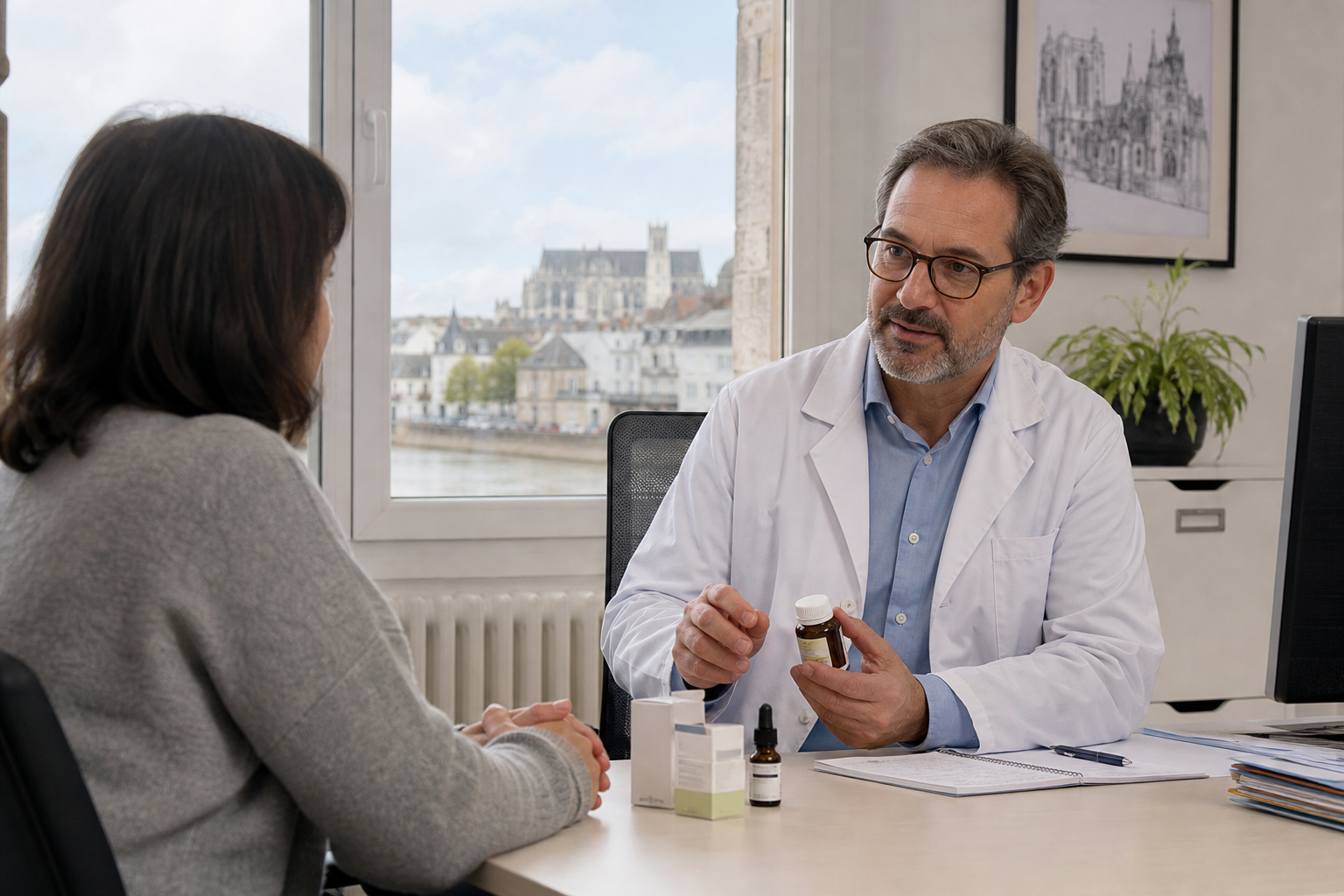
Therapeutic cannabis in Meaux is governed by French national health and medicines rules, not by a separate local cannabis market. For patients, the important questions are whether their condition qualifies, whether a specialist can prescribe within the applicable framework, how the medicine is dispensed, and what restrictions apply to driving, travel and everyday use.
Meaux residents should be cautious with online claims about local dispensaries or “legal weed in Meaux.” Medical cannabis is not the same as recreational cannabis, and products sold outside the regulated healthcare system may have uncertain strength, ingredients and legal status. This guide explains the practical process without replacing advice from a doctor or pharmacist.
What therapeutic cannabis means in Meaux
In France, therapeutic cannabis generally refers to cannabis-based medicines or preparations used under a medical framework for specific clinical situations. Access has been connected to a national experiment and evolving legislation, so the exact pathway can change. Patients should confirm the current position with the French medicines agency’s information on medical cannabis before beginning the process.
The framework is not a general authorisation to buy cannabis for any symptom. A cannabis-based treatment may be considered when standard treatments have been ineffective, poorly tolerated or unsuitable, depending on the patient’s diagnosis and the applicable rules. A doctor must assess the medical need, potential benefits, interactions and risks.
Medical cannabis in Meaux: who may be considered?
Eligibility is decided clinically rather than by residence in Meaux. A patient’s symptoms, diagnosis, treatment history and risk profile matter more than their postcode. Depending on the current French framework, cannabis-based treatment may be considered in serious or difficult-to-treat situations such as certain forms of severe pain, painful spasticity associated with neurological disease, difficult epilepsy, or severe symptoms linked to cancer or palliative care.
These categories should not be treated as an automatic entitlement. Similar symptoms can have different causes, and cannabis may be unsuitable for people with particular psychiatric histories, cardiovascular risks, pregnancy, a history of substance-use disorder or medicines that could interact with cannabinoids. A clinician should make the decision after reviewing the full medical record.
What to prepare for a consultation
- A list of current medicines, supplements and non-prescription products.
- Previous treatments, including benefits, side effects and reasons for stopping.
- Relevant reports, diagnoses and specialist letters.
- Information about alcohol, cannabis or other substance use.
- Questions about expected benefits, impairment, follow-up and stopping treatment.
Do not conceal non-medical cannabis use. Honest information helps a clinician assess tolerance, dependence risk and possible interactions. It can also prevent an unsafe dose being combined with an unregulated product.
How access usually works in Meaux
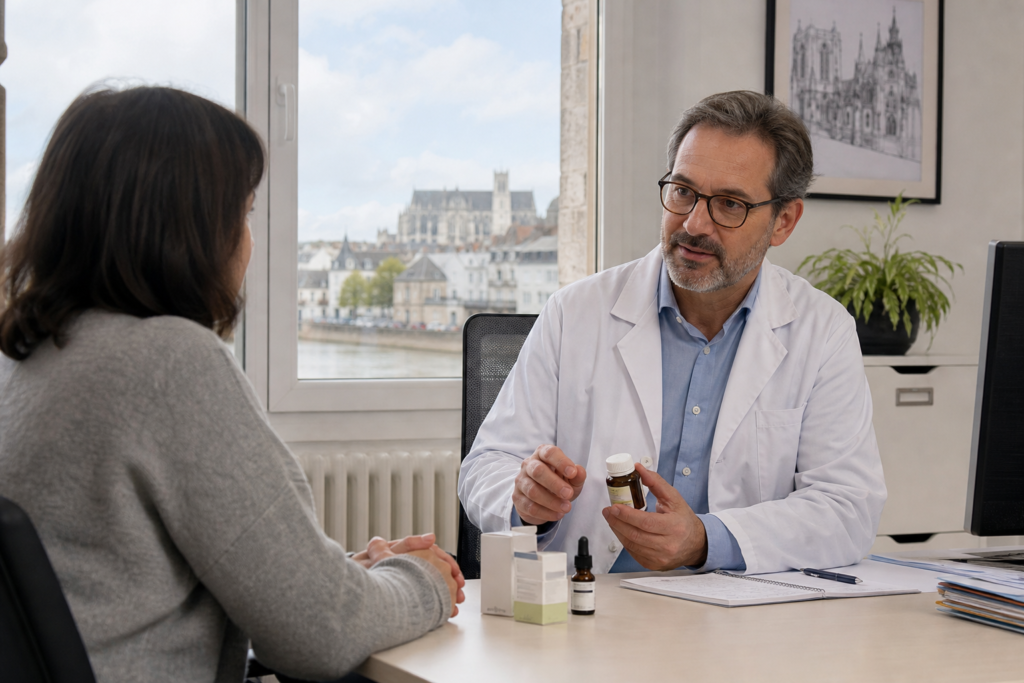
The first step is usually a discussion with a treating doctor, often your general practitioner or the specialist managing the underlying condition. That doctor may refer you to an authorised specialist or an appropriate hospital service if the treatment requires specialist initiation. The route depends on the current national system and the medicine or preparation being considered.
- Medical assessment: the doctor reviews the diagnosis, previous care, contraindications and treatment goals.
- Specialist decision: where required, an authorised specialist determines whether cannabis-based treatment is appropriate.
- Prescription and instructions: the prescriber explains the product, dose, titration schedule and follow-up plan.
- Pharmacy dispensing: the medicine is obtained through the regulated pharmacy pathway available under the current framework.
- Monitoring: follow-up checks symptom control, adverse effects, alertness, dependence risk and any need to change or stop treatment.
Patients in Meaux may need to use a hospital service or pharmacy elsewhere in Seine-et-Marne or the wider Île-de-France region. That does not mean the treatment is unavailable locally; it reflects the fact that specialist prescribing and dispensing arrangements are organised nationally.
For broader context on how French access questions are handled in another city, see this guide to medicinal marijuana access and safer care in Cholet. The legal framework remains national, so local articles should be used for practical context rather than as a substitute for a current medical decision.
Cannabis laws in Meaux: prescription is not recreational legalisation
There is no special Meaux exemption that permits recreational possession, sale, cultivation or sharing of cannabis. Medical authorisation applies only within the relevant healthcare framework and to the patient and product covered by that framework. It does not make home-grown cannabis, a friend’s product or an online purchase lawful medical treatment.
French rules concerning possession and use of illegal narcotics can involve criminal or administrative consequences. The details depend on the circumstances, and enforcement rules can change. The official Service-Public.fr information on drug use is a better source for current general legal information than social media posts or informal shop advice.
Be especially careful with websites that promise a prescription without a consultation, guaranteed “THC treatment,” delivery of cannabis flower or a medical exemption card. A private document or foreign recommendation may not establish a right to possess or use cannabis in France.
What products and administration may involve
Regulated therapeutic products may contain tetrahydrocannabinol (THC), cannabidiol (CBD), or both, depending on the medical preparation and the applicable rules. THC can affect attention, reaction time, memory and coordination. CBD is not automatically risk-free: it can interact with medicines and may cause drowsiness or other unwanted effects.
Medical use commonly involves a measured oral or oromucosal preparation rather than smoking an unregulated cannabis product. The prescriber normally starts cautiously and adjusts the dose gradually. Patients should follow the supplied instructions, use the measuring device correctly and avoid changing the product or dose without medical advice.
Common safety points
- Do not combine cannabis-based medicine with alcohol unless a clinician specifically advises that it is safe.
- Do not drive, cycle in traffic or operate machinery while impaired.
- Keep the medicine away from children, visitors and pets.
- Do not share prescribed medicine with another person.
- Report severe anxiety, confusion, fainting, hallucinations, allergic symptoms or persistent vomiting promptly.
- Ask a pharmacist to check possible interactions with sedatives, pain medicines, antidepressants, anti-seizure medicines and other treatments.
Driving, work and daily life in Meaux
A medical prescription does not guarantee that driving after taking a THC-containing product is lawful or safe. Impairment and roadside drug-testing rules are separate from the question of whether a doctor prescribed the medicine. Patients should ask their prescriber or pharmacist about the specific product and avoid driving whenever there is any possibility of impairment.
This issue matters for commuting around Meaux, travelling to appointments, working with machinery and caring for other people. A treatment plan should include a practical schedule that reduces disruption while respecting the prescription instructions. Never skip a dose or take an extra dose simply to fit around driving without professional guidance.
Costs, reimbursement and pharmacy questions
Do not assume that every cannabis-based product is reimbursed in the same way. Coverage, dispensing arrangements and patient charges depend on the legal status of the product and the current French healthcare framework. A pharmacist can explain whether a prescription can be dispensed, whether a specific pharmacy needs to order it and what documentation is required.
Before paying for any product, ask for its exact name, active ingredients, strength, directions and reimbursement position. This is particularly important for CBD oils and wellness products, which are not interchangeable with a prescribed cannabis-based medicine. A product labelled “full spectrum” or “medical grade” is not, by itself, proof of regulatory approval or clinical suitability.
Travelling with prescribed cannabis
Travel within France may still require the medicine to remain in its original packaging, with the prescription and supporting documents available. Crossing an international border is more complicated because another country may classify THC, CBD or cannabis-based medicines differently. Check the destination country’s official rules before travelling, including requirements for permits, translated prescriptions or advance authorisation.
Do not carry loose capsules, oils or plant material in an unlabelled container. Keep medicines with the dispensing label and carry only the amount reasonably needed for the trip. If flying, contact the airline and verify the border requirements rather than relying on a French prescription alone.
Patients comparing local information may also find the guide to cannabis for medical use in Vannes useful for its discussion of access, rules and safer care. The same caution applies: national law and the patient’s individual prescription control the outcome.
How to recognise safer, legitimate guidance
A trustworthy source will distinguish medical treatment from recreational cannabis, identify the prescriber’s role and acknowledge that rules can change. It will not promise a guaranteed cure, encourage self-medication or tell patients to ignore a doctor’s advice. A legitimate pharmacy or clinician should be willing to explain the product, dosage, side effects, storage and follow-up process.
If you are already using an unregulated product, bring the packaging or a photograph to your appointment if possible. The doctor may need to know the claimed THC or CBD content, route of administration and frequency of use. Do not assume that two oils, flowers or extracts with similar labels have the same effect.
Questions to ask a doctor or pharmacist
- Is cannabis-based treatment appropriate for my diagnosis and previous treatment history?
- What benefit should we measure, and when should we review the treatment?
- What side effects or warning signs require urgent help?
- Could this product interact with my current medicines?
- Can I drive, work, exercise or drink alcohol while taking it?
- How should it be stored, transported and disposed of?
- What happens if the treatment is ineffective or unavailable at my usual pharmacy?
Conclusion
For residents seeking therapeutic cannabis in Meaux, the safest route is a documented medical assessment followed by prescribing and dispensing through the current French healthcare framework. Meaux does not have a separate recreational cannabis system, and an online product or informal recommendation is not a substitute for regulated care.
Start with your treating doctor, gather your medical history, ask a pharmacist about supply and reimbursement, and verify the latest national rules before travelling or driving. Because French cannabis policy continues to develop, official health and medicines guidance should remain the final reference for eligibility and access.