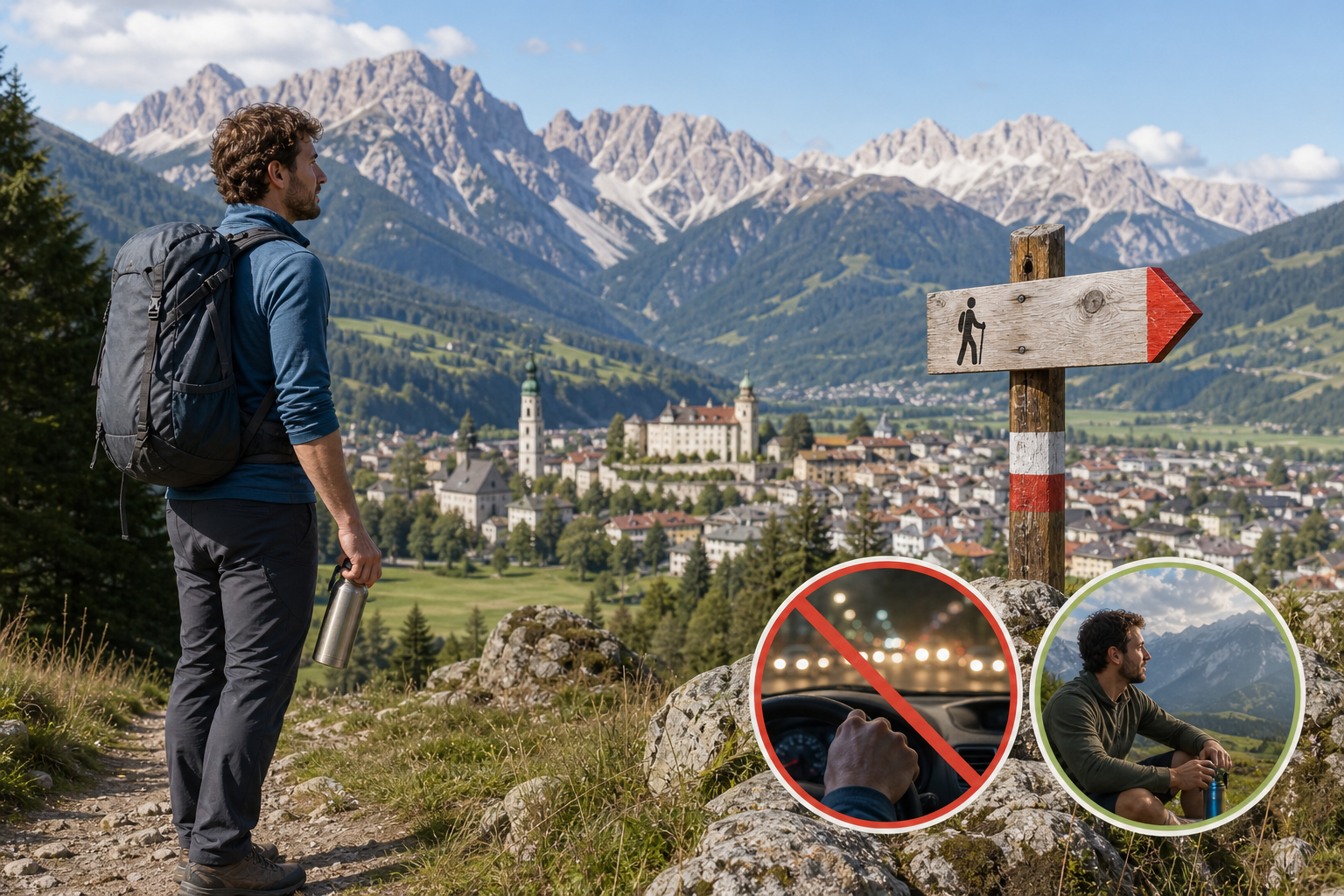
Understanding marijuana risks in Brunico matters for residents and visitors spending time in South Tyrol. Brunico, or Bruneck, is surrounded by ski areas, hiking routes, busy roads and high-altitude environments where impaired judgment can quickly become dangerous. Cannabis can also create legal and health consequences that are easy to underestimate, especially when a person is unfamiliar with Italian rules.
This guide explains the main risks without assuming that every user will have the same experience. Effects vary according to THC strength, dose, frequency of use, personal health, age, method of consumption and whether alcohol or other substances are involved. Local authorities do not create a separate cannabis regime for Brunico: Italian national law applies, alongside ordinary safety rules for roads, workplaces, slopes and public spaces.
Why cannabis can be risky in Brunico
Cannabis may affect attention, reaction time, short-term memory, balance and decision-making. Those effects are particularly important in a mountain town. A person who feels relaxed may still be less able to judge distance, respond to changing terrain or recognize a developing emergency.
The risk is not limited to smoking. Cannabis oils, concentrates and edible products can contain substantial amounts of THC. Unregulated products may have uncertain strength or labeling. Combining cannabis with alcohol can increase impairment and make nausea, dizziness, anxiety or loss of coordination more likely.
Mountain, ski and outdoor hazards
Using cannabis before skiing, snowboarding, climbing, cycling, hiking or operating outdoor equipment can increase the chance of a fall or collision. Snow, ice, steep paths and rapidly changing weather already demand concentration. Cannabis-related drowsiness or delayed reactions can make a minor mistake much more serious.
- Do not ski, cycle, climb or hike alone after using cannabis.
- Do not mix cannabis with alcohol, sedatives or other drugs.
- Stay away from roads, lift areas, cliff edges and fast-moving equipment while impaired.
- Choose a safe indoor setting, remain with a trusted sober person and avoid taking more because the first effects seem mild.
Visitors should also consider altitude, cold, dehydration and physical exertion. These factors do not make cannabis automatically dangerous, but they can worsen light-headedness or confusion and make it harder to respond to an injury.
Health effects and cannabis risks in Brunico
Short-term effects can include euphoria, drowsiness, altered time perception, poor concentration, anxiety, panic, impaired coordination and a faster heartbeat. Some people experience paranoia or intense confusion, particularly after taking a high-THC product or using cannabis in an unfamiliar environment.
Edibles and delayed effects
Edible cannabis is a common source of accidental overconsumption. Effects can take much longer to appear than inhaled cannabis, so a person may take more before the first dose has fully taken effect. The result can be prolonged anxiety, vomiting, severe drowsiness or disorientation.
There is no reliable way to predict an individual response from appearance alone. If someone chooses to use a legal or prescribed product, following the product instructions and avoiding rapid redosing is safer than guessing. Keeping cannabis away from children and pets is essential because accidental ingestion can require urgent medical advice.
Mental health and dependence
Frequent or high-potency use may contribute to dependence. Warning signs include using more than intended, unsuccessful attempts to cut down, prioritizing cannabis over work or relationships, or continuing despite physical, psychological or legal problems.
Cannabis can also worsen anxiety or trigger distressing thoughts in some users. People with a personal or family history of psychosis, bipolar disorder or severe mental-health problems should discuss cannabis with a qualified clinician before using it. Adolescents and young adults may be more vulnerable to harms because the brain continues developing into early adulthood.
Evidence and guidance from the World Health Organization cannabis information page can help readers distinguish recognized health concerns from unreliable online claims. Anyone worried about their own use should contact a doctor or addiction service rather than trying to manage withdrawal or severe anxiety alone.
Driving and transport: a serious local concern
Driving after cannabis use is unsafe even when the driver believes the effects have worn off. Cannabis can reduce reaction speed, attention and lane-position control. Residual impairment may be difficult to judge, particularly after strong products, frequent use or an edible dose.
Italian road law treats driving under the influence of drugs seriously. A positive test, suspected impairment or a collision can lead to major legal and practical consequences, including investigation, restrictions on driving and insurance problems. The safest choice is simple: do not drive, cycle on public roads or operate machinery after using cannabis.
In Brunico, alternatives may include walking only when fully alert, arranging a sober driver, using available public transport or staying where you are until it is safe. Do not assume that a short trip, a rental car or an electric bicycle removes the risk.
Cannabis laws in Brunico and Italy
There is no general recreational cannabis market in Brunico. Under Italy’s national framework, unauthorized production, supply and trafficking are criminal matters. Possession for personal use can still trigger administrative consequences, and the outcome depends on the circumstances, substance, quantity and authorities’ assessment. Visitors should not treat a small amount as automatically legal.
Buying, selling, sharing or transporting cannabis can create more serious exposure than private possession. Bringing cannabis across an international border is especially risky. A product purchased legally in another country does not automatically become lawful to import into Italy, and cannabis products may contain THC even when their packaging appears harmless.
Rules affecting medical cannabis and low-THC or CBD products can be technical and may depend on the product, prescription, documentation and current national requirements. Travelers carrying prescribed medicine should confirm requirements with an Italian consulate, a doctor and the relevant official authorities before departure. Do not rely solely on a shop label or a social-media post.
For broader European context, the European Union Drugs Agency overview of cannabis policy explains why national rules differ and why legal status should be checked carefully before travel.
Public use and local considerations
Using cannabis near families, schools, transport facilities, hotels, trails or crowded event areas can lead to complaints and additional safety concerns. Smoke and odor can affect other people, while impairment in a public place may attract police attention. Respecting private-property rules and local instructions does not make an illegal activity legal, but it can reduce conflicts and prevent avoidable hazards.
Readers comparing nearby destinations may also find it useful to review the cannabis travel rules in Bressanone and the marijuana travel rules in Merano. The same national framework applies, but practical travel situations can differ.
Recognizing a cannabis emergency
Most uncomfortable reactions improve with time and reassurance, but some symptoms require urgent help. Call 112 in Italy if a person has trouble breathing, chest pain, a seizure, collapses, cannot be awakened, is severely confused, becomes dangerously agitated or may have taken an unknown substance.
While waiting for help, stay with the person, move them away from traffic or other hazards, and provide responders with honest information about what may have been taken and when. Do not induce vomiting, force food or drink, or leave an unconscious person alone. If the person is vomiting or very drowsy, place them on their side if it is safe to do so and monitor their breathing.
Anxiety and panic can feel overwhelming. A quiet environment, calm communication and a sober companion may help when there are no emergency symptoms. However, reassurance should never replace medical assistance when symptoms are severe, unusual or getting worse.
Practical ways to reduce risk
- Delay use if you need to drive, ski, hike, work, study or make important decisions.
- Avoid unknown-strength products, concentrates and products with unclear labeling.
- Do not combine cannabis with alcohol, sedatives, stimulants or other drugs.
- Keep products locked away from children, pets and anyone who could mistake them for food.
- Use only prescribed medical cannabis as directed by the treating clinician.
- Seek help if use is becoming frequent, difficult to control or connected with anxiety, low mood or relationship problems.
For tourists, the lowest-risk option is not to buy, carry or use cannabis during a short trip. A holiday in Brunico offers many activities that depend on clear judgment, from mountain transport to winter sports. Avoiding impairment protects both the visitor and other people sharing the roads and trails.
Conclusion
The main marijuana dangers in Brunico involve impaired judgment in demanding outdoor settings, unsafe driving, unexpected reactions to high-THC products, dependence and legal consequences under Italian law. Brunico does not have a separate recreational cannabis system that makes these risks disappear. Treat cannabis as an intoxicating substance, check official information before carrying any medicine across borders, and seek immediate help for serious symptoms. When in doubt, staying sober is the safest choice for traveling, driving and enjoying South Tyrol’s mountains.