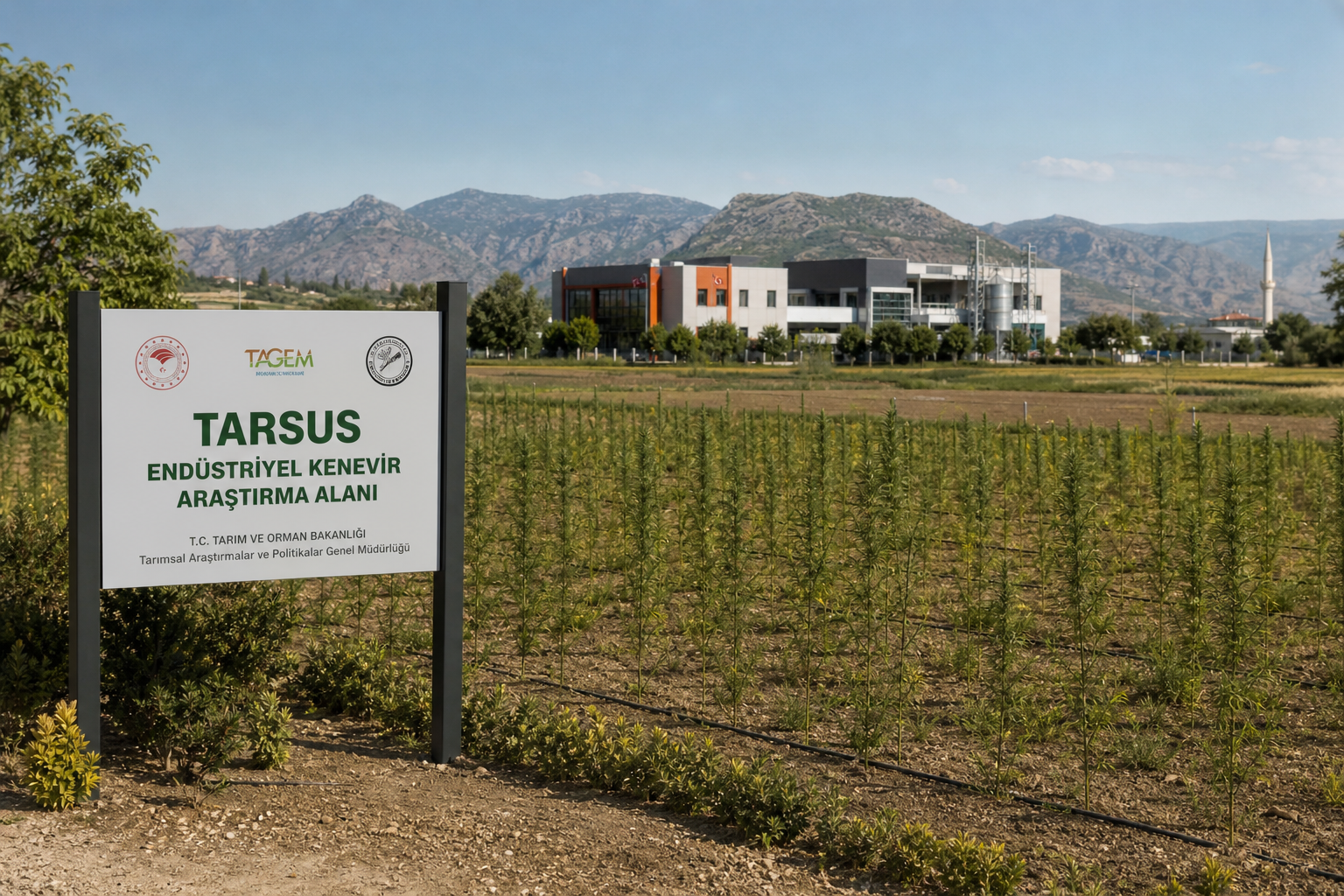
The marijuana industry in Tarsus, Turkey is best understood as a question of regulation, agricultural policy, medical research and public health—not as evidence of a legal recreational market. Tarsus is an important city in Mersin Province with a strong agricultural identity and connections to regional trade, but Turkish law places strict controls on cannabis, cannabis-derived products and cultivation.
For residents, businesses and visitors, the key distinction is between licensed industrial or pharmaceutical activity and unauthorized possession, sale or production. This guide explains what the legal framework means for Tarsus, where realistic economic opportunities may exist, what consumers should know about products marketed as cannabis or CBD, and how the sector could develop without overstating current opportunities.
What the marijuana industry in Tarsus, Turkey actually includes
In everyday conversation, “marijuana industry” can suggest dispensaries, adult-use products and commercial cannabis tourism. That model does not describe Tarsus or the wider Turkish market. Turkey maintains a restrictive approach to recreational cannabis, and an ordinary retail market for marijuana is not legally established.
In Tarsus, the phrase is more useful when applied to several tightly controlled areas:
- Industrial hemp: Hemp grown for approved fiber, seed or related uses may be relevant to agricultural businesses, but cultivation is subject to authorization and applicable conditions.
- Pharmaceutical and medical research: Cannabis-related compounds may be considered within regulated medical, scientific or pharmaceutical systems rather than sold through ordinary retail channels.
- Laboratory and processing services: Testing, compliance, agricultural research and controlled processing could support a future value chain.
- Public education and harm reduction: Health professionals, educators and local institutions have a role in explaining risks and the difference between lawful and unlawful products.
These categories should not be confused with a legal recreational cannabis market. A business in Tarsus cannot assume that a product is lawful simply because it contains hemp, is advertised online or is described as “natural.”
Cannabis laws in Tarsus: the local effect of national regulation
Cannabis laws in Tarsus are primarily determined by Turkey’s national legal and regulatory framework. Municipal boundaries do not create a separate local cannabis regime. Police, prosecutors, courts, customs authorities and relevant ministries apply national rules to possession, trafficking, cultivation, manufacturing and importation.
Unauthorized possession or use can create serious legal consequences, while supplying, transporting or producing controlled substances is treated more severely. Visitors should also remember that bringing cannabis, cannabis oils, edibles, flower or related extracts across an international border can create additional customs and criminal-law risks.
Rules can change, and the legal status of a particular product may depend on its ingredients, concentration, intended use, labeling and authorization. Anyone making a commercial decision should review current official requirements and obtain advice from a Turkish lawyer or qualified regulatory professional. The Turkish Ministry of Health is a useful starting point for official health and regulatory information, although its materials may not answer every business-specific question.
Why product labels are not enough
Terms such as CBD, hemp extract, cannabis oil and hemp seed oil are sometimes used interchangeably in marketing, even though they can refer to very different products. Hemp seed oil, for example, is not the same as an extract made from cannabis flowers or leaves. A label claiming “THC-free” is also not a substitute for a verified laboratory report and legal review.
Businesses should assess the complete product pathway: source material, extraction method, cannabinoid content, contaminants, packaging, advertising claims, import status and intended sales channel. A product that may be acceptable in one jurisdiction can still be restricted in Turkey.
Industrial hemp opportunities near Tarsus
The most plausible agricultural discussion connected with the local economy is industrial hemp, not recreational marijuana. Tarsus and the surrounding Mersin region have agricultural knowledge, transport links and processing needs that could support research into approved fiber or seed crops. However, these regional advantages do not automatically authorize hemp cultivation.
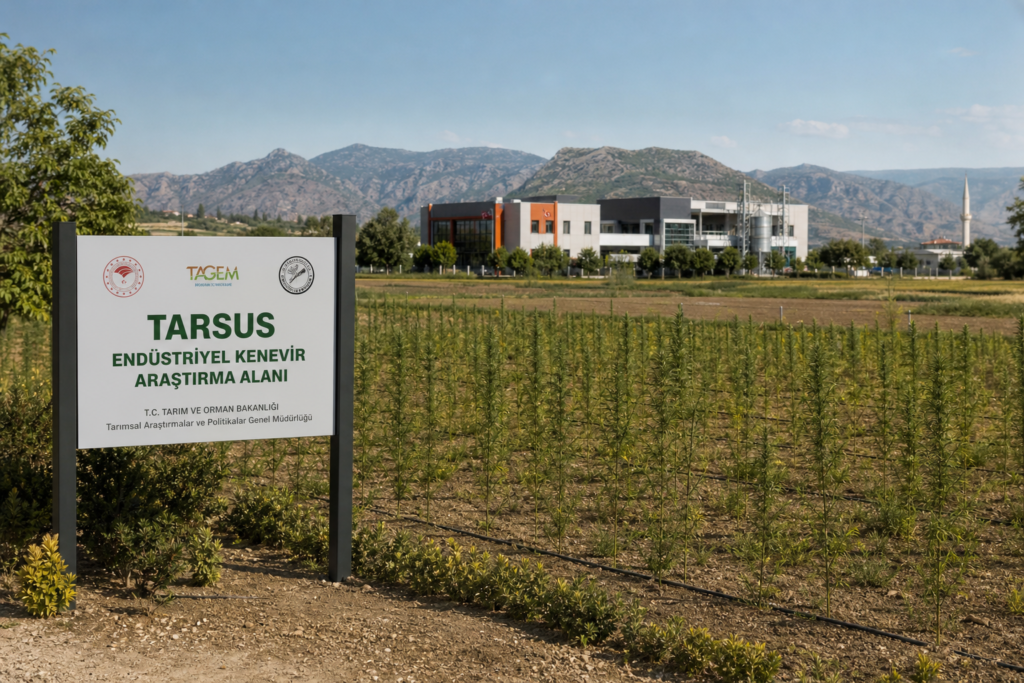
Prospective growers must determine whether the relevant crop, seed variety, location and intended use meet current Turkish requirements. Permission, registration, inspections, recordkeeping and restrictions on harvesting or processing may apply. A landowner should never plant cannabis or hemp based only on an online seed listing or a claim made by a supplier.
Potential value-chain activities
If authorities permit a proposed activity, opportunities may exist beyond farming itself. They could include agricultural trials, seed verification, fiber processing, textile inputs, packaging materials, food ingredients where permitted, and testing services. The commercial case would depend on contracts, quality standards, permitted varieties, buyer demand and the cost of compliance.
- Start with a written legal classification of the crop and product.
- Confirm whether the location is eligible before purchasing seed or equipment.
- Use documented seed sources and maintain cultivation records.
- Plan testing for cannabinoid content, pesticides, heavy metals and microbial contamination where relevant.
- Obtain written guidance on processing, transport, storage and advertising.
- Separate approved hemp operations from any activity involving controlled cannabis material.
These steps are especially important because agricultural appearance does not determine legal status. Two plants may look similar while being treated differently under the applicable rules.
Medical cannabis in Tarsus: access, research and patient safety
Searches for medical cannabis in Tarsus may reflect interest in pain, epilepsy, cancer symptoms or other health conditions. Patients should approach this subject through licensed physicians and pharmacies, not informal sellers or social-media vendors. The availability of a cannabis-related medicine depends on national authorization, prescription rules, product formulation and clinical circumstances.
Patients should not assume that a product described as medicinal has been approved, tested or manufactured to a reliable standard. Unregulated oils, vape liquids, gummies and herbal products may contain inaccurate cannabinoid levels or contaminants. They may also interact with prescription medicines or create side effects such as dizziness, anxiety, impaired coordination and cognitive changes.
The World Health Organization’s cannabis health information provides general background on health effects and does not replace advice from a Turkish clinician. Anyone considering a cannabis-related treatment should discuss the diagnosis, current medicines, pregnancy status, driving responsibilities and possible alternatives with a qualified healthcare professional.
What local healthcare communication should emphasize
Public-health messaging in Tarsus should avoid both sensationalism and unsupported claims. It can explain that cannabis affects people differently, that inhaled smoke carries health concerns, and that intoxication can impair driving and decision-making. It should also clarify that “medical” does not mean risk-free and that self-treatment may delay appropriate care.
Healthcare workers can direct patients toward authorized services and warn against buying products whose origin, ingredients or storage conditions cannot be verified. Pharmacists and clinicians are also well placed to identify potential interactions and advise people who experience adverse effects.
Is there legal weed in Tarsus?
People searching for weed in Tarsus may be looking for a dispensary, a social-use venue or a way to purchase cannabis. Tarsus should not be treated as a destination with a legal recreational dispensary system. A shop, website or delivery service that offers marijuana does not become lawful merely because it operates openly or uses Turkish-language advertising.
Buying from an informal source creates several risks at once: criminal exposure, unknown potency, contamination, fraud, unsafe storage and possible involvement in wider illicit activity. Carrying cannabis in a vehicle, accommodation or public place can create further complications, particularly for visitors who may not understand local procedures.
A cautious answer to “where can I buy cannabis in Tarsus?” is that consumers should not seek unlicensed sellers. If a person has a health concern, the safer route is a licensed doctor or pharmacist. If a business has a hemp or research proposal, the safer route is formal regulatory review before any purchase, planting or importation.
How Tarsus compares with wider Turkish cannabis discussions
Tarsus does not operate in isolation. Businesses may look toward Mersin’s wider commercial environment, while readers may compare local questions with developments in other Turkish cities. Regional differences in agriculture, logistics, research capacity and enforcement priorities can influence business planning, but they do not override national law.
For broader context, our guide to the cannabis landscape in Mersin İçel discusses the province-level setting. Readers interested in the nearby regional cultural conversation can also review cannabis culture and legal context in Adana. These comparisons should be used for orientation rather than as proof that a particular product or activity is permitted in Tarsus.
Practical guidance for businesses and visitors
For entrepreneurs
Start with compliance, not branding. A business plan should identify the exact plant material, product category, supplier, customer, sales channel and intended claims. It should then map every required permit, inspection, test and record. Legal review is particularly important for imports, extracts, cosmetics, foods, medicines and products marketed with therapeutic language.
Entrepreneurs should also budget for product testing, secure storage, insurance, traceability and possible regulatory changes. Avoid relying on foreign examples of legalization because rules from North America or parts of Europe do not establish a right to operate in Turkey.
For farmers and landowners
Do not plant first and ask questions later. Confirm eligibility with the relevant authorities, verify seed documentation and understand whether the proposed crop is covered by current permission procedures. Keep copies of applications, approvals, purchase records and laboratory results. Written documentation can be essential if an inspection or dispute occurs.
For residents and travelers
Do not carry cannabis across borders or accept packages for another person. Be skeptical of online claims about “legal weed,” prescription-free medical products or guaranteed delivery. If you encounter a health emergency after using an unknown product, seek medical assistance promptly and provide clinicians with honest information about what was taken.
Travelers seeking more general legal context can read our practical guide to marijuana laws and risks in Ankara and our overview of cannabis in Istanbul. The central principle remains the same: city names do not create separate recreational legalization.
Future prospects for cannabis-related activity in Tarsus
The future of cannabis-related business in Tarsus is more likely to develop through controlled agriculture, research, pharmaceutical supply chains, testing and hemp-based manufacturing than through adult-use retail. Progress would require clear rules, reliable licensing, qualified agronomists, transparent laboratories and responsible communication with the public.
Local economic benefits should also be assessed realistically. A permitted crop does not guarantee profitable sales, and a promising research area may take years to produce a commercial product. Businesses should examine water use, crop suitability, processing costs, buyer commitments, labor requirements and compliance expenses before treating hemp as an easy agricultural opportunity.
For policymakers and community organizations, the most constructive approach is evidence-based education. Clear information can reduce confusion between industrial hemp and high-THC cannabis, discourage unsafe self-medication and help legitimate businesses understand their responsibilities.
Conclusion
The marijuana industry in Tarsus, Turkey is currently a regulated and limited concept rather than a conventional recreational market. The most credible opportunities relate to approved industrial hemp, pharmaceutical or scientific work, laboratory services and public-health education. None of these areas should be pursued without checking current Turkish requirements and obtaining professional advice.
For consumers, there is no safe assumption that cannabis products sold online or locally are legal or accurately labeled. For businesses, careful classification, licensing, testing and recordkeeping are essential. Tarsus may participate in future hemp and cannabis-related development, but any sustainable growth will depend on lawful operations, scientific standards and respect for public health.