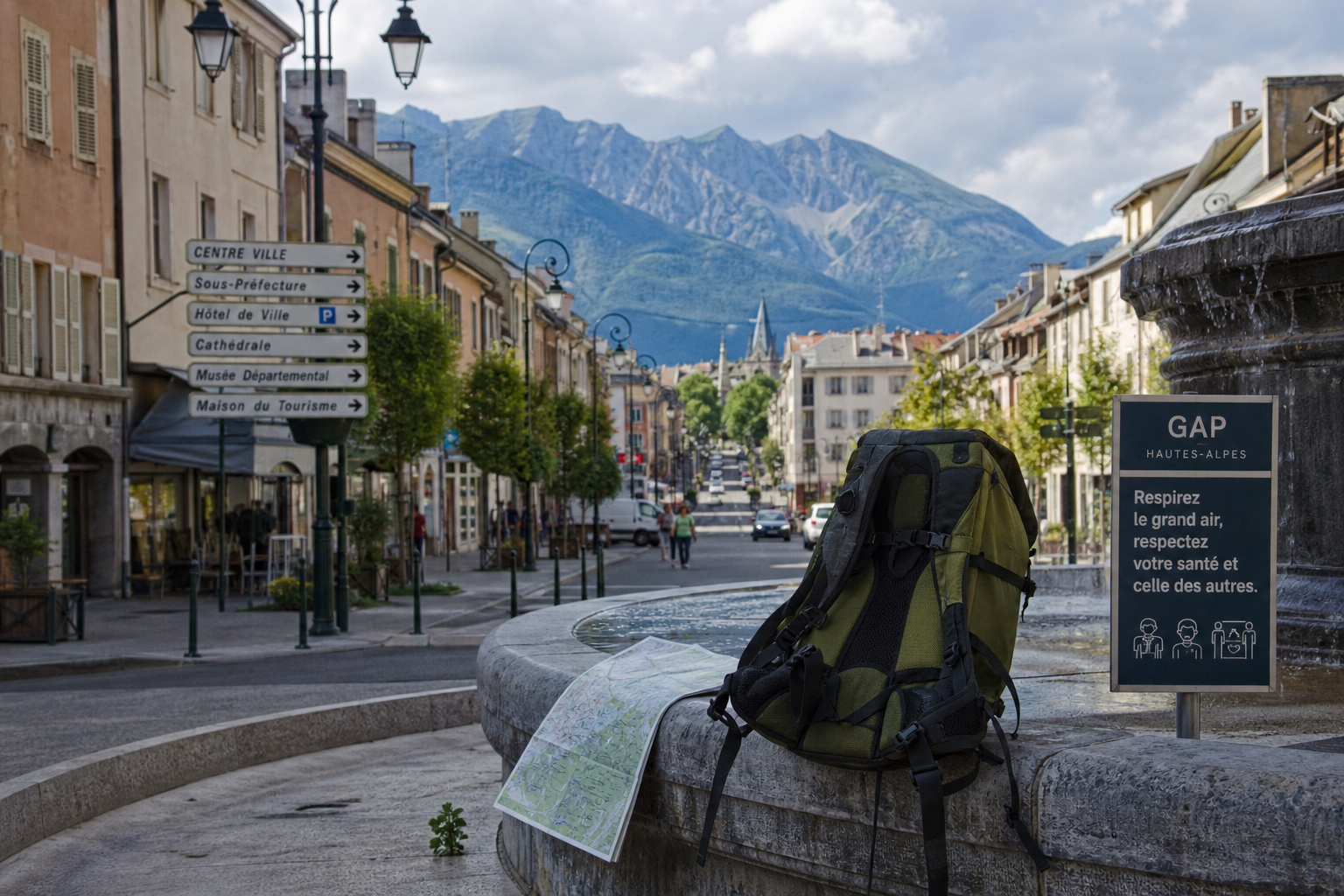
Visitors searching for a Marijuana Guide for Tourists in Gap, France should know that Gap follows French national law rather than a separate local cannabis system. Recreational cannabis remains illegal in France, and tourists do not have a special exemption. Possession, use, purchase, sale and transport can all create legal problems, even when the amount seems small.
Gap is a small Alpine city and a gateway to the Hautes-Alpes, with outdoor attractions, busy roads and nearby mountain communities. That makes practical awareness especially important. This guide explains the rules around weed in Gap, distinguishes cannabis from CBD, covers medical medication, and sets out safer decisions for visitors without suggesting ways to obtain illegal drugs.
Marijuana Guide for Tourists in Gap, France: the basic legal position
French law prohibits recreational cannabis containing THC. The rule applies throughout the country, including public squares, hotel rooms, campsites, private accommodation and rural areas around Gap. A quiet location or a small quantity does not make possession legal.
Police and prosecutors may treat possession and use as offences under the national framework. Depending on the circumstances, a person may face an on-the-spot fixed penalty, prosecution or more serious consequences. The response can depend on the substance, quantity, evidence of supply, previous conduct and other facts. Foreign visitors can also face identification, questioning, court proceedings and travel disruption.
For current official information, read the French government’s guidance on drug offences and penalties in France. Rules and enforcement procedures can change, so this article should not replace advice from a French lawyer or an official authority.
Cannabis laws in Gap and what they mean in practice
Possession and personal use
Possessing cannabis for personal use is not a lawful tourist activity in Gap. The same applies to carrying it from another French city, buying it from an informal source or keeping it in luggage. A person who says the cannabis is only for personal use may still face enforcement action.
Use in a park, on a street, outside a nightclub or near a transport hub can attract attention and may create additional issues involving public order. Smoking near children, schools, sports facilities or crowded areas is particularly irresponsible, even apart from the underlying offence. There is no reliable “tourist area” where cannabis use is permitted.
Buying, sharing and selling
France does not operate a legal recreational dispensary market. Informal sellers are unregulated, and a transaction may expose a visitor to scams, unknown potency, contamination, theft or police intervention. Sharing cannabis is not a safe legal workaround: giving a controlled substance to another person can have serious consequences, especially where payment, repeated activity or vulnerable people are involved.
Do not ask hotel staff, tour guides, taxi drivers or residents to arrange cannabis. Besides placing other people in a difficult position, this can lead to fraud or pressure to buy other substances.
Public consumption and accommodation
Using cannabis in public is not made lawful by moving away from the city centre. Private accommodation does not automatically protect a visitor either. Hotels, hostels, holiday rentals and campsites can prohibit smoking or possession under their own terms, and staff may contact authorities if they believe there is a safety or nuisance issue.
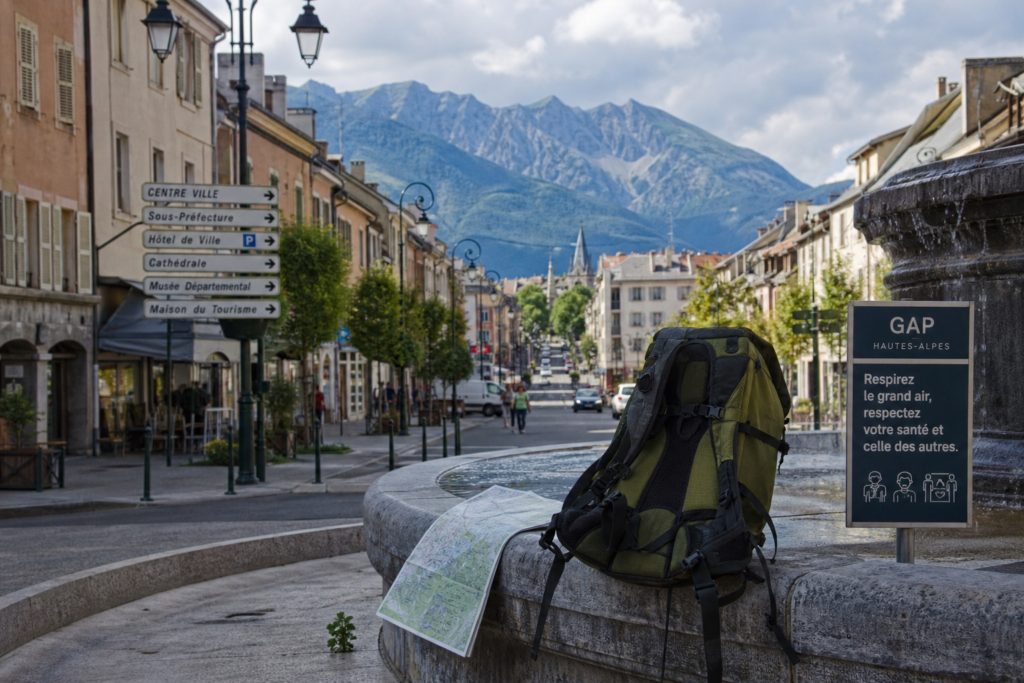
Respect no-smoking rules, ventilation policies and neighbours. If you encounter cannabis smoke from someone else, move away rather than becoming involved. Never assume that a balcony, vehicle or secluded trail is a legally safe place to consume.
Weed in Gap, transport and border risks
Transporting cannabis to or from Gap creates avoidable risk. Do not bring cannabis across the French border, whether it is in checked luggage, hand luggage, a vehicle or a parcel. A product obtained legally in another country may still be illegal to import into France. The same warning applies to cannabis-infused foods, oils, vapes and concentrates.
Do not carry cannabis on trains, coaches or domestic flights. If travelling by car, keep the vehicle free of illegal drugs and drug-related equipment. A search, traffic stop or accident can turn a possession issue into a wider investigation.
Driving after cannabis use
French road rules treat drug-impaired driving seriously. Driving after using cannabis can lead to testing, licence consequences, fines and criminal proceedings. Impairment may last beyond the obvious feeling of being high, and legal testing can create problems even when a driver believes they are fit.
The safest choice is simple: do not drive after using cannabis. Use a lawful transport option, postpone the journey or ask a sober driver to take over. This matters particularly around Gap, where mountain roads, changing weather, cyclists and long distances can increase the consequences of poor judgement.
CBD in Gap: why it is not the same as marijuana
CBD products are not automatically equivalent to recreational cannabis, but not every product marketed as CBD is safe or lawful. French and European rules can apply differently depending on the product’s ingredients, THC content, presentation and intended use. Labels may also be inaccurate, particularly when products come from an informal seller or an online marketplace.
Visitors should buy only from a reputable, lawful retailer and inspect the packaging, ingredient list and compliance information. Avoid loose flowers, unlabelled oils, homemade edibles and products that make medical or intoxicating claims. A product sold legally elsewhere may not meet French requirements, and carrying it across a border can still be problematic.
CBD can also complicate drug testing. Some products contain trace THC or may be contaminated, so “CBD” is not a guarantee of a negative test. If driving, working in a safety-sensitive role or taking a drug test, avoiding cannabinoid products is the lower-risk option.
For a broader comparison of visitor issues involving cannabis and CBD, see this practical cannabis and CBD guide for Aubagne. The legal principles discussed there should still be checked against current French official guidance.
Medical cannabis in Gap for international visitors
Medical cannabis in Gap is not a simple tourist prescription service. France has tightly controlled rules for cannabis-based medicines, and a visitor cannot assume that a foreign prescription can be filled at a French pharmacy. Recreational cannabis is not converted into medical cannabis merely because someone says it helps with pain, sleep or anxiety.
If you use a prescribed cannabis-based medicine, plan before departure. Bring the medicine in its original packaging, carry a copy of the prescription and obtain a letter from the prescribing clinician describing the treatment and dosage. Ask the relevant French authorities and your own embassy about import requirements before travelling; additional paperwork or advance approval may be necessary.
Do not replace a prescribed medicine with an unregulated product in Gap. If medication is lost, stolen or runs out, contact a French doctor, pharmacist or emergency service. A pharmacist can explain what lawful alternatives may be available, but cannot necessarily dispense a foreign-controlled medicine.
The French National Agency for Medicines and Health Products Safety provides official information about medicines and regulatory safety. Because controlled-medicine requirements can change, confirm the current position before your trip.
Safer choices for a cannabis-free visit
A good trip to Gap does not require taking legal risks. The city and surrounding area offer walking routes, mountain scenery, local food, museums and outdoor activities that are easier to enjoy sober and do not expose you to unregulated sellers.
- Do not buy cannabis from strangers, social media accounts or informal delivery services.
- Do not accept food, vapes, oils or cigarettes from people you do not know.
- Keep passports, medicines and valuables secure, especially in shared accommodation.
- Check hotel, campsite and rental rules about smoking and prohibited substances.
- Never drive, cycle on roads or use mountain equipment while impaired.
- Keep away from unfamiliar powders, pills or concentrates; their contents may be unknown.
If you feel unwell after consuming any substance, seek medical help promptly and tell clinicians what was taken if you can. For an immediate emergency in France, call 112 or 15. If someone is unconscious, having trouble breathing, experiencing chest pain or suffering a seizure, call without delay and do not leave them alone.
What to do if police question you
Stay calm, be polite and avoid arguing or making sudden movements. Do not sign a document you do not understand. Ask for an interpreter if language is a problem and request legal assistance if you are detained or questioned as a suspect. Contact your consulate if you need help communicating with family or understanding the process, while remembering that consular staff cannot cancel French proceedings.
Do not attempt to hide, discard or pass substances to someone else. Do not post details of an incident online. A local French lawyer is the appropriate person to explain your rights and options based on the specific facts.
For another visitor-focused overview of national rules and practical precautions, you can also read this guide to cannabis regulations for tourists in Évreux. It is useful as general context, not as a substitute for current legal advice.
Conclusion
Understanding cannabis in Gap starts with one clear point: France does not provide a legal recreational cannabis market for tourists. Possession, use, purchase, sharing and transport can lead to penalties, while border crossings, driving and unregulated products add further risks. CBD requires careful checking, and prescribed cannabis-based medicines need advance planning and documentation.
The safest approach is to leave recreational cannabis at home, avoid informal sellers, follow accommodation and transport rules, and seek official or professional advice for medical questions. With those precautions, visitors can enjoy Gap’s Alpine setting without turning a holiday into a legal or health emergency.