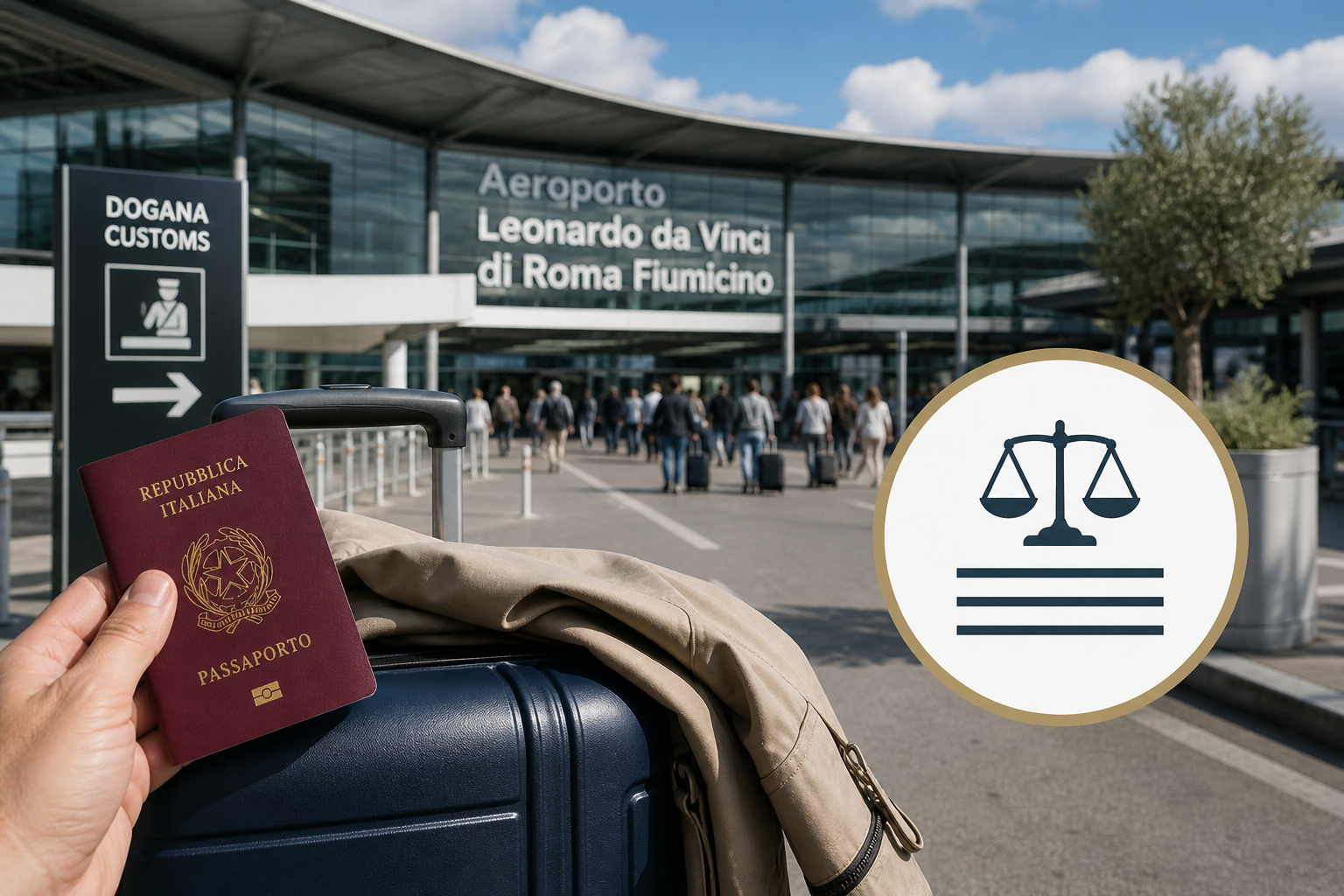
Understanding Marijuana facts about Fiumicino, Italy is especially important because Fiumicino is home to Leonardo da Vinci–Fiumicino Airport, Italy’s main international air gateway. Local streets, airport security, customs controls and national drug laws can all affect a traveler’s situation. Cannabis is not generally legal for recreational sale or open commercial use in Italy, and the rules that apply to possession are different from those governing supply, importation and medical treatment.
This guide explains the practical points visitors should know about weed in Fiumicino without encouraging illegal activity. It is general information, not legal or medical advice. Italian rules and enforcement practices can change, so anyone facing a real legal or health issue should consult an Italian lawyer, doctor or the relevant authorities.
Why Fiumicino is different from an ordinary Italian destination
Fiumicino is a coastal municipality near Rome, but many cannabis questions arise because of the airport rather than because of a unique local cannabis market. Airports are controlled environments with identity checks, baggage screening, border controls and customs procedures. A rule that may be misunderstood in a city neighborhood becomes much more serious when cannabis crosses an international border.
Italy’s national drug legislation applies in Fiumicino. Airport operators, airlines and border authorities may also impose separate conditions on what can be carried into restricted areas or taken onto an aircraft. A product purchased legally in another country is not automatically lawful to bring into Italy. The same applies to cannabis-containing medicines unless the traveler has the documentation and permissions required for the journey.
For broader context on travel-related issues, see this guide to cannabis travel safety in Guidonia Montecelio. The nearby municipality is not a substitute for official legal advice, but the travel principles are similar.
Cannabis laws in Fiumicino: the national framework
The key point about cannabis laws in Fiumicino is that the governing framework is primarily national rather than a special municipal cannabis code. Italy distinguishes between conduct such as personal possession and more serious conduct such as selling, distributing, producing or trafficking.
Personal possession
Possession of a quantity considered intended for personal use may lead to administrative consequences rather than the same criminal charge used for trafficking. Possible measures can include the seizure of the substance and restrictions or suspension involving documents such as a driving licence, passport or firearms licence. The exact outcome depends on the circumstances, the substance, the quantity and the authorities’ assessment.
Administrative does not mean harmless. A traveler could face questioning, delays, a report to the competent authorities or problems with onward travel. Foreign nationals should not assume that a non-criminal classification eliminates immigration, transport or practical consequences.
Supply, sale and importation
Sale, distribution, trafficking, cultivation in prohibited circumstances and possession intended for supply can fall under criminal provisions. Importing or exporting cannabis is also a serious risk, even when the amount appears small or the person believes the product is legal where it was purchased.
Do not rely on packaging, a receipt or a seller’s statement as proof that a cannabis product may cross the Italian border. Border authorities assess the product and the applicable law, not simply the traveler’s understanding of the rules. The official text of Italy’s main controlled-substances legislation can be consulted through Normattiva’s publication of Presidential Decree 309/1990.
Fiumicino Airport and cannabis: practical travel facts
Carrying cannabis through Leonardo da Vinci–Fiumicino Airport creates risks that do not exist in the same way during ordinary local travel. Screening can involve carry-on luggage, checked baggage and personal belongings. Customs controls may occur on arrival or departure, and a traveler may be questioned about a product’s contents, purpose or destination.
- Do not pack recreational cannabis in carry-on or checked luggage.
- Do not transport cannabis between countries, even if it was bought legally in the departure country.
- Do not assume airport transit is exempt from Italian or international controls.
- Do not conceal products or relabel them as ordinary supplements.
- Ask the airline and official authorities in advance about any genuinely prescribed cannabis-based medicine.
Transit passengers should be particularly cautious. Passing through an airport may still involve entering a country’s controlled zone or being subject to its customs and security rules. An airline’s approval to carry a medicine does not automatically replace Italian legal or customs requirements.
What travelers should know about cannabis in Fiumicino
People searching for cannabis in Fiumicino may encounter references to cannabis light, CBD products or industrial hemp. These categories are not interchangeable with recreational marijuana, and labels can be misleading. The legal status of hemp-derived flowers, extracts, foods and other products has been subject to regulatory interpretation and change.
A low-THC label does not guarantee that a product can be used or carried everywhere. Concentration, plant material, intended use, product composition and current legislation can all matter. Products bought online or abroad may also fail Italian labeling, safety or authorization requirements.
The safest practical approach for a visitor is not to buy, carry or consume cannabis products unless a qualified Italian professional has confirmed that the specific product and activity are lawful. This is particularly important near an international airport, where a misunderstanding can become a border issue.
Medical cannabis in Fiumicino
Medical cannabis in Fiumicino is part of Italy’s regulated healthcare system, not a tourist retail option. Patients may be able to receive cannabis-based treatment when a doctor determines that it is clinically appropriate and the applicable prescribing requirements are met. Access normally involves a healthcare professional and an authorized pharmacy rather than informal dispensaries.
Visitors who already use a prescribed cannabis medicine should plan before departure. Carry the medicine in its original packaging, keep a copy of the prescription and obtain a doctor’s letter describing the treatment. Because documents accepted by one country may not satisfy another, travelers should confirm requirements with the Italian embassy or consulate, the airline and Italian health or customs authorities before flying.
The Italian Ministry of Health is the appropriate starting point for current public-health and medicine information: Italian Ministry of Health. Travelers should not treat a general webpage as confirmation that a particular cannabis medicine is approved for import.
Questions to ask before flying
- Is the medicine legally prescribed and authorized in Italy?
- Does the amount match the documented treatment period?
- Are the original label and patient details visible?
- Do transit and destination countries require additional certificates?
- Does the airline have separate medication-carriage procedures?
If the answers are unclear, resolve them before arriving at the airport. Leaving medicine at home may be safer than risking confiscation or detention, but patients should first discuss alternatives with their doctor rather than stopping treatment without medical guidance.
Public consumption, private spaces and driving
There is no safe assumption that consuming cannabis in a public place in Fiumicino is acceptable. Public use can attract police attention, create nuisance or safety concerns and conflict with rules applying to parks, beaches, restaurants, hotels, rental properties or transport facilities. Smoking is also subject to venue policies and restrictions that may apply independently of drug law.
Hotels and holiday rentals can prohibit smoking or possession on their premises. Airport terminals and aircraft are controlled, smoke-free environments. A private room is not a guarantee that possession, supply or consumption is lawful, particularly if other offenses or complaints are involved.
Driving after using cannabis is a major safety and legal concern. THC can affect reaction time, attention and judgment, and Italian road enforcement may test drivers when impairment or drug use is suspected. Do not drive, rent a scooter or operate machinery after consuming cannabis. Arrange a licensed taxi, authorized ride service or public transport instead, and remember that impairment can last longer than the noticeable high.
What to do if police or airport officials question you
Stay calm, avoid arguing and do not make false statements. Ask what is happening and request an interpreter if communication is difficult. Do not sign a document you do not understand. A foreign visitor should ask whether they may contact a lawyer and their consulate, particularly if detained or formally investigated.
- Follow lawful instructions without obstructing officers or security staff.
- Keep identification and travel information available.
- Ask for interpretation before signing formal paperwork.
- Request legal assistance if the matter involves detention, a search, seizure or a criminal allegation.
- Contact your embassy or consulate if you are detained or cannot communicate effectively.
Do not attempt to retrieve a confiscated product, dispose of evidence or persuade another person to carry it. Those actions can worsen the situation. A local lawyer is the right person to explain the possible consequences of a specific case.
Common misconceptions about marijuana in Fiumicino
- “Small amounts are always legal.” Personal-use rules can still involve administrative sanctions and official reports.
- “A legal purchase abroad can enter Italy.” Importation is a separate issue from lawful purchase in another country.
- “CBD means unrestricted.” Product composition and current rules matter.
- “Medical use means any cannabis product is allowed.” Prescriptions, packaging, quantity and cross-border documentation may all be relevant.
- “Airport transit is outside Italian law.” Travelers may still face Italian customs, security and border controls.
Readers looking for a comparison with another Italian destination can also review this practical guide to cannabis travel restrictions in Lecce. The legal details may differ by situation, but the warning against carrying cannabis across borders remains important.
Conclusion: the safest approach in Fiumicino
The most useful marijuana facts about Fiumicino, Italy are straightforward: national Italian drug law applies, personal possession can still produce serious administrative consequences, supply and importation may be criminal matters, and Fiumicino Airport adds strict security and border risks. Recreational cannabis should not be carried through the airport or across international borders.
Medical patients should arrange documentation and verify cross-border requirements before traveling. Everyone else should avoid purchasing, carrying or consuming cannabis in situations where the legal status is uncertain. Checking current official information and obtaining qualified advice is safer than relying on online rumors, product labels or assumptions based on another country’s laws.