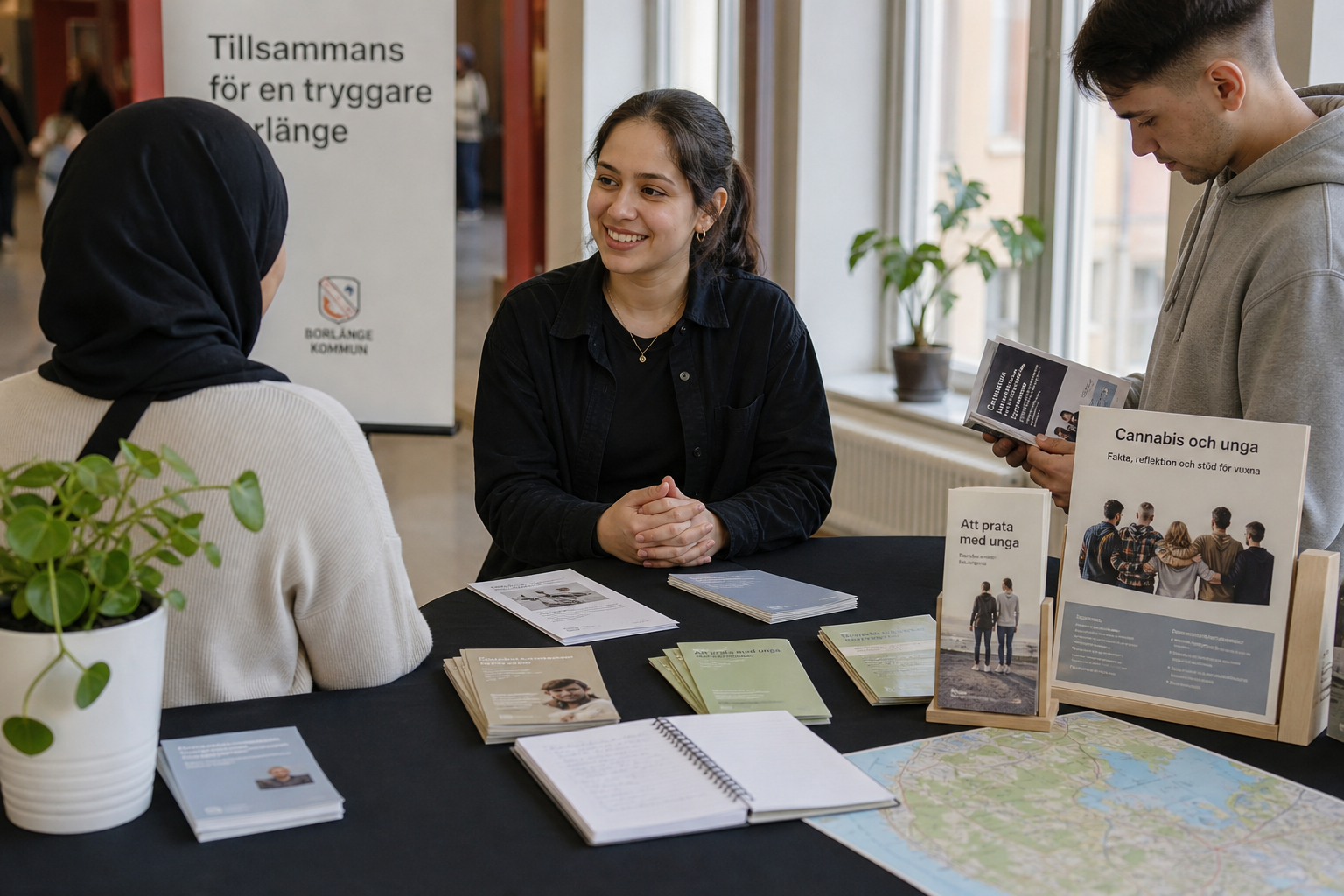
Reliable marijuana education in Borlänge should do more than describe cannabis as either harmless or dangerous. Residents, students, parents and visitors need clear information about Swedish law, possible health effects, dependence, impaired driving, medical care and where to seek support. This guide explains the national rules that apply in Borlänge and places cannabis questions in a practical local context.
Terminology can also create confusion. “Marijuana” commonly refers to dried cannabis flowers, while cannabis may include flowers, resin, concentrates and products containing cannabinoids. The legal status of a product depends on Swedish rules and its contents, not simply on how it is marketed or labelled.
What cannabis education means in Borlänge
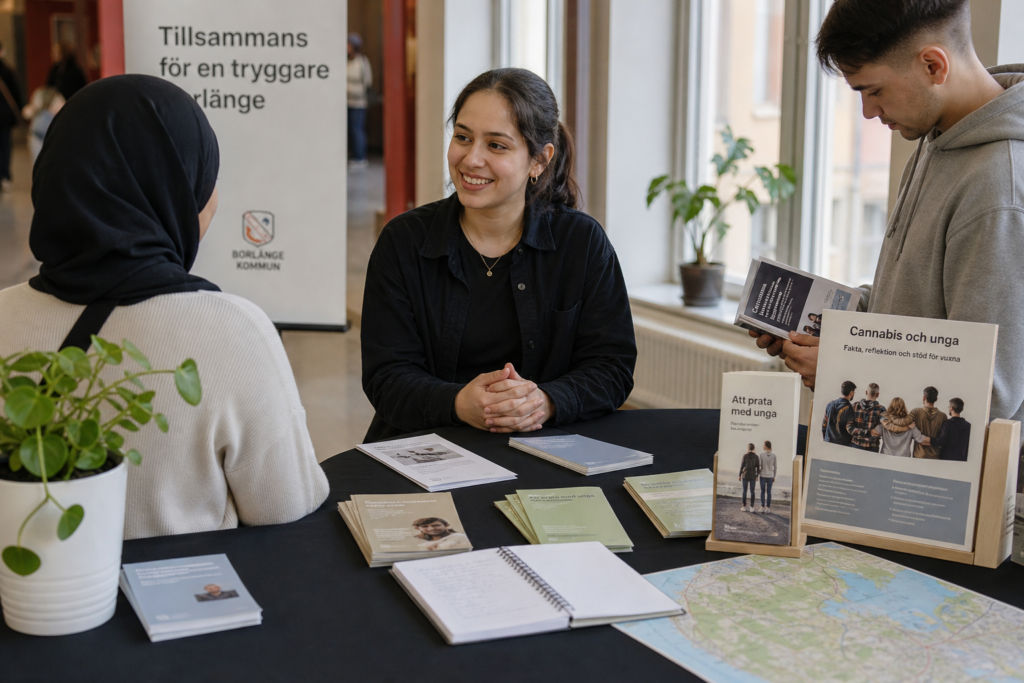
Education is not the same as encouragement. A useful conversation gives people enough information to assess risks, recognise problems early and make informed decisions. In Borlänge, that may involve schools, families, healthcare professionals, youth services, workplaces or municipal prevention work.
Searches for weed in Borlänge may lead to informal claims on social media, but online descriptions are not a substitute for verified health or legal information. Strength, ingredients and contamination can be difficult to judge, especially when a product has not come through a regulated medical channel. People should be particularly cautious about unknown oils, edibles, vapes and synthetic cannabinoid products.
Local circumstances matter, but Swedish criminal law is national. Borlänge does not have a separate cannabis market or a city-specific recreational exception. Questions about possession, use, supply, cultivation and driving therefore need to be answered using Swedish law and current official guidance.
Cannabis laws in Borlänge and Sweden
Sweden takes a restrictive approach to narcotic drugs. Cannabis is generally classified as a narcotic substance, and unlawful possession, use, transfer, production and cultivation can lead to criminal consequences. The precise outcome depends on the facts, including the substance, amount, conduct and any previous history. Do not assume that a small amount is automatically legal.
The Swedish Narcotic Drugs Penal Act is the authoritative legal text for the relevant offences. It is written for legal interpretation rather than casual reading, so anyone facing an investigation should obtain qualified legal advice instead of relying on a blog or forum.
Possession and personal use
Possessing cannabis for personal use is not a legal loophole in Sweden. Use itself may also be criminalised. Police procedures, testing, investigations and court decisions are matters for the authorities, and an individual situation can depend on evidence and circumstances.
Sharing, selling and growing
Giving cannabis to another person, selling it, importing it or growing plants can create more serious legal exposure than simple possession. A claim that an exchange was private, free or intended for personal cultivation does not by itself make the conduct lawful.
Driving and public safety
Driving after using cannabis can impair attention, reaction time, judgement and coordination. Swedish traffic rules also make drug-impaired driving a serious legal and safety issue. The safest approach is not to drive after using cannabis and not to enter a vehicle with someone who may be impaired. Arrange a sober driver or use public transport instead.
Health information about cannabis
Effects vary according to dose, potency, route of administration, frequency of use, age, mental health, other substances and individual biology. A person may experience relaxation or altered perception, but unwanted effects can include anxiety, panic, dizziness, nausea, confusion, impaired memory and reduced coordination.
Frequent or heavy use can become difficult to control. Warning signs include using more than intended, spending substantial time obtaining or recovering from cannabis, continuing despite problems at school or work, withdrawing from activities, or feeling unable to sleep, relax or function without it.
Mental health and vulnerability
Cannabis can worsen anxiety or paranoia for some people. It may be especially concerning for anyone with a personal or family history of psychosis, severe mood disorder or other significant mental-health difficulties. Cannabis is not a dependable treatment for distress, insomnia or trauma, and self-medication can delay appropriate care.
Young people deserve age-appropriate, non-stigmatising education. The brain continues developing through adolescence, and early or frequent substance use can interfere with learning, motivation, relationships and emotional wellbeing. Adults should focus on listening, boundaries and timely support rather than relying only on fear-based messages.
Edibles, vaping and unknown products
Edible products may take longer to produce noticeable effects than inhaled cannabis. This delay can lead someone to consume more before the first dose is felt. Vaping products and concentrates may involve high cannabinoid levels or uncertain ingredients. Synthetic cannabinoids can have unpredictable and severe effects and should not be treated as ordinary cannabis.
If someone becomes unconscious, has trouble breathing, experiences a seizure, develops severe agitation or shows signs of a medical emergency, call 112 immediately. Stay with the person, provide responders with honest information about what may have been taken and do not leave them alone to “sleep it off.”
Medical cannabis in Borlänge
Searching for medical cannabis in Borlänge can reflect a genuine need for pain relief, sleep support or help with another condition. In Sweden, medical cannabis is not a general permission to buy or grow cannabis. Some cannabinoid-based medicines may be prescribed in specific circumstances, but treatment decisions belong to a licensed healthcare professional.
Speak with a doctor about the condition, current medicines, previous treatments and any history of substance-use or mental-health problems. A clinician can explain evidence-based options, possible interactions and whether a prescription medicine is appropriate. Do not replace prescribed treatment with an unverified product ordered online.
Patients who want broader background can also read our guide to cannabis education in Lidingö, which discusses Swedish law, health considerations and practical questions in another municipal setting.
Finding trustworthy cannabis information locally
For cannabis in Borlänge, start with public authorities and healthcare services rather than anonymous sellers or promotional pages. Information should identify the source, distinguish law from opinion and explain uncertainty. Be cautious with claims that cannabis is always safe, cures serious diseases, or is legal because it is called hemp, CBD or a “natural” product.
The national healthcare service 1177 Vårdguiden provides health information and guidance on contacting care. In Borlänge, a person can begin with a vårdcentral, school health service, youth clinic or another appropriate healthcare contact. If substance use is affecting everyday life, asking for help early is a practical health decision, not a failure.
Questions to ask when evaluating information
- Who published the information, and is the source identifiable?
- Is the content about Swedish law or another country?
- Does it distinguish medical evidence from personal experience?
- Does it discuss dose, potency, age, interactions and mental-health risks?
- Does it offer a realistic route to professional help?
How families, schools and workplaces can respond
Effective prevention usually combines clear expectations with respectful conversation. Parents and educators can ask what a young person has heard, correct specific misconceptions and discuss how impairment affects driving, school, sport and relationships. Avoid humiliating language, because shame can make honest disclosure less likely.
Workplaces should follow their safety policies and applicable employment rules, particularly where driving, machinery, healthcare or responsibility for other people is involved. A suspected safety issue should be handled through established procedures rather than public accusation or informal testing.
Signs that someone may need support include repeated absence, declining performance, sudden financial problems, secrecy, mood changes, disrupted sleep and continued use despite clear consequences. These signs do not prove cannabis use, so a calm conversation and professional assessment are more useful than assumptions.
A practical safety checklist
- Do not drive, cycle in traffic or operate machinery while impaired.
- Do not mix cannabis with alcohol, sedatives or other intoxicating substances.
- Keep unknown products away from children and pets.
- Do not rely on online dosage claims or assume that one product matches another.
- Seek medical help for severe confusion, breathing problems, seizures, chest pain or loss of consciousness.
- Contact healthcare or support services if use is becoming difficult to control.
Conclusion
Good marijuana education in Borlänge is grounded in Swedish law, honest health information and accessible support. Recreational cannabis is not generally legal, medical treatment must be handled through healthcare, and impaired driving creates serious risks. Whether the question concerns weed in Borlänge, prevention at home or cannabis laws in Borlänge, the most reliable approach is to verify information through official sources and seek professional advice when circumstances are personal or urgent.