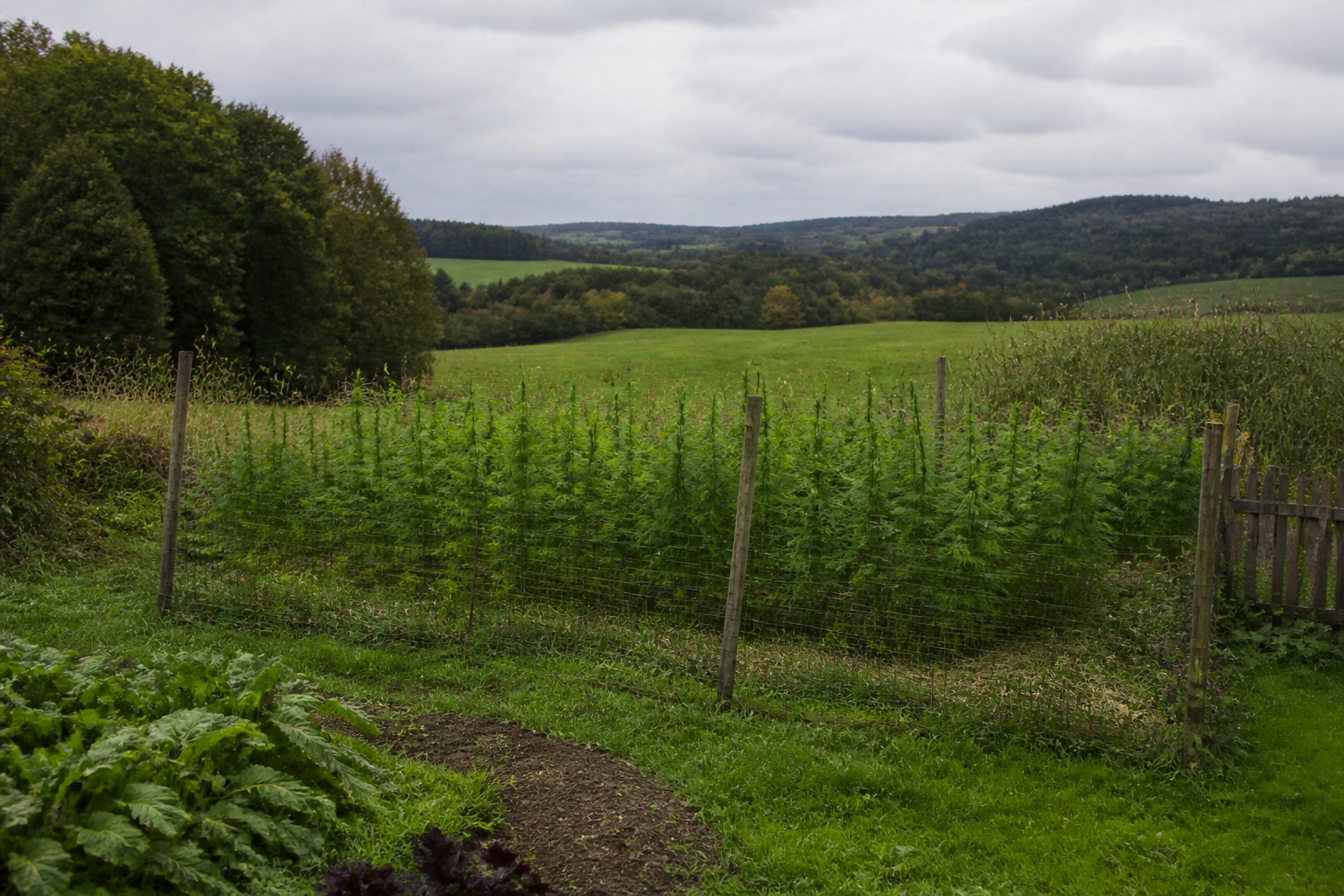
Anyone researching Marijuana cultivation laws in Zwettl-Niederösterreich should begin with one important point: Zwettl does not have a separate municipal cannabis cultivation code. The principal rules come from Austrian federal narcotics law, so the same legal framework applies in Zwettl, throughout the district, and across Lower Austria.
That does not mean every cannabis plant is automatically treated in exactly the same way. The legal assessment can depend on the plant variety, its intended use, the plant material involved, and whether authorities believe it was cultivated to produce a narcotic drug. This article explains the practical issues without assuming that a private garden, balcony, or greenhouse creates a legal exception.
Does Austrian law allow home cannabis growing in Zwettl-Niederösterreich?
Austria does not provide a general recreational home-grow entitlement comparable to a regulated personal-cultivation system in some other countries. Growing cannabis for the purpose of obtaining a narcotic drug can constitute a criminal offence under the Austrian Narcotic Drugs Act, known as the Suchtmittelgesetz or SMG.
In practical terms, a person should not assume that a small number of plants is automatically lawful because the plants are kept at home or because the intended harvest is for personal use. Personal use may affect how conduct is assessed or how authorities respond, but it is not a blanket permission to cultivate plants containing intoxicating cannabis.
The Austrian legal information system RIS is the most reliable place to check the current wording of federal legislation and published legal materials. Because legislation and administrative practice can change, anyone facing a specific situation should read the current text or obtain advice from an Austrian lawyer.
Why the purpose of cultivation matters
Austrian rules focus on the purpose of cultivation as well as the plant itself. Cultivation intended to produce cannabis for its narcotic effects is legally different from growing an authorised agricultural hemp variety for a permitted commercial purpose. However, describing a crop as “hemp” does not by itself resolve the issue.
- Plants grown to harvest intoxicating cannabis can create criminal-law risk.
- Plants grown as ornamental specimens are not automatically a safe category if the facts suggest an intention to produce a narcotic drug.
- Industrial hemp may be subject to variety, seed, THC, agricultural and marketing requirements.
- Seeds, seedlings, flowers, extracts and harvested plant material may raise different legal questions.
How cannabis cultivation rules apply in Zwettl
For residents searching for cannabis cultivation rules in Zwettl, the main distinction is between prohibited drug production and narrowly regulated hemp activity. Local geography does not change the federal rule. A crop beside a farmhouse outside Zwettl, on a private allotment, or inside a town property can still attract the same legal questions.
Local authorities may become involved in practical matters such as land use, building permissions, environmental issues, nuisance complaints or business administration. Those local matters are separate from the federal question of whether cannabis cultivation or possession violates the SMG. A municipal approval, lease, or private-landowner consent would not legalise conduct prohibited by federal narcotics law.
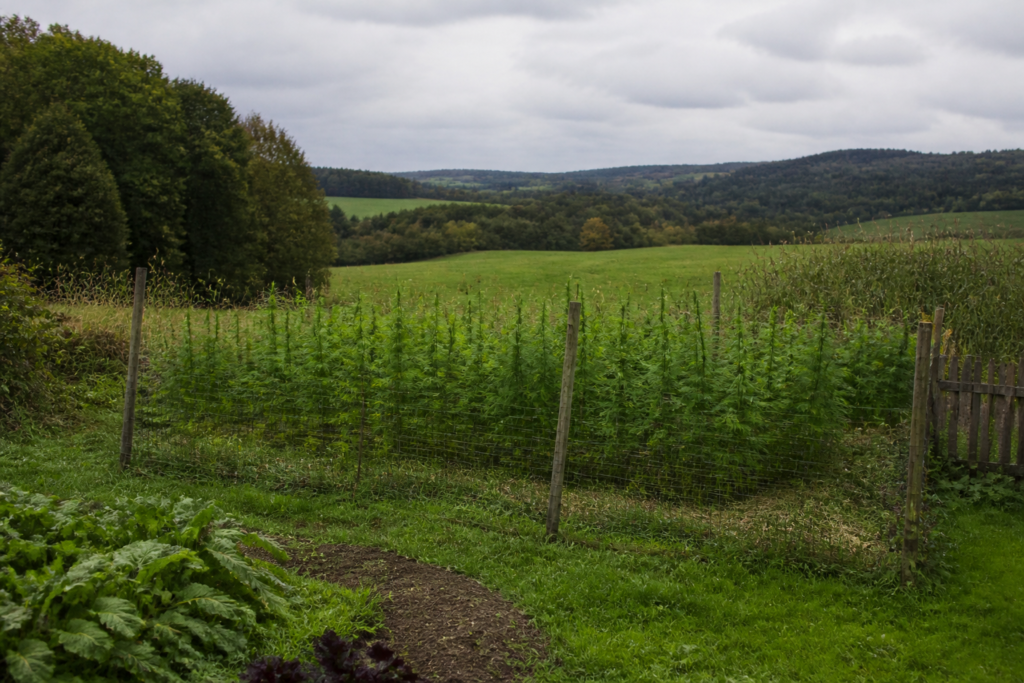
Private gardens, balconies and indoor growing
Indoor equipment does not create a legal loophole. Grow lights, ventilation, tents and hydroponic systems may be lawful items in themselves, but using them to cultivate cannabis for narcotic production can still be problematic. The same applies to a balcony or garden: visibility, plant count and location do not establish a general right to grow marijuana.
Residents should also consider additional risks connected with indoor cultivation. Electrical alterations, high humidity, mould, excessive heat, water damage and fire hazards may create safety or tenancy problems even apart from narcotics law. Renters should not install equipment or alter a property without checking the lease and obtaining any required permission.
Industrial hemp and CBD plants in Lower Austria
Industrial hemp is often confused with marijuana because both come from the cannabis plant. In Austria, some hemp cultivation may be permitted when it falls within applicable agricultural and narcotics-law conditions. Those conditions can include the approved variety, seed certification, THC limits, the intended use and documentation.
This is not a general home-growing exemption. A person who buys a “CBD” seed or plant from an online seller cannot assume that the label settles its legal status in Austria. Cultivating a variety that is unsuitable, poorly documented, or intended to produce prohibited flowers may expose the grower to legal risk.
Commercial operators should verify current requirements before planting. They may need to examine agricultural rules, seed and variety documentation, product restrictions, land-use requirements, harvesting arrangements and rules for selling or processing the crop. The Austrian Federal Ministry of Social Affairs, Health, Care and Consumer Protection provides official national health and regulatory information, but a specialist adviser may be necessary for a commercial project.
For a broader explanation of the distinction between hemp products and intoxicating cannabis, readers can also review this practical guide to CBD laws and products in Waidhofen an der Ybbs. The legal details remain Austrian and should be checked against current official rules rather than copied from product packaging.
What penalties may follow unlawful cultivation?
The consequences of unlawful cultivation depend on the facts. Relevant considerations can include the number and maturity of plants, the amount and type of material, the alleged purpose, whether harvesting or processing occurred, prior conduct, and whether prosecutors allege supply to another person.
Possible consequences may include seizure of plants and equipment, police investigation, criminal proceedings, fines or imprisonment. The seriousness of the case can increase where authorities allege commercial production, distribution, organised activity, or cultivation involving a substantial quantity. It is not possible to determine a likely outcome from plant count alone.
Possession of harvested cannabis, giving it to someone else, selling it, importing seeds or plant material, and driving under the influence can create separate legal issues. A person should not treat cultivation as an isolated question if cannabis has already been harvested or moved across a border.
For context on how Austrian cannabis penalties can be discussed in a local setting, see this related overview of cannabis laws and penalties in St. Veit an der Glan. The location differs, but the federal legal framework is the relevant point of comparison.
What should someone do if plants are discovered?
If police or another authority contacts a resident about cannabis plants, staying calm and avoiding speculative statements is sensible. A person should not destroy plants, conceal evidence, move the crop, or attempt to influence witnesses. Those actions can create additional complications.
- Ask what authority is involved and what the inquiry concerns.
- Do not consent to searches or make detailed statements without understanding your rights.
- Request legal advice from an Austrian criminal defence lawyer, especially if questioning, seizure or a search is taking place.
- Keep purchase records and agricultural documentation for lawful hemp activity, if relevant.
- Do not transport plants, flowers, extracts or seeds across a border while trying to resolve the issue.
This is general information, not individual legal advice. A lawyer can assess the plant variety, cultivation purpose, location, communications, documents and any laboratory findings. Those details may matter far more than a casual description such as “marijuana plant” or “CBD plant.”
Practical checklist for residents and landowners
Before growing any cannabis-related plant in or around Zwettl, a resident or landowner should work through the following questions:
- What exact plant variety is involved, and is reliable documentation available?
- What is the intended purpose: ornamental use, seed production, industrial hemp, CBD processing or intoxicating flower?
- Does the proposed activity satisfy current Austrian narcotics and agricultural requirements?
- Are there tenancy, planning, environmental, fire-safety or business obligations?
- Could the crop or harvested material be considered intended for narcotic production?
- Has a qualified Austrian adviser reviewed the plan before cultivation begins?
Online descriptions from foreign websites are particularly risky because personal cultivation rules differ widely between countries. A rule that applies in Germany, Canada or a US state should not be assumed to apply in Zwettl-Niederösterreich.
Weed in Zwettl: the key takeaway
For people searching about weed in Zwettl or cannabis in Zwettl, the safest summary is that Austria does not offer a simple recreational home-growing permission. Cultivation intended to obtain a narcotic drug can be punishable, while industrial hemp activity may be possible only within specific legal and administrative conditions.
Accordingly, cannabis laws in Zwettl are primarily Austrian federal laws rather than special local rules. Do not rely on plant count, private property, a CBD label, or an online seed listing as proof of legality. Check the current official rules and obtain professional advice before planting, harvesting, processing or transporting cannabis-related material.
Conclusion
The legal position on marijuana cultivation in Zwettl-Niederösterreich is shaped mainly by the Austrian SMG and related federal rules. Recreational home growing should not be treated as generally permitted. Industrial hemp and other low-THC activities may fall into different categories, but they require careful verification of variety, purpose, THC status and applicable agricultural requirements.
Because the consequences can include investigation, seizure and criminal penalties, the most responsible approach is to confirm the law before cultivation begins. When the facts are already attracting official attention, prompt advice from an Austrian lawyer is more reliable than assumptions based on foreign cannabis laws or commercial product descriptions.