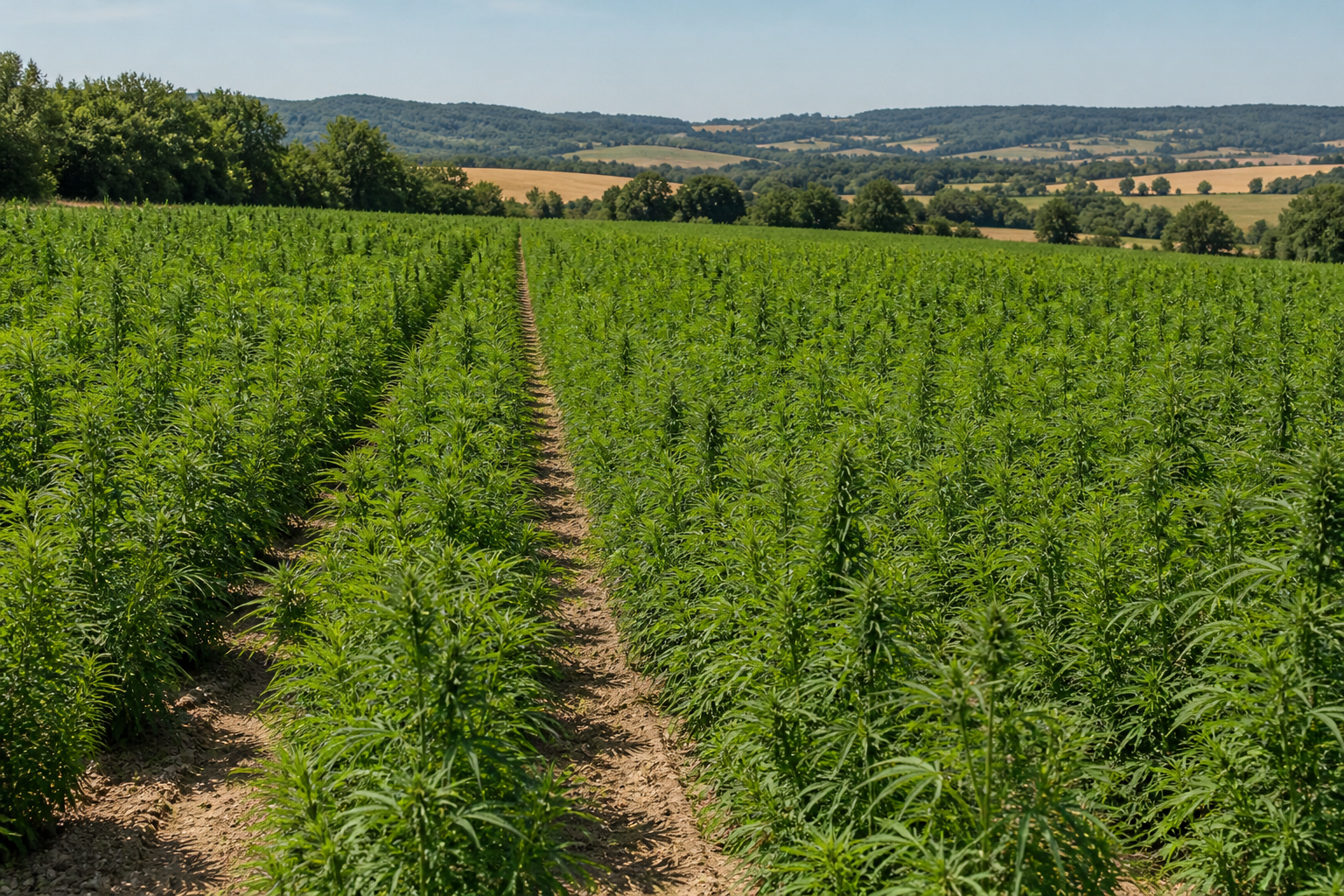
Hemp in Toulouse is best understood through the distinction between industrial hemp, CBD products and recreational cannabis. Although these plants are related, French law does not treat every hemp-derived product in the same way. The rules can depend on the plant variety, THC content, product format, intended use and how the product is marketed.
Toulouse is a major city in Occitanie, surrounded by an agricultural region with experience in crops, food processing, textiles and green innovation. That setting gives hemp potential in construction materials, fibre, cosmetics and other industries. It does not, however, create a special local cannabis market or separate Toulouse exception to national law.
This guide explains the practical issues for residents, businesses and visitors. It focuses on lawful industrial hemp and CBD rather than encouraging the purchase or use of controlled drugs.
What hemp means in Toulouse
Hemp generally refers to varieties of Cannabis sativa cultivated for industrial purposes and bred to contain very low levels of THC, the intoxicating cannabinoid. Farmers and manufacturers may use different parts of the plant for fibre, seeds, oil, hurd, cosmetics or other products.
In everyday conversation, people sometimes use “hemp” to describe CBD flowers or oils. That can be misleading. A CBD product may be made from hemp, but its legal treatment depends on the finished product and its compliance with French and European requirements. A product labelled “hemp” is not automatically legal, safe or suitable for consumption.
Industrial hemp and recreational cannabis are not the same
Industrial hemp is cultivated for non-intoxicating applications and must meet regulatory conditions. Recreational cannabis is generally associated with products containing enough THC to produce an intoxicating effect and remains prohibited for unauthorised possession, use, sale and supply in France.
For a broader comparison of national rules and visitor risks, see this practical guide to cannabis laws and practical advice in Paris. The same French national framework applies in Toulouse, even though local policing and enforcement circumstances can vary.
Hemp laws in Toulouse and France
There is no separate municipal hemp law that makes Toulouse more permissive than the rest of France. Businesses and individuals must follow national legislation, European rules where applicable, and product-specific requirements. Local authorities may still regulate markets, business premises, public spaces and commercial activity within their ordinary powers.
French rules have evolved, particularly around low-THC hemp and CBD. Before buying, selling, transporting or importing a product, it is sensible to check current official guidance rather than relying on packaging claims, social-media posts or an old article.
The French public-service information on drug use and penalties in France is a useful starting point for understanding the risks attached to unauthorised narcotics. It is especially important for visitors, because carrying cannabis across a border or taking it onto public transport can create legal problems even when a product was purchased elsewhere.
Possession, use and public spaces
Low-THC hemp products should not be confused with permission to possess or consume THC-rich cannabis. Using or possessing prohibited cannabis in Toulouse can lead to sanctions, and public consumption may create additional problems involving nuisance, public order or police checks.
Do not assume that a CBD label protects a product from testing or scrutiny. Poorly controlled products may contain more THC than stated, while flowers and resins can resemble prohibited cannabis. A traveller should never carry cannabis across the French border, regardless of the product’s appearance or the seller’s assurances.
Growing hemp privately
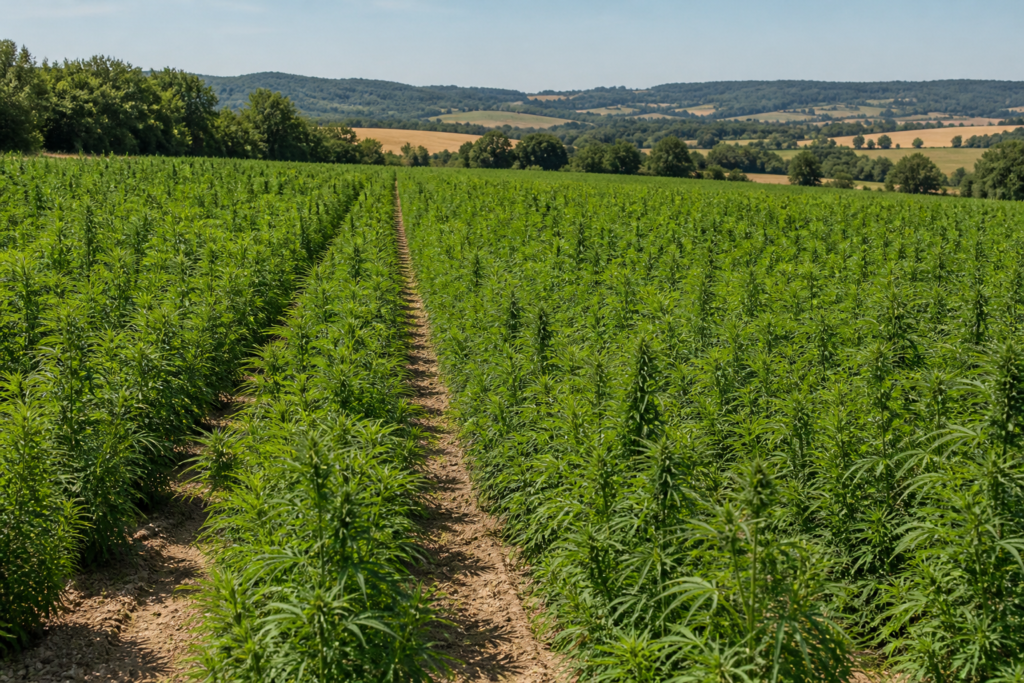
Growing plants at home is not a simple way to bypass the law. Lawful industrial cultivation is connected to approved varieties, agricultural rules, traceability and the intended use of the crop. A private grower may also face difficulty proving that plants meet the relevant requirements, particularly when they resemble high-THC cannabis.
Anyone considering cultivation for a farm or commercial project should obtain current advice from the relevant French agricultural authorities, professional advisers and seed suppliers with documented compliance procedures. A general online claim that a seed is “legal hemp” is not enough.
CBD in Toulouse: products, purchasing and caution
CBD in Toulouse is available through some specialist retailers, wellness businesses and online sellers, but availability does not guarantee quality or legality. CBD is not generally intoxicating in the same way as THC, yet it can still raise health, driving, employment and medication concerns.
French and European requirements can differ according to whether a product is sold as a cosmetic, food, supplement, vape product or another category. Food and ingestible products may face additional rules, including requirements associated with novel foods. A retailer should be able to explain what the product is, where it was made and what testing supports its label.
What to check on a CBD product
- Clear information about the manufacturer, ingredients, batch and recommended use.
- A recent independent laboratory report showing cannabinoid content and screening for contaminants.
- Accurate THC information that is consistent with the applicable French requirements.
- Warnings for pregnancy, breastfeeding, driving and interaction with medicines where relevant.
- Packaging that does not make unsupported medical or therapeutic promises.
Avoid products with vague labelling, unusually strong medical claims, no traceable business address or pressure to buy immediately. Flower, resin, oils, gummies and vapes can have different regulatory and health considerations, so they should not be treated as interchangeable.
Health and safety considerations
CBD can cause unwanted effects such as drowsiness, digestive symptoms or changes in how some medicines are processed. The risk may be greater when products are concentrated, combined with alcohol or taken alongside prescription drugs. Anyone using regular medication should ask a doctor or pharmacist before using CBD.
Do not drive after taking a product that may contain THC or cause drowsiness. A person can feel unimpaired and still face a legal or safety issue if a prohibited substance is detected. Vaping also carries product-quality and lung-health concerns, especially when ingredients and heating devices are poorly controlled.
Medical cannabis is a separate subject from retail CBD. A person should not substitute an unregulated CBD oil or cannabis product for prescribed care. The French National Agency for the Safety of Medicines and Health Products provides official information about medicines and health-product safety.
Industrial hemp opportunities around Toulouse
Industrial hemp in Toulouse could fit several regional activities, although a promising application still needs a viable supply chain and regulatory review. Hemp fibre may be considered for textiles, insulation, composites and other materials. The woody inner part of the stem, often called hemp hurd, can be used in construction mixes and lightweight products. Hemp seed can be processed into food ingredients and oil when the product meets applicable food rules.
For the Toulouse area, practical opportunities may involve construction renovation, low-carbon materials, packaging, agricultural diversification, research partnerships and local manufacturing. Climate, irrigation, soil, harvesting equipment and access to processing facilities all matter. Growing a crop without a nearby processor can undermine the environmental and economic case.
Questions for a hemp business
- Which hemp variety and plant part will be used?
- What THC and contaminant testing is required?
- Is the product a food, cosmetic, material, supplement or another regulated category?
- Which authority or professional body should review the activity?
- How will the product be labelled, stored, transported and traced?
- Is there a reliable processor or buyer within a practical distance of the farm?
Businesses should also distinguish environmental marketing from evidence. Hemp may offer useful agronomic and material properties, but its sustainability depends on inputs, transport, processing energy, product lifespan and what material it replaces.
Buying and travelling responsibly
Visitors searching for weed in Toulouse may encounter businesses using the word hemp or CBD in their branding. That does not mean recreational cannabis is legal. Ask what the product contains, check the packaging and do not purchase from informal sellers. Buying from an unverified source creates both legal and health risks.
Travellers should keep receipts and original packaging for lawful commercial products, but documentation is not a guarantee that border officials or another country will accept the item. Never take flowers, oils, vapes or edibles across an international border without checking the rules of every country involved. Rules outside France may be stricter, even for low-THC products.
For another French-city perspective, the article on marijuana laws and practical risks in Marseille illustrates why location-specific shopping advice should not replace national legal guidance.
How to research hemp in Toulouse
Reliable research starts with the product category rather than the marketing name. Look for current information from French public authorities, recognised health agencies, agricultural professionals and laboratories. Check the publication date because CBD and hemp rules can change through court decisions, European developments and regulatory updates.
When contacting a retailer or business, ask precise questions instead of accepting broad statements such as “fully legal” or “medical grade.” A responsible seller should explain the product’s composition, intended use and quality controls without promising to treat a disease.
Residents with a health concern should speak with a qualified healthcare professional. Farmers and entrepreneurs should obtain tailored legal, tax and agricultural advice before investing. General information can identify questions, but it cannot replace a review of a specific product or business model.
Conclusion
Hemp in Toulouse has legitimate industrial, agricultural and commercial dimensions, particularly in materials, textiles, food ingredients and carefully regulated CBD products. The key is to separate low-THC industrial hemp from intoxicating cannabis and to assess each finished product under the rules that apply to it.
For residents and visitors, the safest approach is straightforward: check current French guidance, buy only traceable products, avoid unsupported health claims, do not drive after use and never transport cannabis across borders. For businesses, compliance, testing, traceability and a realistic local supply chain should come before branding or investment.