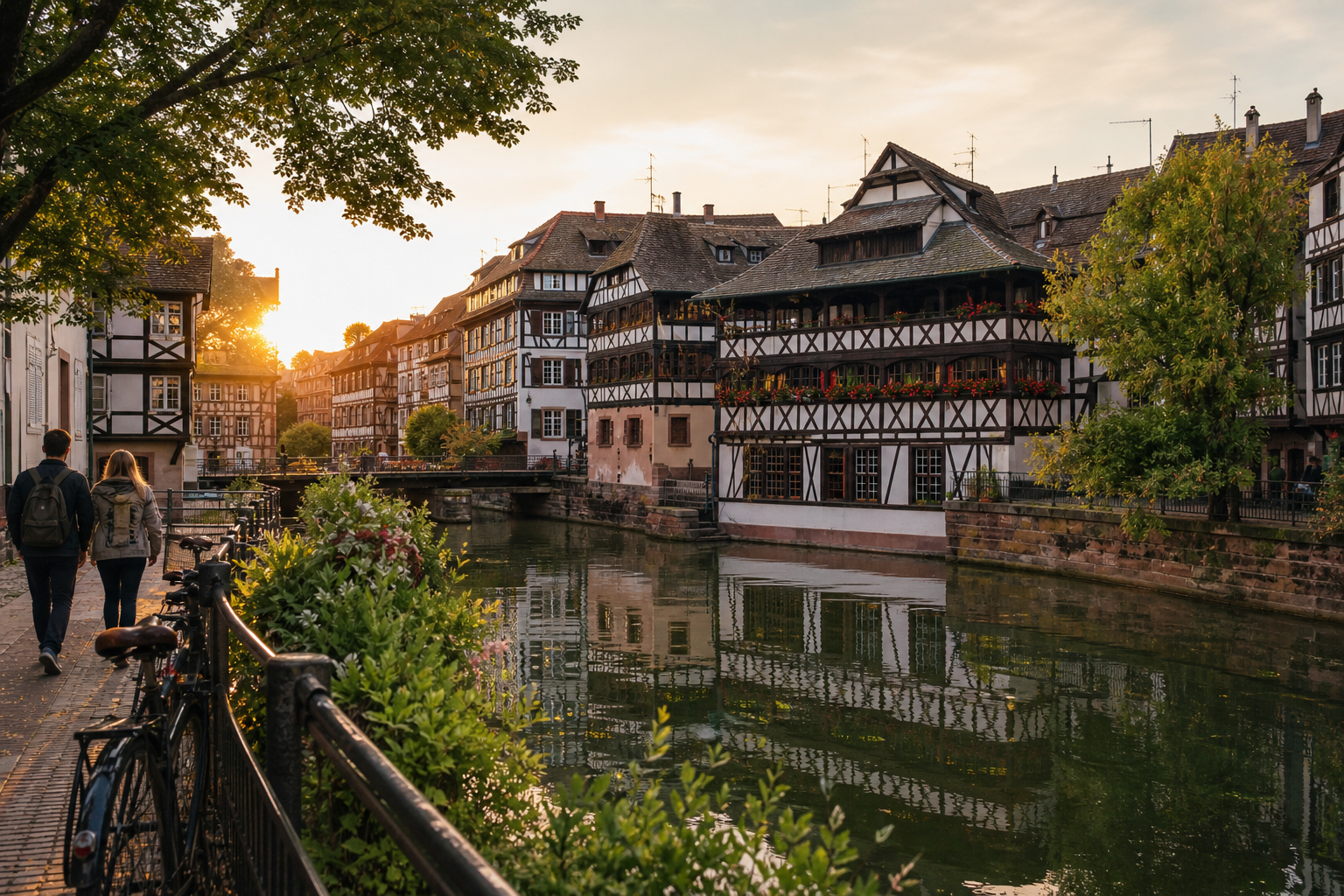
Strasbourg is known for its historic centre, European institutions, Alsatian food and location near the German border. It is not, however, a destination for legal recreational cannabis tourism. Anyone researching Cannabis tourism in Strasbourg should understand that French law does not create a licensed market for adult-use cannabis, and visitors face the same rules as residents.
This guide explains what travellers should know about weed in Strasbourg, CBD products, medical access, public conduct and cross-border travel. It is intended as practical information, not legal advice. Laws and enforcement policies can change, so check official French sources before travelling.
Cannabis laws in Strasbourg: the essential position
Strasbourg follows French national law. Recreational cannabis possession, purchase, supply and use are prohibited. The fact that cannabis may be treated differently in another country does not create an exception for visitors in France. A tourist, student or business traveller can be questioned or sanctioned under the same national framework as anyone else.
French authorities may respond to simple use or possession through different procedures depending on the circumstances. Consequences can become more serious when there is evidence of supply, repeated offending, larger quantities, driving under the influence or conduct that creates a public-safety concern. The safest assumption is that carrying cannabis in Strasbourg is unlawful, even if it is intended only for personal use.
For current information about French administrative procedures and public rules, consult the official Service-Public.fr government information portal. If an incident occurs, contact a qualified French lawyer or your consulate rather than relying on informal advice online.
Possession, use and public places
Using cannabis in streets, parks, squares, hotel common areas or other public settings can draw attention and create additional problems. Smoking near children, schools, transport facilities, public events or crowded tourist areas is particularly inappropriate. Odour alone can lead to complaints or a police interaction, while disorderly behaviour can add separate issues.
Private accommodation is not automatically a safe legal loophole. Hotels, hostels, holiday rentals and student residences can prohibit smoking or drug use under their terms. Owners and staff may ask guests to leave, charge for damage or involve the police. A private room does not legalise possession or consumption.
What cannabis tourism in Strasbourg really looks like
Because France has no ordinary recreational dispensary system, Strasbourg does not offer the kind of legal cannabis tours, tasting rooms or adult-use retail experiences found in some other jurisdictions. Businesses advertising cannabis-themed activities may be discussing hemp, CBD, history or culture rather than lawful access to high-THC marijuana.
A responsible itinerary can still explore the wider subject without buying or consuming illegal drugs. Visitors might learn about hemp textiles, regional agriculture, French drug policy or public-health approaches. These activities are very different from a promise of legal marijuana sales, and travellers should be cautious about websites or social-media accounts that suggest otherwise.
Why buying from informal sellers is risky
Approaching street sellers or accepting offers from strangers creates legal, health and personal-safety risks. The product may not be what it is claimed to be, and its strength or contents may be unknown. A transaction can also expose a traveller to theft, coercion, scams or police attention.
Do not assume that a small amount, a foreign medical document or a seller’s claim that the product is “legal” will protect you. Packaging and language can be misleading, and bringing an unknown substance back to accommodation or across a border can make the situation worse.
CBD in Strasbourg: a different product category, not a free pass
CBD products are distinct from intoxicating cannabis, but their sale and possession still depend on French and European requirements. Products should come from a reputable, compliant business and display clear information about ingredients, intended use and THC content. Rules can differ by product type, including flowers, oils, food products, cosmetics and vapes.
Consumers should be wary of products with unclear labelling, exaggerated health claims or no traceable manufacturer. A product sold as CBD is not automatically risk-free: it may cause side effects, interact with medicines or contain more THC than expected. People who are pregnant, taking prescription medicines or managing a medical condition should ask a healthcare professional before using it.
CBD products can also create practical travel problems. Customs and police may not be able to establish legality immediately from appearance alone, especially when packaging is incomplete. Keep any product in its original, compliant packaging and do not assume that a product legal in one country can be carried into another.
Medical cannabis in Strasbourg and France
Medical cannabis in Strasbourg is not a tourist retail option. Medical access, where available under French rules, is controlled through healthcare professionals, approved products and specific procedures. A prescription or treatment plan from another country does not automatically authorise possession, purchase or use in France.
Travellers who use prescribed cannabis should plan before departure. Ask the prescribing clinician and the relevant French authorities about documentation, permitted quantities, packaging and transport. Keep medicines in their original labelled container, carry only the amount allowed for the trip and bring supporting medical documents. Do not transfer prescribed medicine to another person.
Do not confuse medical cannabis with general wellness products. CBD oils, hemp products and supplements are not substitutes for a prescribed treatment, and marketing language is not proof of medical quality. For health information and national public-health guidance, consult Santé publique France and speak with a licensed healthcare professional.
Cross-border travel between Strasbourg and Germany
Strasbourg’s proximity to Germany makes border awareness especially important. A visitor may notice different rules or public discussions on the German side, but those differences do not remove French restrictions. Crossing an international border with cannabis can create customs, transport and criminal-law risks even when the substance was acquired legally or tolerated somewhere else.
Do not carry cannabis, cannabis-infused foods, vapes or unverified CBD products across the border. This applies to journeys by car, train, coach and air travel. It also applies when changing trains or travelling onward after a stay in Strasbourg. A product’s legal status in the place of purchase is not a guarantee that it may enter France or another destination.
Travellers should also avoid driving after consuming cannabis. Impairment can affect reaction time, attention and judgement, while drug-driving rules may create serious consequences independently of whether a person feels impaired. Arrange a sober driver or use public transport when appropriate.
How to enjoy Strasbourg without legal trouble
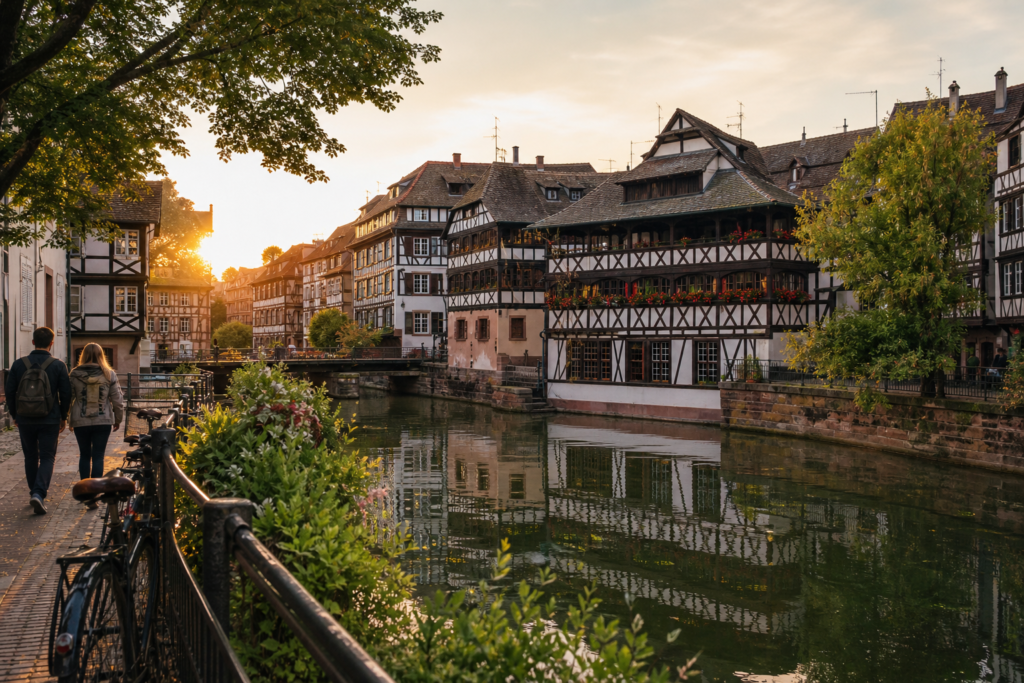
The city offers plenty of reasons to visit without making cannabis the focus of a trip. Walk through Grande Île, explore Petite France, visit museums, sample Alsatian cuisine and use Strasbourg’s tram and cycling network responsibly. Seasonal markets, river tours and nearby cultural sites provide legal alternatives for a full itinerary.
- Research French rules before arrival rather than relying on advice from social media.
- Do not buy, carry or consume recreational cannabis in Strasbourg.
- Check accommodation policies on smoking, vaping and prohibited substances.
- Keep medicines and permitted health products in original packaging.
- Do not carry cannabis or questionable CBD products across international borders.
- Use public transport or a sober driver and never drive after consuming an intoxicating substance.
- Seek medical help immediately if someone experiences severe anxiety, confusion, chest pain, loss of consciousness or other worrying symptoms.
Common misconceptions about cannabis in Strasbourg
“Everyone uses it, so tourists are unlikely to face consequences.”
Visible use by some people is not evidence of legality or immunity. Enforcement can vary by place and circumstance, but visitors should not treat perceived tolerance as permission.
“A CBD label makes any cannabis product legal.”
CBD legality depends on the product, its ingredients, THC content, labelling and compliance with applicable rules. Flowers, edibles and liquids can raise different questions. Unclear packaging is a warning sign, not reassurance.
“A foreign prescription solves the problem.”
Foreign medical documentation may support a travel request, but it does not automatically authorise entry, possession or use. Confirm the requirements before departure and obtain professional advice for a personal case.
“A short border trip changes the rules.”
It does not. International movement can add customs and transport issues to the underlying drug-law question. Travellers should avoid carrying cannabis between Strasbourg and any neighbouring country.
A practical checklist before visiting Strasbourg
- Check current French government guidance and the rules of your airline, rail operator and accommodation.
- If you take a cannabis-based medicine, ask your clinician and the relevant authorities about documentation and transport.
- Leave recreational cannabis at home and do not plan to purchase it in France.
- Treat CBD as a regulated product and verify its source, labelling and suitability for you.
- Plan border journeys without carrying cannabis or unverified cannabis-derived products.
- Save emergency contacts and know how to reach local medical services if needed.
Conclusion: a safer approach to cannabis travel in Strasbourg
Cannabis tourism in Strasbourg is best understood as a legal and travel-awareness topic, not as an invitation to seek recreational cannabis. France prohibits ordinary adult-use cannabis activity, and Strasbourg’s border location makes transporting products especially risky. CBD and medical products require separate, careful consideration, while informal purchases offer no reliable protection.
Visitors can enjoy Strasbourg’s architecture, food, culture and European character without putting their trip at risk. Check official information, respect local rules, avoid cross-border possession and seek professional advice for medical situations. That approach is more useful—and far safer—than treating rumours about cannabis in Strasbourg as a travel plan.