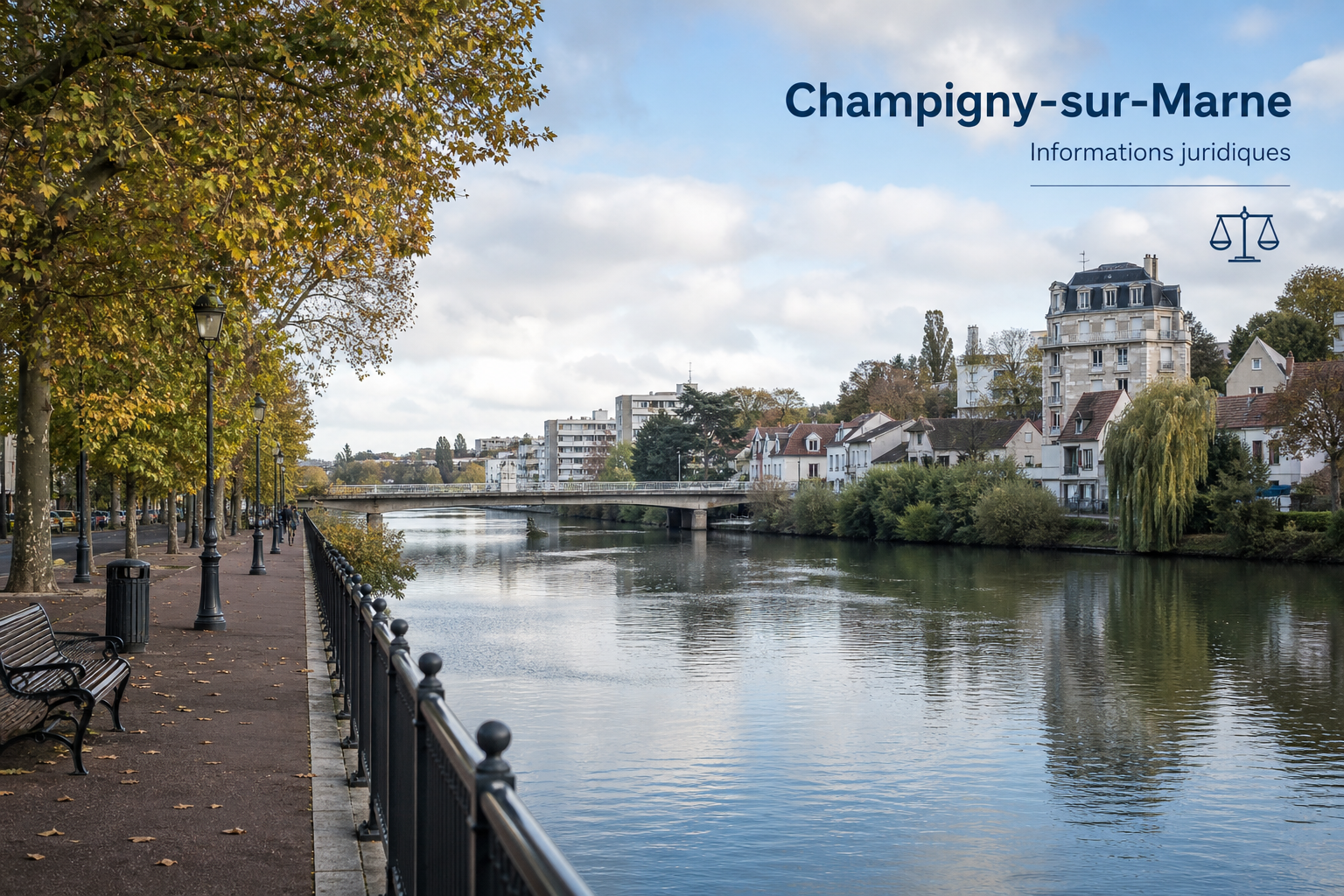
Understanding the cannabis regulations for tourists in Champigny-sur-Marne is important before visiting this eastern Paris suburb. Champigny-sur-Marne does not have a separate tourist cannabis code: the same French national rules apply in the city, on public transport, in hotels, and throughout the Île-de-France region. Recreational cannabis remains illegal, and visitors can face penalties for possession, use, purchase, transport, or driving after consuming it.
This guide explains the practical rules without assuming that local customs change the law. Whether you are researching weed in Champigny-sur-Marne, travelling through the Paris area, or considering a CBD product, the safest approach is to treat cannabis as a controlled substance and verify any time-sensitive legal detail with an official source.
Are cannabis laws in Champigny-sur-Marne different from the rest of France?
No. Champigny-sur-Marne is governed by French national drug legislation. There is no general recreational cannabis market, licensed visitor dispensary, or local exemption for tourists. A product being offered openly, sold through informal contacts, or described as “normal” by another traveller does not make it lawful.
French law distinguishes between different types of conduct, but none creates a legal recreational route for visitors. Possessing cannabis, buying it, carrying it for another person, or using it can all create legal problems. A traveller’s nationality, short stay, or lack of prior convictions does not provide immunity.
For a broader comparison, the guidance on cannabis laws for travellers in Béziers reflects the same national framework, although this article focuses on Champigny-sur-Marne and its practical travel context.
Possession, purchase and use: what tourists should know
Possession and personal use
French authorities can respond to cannabis use or possession with a fixed penalty procedure in appropriate cases. The commonly cited amount for a fixed criminal fine is €200, reduced to €150 when paid promptly and increased to €450 if payment is late. The procedure is not a declaration that cannabis is legal, and it may not apply to every situation. The amount, process, and consequences can depend on the facts, the quantity, the person’s circumstances, and the authorities’ assessment.
More serious cases may proceed through the criminal justice system. Larger quantities, indications of supply, repeat offending, multiple offences, or other aggravating circumstances can lead to more serious investigation and prosecution. Tourists should not assume that a small quantity always guarantees a particular outcome.
Official French public-service information on drug use and the fixed fine for narcotics is the best place to check the current procedure and payment conditions.
Buying or sharing cannabis
Buying cannabis in Champigny-sur-Marne is illegal, even if the seller claims that the product is safe, low-risk, or intended only for personal use. Sharing cannabis with friends can also create legal exposure. Informal sales may additionally involve counterfeit products, unknown potency, contamination, theft, or scams.
Do not ask hotel staff, taxi drivers, nightlife workers, or strangers for a supplier. Apart from the legal risk, approaching people in this way can put you in unsafe situations. A person offering cannabis near a station, nightlife area, or tourist destination is not an authorised retailer simply because the transaction appears routine.
Where cannabis use is prohibited
Using cannabis in public places is not a safe legal option. This includes streets, parks, public squares, station areas, building entrances, restaurant terraces, and other places accessible to the public. Smoking near children, schools, sports facilities, or residential buildings can create additional complaints and enforcement attention. Private accommodation does not automatically mean consumption is permitted: hotels, short-term rentals, and serviced apartments may prohibit smoking or any drug use under their house rules.
Vaping or eating cannabis does not remove the legal issue. The rule concerns the controlled substance and its use, not only the appearance of smoke. Edibles can also be especially risky because their contents and strength may be uncertain and their effects can last longer than expected.
For related practical context, see the article about public cannabis consumption laws in nearby Créteil. The same national restrictions apply, but local enforcement circumstances can vary.
Transport, driving and public transit
Never drive after using cannabis in France. French drug-driving rules are strict, and a positive test can create serious consequences even when the driver does not feel impaired. Cannabis can affect attention, reaction time, coordination, and judgment. Combining it with alcohol increases the safety risk.
The restriction applies to cars, motorcycles, scooters, and other vehicles. Visitors should also be cautious with bicycles and electric scooters: impairment can cause crashes, injuries, police intervention, and insurance complications even where the precise offence differs from motor-vehicle drug driving.
Public transport is not a workaround for carrying or using cannabis. Keep away from consumption on trains, buses, platforms, and station premises. Do not carry cannabis to or from Champigny-sur-Marne by train, coach, taxi, or rideshare. A journey between Paris and the suburb does not create a legal exception.
If you have consumed any intoxicating substance, use a sober designated driver or choose lawful transport. Do not rely on coffee, a shower, fresh air, or a short wait to make driving safe.
Crossing borders with cannabis
Do not bring cannabis into France, and do not take it out of France when leaving. This applies to flower, resin, oils, edibles, vapes, and other preparations. Border rules apply even if cannabis was legally purchased in another country or is legal at your destination.
Airports, international trains, ports, and customs controls are particularly unsuitable places to test assumptions about personal quantities. A prescription, medical document, or product label from another country may not authorise the importation of cannabis into France. Contact the relevant French authorities and your destination country’s consulate before travelling with any controlled medicine; do not rely on an online seller’s claim that a product is “legal everywhere.”
CBD and hemp products in Champigny-sur-Marne
CBD is not the same as recreational cannabis, but CBD products still require care. Some products sold as CBD may contain trace amounts of THC, be incorrectly labelled, or fall outside the conditions permitted under French and European rules. A shop display does not guarantee that every item is suitable for travellers or lawful to carry across a border.
Do not assume that a CBD vape, oil, flower, gummy, or cosmetic has identical rules. Check the ingredients, THC information, packaging, and intended use. Products containing enough THC to produce a positive drug test can be a particular problem for drivers, even if the purchaser thought the item was CBD.
Travellers should also distinguish CBD from synthetic or semi-synthetic cannabinoids. A product marketed as HHC or under another new abbreviation is not automatically legal, safe, or permitted in France. Rules can change, so check current official information rather than relying on social-media posts or a retailer’s verbal assurance.
Medical cannabis and prescription medicines
France has developed tightly controlled medical-cannabis pathways and regulated access to certain cannabis-based medicines, but this does not mean that tourists can freely obtain medical cannabis in Champigny-sur-Marne. A foreign prescription is not automatically a French authorisation, and a doctor in another country cannot guarantee that a product may be imported or dispensed in France.
Do not stop essential treatment without medical advice. Before travelling, ask the prescribing clinician and the relevant French authorities about documentation, quantities, packaging, import rules, and any approval required for your exact medicine. Keep medication in its original labelled packaging and carry supporting documents when appropriate, but remember that documents alone may not solve an import restriction.
The French government’s official information on drugs and addiction provides a useful starting point for checking public-health and policy information. For general medical questions, consult a licensed healthcare professional rather than an unverified cannabis shop or online forum.
What should a tourist do if stopped?
- Stay calm, polite, and cooperative. Do not argue about local customs or claim that cannabis is legal because it is legal elsewhere.
- Do not sign documents you do not understand. Ask whether an interpreter or legal assistance is available if language is a problem.
- Do not hand cannabis to another person, hide it, discard it in a dangerous place, or attempt to leave during a police check.
- Ask how any fine must be paid and keep official paperwork. Avoid paying an unknown person or transferring money through an unofficial channel.
- If the matter involves more than a simple fixed fine, a larger quantity, driving, or an allegation of supply, contact a qualified French lawyer promptly.
Consular staff may explain how to contact local services, but they cannot cancel French proceedings or guarantee release. In an emergency, call the appropriate French emergency service and prioritise immediate safety.
Practical tips for a trouble-free visit
- Assume recreational cannabis is illegal in Champigny-sur-Marne and plan your trip without purchasing or carrying it.
- Check accommodation rules before smoking or vaping anything, including tobacco and CBD products.
- Do not accept cannabis, edibles, vapes, or oils from acquaintances, and never carry a package for someone else.
- Use public transport or a licensed taxi rather than driving after consuming an intoxicating substance.
- Keep all medicines and wellness products in original packaging and verify cross-border requirements before departure.
- Check official French sources close to your travel date because procedures and product classifications can change.
Visitors looking at nearby destinations may also find the practical guide to cannabis smoking regulations in Rueil-Malmaison useful for comparison. It should not be treated as a substitute for current official legal advice.
Conclusion
The key point in the cannabis regulations for tourists in Champigny-sur-Marne is simple: recreational cannabis is not legal, and local familiarity does not create an exception. Possession, purchase, public use, driving after use, and cross-border transport can all carry significant risks. CBD and medical products require separate checks and should never be treated as automatically permitted.
For the lowest-risk visit, do not buy, carry, use, or transport cannabis in Champigny-sur-Marne. Check official French information before travelling, keep medicines properly documented, and seek qualified legal or medical advice when your circumstances are specific.