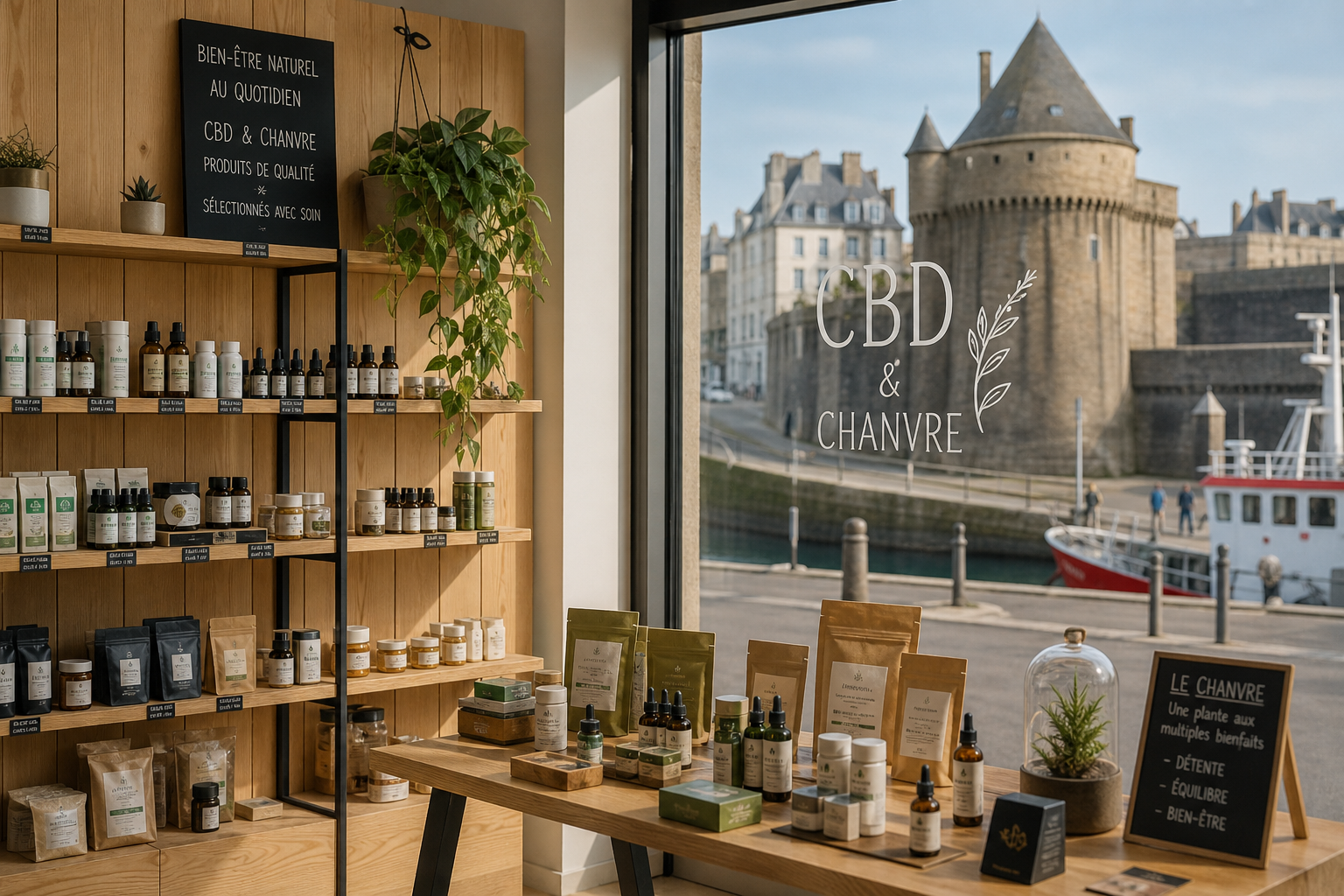
If you are searching for cannabis dispensaries in Brest, the first point to understand is that France does not have a legal recreational dispensary system like some parts of North America. Brest may have businesses selling legal hemp and CBD products, but a shop cannot lawfully sell high-THC cannabis for non-medical use.
The practical distinction is important for residents, students, sailors, tourists and other visitors. A CBD retailer is not the same as a recreational cannabis dispensary, and a product displayed in a shop is not automatically safe to consume, legal to carry across a border or suitable for driving. This guide explains the local shopping landscape, the main French rules and sensible ways to avoid preventable problems.
Cannabis dispensaries in Brest: what can you legally find?
In everyday conversation, people may use “dispensary” to describe any store associated with cannabis. In Brest, that wording can be misleading. The legal retail market is generally focused on hemp-derived products, especially CBD items, rather than intoxicating cannabis containing substantial levels of THC.
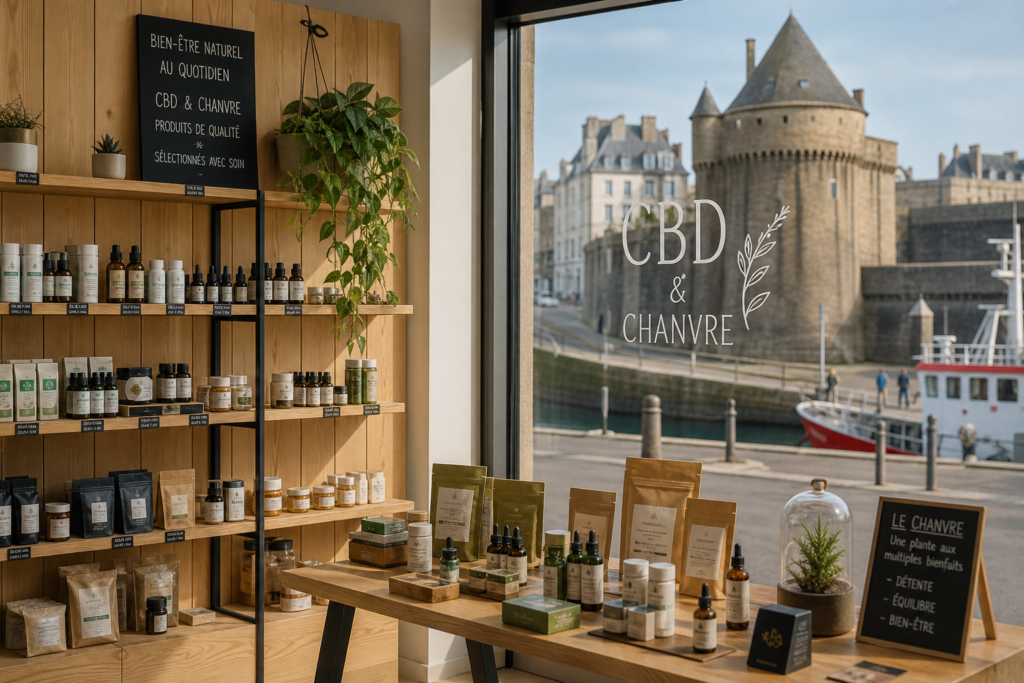
Potentially legal retail categories can include oils, flowers, capsules, cosmetics, herbal products, beverages and other hemp-based goods. The exact legality depends on the product’s composition, labeling, intended use and compliance with French and European rules. A retailer’s willingness to sell an item is not conclusive proof that the item complies with the law.
There is no ordinary walk-in route in Brest for buying recreational marijuana legally. Possessing, buying, supplying or using illegal narcotics can create legal consequences, even when the quantity is small. Rules can also apply in public spaces, private accommodation, vehicles, ports and transport hubs.
Why a CBD shop is different from a cannabis dispensary
CBD is not the same substance as THC. CBD is generally not intoxicating, while THC is the principal cannabinoid associated with the high produced by marijuana. However, CBD products can vary in quality and may contain trace cannabinoids or more THC than the label suggests.
French enforcement and product rules can change, and court decisions or European developments may affect how hemp products are treated. For current official information about drug use and penalties, consult the French government’s information on drug use rather than relying only on a shop advertisement or social-media post.
Understanding cannabis laws in Brest
Brest follows national French law; it does not have a separate municipal cannabis regime. The same rules that apply in Rennes, Nantes or other French cities apply in Finistère unless a specific local rule concerns a public place or an enforcement matter.
Non-medical cannabis containing prohibited levels of THC remains illegal. This covers more than commercial sales. Buying from an informal seller, carrying marijuana for a friend, sharing it, growing plants or bringing it into France can all create different legal risks. A visitor should not assume that rules from Spain, Canada, the United States or another country apply in Brest.
French authorities may respond to minor drug offences with a fixed penalty or other legal measures, while more serious circumstances can lead to more significant proceedings. The outcome depends on the facts, the substance, the quantity, prior conduct and whether supply or trafficking is suspected. This article is general information, not legal advice.
Public use, accommodation and transport
Using cannabis in a street, park, beach, stairwell, festival area or near a transport facility can attract attention and may expose a person to additional problems. Consumption in a hotel, short-term rental or private residence may also breach the property’s rules, even where the landlord or host cannot inspect every room.
Driving after using cannabis is particularly risky. French road law treats drug-impaired driving seriously, and a driver can face consequences even when they do not feel intoxicated. The safest approach is not to drive, cycle in traffic or operate machinery after using any product that may contain THC.
CBD shops in Brest: how to assess a product
People looking for weed in Brest sometimes turn to CBD retailers because they want a non-intoxicating hemp product. A careful buyer should focus on traceability and labeling instead of dramatic claims about strength or therapeutic effects.
- Check the ingredient list: Look for the cannabinoid content, botanical ingredients, allergens and serving information.
- Ask about laboratory testing: A responsible seller should be able to explain how the product was tested and whether results identify THC and contaminants.
- Review the packaging: Avoid products with missing batch details, unclear manufacturer information or promises that sound medical but provide no reliable evidence.
- Be cautious with flowers and vapes: Appearance does not prove legality or safety, and inhaled products can carry additional respiratory concerns.
- Keep the receipt: Retain the original packaging and purchase record, especially if you are traveling within France.
Do not assume that “natural,” “full spectrum” or “legal” means risk-free. Hemp products can interact with medicines, cause drowsiness or produce an unexpected result on a drug test. They should not be treated as a replacement for prescribed care without speaking to a qualified health professional.
What to avoid when shopping
Avoid sellers who offer high-THC marijuana while calling it CBD, promise guaranteed medical results or encourage customers to conceal products from police or customs. Be skeptical of unmarked bags, products without a batch number and online listings that do not identify a responsible business operator.
Do not buy cannabis from a stranger outside a station, nightclub, bar or tourist area. Illicit products may be contaminated, mislabeled or far stronger than expected. There is also no reliable consumer protection when a transaction takes place outside a regulated retail setting.
Medical cannabis in Brest: what patients should know
Medical cannabis is not an ordinary retail product that a customer can select from a Brest shop. Access, where available under French arrangements, is controlled through medical professionals, approved products and specific prescribing or dispensing procedures. Eligibility and availability can change as France develops its medical-cannabis framework.
Patients should begin with their doctor or specialist, particularly when considering cannabis for pain, spasticity, nausea or another condition. A clinician can review evidence, interactions and alternatives. Do not stop an existing medicine or purchase an unregulated product as a substitute for treatment.
The French medicines agency’s medical cannabis information is a useful starting point for official updates. It is more dependable than claims made by a retailer selling oils or flowers directly to the public.
Medicines, testing and health considerations
CBD and THC products may affect people differently. Potential concerns include sleepiness, dizziness, impaired concentration, anxiety and interactions with medicines processed by the liver. Anyone who is pregnant, breastfeeding, under medical treatment or managing a mental-health condition should seek professional advice before using cannabinoid products.
Drug testing is another consideration. Some products marketed as CBD contain enough THC to create a positive test, particularly when used repeatedly or when quality control is weak. If employment, sport, driving or legal obligations depend on a negative result, avoiding potentially contaminated products is the lowest-risk option.
Advice for visitors to Brest
Brest is a working port city and a gateway to western Brittany, so visitors may move between hotels, ferries, rail services, airports and private accommodation. None of these settings creates an exception to French drug law.
- Do not bring marijuana, THC oils, edibles or vapes into France from another country.
- Do not take cannabis across a border when leaving France, even if it was purchased legally elsewhere.
- Never mail cannabis or cannabis products to a hotel, hostel or private address.
- Keep legal CBD products in their original packaging and check the rules of your destination before traveling.
- Never drive after using a product that may contain THC.
Visitors researching cannabis in Brest may also benefit from comparing the national framework with guidance for other French cities, such as this overview of cannabis legality in Rennes or the practical discussion of marijuana laws in Nantes. The comparison is useful because the legal framework is national, even though local retail choices and enforcement contexts can differ.
How to make a safer decision
Before buying any hemp or CBD product in Brest, define what you are actually looking for. If the goal is intoxication, there is no lawful recreational dispensary route. If the goal is a non-intoxicating wellness product, examine the label, ask about testing and consider speaking with a pharmacist.
If a product causes severe confusion, chest pain, breathing difficulty, a seizure or loss of consciousness, seek urgent medical assistance. Do not drive the affected person yourself if doing so would create a danger. Tell medical staff what was taken and, if possible, keep the packaging available.
When in doubt about a legal issue, consult a French lawyer or an official government service. Online forums can be useful for understanding common questions, but they are not a substitute for current legal or medical guidance.
Conclusion
People searching for cannabis dispensaries in Brest should not expect legal recreational marijuana sales. The realistic legal market is centered on hemp and CBD products that meet applicable requirements, while medical cannabis follows a controlled healthcare pathway rather than ordinary shop sales.
Understanding the difference between CBD and THC, checking product traceability, avoiding informal sellers and respecting French rules can reduce unnecessary legal and health risks. For the most reliable answer, verify current information with French public authorities, a qualified healthcare professional or a legal adviser before buying, using or transporting any cannabis-related product.