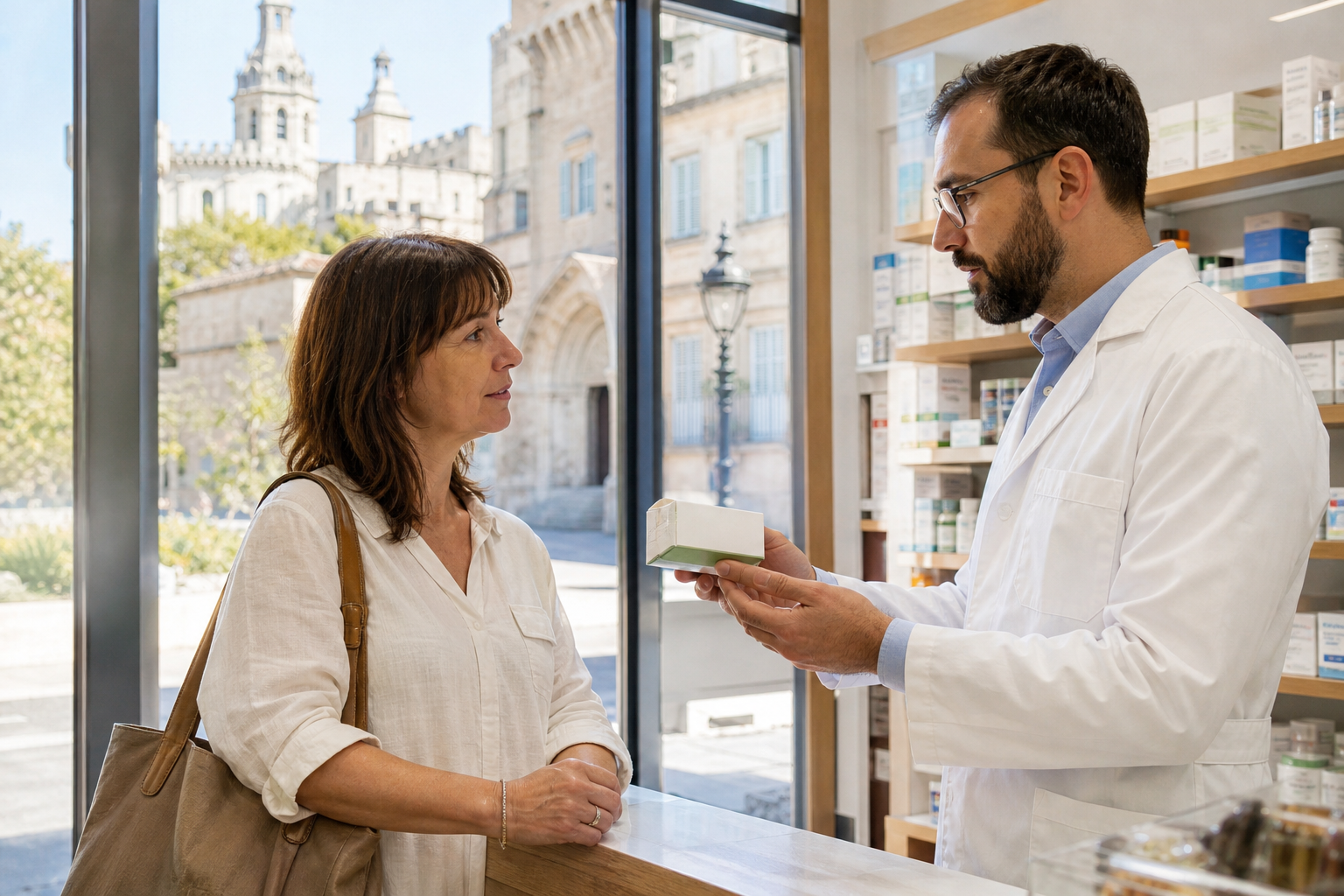
Understanding medical cannabis in Avignon requires separating regulated treatment from recreational cannabis, CBD products and informal cannabis sales. France has historically limited therapeutic cannabis access to a tightly controlled framework rather than allowing ordinary retail dispensaries. Patients in Avignon therefore need to discuss eligibility with an appropriate healthcare professional, confirm the current national rules and use only products supplied through the authorised medical route.
This guide explains the practical issues for residents and visitors: how the French system works, what to ask a doctor or pharmacist, why local availability can be limited, and which legal and safety risks deserve attention. Rules can change as France develops its long-term framework, so patients should verify current requirements through official health authorities before making decisions.
How medical cannabis in Avignon fits French law
Drug and medicine policy is set nationally in France. Avignon does not have a separate municipal system that permits cannabis prescriptions, recreational dispensaries or home cultivation for patients. The same national rules apply in Vaucluse as in the rest of metropolitan France.
France has used a controlled medical-cannabis experiment to assess cannabis-based treatments for selected patients with serious conditions and inadequate relief from existing options. Participation has depended on clinical criteria, specialist assessment, approved products and formal monitoring. This is very different from buying cannabis from a shop or asking a general retailer to recommend a high-THC product.
The status of the programme and any replacement framework may evolve through legislation and regulatory decisions. For the most reliable updates, consult the French National Agency for the Safety of Medicines and Health Products and ask a French prescriber or pharmacist to explain the rules currently in force.
What the treatment route generally involves
Access is based on a medical need, not simply on a patient’s preference for cannabis. A clinician reviews the diagnosis, previous treatments, likely benefits, contraindications and possible interactions. Where the legal framework permits access, a trained or authorised prescriber may select a formulation and establish a monitoring plan.
Products used in a regulated medical pathway may include oils, capsules, oral solutions or other pharmaceutical preparations. Their cannabinoid content, dose and manufacturing standards are controlled more closely than products purchased through informal channels. Smoking unregulated cannabis is not equivalent to taking a prescribed medicine.
Who might be considered for therapeutic cannabis?
Medical cannabis is generally discussed for severe or persistent conditions when conventional treatments have not worked well enough, caused unacceptable problems or are unsuitable. The exact eligible conditions and prescribing rules depend on the current French framework and the patient’s clinical record.
Examples of situations that may lead to a specialist discussion include certain forms of chronic neuropathic pain, severe epilepsy, spasticity associated with neurological disease, cancer-related symptoms and palliative-care needs. This list is not an automatic eligibility checklist. A diagnosis alone does not guarantee access, and cannabis should not replace an effective treatment without medical supervision.
- Review the evidence: benefits differ by condition, product and dose.
- Discuss previous care: bring a list of medicines, therapies and important treatment outcomes.
- Consider risks: dizziness, sedation, impaired concentration, anxiety and drug interactions are possible.
- Plan follow-up: a clinician should assess effects, adverse reactions and whether treatment remains worthwhile.
Finding a legitimate medical pathway in Avignon
People searching for cannabis in Avignon may encounter advertisements, social-media sellers and CBD shops. These sources cannot substitute for a medical assessment. A practical first step is to contact your usual médecin traitant, who can review your situation and refer you to an appropriate specialist if necessary.
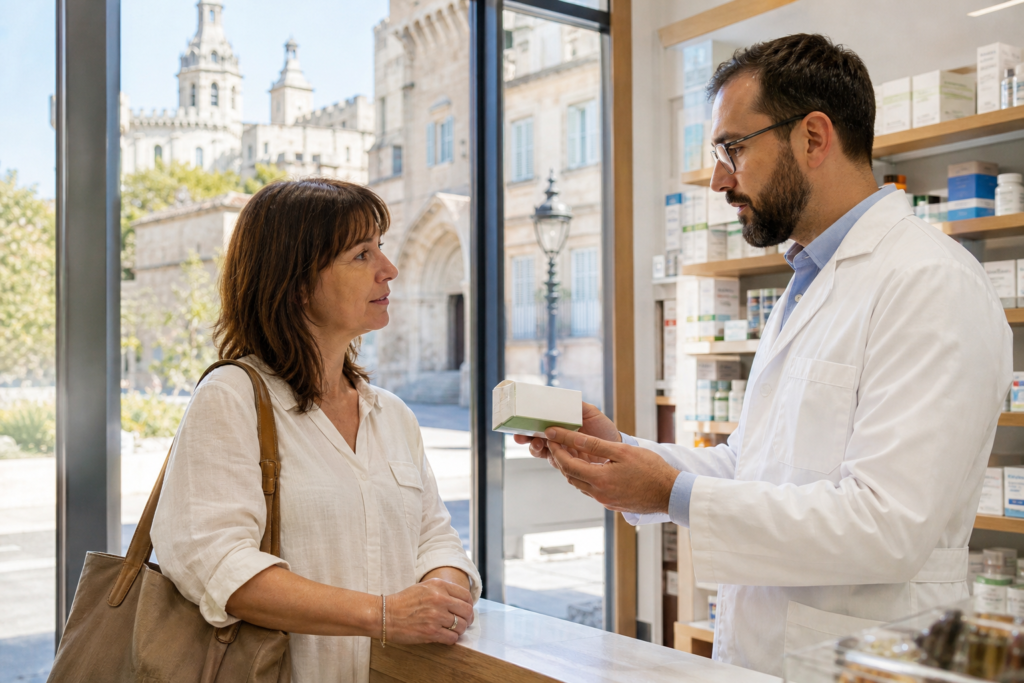
Patients may also ask a hospital pain, neurology, oncology or palliative-care service whether it has experience with cannabis-based medicines. A pharmacist can explain how authorised prescriptions are dispensed and whether a particular product is legally available. Do not assume that a pharmacy displaying CBD products can supply medical cannabis or advise on a high-THC treatment.
Questions to ask a healthcare professional
- Is my condition covered by the current French rules?
- Have standard treatments been tried appropriately, and what alternatives remain?
- Which cannabinoid preparation and route of administration would be considered?
- Could cannabis interact with my prescription or over-the-counter medicines?
- How will dose increases, follow-up and discontinuation be managed?
- What should I do if I experience severe anxiety, confusion, fainting or excessive sedation?
Keep medical records and prescriptions organised, particularly if treatment begins in another French city. A local pharmacy may need time to check supply, paperwork and the applicable dispensing process. Availability can vary, so patients should not wait until their medicine is nearly finished before asking about continuity.
Medical cannabis, CBD and recreational weed are not the same
Searches for weed in Avignon can lead to several unrelated categories. Recreational cannabis containing THC remains subject to French prohibitions outside authorised medical arrangements. Buying, possessing, transporting or supplying illicit cannabis can create legal consequences, even when someone says it is intended for pain or sleep.
CBD products occupy a different category. Some products may be lawfully sold when they meet applicable requirements, but CBD is not automatically a medical treatment and may contain trace cannabinoids or inaccurate labelling. A CBD oil purchased from a commercial source does not prove eligibility for therapeutic cannabis, provide a prescription or protect someone from impairment-related rules.
Patients should also be cautious with online sellers claiming that a product is “medical,” “legal everywhere” or suitable for a named disease. Packaging and marketing language do not replace French authorisation, professional advice or quality assurance. More general information about the distinction between products and legal risks is available in this guide to CBD products and safe buying considerations in Nîmes.
Driving, work and everyday safety
Cannabis-based medicines can affect reaction time, attention, coordination and judgement. These effects may occur even when a patient feels accustomed to the medicine. Alcohol, sedatives, opioids and other central-nervous-system depressants can increase impairment.
French drug-driving rules are particularly important. A prescription does not mean that a person can safely drive after using a THC-containing medicine, nor does it remove the need to follow applicable legal requirements. Ask the prescriber or pharmacist for clear advice about driving, but do not treat medical authorisation as a general exemption from roadside testing or enforcement.
- Do not drive, cycle in traffic or operate machinery until you understand the medicine’s effects.
- Avoid combining cannabis-based medicine with alcohol unless a clinician specifically advises otherwise.
- Store products securely and keep them in their original packaging.
- Never share prescribed medicine with another person.
- Seek urgent medical help for chest pain, severe confusion, loss of consciousness or a serious allergic reaction.
Employers may also have workplace safety rules concerning impairment and controlled medicines. Patients in safety-sensitive jobs should discuss the issue confidentially with their doctor and follow workplace procedures without disclosing more medical information than necessary.
Travelling to or from Avignon with cannabis medicine
Travel creates additional risks because rules may differ between France and another country. A product lawfully obtained in France may not be legal to carry across an international border. Before travelling, check the destination country’s embassy or official customs guidance and ask whether a certificate, prescription copy or advance authorisation is required.
Within France, carry medicine in its original labelled packaging and keep relevant prescription documentation available. Do not transfer medicine into unlabelled containers or lend it to someone else. If travelling by train or plane, plan doses and storage in line with the product instructions and contact the dispensing pharmacy if temperature or security requirements are unclear.
Costs, supply and continuity of care
The price and reimbursement position of a cannabis-based medicine depend on the applicable French scheme, the product and the patient’s circumstances. Do not assume that a private consultation, imported product or CBD purchase will be reimbursed. Ask the prescriber, pharmacy and health insurer for written information before committing to ongoing costs.
Supply problems can occur when access is limited to specific products or trained providers. A patient should not abruptly change the dose, switch to an unregulated product or stop an important medicine without medical guidance. If supply is interrupted, contact the prescribing team promptly so that a safe alternative plan can be considered.
For broader context on cannabis-related health and legal questions in another French city, see this practical overview of marijuana use, health and legal considerations in Grenoble. The national framework remains the key point, however; local articles cannot replace current advice from a French healthcare professional.
Common mistakes to avoid in Avignon
- Confusing CBD with prescribed treatment: a retail CBD product is not automatically a therapeutic medicine.
- Self-medicating with street cannabis: potency, contaminants and cannabinoid ratios may be unknown.
- Assuming a prescription permits driving: impairment and drug-driving rules still matter.
- Relying on old online information: the French medical-cannabis framework may change.
- Ignoring interactions: tell the clinician about all medicines, supplements and alcohol use.
- Travelling without documentation: border rules can be stricter than domestic rules.
What patients should do next
If you live in Avignon and believe cannabis-based treatment may be relevant, start with a clinical consultation rather than a retailer or informal seller. Prepare a concise history of your condition, previous treatments, current medicines, allergies and treatment goals. Ask whether a specialist referral is appropriate and what legal pathway is currently available.
Use only products supplied through the authorised route, follow the prescribed dose and attend follow-up appointments. If the treatment does not help or produces troubling effects, report this promptly instead of increasing the dose yourself. Reliable care depends on a documented diagnosis, regulated supply and continued clinical review.
Conclusion
Medical cannabis in Avignon is governed by French national law, not by a separate local dispensary system. Access depends on the current regulatory framework, medical eligibility and professional supervision. CBD shops and informal cannabis sellers cannot provide the same safeguards as a regulated healthcare pathway.
For patients, the safest approach is to confirm the latest rules with official authorities, speak with a qualified French clinician and pharmacist, plan carefully for driving and travel, and avoid unverified products. That process may take time, but it reduces legal, medical and practical risks while keeping treatment decisions focused on evidence and individual care.