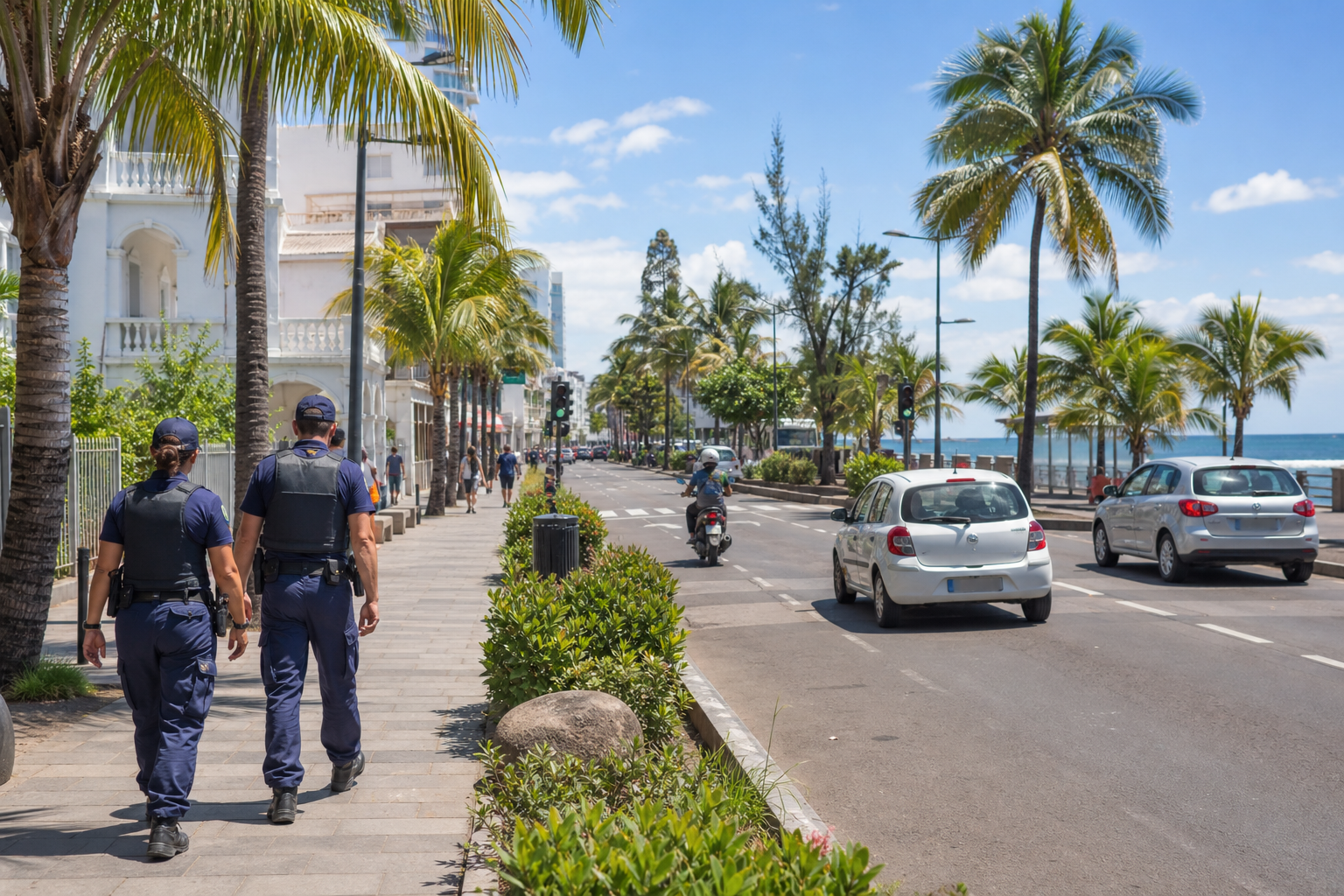
Understanding cannabis consumption in Saint-Denis requires looking at both local circumstances and French national law. Saint-Denis is the capital of Réunion, an overseas department and region of France, so the main rules governing cannabis use, possession, supply, driving and CBD are French rules. The island’s tropical climate, busy urban areas, beaches and visitor economy do not create a separate legal framework for recreational cannabis.
This guide explains what residents and visitors should know without encouraging illegal purchasing or use. It covers public and private settings, possible penalties, transport, health considerations, CBD products and what to do if consumption causes a medical problem. Laws and enforcement can change, so readers should verify current official guidance before making decisions.
Cannabis laws in Saint-Denis
Recreational cannabis remains illegal in Saint-Denis and throughout Réunion. French law prohibits the unauthorized use, possession, cultivation, production, transport and sale of narcotic drugs, including cannabis. There is no legal recreational dispensary system or licensed cannabis market comparable with those found in some other countries.
Use can result in an on-the-spot fixed penalty in eligible cases, while more serious circumstances may lead to criminal proceedings. Possession, supply, repeated offending, large quantities or conduct linked to trafficking can expose a person to substantially more serious consequences than personal use alone. A visitor’s nationality does not provide an exemption, and a foreign driving licence does not change French drug-driving rules.
The official French government information on drug use and penalties provides a useful starting point for checking the current legal position. It is more reliable than informal advice from social media, accommodation hosts or people selling unregulated products.
Does private use make cannabis legal?
No. Consuming cannabis inside a private flat, hotel room or holiday rental may be less visible than using it in public, but private consumption is not automatically lawful. Property owners, hotels and landlords can also prohibit smoking or vaping under their own rules. Smoke, smell and damage can create separate disputes even when police are not involved.
Public use can attract attention and increase the likelihood of police intervention. Parks, streets, transport areas, beaches, promenades, nightlife districts and shared accommodation spaces are particularly poor settings from a legal and practical standpoint. Avoiding public consumption is not a loophole; it simply reduces exposure to additional safety and nuisance problems.
Weed in Saint-Denis: public spaces, accommodation and transport
People searching for weed in Saint-Denis may encounter offers through informal contacts, social media or messaging applications. Those sources are not regulated and may involve scams, adulterated products, theft, coercion or pressure to carry substances. Buying, holding or sharing cannabis can create legal risk even when the amount appears small.
- Do not buy cannabis from unknown sellers or accept a substance whose contents are unclear.
- Do not carry cannabis for another person, across the island or through an airport.
- Do not consume in streets, parks, beaches, vehicles, stairwells or other shared areas.
- Check hotel, rental and airline rules rather than assuming a balcony or outdoor area is acceptable.
- Never share cannabis with a minor or with someone who has not freely agreed to consume it.
Airports and ports deserve particular caution. Taking cannabis between Réunion and mainland France, another country or another island can create serious customs and criminal-law consequences. A product that was obtained locally, labelled as CBD or tolerated in another jurisdiction should not be treated as safe to transport internationally.
For broader national context, our guide to cannabis in Paris and French travel rules explains why moving between French destinations does not create a recreational-use exception.
Driving and cannabis in Réunion
Driving after using cannabis is illegal and dangerous. French drug-driving enforcement focuses on the presence of prohibited substances detected through testing, not simply on whether a driver feels impaired. Cannabis can affect reaction time, attention, coordination and judgement, and the effects can be unpredictable when combined with alcohol, sedating medicines or other drugs.
This applies to cars, scooters, motorcycles and other vehicles. It also matters for passengers who may be tempted to drive later, because impairment can last beyond the most noticeable subjective effects. A positive test can lead to licence-related, financial and criminal consequences, and a collision can create much more serious liability.
Safer transport choices
- Designate a sober driver before any evening activity.
- Use a taxi, rideshare service or public transport where available.
- Arrange accommodation within walking distance, while staying alert to traffic and personal safety.
- Do not ride a scooter or bicycle while impaired.
- Never combine cannabis with alcohol before travelling.
There is no dependable home method for proving that someone is legally fit to drive. Feeling normal is not the same as being unimpaired or testing negative.
Health risks and responsible decisions
Cannabis affects people differently. Possible short-term effects include anxiety, panic, confusion, drowsiness, impaired coordination, increased heart rate and problems with attention or memory. Strong products, unknown potency and edible forms can make effects harder to predict. Edibles are especially easy to overconsume because effects may take longer to appear than inhaled effects.
Risk may be higher for adolescents, people with a personal or family history of psychosis, people with certain heart or anxiety conditions, pregnant or breastfeeding people, and anyone taking medicines that cause sedation or affect mood. People who use cannabis frequently may develop tolerance, difficulty cutting down, withdrawal symptoms or problems at work, school and home.
If someone becomes unwell
Stay calm, move the person away from traffic, heights, water and crowds, and do not leave them alone if they are confused or distressed. Avoid adding alcohol, medicines or more cannabis. Do not force food or drink on a person who is drowsy or having difficulty swallowing.
Seek urgent medical help for chest pain, breathing problems, seizure, severe agitation, loss of consciousness, extreme confusion, repeated vomiting or suspected poisoning. In an emergency in France, call 15 for medical assistance or 112 for the European emergency number. Tell medical staff honestly what was taken, approximately when and whether alcohol or other substances were involved. Accurate information helps treatment.
CBD in Saint-Denis and Réunion
CBD is not the same as high-THC cannabis, but a CBD label does not automatically make every product legal or risk-free. French and European rules place conditions on hemp-derived products, including limits concerning THC and the parts of the plant used. Products sold informally may be mislabelled or contain more THC than expected.
CBD products can also matter for driving. Roadside and laboratory testing may detect THC rather than measure whether a person feels intoxicated. A consumer who uses a product with trace THC can therefore face uncertainty about driving. Read the label, retain the packaging and avoid driving if the product’s contents or effects are unclear.
Do not confuse CBD oils, flowers, resins and food products with authorized medicines. “Natural,” “legal” or “wellness” claims do not prove quality, effectiveness or compatibility with prescription treatment. Ask a doctor or pharmacist about interactions, particularly when taking anticoagulants, sedatives, antidepressants or medicines processed by the liver.
Medical cannabis in Saint-Denis
Searching for medical cannabis in Saint-Denis can be confusing because France has used tightly controlled medical-cannabis arrangements rather than offering unrestricted access through ordinary retail shops. A patient should not assume that a foreign prescription, an online consultation or a CBD product is a substitute for a French medical pathway.
Anyone considering cannabis for pain, nausea, spasticity or another condition should speak with a qualified doctor or pharmacist. They can review the diagnosis, existing treatment, interactions and legally available options. Do not stop prescribed medicine abruptly or purchase products advertised as medical treatments from an unverified seller.
France’s national public-health information portal, Drogues.gouv.fr, offers official information about drugs, risks, prevention and support. Availability of local services can change, so residents should also ask a healthcare professional or contact a local addiction-support service for current referral information.
Practical guidance for residents and visitors
A sensible approach to cannabis in Saint-Denis begins with accepting that legality, health and convenience are separate questions. A product may be easy to find yet illegal. A product may be labelled as CBD yet unsuitable for driving. A private setting may be discreet yet still breach a hotel or rental agreement.
- Check current French rules before travelling or possessing any cannabis-related product.
- Do not carry cannabis through airports, ports or borders.
- Keep away from driving, swimming, climbing, scooters and other activities requiring concentration.
- Avoid mixing cannabis with alcohol, sedatives or unknown substances.
- Keep products away from children and pets, particularly edible products.
- Get medical help promptly when symptoms are severe or the substance is unknown.
- Ask a doctor or pharmacist for advice when cannabis use is becoming frequent or difficult to control.
Visitors should also remember that insurance, employment, accommodation and immigration consequences can extend beyond a simple fine. A police record, a transport incident or a dispute with a host may affect a trip long after the immediate event.
Conclusion: making informed choices in Saint-Denis
Cannabis consumption in Saint-Denis is governed primarily by French law: recreational use, possession and supply are not part of a legal retail market, and public use or driving after consumption can create additional risks. Réunion’s island geography does not make transport across borders safer or more permissible.
The most reliable approach is to avoid illegal purchasing and carrying, never drive after using cannabis, treat CBD claims cautiously and seek professional help for health concerns or difficult-to-control use. Checking official government information and speaking with a qualified healthcare professional is safer than relying on sellers, anonymous online posts or assumptions based on laws elsewhere.