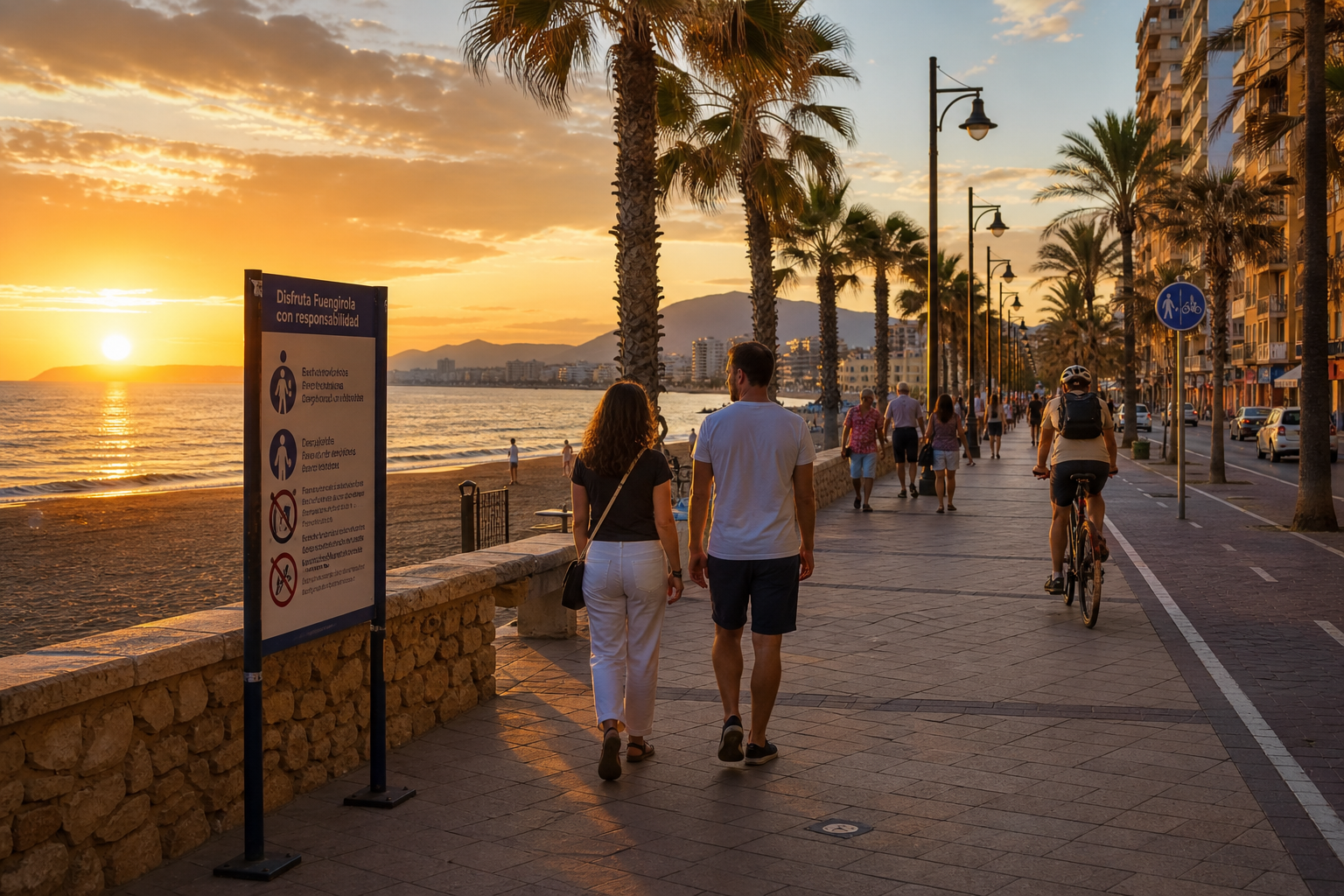
Understanding marijuana risks in Fuengirola means looking beyond the idea that cannabis is simply tolerated or prohibited. Fuengirola is a busy Costa del Sol destination with beaches, nightlife, holiday rentals and visitors from many countries. Local conditions can make poor decisions more likely, while Spanish law still creates important legal and practical consequences for possession, consumption, cultivation, supply and driving.
This guide explains the main health, legal and personal-safety issues without encouraging cannabis use. Rules and enforcement can change, and individual circumstances matter. If you are unsure about a current legal question, obtain advice from a qualified Spanish lawyer or the relevant authorities rather than relying on informal claims from social media or other travellers.
Why marijuana risks in Fuengirola deserve careful attention
People sometimes assume that a relaxed holiday atmosphere means cannabis is legal in the same way as alcohol. That is not a safe assumption. Spain does not have a general recreational cannabis retail system for visitors, and public consumption or possession can result in administrative action. Supply, trafficking and other conduct may have more serious criminal consequences.
The setting also matters. Crowded promenades, shared apartments, hotel areas, roads, balconies and nightlife venues bring different privacy, nuisance and safety concerns. A decision that seems private can affect neighbours, accommodation providers, children, bystanders or other members of the public.
Visitors should also remember that products sold informally may not contain what the seller claims. Strength, contamination, synthetic cannabinoids and accidental exposure are genuine concerns. A familiar appearance or a confident sales pitch is not evidence of quality or legality.
Health effects and immediate cannabis dangers
Cannabis can affect attention, memory, coordination, reaction time and judgment. The effects vary with the product, dose, route of administration, tolerance, age, health and whether alcohol or other drugs are involved. Edibles can be particularly difficult to judge because effects may take longer to appear and can last much longer than expected.
Short-term effects
- Reduced concentration and slower reactions
- Drowsiness, dizziness or impaired balance
- Anxiety, panic, paranoia or confusion
- Increased heart rate and uncomfortable physical sensations
- Nausea, vomiting or loss of coordination
- Poor decisions in unfamiliar or crowded environments
These effects can create additional hazards around roads, balconies, swimming pools, the sea and busy nightlife areas. Mixing cannabis with alcohol may intensify impairment and make it harder to recognise how affected someone has become.
Mental health and longer-term concerns
Cannabis is not equally low-risk for everyone. People with a personal or family history of psychosis, severe anxiety, bipolar disorder or other mental-health conditions may face particular concerns. Frequent use can contribute to dependence, reduced motivation or difficulty stopping, and some people experience withdrawal symptoms such as irritability, sleep problems, restlessness and cravings.
Adolescents and young adults may be more vulnerable to the effects of regular use because the brain continues developing into early adulthood. Pregnancy and breastfeeding are also situations in which professional medical advice is important; using cannabis should not be treated as harmless simply because it is plant-based.
Cannabis laws in Fuengirola and the Spanish legal position
Fuengirola follows Spanish national law, together with ordinary local policing and public-order measures. There is no separate municipal rule that makes recreational cannabis generally legal in Fuengirola. The legal outcome depends on what happened, where it happened, the quantity, evidence of supply and other facts.
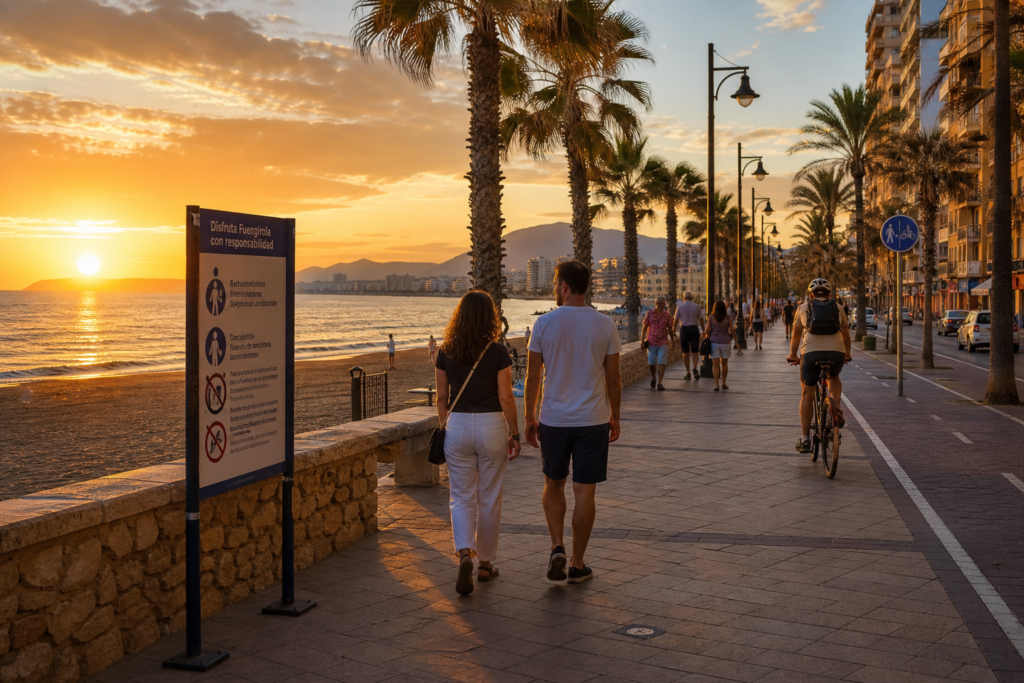
Under Spain’s public-security framework, illicit possession or consumption in public places, public establishments or collective transport can be treated as a serious administrative offence. Administrative fines can be substantial. Police may also seize the substance, and the matter can become more complicated for visitors who need to deal with identification, proceedings or travel plans.
The official text of Spain’s Organic Law 4/2015 is the appropriate source for the statutory framework. It is written in legal Spanish, so a lawyer should explain how it applies to a particular incident rather than relying on a translated summary.
Private use does not mean unrestricted legality
Spanish law has historically distinguished between private conduct and public possession or consumption, but that distinction should not be interpreted as a broad licence to buy, sell or use cannabis anywhere. Private cultivation and possession may still raise questions about visibility, purpose, quantity, tenancy rules and evidence of distribution.
Cannabis clubs are not ordinary tourist dispensaries. Their legal status and operation can be fact-specific, and membership does not automatically protect a person from every legal issue. Do not assume that a club, holiday rental or private party can authorise public possession, resale, transport across borders or driving while impaired.
For wider context, readers can compare this topic with the guidance on cannabis legal status in nearby Mijas and the practical overview of cannabis laws for visitors in Vélez-Málaga. The same national framework generally matters, although the facts of an incident and local enforcement response can differ.
Public possession, beaches and holiday accommodation
Carrying cannabis on a beach, promenade, in a station, outside a nightclub or in another public setting can expose a person to enforcement action even if there is no allegation of sale. Smoking in public can also create complaints, especially near families, entrances, terraces or shared spaces.
Holiday accommodation adds private contractual risks. Hotels, apartment operators and landlords may prohibit smoking or drug use, charge for damage or cleaning, terminate a booking, or report serious incidents. Smoke, odour and discarded products can affect other guests and create fire or child-safety hazards.
Do not leave cannabis, edibles, vaping products or paraphernalia where children, pets or other guests can reach them. Accidental ingestion may require urgent medical attention. If someone becomes unconscious, has trouble breathing, suffers a seizure, develops severe chest pain or is at immediate risk, call Spain’s emergency number, 112.
Driving after cannabis in Fuengirola
Driving after using cannabis is one of the clearest and most serious safety risks. Cannabis can impair reaction time, lane control, divided attention and judgment, even when the driver feels calm. Combining it with alcohol increases the danger.
Spanish traffic rules also make drug testing a major concern. A driver may face legal consequences for driving with drugs in the body or for driving while impaired, depending on the circumstances and evidence. Waiting until the obvious subjective effects fade is not a reliable way to determine whether driving is lawful or safe.
The Spanish Directorate-General for Traffic information on drugs and driving explains the road-safety position. The safest choice is simple: do not drive, cycle, use a scooter or operate watercraft after consuming cannabis. Arrange a sober driver or use a lawful transport option, and never get into a vehicle with an impaired driver.
Tourist-specific risks involving weed in Fuengirola
Visitors can be especially vulnerable because they may not understand Spanish procedures, may carry passports and valuables, or may be under pressure to catch a flight. Buying from a stranger also creates risks of theft, intimidation, counterfeit products and exposure to substances that were not requested.
Never carry cannabis through an airport, onto a ferry or across an international border. Rules in another country may be much stricter, and a product that was obtained privately in Spain does not become legal to export. Do not mail or courier cannabis, and do not ask another traveller to carry it for you.
People using prescribed medicines should keep them in their original packaging and carry suitable documentation. Cannabis-based medicines can involve additional requirements, particularly when travelling internationally. Anyone considering medical cannabis in Fuengirola should speak with a qualified clinician and check current Spanish and destination-country rules before travelling.
Reducing harm if someone chooses to use cannabis
The safest option is not to use non-prescribed cannabis. If someone nevertheless makes that choice, basic precautions can reduce—not eliminate—the risk:
- Do not mix cannabis with alcohol, sedatives or other drugs.
- Avoid unknown products, concentrated extracts and informal sellers.
- Do not take more because effects have not appeared quickly, especially with edibles.
- Stay with trusted people and avoid swimming, heights, roads and unfamiliar areas.
- Keep products locked away from children and pets.
- Do not drive or operate any vehicle after use.
- Seek medical help for severe confusion, chest pain, breathing problems, seizures, extreme agitation or loss of consciousness.
These steps are not a guarantee of safety and do not change Spanish law. They are practical precautions for reducing foreseeable harm.
How to respond to a cannabis-related incident
If police stop you, remain calm, avoid confrontation and follow lawful instructions. Do not sign documents you do not understand without requesting an explanation or legal assistance. Ask how to obtain an interpreter or lawyer if language is a barrier, and keep records of official paperwork.
If someone is unwell, prioritise medical care over concerns about embarrassment or a holiday itinerary. Tell medical staff what was taken, how much and when, if that information is known. Accurate information can help clinicians assess the situation more effectively.
For readers comparing destinations, the practical guide to cannabis regulations for tourists in Cádiz offers another Spain-focused point of reference. It should not replace current legal advice for a Fuengirola incident.
Conclusion
The main marijuana risks in Fuengirola involve impaired judgment, anxiety or other adverse health effects, unsafe driving, unknown product strength, public-security penalties and travel complications. Spain’s nuanced treatment of private conduct does not create a general recreational market or make public use risk-free.
Visitors can protect themselves by avoiding informal purchases, keeping cannabis away from public spaces, never driving after use, refusing cross-border transport and seeking professional help when medical or legal problems arise. Checking current official information and respecting local rules is far safer than relying on assumptions about what is tolerated in a holiday resort.