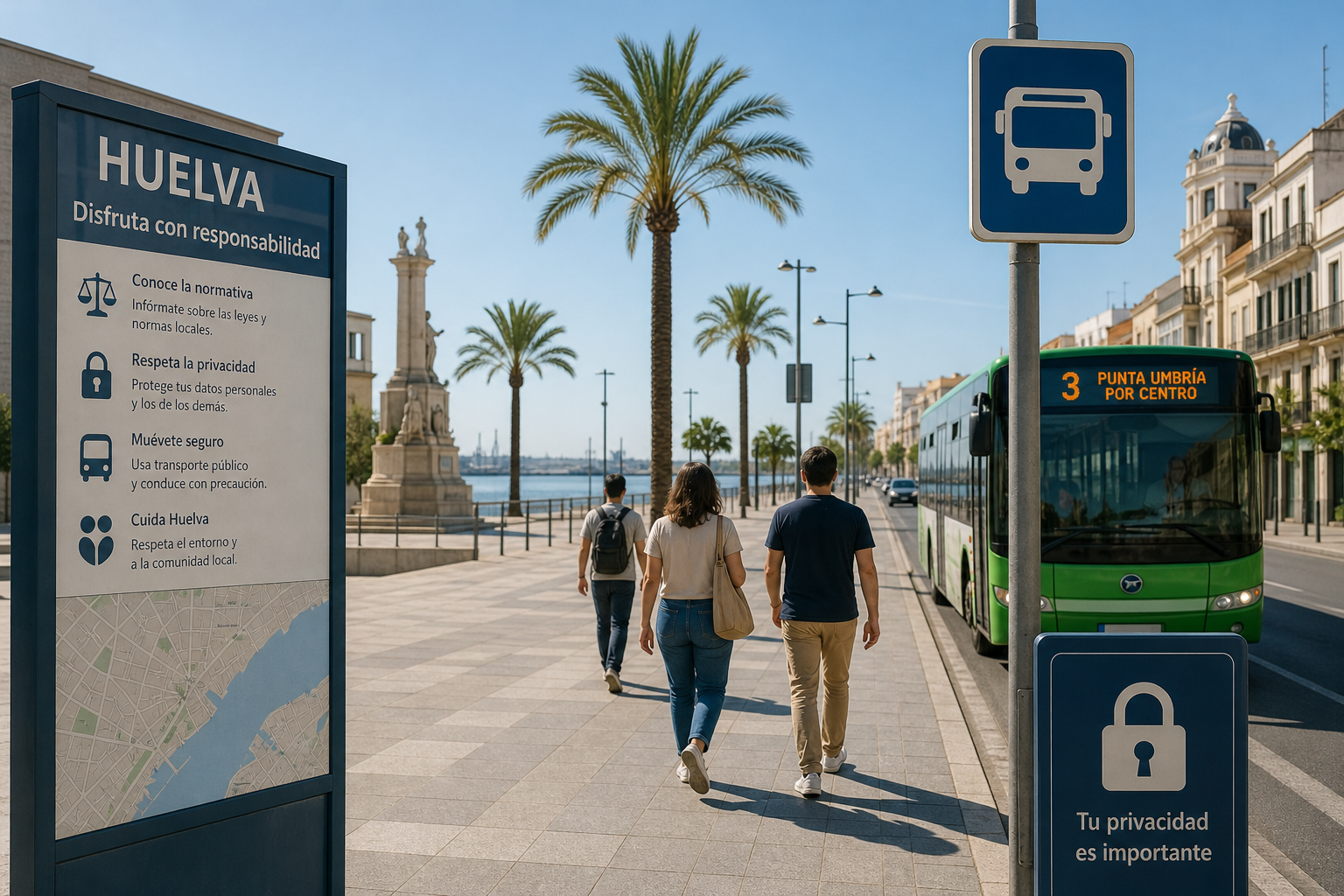
Understanding Cannabis restrictions in Huelva means separating private use from conduct in public, distinguishing personal possession from supply, and recognising that local custom does not override Spanish law. Huelva follows Spain’s national legal framework, with additional practical considerations arising from public spaces, nightlife, tourism, driving and travel near the Portuguese border.
This guide explains the main rules in plain language. It is general information, not legal advice. Enforcement can depend on the circumstances, the substance involved, the location and the evidence available, so anyone facing a formal investigation should speak with a qualified Spanish lawyer.
How cannabis is regulated in Huelva
There is no separate Huelva cannabis code that legalises recreational marijuana. The central rules come from Spanish criminal law and the Organic Law on the Protection of Public Security. Andalusian authorities and local police apply those rules in Huelva city, coastal towns, transport areas and other municipalities across the province.
Spain’s approach is often described as partially tolerant, but that description can be misleading. Private consumption and possession for personal use are treated differently from public possession, public consumption, cultivation intended for distribution, and commercial supply. None of this creates a general right to buy cannabis from a shop or carry it openly.
The official text of the public-security framework is available through the Spanish Official State Gazette. Checking the original legislation is useful because online summaries can omit important distinctions or outdated interpretations.
Cannabis restrictions in Huelva: public possession and use
The most common legal risk for visitors and residents is cannabis in a public or openly accessible place. Public use or possession can lead to an administrative sanction even when there is no evidence of sale. Relevant locations may include streets, beaches, parks, promenades, nightlife areas, railway facilities, bus stations and other public spaces.
Under Spain’s public-security rules, serious administrative infringements involving the illegal consumption or possession of drugs in public places can attract fines from €601 to €30,000. The amount is not automatically the maximum; authorities consider the facts and aggravating or mitigating circumstances. Seizure of the substance is also possible.
Do not assume that a small quantity is automatically ignored. A small amount may support a personal-use interpretation, but it does not make public possession lawful. Police may record the incident, identify the person, seize the cannabis and begin an administrative procedure.
Private use is not the same as commercial legality
Spanish law generally does not treat every act of private possession or private consumption as a criminal offence. That limited tolerance should not be confused with a regulated recreational market. A private setting can still create legal problems if the activity affects third parties, involves minors, creates a public nuisance or provides evidence of supply.
Landlords, hotels, holiday rentals and private venues may also prohibit smoking or possession under their own rules. A property owner can ask a guest to leave or retain a deposit where contractual terms have been breached, even if the conduct is not prosecuted as a crime.
Possession, sharing and supply
The legal consequences become more serious when the circumstances suggest distribution. Packaging, repeated transactions, a large quantity, messages arranging sales, scales, cash records or testimony from other people can all be relevant. Spanish criminal law distinguishes personal possession from trafficking, but there is no single safe quantity that guarantees a personal-use outcome.
Sharing cannabis is not automatically risk-free. Giving it to another person, selling it, transporting it for someone else or storing it for distribution can be treated very differently from possessing it privately. Supplying a minor or involving vulnerable people can lead to particularly serious consequences.
Visitors searching for weed in Huelva should therefore be cautious about informal offers in nightlife areas, on beaches or through social media. An unverified product may contain a different substance, and accepting or transporting it can expose someone to both health and legal risks.
For a related explanation of how possession issues are treated elsewhere in Andalusia, see this guide to cannabis possession laws in Jerez de la Frontera. The same national framework generally applies, although the facts of each incident matter.
Cultivation in Huelva: what can create risk?
Growing cannabis plants in a genuinely private setting is not automatically equivalent to trafficking, but cultivation can still attract attention. The critical question is often whether the evidence suggests personal consumption or an intention to supply. Visibility from public areas, complaints about odour, electrical hazards, multiple plants, sophisticated equipment and indications of sales can all affect the assessment.
Plants visible from a street, neighbouring property or other public place may create additional problems. Even where a person argues that the crop is for personal use, public visibility can trigger police intervention and an investigation. A court, rather than an internet rule of thumb, may ultimately assess the purpose and circumstances of the cultivation.
Growing cannabis in a rented home may also breach a tenancy agreement or create civil liability for damage, unsafe wiring, humidity or nuisance. Anyone considering cultivation should obtain individual legal advice rather than relying on claims about a supposed plant limit.
Driving and travelling with cannabis
Driving after using cannabis is unsafe and legally risky. Spanish traffic enforcement can sanction driving with drugs detected in the organism, while driving under the influence may involve a more serious criminal allegation when impairment is established. A person can therefore face consequences even if an accident does not occur.
Never drive from Huelva to the coast, another Andalusian city or Portugal after consuming cannabis. Arrange a sober driver, use public transport or wait until you are fit and legally able to drive. Cannabis can affect reaction time, attention and judgement, and combining it with alcohol increases the risk.
Carrying cannabis across an international border is especially hazardous. A product that was acquired privately in Spain does not become lawful to export or import. Border controls, customs rules and the destination country’s law may all apply. The same caution applies to airports, ferries, buses and trains.
Travellers may also find the broader transport issues useful in this practical guide to cannabis travel safety in Spain. The safest approach is not to carry cannabis while travelling, particularly across a border.
Medical cannabis and CBD in Huelva
Medical access should not be confused with recreational access. Spain’s medical-cannabis framework has been developing, and authorised treatments depend on the applicable medical rules, approved products and prescription or specialist procedures. Patients should use a legitimate healthcare channel and follow the instructions of the prescribing professional.
The Spanish Agency for Medicines and Medical Devices, or AEMPS, is the appropriate official source for medicine-related regulatory information. Its official website can help patients verify current announcements instead of relying on social-media sellers or unlicensed clinics.
CBD products require careful checking. A product marketed as CBD may be subject to food, cosmetic, consumer-product or other rules depending on its ingredients and intended use. Labels, cannabinoid content and claims matter. “CBD” on packaging does not guarantee that a product contains no THC, complies with Spanish requirements or is suitable to consume.
People who use prescribed cannabis medicines should keep the original packaging and supporting medical documentation when travelling within Spain. Documentation may not solve every border or transport issue, but it can help explain legitimate treatment. Before travelling internationally, check the rules of every country on the route.
Police checks, fines and practical responses
If police find cannabis in a public place, remain calm and avoid arguing about the law at the scene. Do not sign a document you do not understand. Ask for an interpreter if necessary and request a copy of any seizure record or administrative notice. A notification may be sent later, so keep contact details current and do not ignore official correspondence.
- Ask what procedure is being used: administrative sanction or criminal investigation.
- Check that your name, identification details and address are recorded correctly.
- Keep copies of notices, receipts and any laboratory or seizure documentation.
- Get prompt advice from a Spanish lawyer if the matter involves supply, cultivation, driving, a search or an arrest.
- Observe the deadline for submitting allegations or seeking a review of an administrative fine.
Paying a fine, challenging it or requesting a reduction may involve different deadlines and consequences. The correct choice depends on the notice and the facts. General online advice cannot replace reviewing the actual document.
Safer choices for residents and visitors
For anyone asking about cannabis in Huelva, the lowest-risk approach is to avoid public consumption, never drive after using cannabis, refuse unknown products and do not buy from informal sellers. Keep cannabis away from children, do not mix it with alcohol or sedating medicines, and stop if you experience severe anxiety, confusion, chest pain or other alarming symptoms.
Choose a private environment where the owner permits the activity, avoid smoking around other people and remember that possession can still become a problem if there is evidence of sharing or supply. Edibles deserve extra caution because effects can take longer to appear and may last longer than expected.
Tourists should also consider accommodation policies, beach and park rules, transport arrangements and the consequences of carrying cannabis home. A holiday purchase is not worth a police stop, a traffic incident or a border problem.
Key points about cannabis laws in Huelva
- Huelva follows Spain’s national cannabis laws; local practice does not create a recreational retail market.
- Public consumption or possession can result in an administrative fine and seizure.
- Supply, trafficking and cultivation linked to distribution can become criminal matters.
- Driving after cannabis use can lead to traffic or criminal consequences.
- CBD and medical products must be assessed by their ingredients, authorisation and intended use.
- Do not cross the Spanish border with cannabis without checking professional, country-specific advice.
Understanding the law before using or carrying any cannabis is far safer than relying on rumours about tolerance. Rules and official guidance can change, so current information from Spanish authorities and qualified professionals should take priority over informal advice.
Conclusion
Cannabis restrictions in Huelva are best understood as limited private tolerance within a wider system that prohibits public possession and use, penalises supply and treats impaired driving seriously. Residents and visitors should avoid public consumption, informal purchases, border transport and any activity that could appear commercial. When a police notice, medical issue or criminal allegation is involved, prompt advice from an appropriately qualified professional is the safest next step.