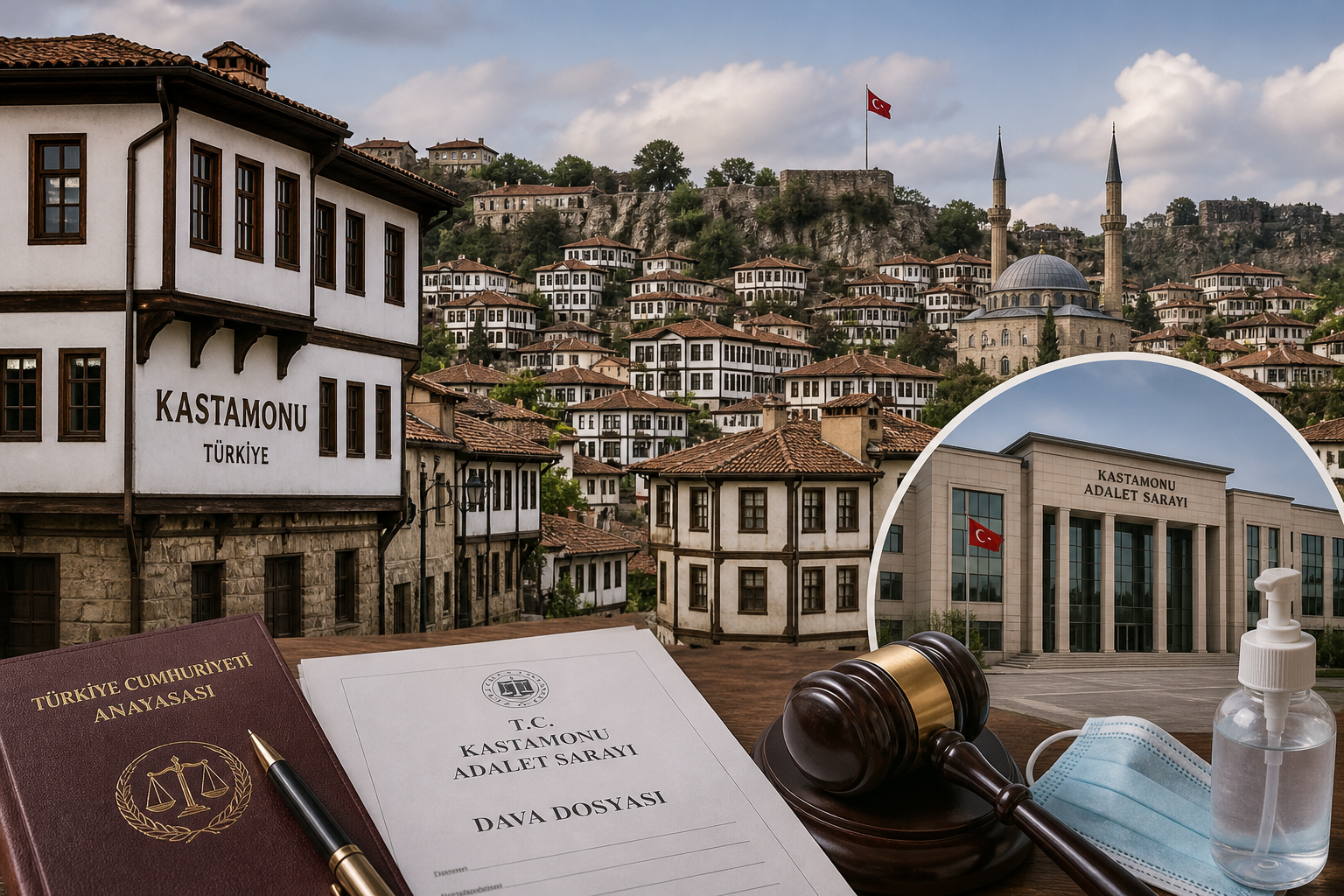
Cannabis decriminalization in Kastamonu, Turkey is often misunderstood because people may use “decriminalization” to describe reduced enforcement, informal tolerance, or a change in legal status. Kastamonu does not have a separate cannabis code that overrides Turkish national law. Possession, use, supply, cultivation and transportation are assessed under national rules, and local authorities enforce those rules in Kastamonu just as they do elsewhere in Turkey.
This guide explains the legal position in plain language. It is not a substitute for advice from a Turkish criminal lawyer. Laws, enforcement practices and court interpretations can change, so anyone facing a search, detention, charge or customs issue should obtain qualified legal assistance promptly.
Is cannabis decriminalized in Kastamonu?
No clear local decriminalization policy makes recreational cannabis legal in Kastamonu. The key distinction is between decriminalization and prosecutorial discretion. Decriminalization generally means that conduct is removed from criminal punishment or handled through a non-criminal process. A decision not to prosecute every case in the same way would not create a legal right to possess or consume cannabis.
In practical terms, cannabis in Kastamonu remains subject to Turkey’s national drug-control framework. The absence of a local dispensary system, licensed recreational market or openly permitted consumption area is important. A person should not treat cannabis as lawful simply because they see claims online that small amounts are “tolerated.”
National law applies in the city and province
Turkey’s Penal Code and related controlled-substance legislation distinguish between personal-use conduct and more serious drug offences. The exact legal classification depends on the facts, including the substance, quantity, packaging, communications, money transfers, location, prior history and evidence of supply. The official text of the Turkish Penal Code should be checked alongside advice from a local lawyer.
These distinctions do not amount to a guaranteed “personal-use allowance.” They mean that prosecutors and courts may examine personal use differently from trafficking or distribution. Even where an allegation is treated as personal use, the matter can still involve police action, investigation, prosecution, supervision requirements or other serious consequences.
Cannabis laws in Kastamonu: possession, use and supply
People searching for cannabis laws in Kastamonu should separate four questions: possession, consumption, supply and movement. Each can create different legal risks.
- Possession: Holding cannabis can trigger investigation and criminal proceedings. There is no dependable public rule that makes a particular amount automatically safe.
- Personal use: An allegation of use or possession for personal use may be treated differently from supply, but it is not the same as legalization or immunity.
- Supply and distribution: Selling, giving, arranging delivery or possessing drugs in circumstances suggesting distribution can lead to substantially more serious allegations.
- Transport: Carrying cannabis between towns, through bus stations or airports, or across national borders creates additional risk. Border and customs issues should be treated especially seriously.
- Cultivation: Growing cannabis is not a safe alternative to purchasing it. Plants, equipment, seeds and communications may all become evidence in an investigation.
Police and prosecutors may consider the surrounding evidence rather than relying on a single factor. Separate packaging, scales, large cash amounts, customer messages and repeated contact can be interpreted as indicators of supply, although only a court can determine the legal outcome of a particular case.
What can happen after a cannabis incident?
Possible consequences depend on the allegation and the evidence. An incident may begin with a stop, search, seizure, statement, drug test or police report. It can then move into a prosecutorial investigation and, where appropriate, court proceedings. Foreign visitors may also face practical problems involving passports, travel plans, residence status and communication with consular officials.
A person should not assume that a first incident is automatically dismissed or that a small quantity guarantees a non-custodial result. Turkish procedure can involve supervision or treatment-related measures in some personal-use cases, but eligibility and outcomes depend on the case. A lawyer can explain whether a particular measure is available and what obligations it would create.
Steps to take if questioned or detained
- Remain calm and avoid obstructing officers or attempting to destroy, hide or transfer evidence.
- Ask for a lawyer and use an interpreter if Turkish is not your strongest language.
- Do not sign a statement you do not understand. Request translation and legal review before signing.
- Ask how seized property, samples or documents will be recorded.
- Contact a consulate if you are a foreign national, while understanding that consular staff cannot replace a defense lawyer.
- Keep copies of official paperwork and note dates, locations and the names of relevant authorities.
Online advice, social-media claims and informal assurances from acquaintances are not a reliable defense strategy. A lawyer licensed to practice in Turkey can assess the specific facts, procedural stage and available remedies.
Public consumption and private accommodation
There is no general recreational cannabis permission for private homes, hotels, rented rooms or outdoor areas in Kastamonu. A private setting may affect how an incident is discovered, but it does not automatically make possession or use lawful. Smoking in a park, street, vehicle, festival area or other public place can create additional attention and may lead to allegations involving public order or other conduct.
Visitors should be particularly cautious about hotel rules, guest registration, vehicle searches and interactions with police. Do not assume that a host, guide or accommodation provider can authorize conduct prohibited by national law. The same principle applies to claims that rural areas, villages or tourist locations are exempt.
Medical cannabis and CBD in Kastamonu
Medical cannabis in Kastamonu should not be confused with recreational access. Turkey has a controlled and limited approach to cannabis-derived medicines and related products. Availability, prescription requirements, product composition and import rules can vary, and an overseas prescription does not automatically authorize possession in Turkey.
CBD products deserve particular caution. Labels may be inaccurate, products may contain tetrahydrocannabinol, and bringing oils, flowers, edibles or extracts across a border can create legal and customs risks. Do not travel with a cannabis product unless its status has been verified through an appropriate Turkish medical, regulatory or legal channel.
For health information, the World Health Organization’s cannabis information explains health-related concerns without treating cannabis as risk-free. Anyone using cannabis for pain, sleep, anxiety or another condition should discuss evidence-based options with a qualified clinician rather than self-medicating.
Travel advice for Kastamonu residents and visitors
Kastamonu’s local character does not create a separate legal safe zone. The same national rules apply in the city, surrounding districts, roads, public transport and accommodation. Travelers should also remember that cannabis may be illegal at both the departure and destination points, and international movement can create separate offences.
Readers comparing local guides may also find useful context in this overview of cannabis access laws in nearby Bolu and the practical discussion of cannabis travel restrictions in Turkey. These comparisons should not be read as evidence of a different Kastamonu rule; they illustrate why location-specific claims must still be checked against national law.
- Do not buy, sell, share or carry cannabis for another person.
- Do not take cannabis, seeds, oils or edibles through airports, ports or land borders.
- Do not rely on a claimed quantity threshold as permission to possess cannabis.
- Do not drive after using cannabis or accept a ride from an impaired driver.
- Seek professional legal and medical advice when the issue involves a prescription, imported medicine or an active investigation.
How to interpret claims about “decriminalization”
When a website or person says that cannabis is “decriminalized” in Kastamonu, ask what that statement actually means. Is it referring to a proposed reform, a court decision, a reported enforcement pattern, a personal-use procedure or a different country? A credible claim should identify the relevant Turkish law, date and authority. It should not rely only on a map, a forum comment or an unverified list of supposedly legal cities.
Legal status can also change through amendments, administrative decisions and court interpretations. For that reason, this article describes the general framework rather than promising a fixed outcome. Current legal advice is especially important before travel, importation, cultivation or responding to a police summons.
Conclusion
Cannabis decriminalization in Kastamonu, Turkey should not be understood as a local permission to possess or use recreational cannabis. Kastamonu follows Turkey’s national drug laws, and personal-use allegations can still produce investigation and serious legal consequences. Supply, cultivation, transport and cross-border activity may be treated more severely.
The safest approach is to avoid carrying or using cannabis, do not travel with cannabis-related products, and obtain advice from a qualified Turkish lawyer when a legal issue arises. For medical needs, consult a licensed clinician and verify product and import rules through official channels before taking any action.