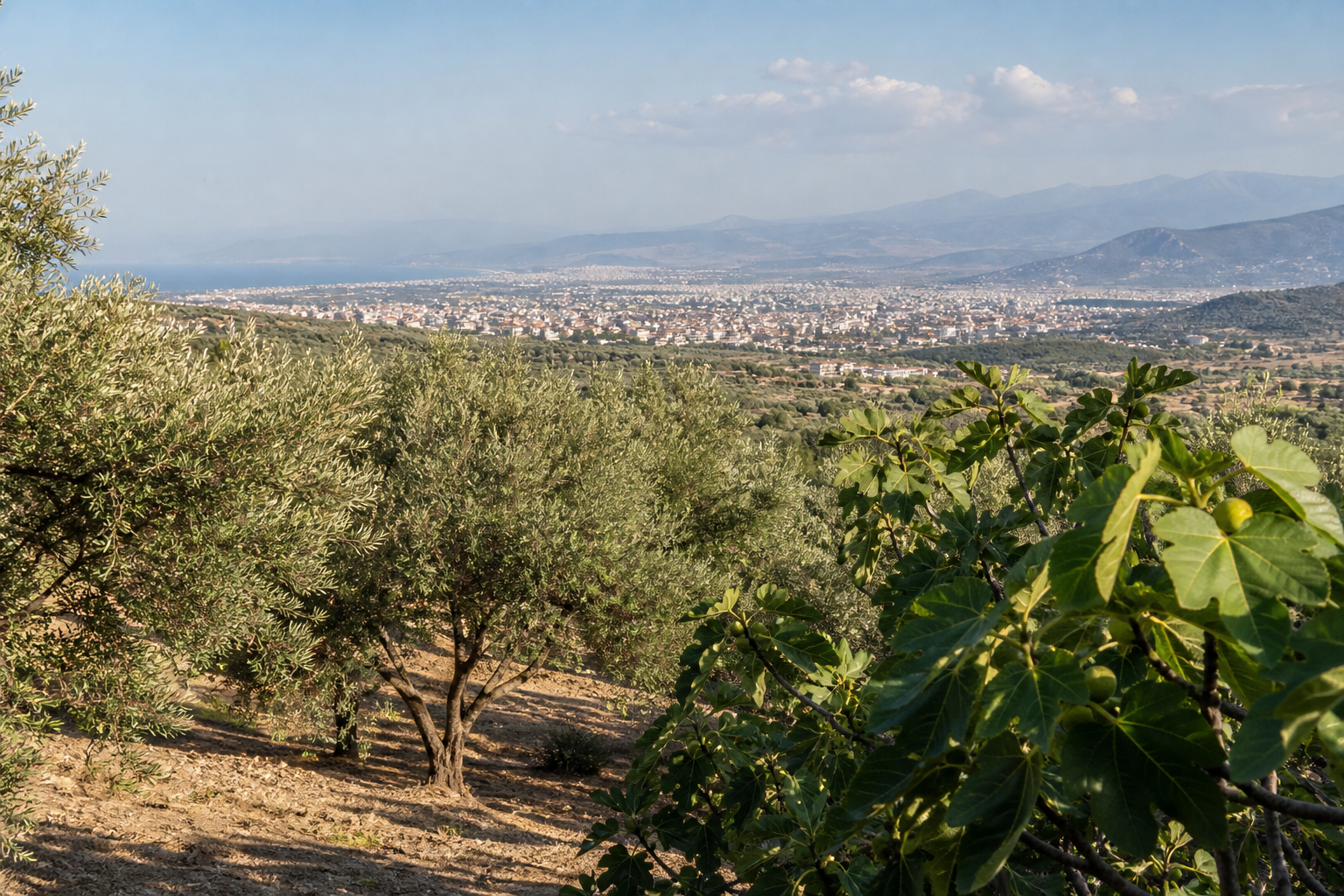
Marijuana culture in Aydın is best understood through the wider history, laws and social attitudes of Turkey rather than through assumptions about a local recreational market. Aydın is a major agricultural province on the Aegean coast, known for its fertile plains, olive groves, figs, tourism and strong family and community networks. These features shape how people discuss cannabis, hemp, medicine and drug-related risks.
Public conversations about weed in Aydın may refer to several different subjects: illegal marijuana, industrial hemp, medical products, historical plant use or general health education. Those subjects should not be treated as interchangeable. Turkish law distinguishes neither casual personal use nor informal possession as a lawful recreational activity, while regulated agricultural and medical frameworks operate under separate rules. This article offers a factual, non-promotional overview for residents, visitors and researchers.
What marijuana culture means in Aydın
The phrase “marijuana culture” can suggest a visible scene of clubs, retail shops or festivals. That description does not fit Aydın’s legal environment. There is no lawful recreational cannabis retail system comparable to those found in some other countries. Instead, the topic appears in private conversations, news coverage, public-health education, online discussions and debates about policing, treatment and agricultural policy.
For some people, cannabis in Aydın is primarily a question of risk and legality. For others, it is connected to interest in hemp, plant science or international policy changes. Tourism adds another layer: visitors may encounter online claims that laws are relaxed in coastal or resort areas. Such claims should not be relied upon. Local geography does not create an exemption from national law.
Local identity and public discussion
Aydın’s identity is strongly connected to agriculture and food production. That can lead to curiosity about hemp as a crop, but curiosity about a plant does not establish permission to cultivate it. Conversations about agricultural potential should therefore distinguish approved industrial activities from cultivation intended to produce intoxicating cannabis.
Social attitudes are also influenced by age, education, family expectations, religion, employment and personal experience with health or addiction services. There is no single “Aydın view.” Some residents may favor stricter enforcement, while others may support prevention, treatment or carefully regulated medical research. Responsible coverage should represent this diversity without portraying unverified anecdotes as evidence of a citywide culture.
Marijuana culture in Aydın and Turkish law
Turkey prohibits recreational marijuana possession, use, production and trafficking. The legal consequences depend on the conduct, the circumstances and the applicable provisions, so a general article cannot predict the outcome of an individual case. Possession or use can still expose a person to criminal investigation and serious legal consequences, while supply-related conduct is treated more severely.
The same national framework applies in Aydın as elsewhere in Turkey. Police, prosecutors and courts—not informal advice from social media, accommodation hosts or online sellers—determine how a case is handled. Anyone facing a legal issue should consult a qualified lawyer in Turkey and rely on current official legislation rather than outdated blog posts.
The Turkish Official Legislation Information System is an appropriate starting point for checking current statutes and regulations. Because laws and administrative procedures can change, readers should verify the latest text before making decisions.
Why location does not change the rules
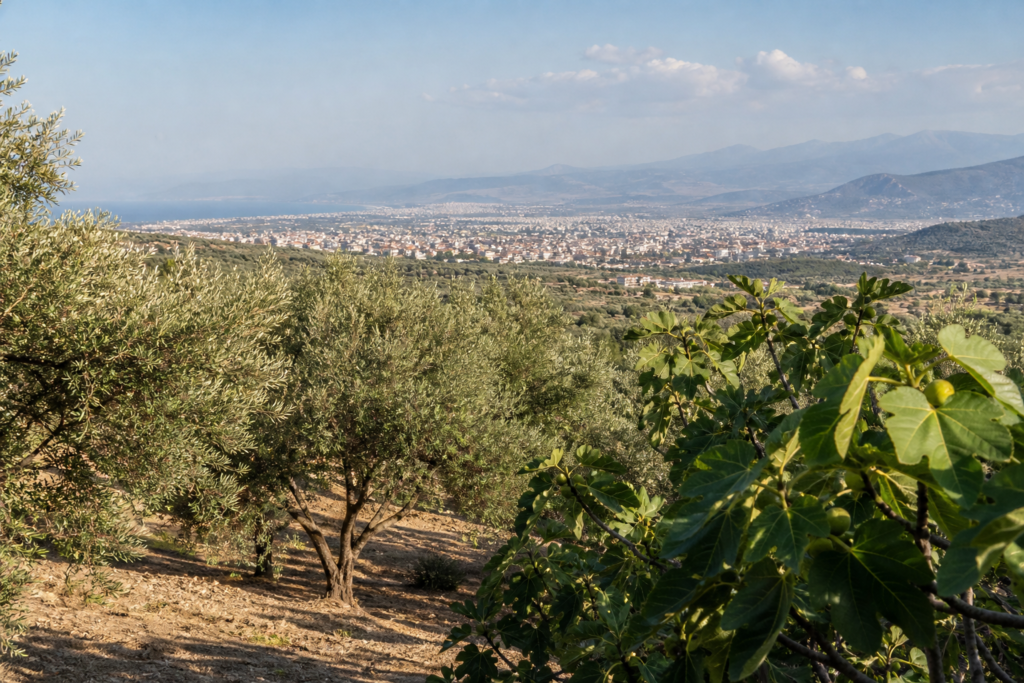
Aydın includes urban neighborhoods, rural districts, agricultural areas and popular destinations such as Kuşadası and Didim. The difference between these settings may affect visibility, policing priorities or public conversation, but it does not create a separate local cannabis code. A substance that is illegal in one part of Turkey does not become legal because it is encountered near a beach, festival or hotel.
Travelers should also avoid carrying cannabis across provincial borders, through airports or into accommodation. Crossing an international border with cannabis or cannabis products can create additional customs and criminal-law problems. Even products labeled as CBD or hemp may raise questions about ingredients, documentation and applicable restrictions.
Hemp, agriculture and the danger of confusing terms
Hemp and marijuana are often discussed together because they come from the same plant family, but the terms are used differently in law, agriculture and commerce. Industrial hemp refers to regulated varieties and uses, while marijuana generally refers to cannabis containing intoxicating levels of cannabinoids. A product’s label, appearance or marketing claim does not by itself prove that it is lawful.
Aydın’s agricultural economy makes this distinction especially important. Interest in fiber, seed, textiles, food ingredients or sustainable materials should not be confused with permission to grow plants for psychoactive use. Cultivation, seed supply, processing and sale may require authorization, approved varieties, inspections or other official controls.
People considering an agricultural project should obtain written guidance from the relevant Turkish authorities before planting or importing seed. Informal advice from a seller or social-media group is not a substitute for permits and regulatory checks. This is particularly important where a crop could be mistaken for prohibited cannabis or where laboratory testing is required.
Health awareness and medical cannabis in Aydın
Searches for medical cannabis in Aydın often reflect genuine interest in pain, epilepsy, sleep, anxiety or other health concerns. They can also expose readers to exaggerated claims. Medical cannabis is not a general permission to buy or grow marijuana, and an online product described as therapeutic may not have reliable ingredients, dosage information or legal status.
Patients should discuss cannabis-related questions with a licensed physician or pharmacist. They should provide a full medication history, because cannabis-related substances may interact with prescription medicines and may be inappropriate for some people. Extra caution is warranted for adolescents, pregnant people, people with a history of psychosis or severe anxiety, and anyone operating a vehicle or machinery.
Public-health information should focus on evidence, uncertainty and practical safety rather than promises of a cure. The World Health Organization provides international health information that can help readers place cannabis claims in a broader medical context, although personal treatment decisions still belong with a qualified healthcare professional.
Safer responses to possible use
A nonjudgmental response is more useful than shame. If someone may be experiencing severe confusion, loss of consciousness, chest pain, breathing difficulty, a seizure or dangerous agitation after using a substance, contact Turkey’s emergency services immediately. Do not leave the person alone, do not encourage additional substances and do not allow them to drive.
For longer-term concerns, a family doctor, psychiatrist, psychologist or addiction service can help assess patterns of use and available support. Early conversations may prevent problems from becoming more serious. Health guidance should not encourage experimentation, home preparation or attempts to defeat drug testing.
Tourism, online claims and consumer risks
Aydın’s coastal tourism economy creates an audience for misleading cannabis content. Visitors may see posts advertising “legal weed,” cannabis-infused foods, oils or discreet delivery. Such advertising may be fraudulent, may involve prohibited products or may place a buyer in legal danger. A website, package or QR code cannot guarantee authenticity or legality.
Consumers should be particularly cautious about unlabeled oils, edibles, vape cartridges and imported supplements. Products can contain undisclosed cannabinoids, contaminants or doses that differ from the label. Edibles may take longer to produce effects, increasing the risk that a person consumes more than intended. The safest legal choice is not to purchase or use unverified cannabis products.
Visitors should also remember that a private setting does not make possession lawful. Hotels, rental properties and holiday apartments may have their own rules, and a host’s assurance cannot override Turkish law. Respecting local regulations is part of responsible travel in Aydın.
How to research the topic responsibly
Good research separates verified law from local rumor and separates cultural history from present-day permission. Readers can use the following approach:
- Check current Turkish legislation and official agency guidance.
- Distinguish industrial hemp, medical products and intoxicating cannabis.
- Look for information from public-health institutions rather than anonymous sellers.
- Do not treat search results, testimonials or social-media videos as legal advice.
- Use precise language when discussing allegations, arrests or unverified local stories.
- Consult a Turkish lawyer or healthcare professional for personal legal or medical questions.
For a broader comparison, readers may also find useful context in our guide to cannabis culture in Adana, which examines how law, history and social context intersect in another Turkish city. Our overview of cannabis policy in Denizli offers a further regional comparison, while the article on marijuana education in Balıkesir highlights the importance of prevention and safer public communication.
The future of cannabis conversations in Aydın
Future discussion in Aydın is likely to involve several separate questions: whether hemp agriculture can expand under regulation, how health services respond to problematic use, how authorities address illicit supply and how residents evaluate international cannabis reforms. These issues should not be collapsed into a simple debate over whether marijuana is “good” or “bad.”
A constructive local conversation would include farmers, medical professionals, educators, legal experts, families, tourism businesses and public authorities. It would acknowledge the economic interest in new crops while maintaining strict attention to licensing and public safety. It would also make treatment and prevention information easier to find without normalizing illegal use.
Conclusion
Marijuana culture in Aydın is not a lawful recreational marketplace. It is a complex subject shaped by Turkish criminal law, Aydın’s agricultural identity, tourism, health concerns and changing international conversations. The most important distinctions are between hemp and intoxicating cannabis, medical discussion and self-medication, and verified law and online rumor.
For residents and visitors, the practical message is straightforward: do not assume that local custom, a coastal setting, a product label or an online advertisement makes cannabis legal. Check official sources, seek qualified legal or medical advice when needed, and approach the subject with accuracy, compassion and respect for public safety.