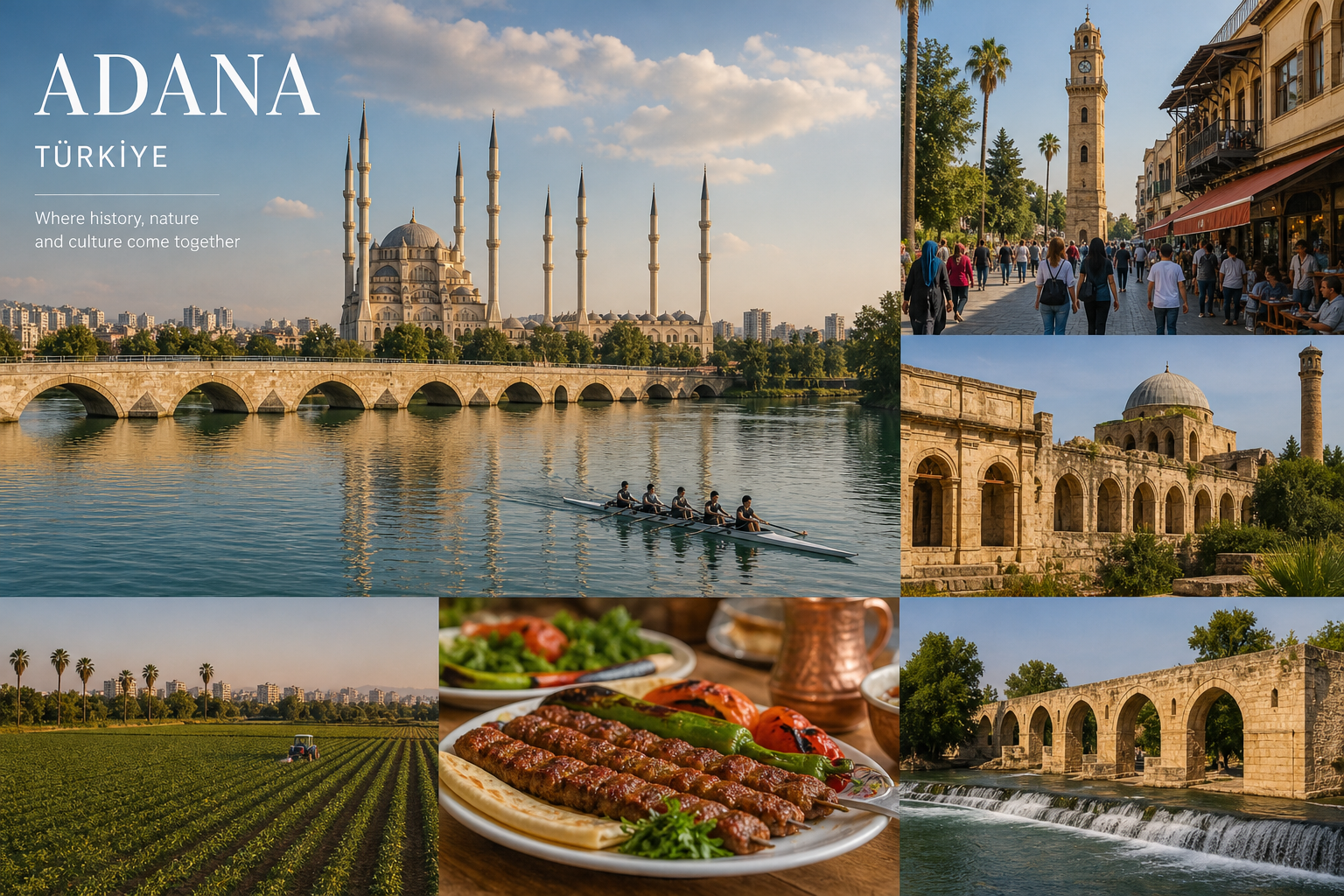
Understanding cannabis culture in Adana requires separating history, popular assumptions and current law. Adana is a large city in southern Türkiye with deep agricultural connections, a diverse urban population and a lively food and social scene. Those features can shape how people discuss cannabis, but they do not create a separate legal regime or prove that cannabis is widely accepted locally.
For residents, visitors and researchers, the most important point is that national Turkish law applies in Adana. Possession, use, cultivation, production, supply and trafficking can all create serious legal consequences. Public discussion of cannabis may exist, yet private attitudes should not be confused with permission. This guide examines the subject through law, history, health, travel and social context without promoting illegal activity.
Cannabis culture in Adana: what the phrase really means
The phrase “cannabis culture” can refer to several different things: historical hemp production, public conversations about drugs, medical interest, artistic representation or an organized recreational community. These categories should not be treated as interchangeable.
There is no reliable basis for describing Adana as a cannabis tourism destination or for claiming that it has a publicly operating cannabis scene comparable to legal markets elsewhere. Informal stories, social-media posts and neighborhood rumors are not evidence of legality or widespread participation. In Adana, the subject is better understood as part of a broader national conversation about controlled substances, public health and changing international drug policies.
The city’s agricultural identity can also lead to confusion. Southern Türkiye has important farming activity, but ordinary agricultural production does not automatically authorize cannabis cultivation. Hemp and cannabis are different legal and commercial subjects, and any regulated cultivation must comply with Turkish rules, licensing requirements and oversight.
Historical and social context
Hemp, cannabis and agricultural assumptions
Hemp has historically been used in many societies for fiber, rope, seed and other industrial purposes. Cannabis plants also have a long global history in medicine, ritual and recreation. However, a general history of hemp is not proof of a continuous cannabis tradition in modern Adana.
Adana’s position in the Çukurova plain makes agriculture central to the region’s identity, but it would be misleading to infer that cannabis is a normal local crop. Legal agricultural activity depends on the plant, its intended use and the applicable authorization. Travelers should never rely on climate, local rumors or the presence of other crops when judging whether cultivation is permitted.
Urban conversation and discretion
As in many cities, cannabis may appear in music, online discussions, films and conversations about youth culture. Some people may be curious about cannabis reform, cannabidiol products or international legalization models. Others may associate cannabis with crime, addiction or social harm. These different views can coexist, particularly in a large city with students, workers, families and visitors from different backgrounds.
That variety does not mean that open consumption is socially safe. Smoking or displaying cannabis in public can attract police attention and create risks for bystanders, employment, housing and travel. Even when someone believes a product is low risk, its labeling, composition and legal status may be uncertain.
Cannabis laws in Adana and across Türkiye
Adana follows Türkiye’s national criminal and regulatory framework. Cannabis is not available through a recreational retail system, and visitors should not assume that informal possession is tolerated because another country has decriminalized or legalized personal use.
Potentially serious offenses include possessing cannabis for personal use, using it, buying or selling it, transporting it, cultivating plants and helping someone else obtain it. The legal consequences can depend on the facts, including the quantity, intent, location, previous history and whether authorities allege supply or organized activity. Drug cases can involve detention, investigation, prosecution, imprisonment, fines and immigration consequences.
Rules and enforcement practices can change, and a short online article cannot replace advice from a qualified Turkish lawyer. For a general health perspective on cannabis effects and risks, consult the World Health Organization’s cannabis fact sheet. For medicines and product regulation, the Turkish Medicines and Medical Devices Agency is a more appropriate starting point than social media or informal sellers.
Why assumptions about “small amounts” are risky
People sometimes assume that a small quantity is automatically legal or that personal use cannot result in prosecution. That is unsafe advice. The distinction between personal possession and an allegation involving supply may depend on evidence and judicial assessment, not simply on a traveler’s explanation.
Do not carry cannabis across a border, place it in luggage for another person, accept an unlabeled package or transport a product whose contents you cannot verify. Airport and border controls are especially serious environments for drug-related offenses. A person who is questioned should remain calm, avoid signing documents they do not understand and request qualified legal assistance.
Medical cannabis in Adana: access and limitations
Interest in medical cannabis in Adana does not mean that patients can legally purchase ordinary cannabis flower, oils or edibles from dispensaries. Medical access, where available, is connected to authorized medicines, medical supervision and Turkish regulatory requirements.
Patients should speak with a licensed physician in Türkiye about an approved treatment pathway. A foreign prescription may not automatically authorize possession or importation. Products purchased abroad can contain tetrahydrocannabinol, cannabidiol or other ingredients in amounts that do not match the label, and a product permitted in the country of purchase may still be restricted in Türkiye.
Anyone traveling with a controlled medicine should check the current requirements with the relevant Turkish authorities before departure. Useful questions include:
- Is the exact medicine authorized for use in Türkiye?
- Is a Turkish prescription or specialist approval required?
- Are original packaging, medical reports or translated documents needed?
- Must the medicine be declared before travel?
- Are there limits on quantity, active ingredients or duration of treatment?
Do not substitute internet advice for a physician’s assessment. Cannabis-based treatments can interact with medicines, affect alertness and pose particular risks for people with certain psychiatric, cardiovascular or neurological conditions.
Weed in Adana: health, safety and privacy
Searches for weed in Adana often produce unverified sellers, coded advertisements and claims about potency or purity. Buying from an unknown source creates both legal and health risks. A product may contain unexpected cannabinoids, synthetic substances, pesticides, heavy metals or contaminants, and appearance is not a reliable safety test.
Cannabis can impair reaction time, attention, memory and judgment. The risk is higher when it is combined with alcohol, sedatives or other drugs. Driving, riding a scooter, operating machinery or swimming after using an intoxicating product can endanger the user and other people.
Edibles present an additional problem because effects can be delayed and may last longer than expected. Repeated consumption before the first dose takes effect can lead to severe intoxication, panic, confusion, vomiting or loss of coordination. Anyone experiencing chest pain, difficulty breathing, seizure, extreme confusion, unconsciousness or suspected poisoning should seek emergency medical help immediately.
Lower-risk choices
- Do not use cannabis in public, near children or in places where smoking is prohibited.
- Never drive or operate equipment after using an intoxicating substance.
- Do not mix cannabis with alcohol or unprescribed medicines.
- Keep unknown products away from children and pets.
- Seek medical help for severe or unusual symptoms rather than relying on online advice.
- Protect personal information and avoid sending identity documents or money to unverified sellers.
Travel guidance for visitors
Visitors looking for cannabis in Adana should treat the issue as a legal and border-control matter, not as a normal tourism activity. Do not bring cannabis, cannabis resin, vape cartridges, edible products or plant material into Türkiye. This applies even if the product was purchased legally in another country.
Do not assume that cannabidiol products are automatically acceptable. Labels can be inaccurate, and products marketed as hemp, CBD or wellness items may contain controlled cannabinoids. Travelers who need a prescribed medicine should obtain written guidance from the relevant Turkish authority and their doctor before flying.
It is also unwise to photograph, film or publicize illegal drug activity. A visitor may face consequences not only for personal possession but also for assisting another person, carrying a package or becoming involved in a transaction. When in doubt, leave the product behind and seek official advice before travel.
Readers comparing the topic with other Turkish cities may also find useful context in our guides to cannabis in Istanbul and marijuana laws in Ankara. The central lesson is consistent: city names do not change the national legal framework.
How to discuss cannabis responsibly
A useful conversation about cannabis in Adana should avoid two extremes. It should not romanticize illegal markets, and it should not treat every user or patient as a criminal stereotype. Responsible coverage distinguishes between adult-use policy, medical treatment, industrial hemp, public health and law enforcement.
Writers and publishers should verify claims, identify whether a statement concerns Türkiye or another country, and avoid presenting anonymous anecdotes as local statistics. They should also avoid publishing purchase instructions, seller contacts or methods for concealing drugs. Clear language can inform readers without increasing legal or health risks.
For families and educators, a practical approach is to discuss impairment, dependence, mental health, driving and the consequences of criminal records. For patients, the priority should be a licensed medical consultation. For visitors, the safest policy is simple: do not possess or transport cannabis unless a qualified Turkish authority has confirmed that a specific medical product is lawful for the specific journey.
Conclusion
Cannabis culture in Adana is best understood through the interaction of agricultural history, urban conversation, public health and strict national law. Adana may have diverse opinions and informal discussions about cannabis, but it is not a legal recreational market and should not be marketed as one.
The terms weed in Adana and cannabis in Adana often lead people toward unreliable online claims. A safer approach is to confirm current rules through official Turkish sources, consult a qualified lawyer for legal questions and speak with a licensed doctor about medical treatment. For residents and travelers alike, avoiding possession, transport and unverified products remains the most reliable way to reduce legal and health risks.