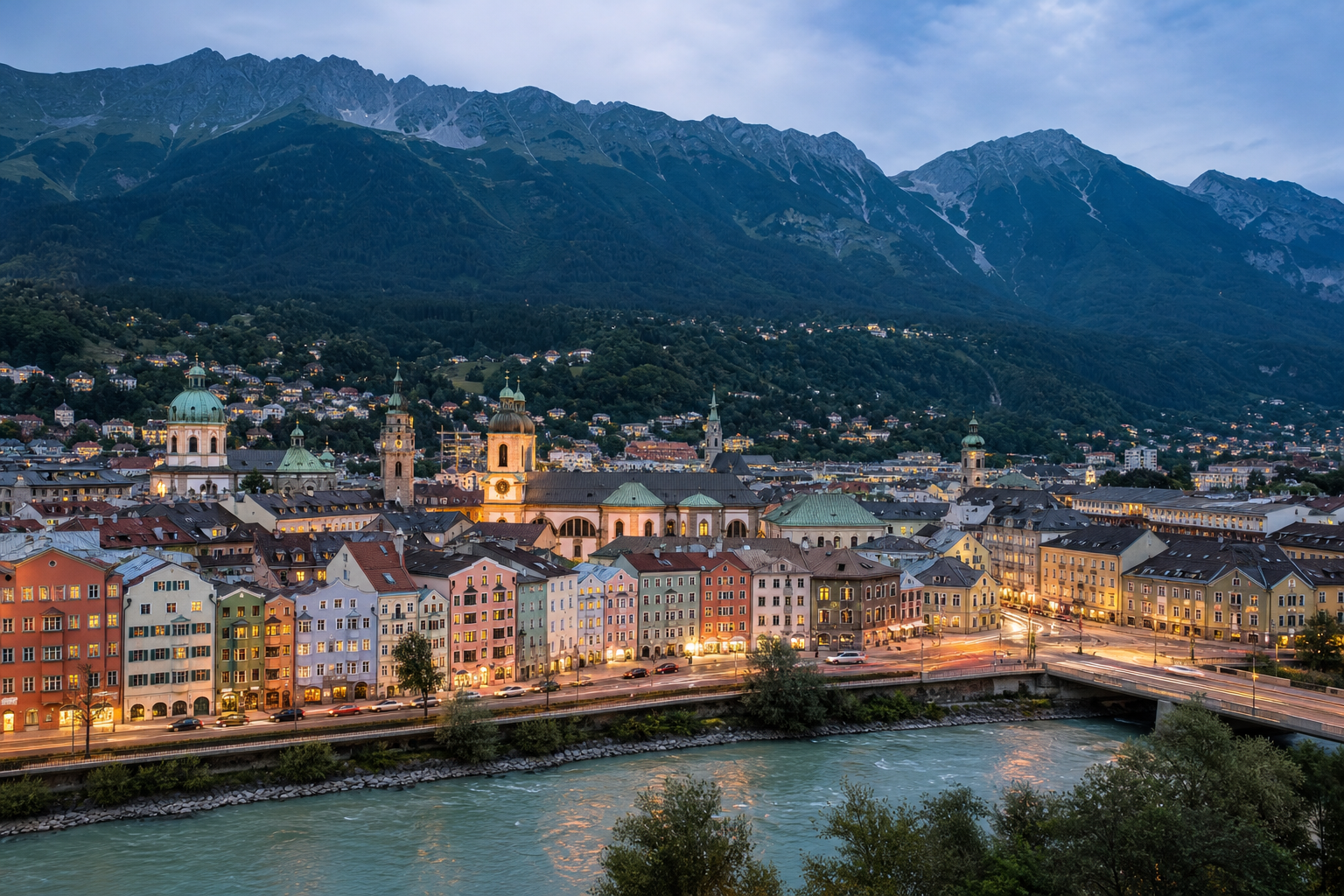
Innsbruck is known for alpine sports, university life, tourism and a lively restaurant and nightlife scene. Those features also shape how people talk about cannabis. Cannabis culture in Innsbruck exists mainly as a social and cultural subject rather than as an openly legal retail market. Visitors may encounter different attitudes among students, residents and travelers, but Austria’s legal framework remains the starting point for any responsible discussion.
This guide explains the local context without romanticizing illegal use or suggesting that cannabis is risk-free. It covers Austrian law, medical access, CBD, tourism, public behavior and practical harm-reduction principles. Rules and enforcement can change, so readers should verify current information through official Austrian sources before making decisions.
Cannabis in Innsbruck: A Local Culture Shaped by the Alps
Innsbruck’s identity combines a compact city center with a large surrounding region. The city attracts students, seasonal workers, outdoor enthusiasts and international visitors, creating a mixture of social backgrounds and expectations. Cannabis may be discussed in private gatherings, music settings or informal conversations, but that does not mean it is accepted everywhere or legal to possess.
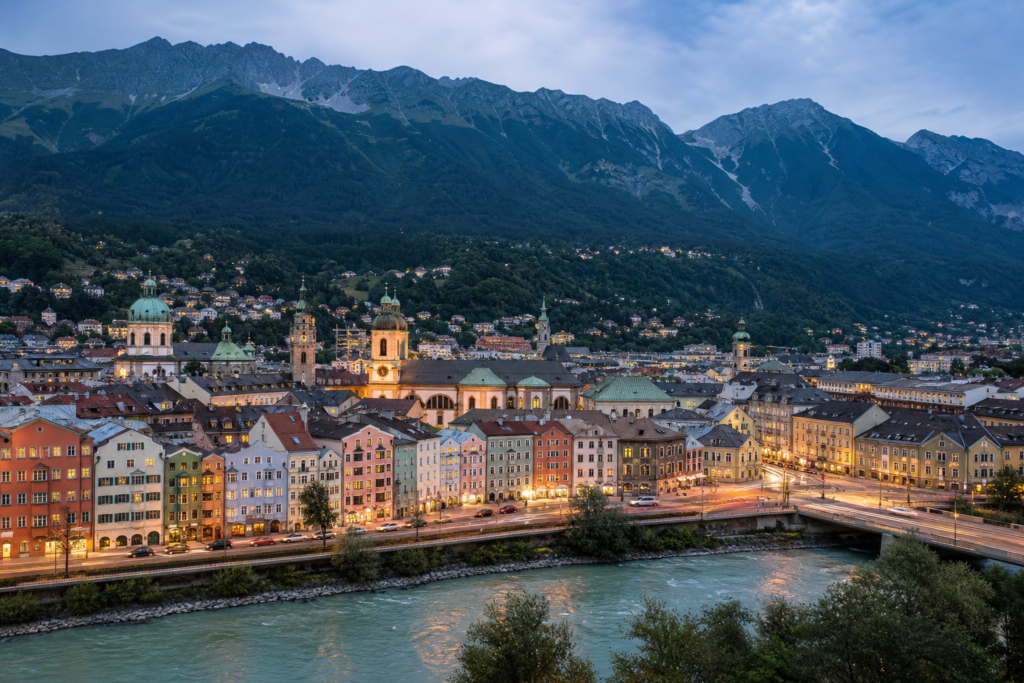
The alpine setting adds a particular contrast. Some people associate cannabis with relaxed outdoor leisure, while Innsbruck’s mountains demand concentration, sound judgment and physical coordination. Using intoxicating substances before hiking, climbing, skiing, cycling or swimming can increase the chance of poor decisions and accidents. The safest cultural norm is to separate any substance use from demanding outdoor activity.
Students, nightlife and private spaces
University cities often have visible conversations about drug policy, health and personal freedom. In Innsbruck, however, a tolerant attitude in one social circle should not be mistaken for a legal exemption. Private accommodation, shared apartments, bars, clubs and public spaces can all have their own rules, and landlords or venue operators may prohibit cannabis entirely.
Smoke can also affect neighbors, especially in dense apartment buildings. Respect for ventilation, shared entrances, balconies and quiet hours is part of being a considerate resident or visitor. Public consumption can attract complaints and may create additional issues if it occurs near children, schools, transport facilities or crowded events.
Cannabis laws in Innsbruck and Austria
Innsbruck follows Austrian national law; there is no separate city-level recreational cannabis system. Cannabis containing prohibited amounts of THC is generally controlled under Austria’s narcotics legislation. Possession, acquisition, production, supply and importing can carry legal consequences, even when someone describes the amount as being for personal use.
Personal use does not make possession automatically lawful. Austrian procedures may distinguish between circumstances, quantities, prior conduct and whether authorities believe a case involves personal use or supply. In some situations, prosecutors or courts may have options involving treatment, a provisional withdrawal or other measures, but these possibilities should never be understood as permission to possess cannabis.
For the wording of the underlying legislation, consult the Austrian government’s official legal information system. It is also important to remember that a product’s appearance or a seller’s description does not determine its legal status. THC content, product category, intended use and the circumstances of possession can all matter.
Public possession, sharing and driving
Sharing cannabis can create more serious legal exposure than private possession because supplying another person is treated differently from personal use. Selling, distributing or importing cannabis is especially risky. Visitors should not carry cannabis across the Austrian border, whether arriving by air, road or rail, and should not assume that a product bought legally elsewhere can be brought into Austria.
Driving after using cannabis is unsafe and can lead to serious consequences. Impairment can last longer than the most noticeable subjective effects, and combining cannabis with alcohol increases risk. The same caution applies to e-scooters, bicycles and other activities where judgment, balance or reaction time matters.
Medical cannabis in Innsbruck
Medical cannabis in Innsbruck is not equivalent to a general recreational dispensary system. Patients with qualifying conditions should discuss symptoms and treatment options with a licensed Austrian doctor. A clinician can decide whether an approved or legally available cannabinoid medicine is appropriate, taking account of diagnosis, other medicines, side effects and treatment goals.
Medical products may include specific cannabinoid medicines or pharmacy-dispensed preparations, depending on the prescription and applicable rules. The availability of a product can change, and not every cannabis-derived item sold online or in another country is recognized as a prescription medicine in Austria.
Patients should avoid self-medicating with unverified products. Labels may be inaccurate, concentrations may vary, and products can contain contaminants or more THC than expected. The Austrian public health portal provides general health information, while a doctor or pharmacist can explain what is appropriate for an individual case. Patients traveling with prescribed medicines should also confirm documentation and border requirements before departure.
CBD in Innsbruck: why product labels matter
CBD products are often marketed as non-intoxicating, but “CBD” does not automatically mean “unregulated” or “safe for everyone.” Some products contain trace THC, while others may be incorrectly labeled. Food supplements, cosmetics, oils, flowers and vaping products can fall under different regulatory expectations.
People considering CBD should look for a clear ingredient list, batch information and a reputable Austrian point of sale. They should also ask a pharmacist about possible interactions, particularly when taking medicines for epilepsy, anxiety, blood pressure or other chronic conditions. CBD may cause side effects and can affect how the body processes some medicines.
Travelers should be especially careful with CBD flower, oils and cartridges. A product that is lawful in one country may be restricted in another, and laboratory claims from a seller are not a substitute for checking Austrian rules. Do not carry cannabis-derived products across borders without confirming their status.
How cannabis tourism fits into Innsbruck
Innsbruck is a destination for mountain holidays, cultural trips and short city breaks, but it is not a legal cannabis-tourism destination in the way some visitors may expect from parts of North America or Europe. There are no general recreational cannabis shops where adults can legally purchase THC cannabis for consumption.
Searches for weed in Innsbruck may lead visitors to informal sellers or social-media offers. These channels carry legal, financial and health risks. Products may be misrepresented, stolen, contaminated or substantially stronger than expected. Buying from an unknown person can also expose a traveler to scams, intimidation or police attention.
A safer visit focuses on Innsbruck’s lawful attractions: museums, historic streets, public transport, cafés, seasonal markets and properly planned outdoor activities. If a traveler uses prescribed medication, the relevant issue is not finding a local recreational supply but carrying and using medicine in compliance with Austrian and international rules.
Harm reduction and respectful behavior
Harm reduction cannot remove the legal risks of cannabis, but it can reduce avoidable health and safety problems. Anyone who chooses to use despite the risks should consider the following principles:
- Do not drive, ski, climb, swim or operate equipment while intoxicated.
- Do not mix cannabis with alcohol, sedatives or other drugs.
- Avoid unknown products and be cautious with high-potency or edible products, whose effects can be delayed.
- Keep cannabis and all medicines away from children and pets.
- Use only in a setting where the person feels safe, with trusted people nearby.
- Do not share smoking or vaping devices, and do not pressure anyone to participate.
- Seek medical help for severe confusion, chest pain, breathing problems, loss of consciousness, repeated vomiting or extreme agitation.
Visitors should also remember that public intoxication can affect other people. Alpine rescue services, emergency departments and local authorities are not substitutes for planning. If someone becomes unwell, provide honest information to medical staff about what was taken and when. In an emergency in Austria, call 112 or the appropriate local emergency service.
Comparing Innsbruck with other Austrian cities
The broad legal position is national, so the main difference between Innsbruck and cities such as Vienna, Graz or Linz is social atmosphere rather than different cannabis legislation. Readers comparing regional perspectives may also find our guides to marijuana in Graz, cannabis in Vienna and CBD in Linz useful for broader Austrian context.
In every city, the same principles apply: a casual conversation is not a legal guarantee, an online offer is not proof of product quality, and medical treatment should be handled through qualified healthcare professionals. Local culture can explain how people talk about cannabis, but it does not replace national law.
What residents and visitors should remember
The most useful way to understand cannabis in Innsbruck is to separate culture from legality. Cannabis may appear in private social discussions and some nightlife circles, yet possession, supply, importing and impaired driving remain matters with real consequences. The mountain environment also makes judgment and coordination especially important.
Before traveling, check current Austrian rules, confirm any prescription documentation, and avoid carrying products across borders. If you are worried about use, dependence, anxiety or unwanted effects, contact a doctor or qualified counseling service rather than relying on informal advice.
Conclusion
Cannabis culture in Innsbruck reflects a modern university and tourism city, but it exists within Austria’s restrictive legal framework. Visitors should not assume that local tolerance equals legalization, and residents should be cautious about unverified products, public consumption and impaired activities. Understanding the law, respecting shared spaces, using medical channels and prioritizing safety allows people to approach the subject responsibly while enjoying what Innsbruck is best known for: its culture, community and alpine surroundings.