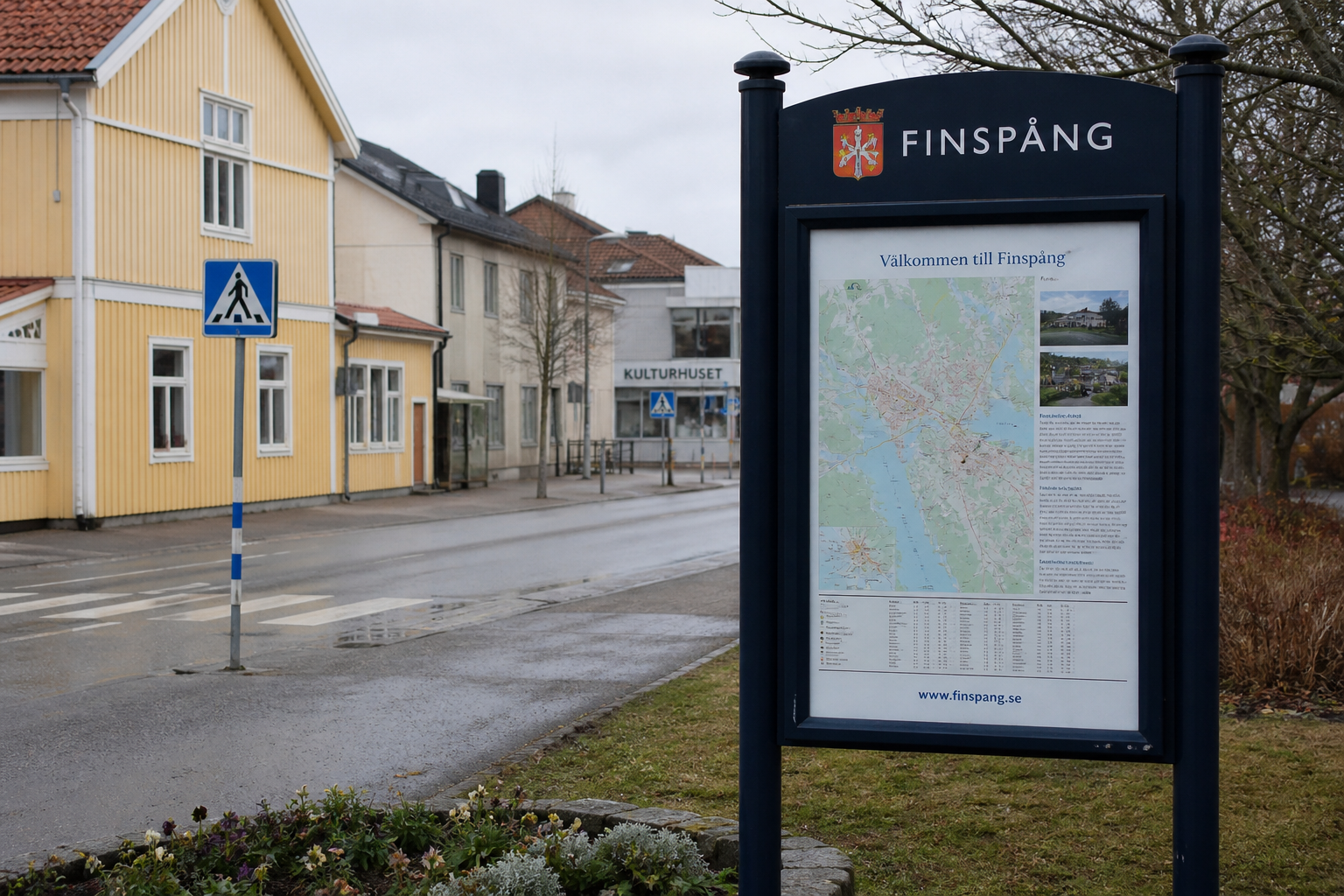
Understanding cannabis possession regulations in Finspång means looking primarily at Swedish national law. Finspång Municipality does not have a separate cannabis possession code that makes possession lawful or creates a special local threshold. The same national rules apply in Finspång as in other Swedish towns: unauthorized possession, use, transfer, cultivation and acquisition of cannabis can constitute a narcotics offence.
This guide explains the practical legal position for residents, visitors and patients. It covers what possession means, how a case may be assessed, possible consequences, medical cannabis, driving, travel and sensible steps after police contact. It is general information rather than individual legal advice. The facts of each case, including the substance, quantity, evidence and a person’s age, can affect the outcome.
How cannabis possession is treated in Finspång
Under Swedish law, cannabis is treated as a narcotic. Possession is not made legal by keeping a small amount for personal use. Sweden also criminalizes personal use, so an allegation may involve both possession and use rather than possession alone. The relevant legal framework is national and can be reviewed through the Swedish Parliament’s official legislation portal.
In practical terms, “possession” can include having cannabis on your body, in a bag, at home, in a vehicle or in another place under your control. Police and prosecutors may distinguish between direct possession and a situation where several people have access to the same substance. Those factual questions can matter when responsibility is disputed.
A municipal location does not change the underlying rule. Searches, questioning and evidence collection in Finspång are carried out under national procedural law. Local conditions may affect where an incident occurs or which police unit responds, but they do not create a local cannabis market, possession allowance or social club exception.
Cannabis laws in Finspång: offences and legal categories
Swedish narcotics offences are assessed according to the circumstances. A lower-level case may be classified as ringa narkotikabrott, commonly translated as a minor narcotics offence. More serious allegations can involve ordinary or aggravated narcotics offences. Classification is not determined solely by a simple weight rule; the type of substance, quantity, purpose, handling, prior conduct and other circumstances may be relevant.
Conduct that may create legal exposure
- Possessing cannabis for personal use or another purpose.
- Using cannabis, including where use is supported by test results or other evidence.
- Buying, receiving or acquiring cannabis.
- Giving, selling, transporting or storing cannabis for another person.
- Cultivating cannabis plants without lawful authorization.
- Keeping cannabis in a vehicle or taking it across a border.
These categories should not be confused with one another. A possession case does not automatically prove supply, and a positive test does not by itself establish every allegation that police might investigate. Conversely, describing cannabis as “only for personal use” does not remove the possibility of criminal liability.
For a broader comparison of how Swedish rules are described in another municipality, see this overview of cannabis laws and regulations in Hudiksvall. The legal principles are national, although the facts and enforcement context of each case differ.
Possible penalties for possession
Potential consequences depend on the offence classification and the individual circumstances. A minor narcotics offence can result in a fine, and imprisonment is legally possible for the minor category. More serious narcotics offences carry substantially greater penalties. The court may also consider other consequences, including confiscation of the substance and relevant equipment or property where the legal requirements are met.
There is no universal “safe amount” that guarantees a case will be ignored. A small amount may be relevant to classification, but it does not make possession lawful. A person’s age can also affect how authorities handle the matter. Young people may be subject to youth-specific procedures and support measures, while adults may face a different process.
A criminal investigation may involve seizure, questioning, a search, a biological sample and laboratory analysis. Whether a prosecutor brings a case, seeks a summary procedure or closes an investigation depends on the evidence. People should not assume that an informal conversation with police means the matter has ended.
Police contact, searches and testing in Finspång
If police suspect a narcotics offence, they may investigate the circumstances under Swedish criminal procedure. Depending on the situation, this can include questioning, searching a person or location, taking possession of suspected cannabis and requesting a drug test. The exact legal basis for a measure depends on the level of suspicion and the circumstances known to officers.
Remain calm, avoid obstructing lawful police work and ask what you are suspected of. You generally have the right to understand the allegation and to obtain legal assistance, especially where the matter is serious or the consequences may be significant. Do not guess, speculate or sign a statement you do not understand. Request an interpreter if language is a problem.
Police information about drug enforcement and public safety is available from the Swedish Police official website. That information should be read alongside the facts of a particular case, because a website cannot determine whether evidence is sufficient in an individual investigation.
Weed in Finspång and public places
Searching for “weed in Finspång” does not change the legal position. Cannabis is not legally sold through ordinary licensed recreational shops in Sweden, and a person who obtains it informally may face risks beyond possession. The product may be mislabelled, contaminated or stronger than expected. Buying from another person can also create evidence of acquisition or supply-related conduct.
Using cannabis in a park, near a station, at an event or in shared accommodation can attract attention and create additional practical problems. Smoke or smell may lead to a police interaction, while possession in a vehicle can raise separate concerns about driving and safety. Public visibility is not itself a separate cannabis possession rule, but it can make an incident more likely to be reported or investigated.
Do not carry cannabis to public events, across municipal boundaries or into accommodation where other people may be affected. A host, landlord, employer or event organizer may also apply private rules even where those rules are separate from criminal law.
Medical cannabis in Finspång
Medical cannabis in Finspång is not a general exception to the narcotics rules. Some cannabis-based medicines may be prescribed and dispensed lawfully under Sweden’s healthcare and medicines system. Lawful access depends on an appropriate prescription, an authorized product and compliance with dispensing instructions.
A patient should keep the medicine in its original pharmacy packaging and carry documentation when appropriate. Do not share prescribed medicine, alter the product or assume that a foreign cannabis prescription automatically authorizes possession in Sweden. A product described online as CBD, hemp extract or medicinal cannabis may have a different legal status from a prescribed medicine, but the label alone is not decisive.
Anyone considering treatment should speak with a licensed healthcare professional or pharmacist. For a related explanation of patient access and safety issues, you can read the guide to medical cannabis access in Sala. That article is general information and does not replace advice from Swedish healthcare providers or authorities.
Driving, work and other consequences
Swedish drug-driving rules are an important separate risk. Driving after using cannabis can create criminal liability even when a person does not feel impaired. A positive finding of a prohibited substance in the body may be highly significant, subject to the specific legal rules and evidence in the case. Never drive, cycle in traffic or operate machinery after using cannabis.
A cannabis incident may also affect employment, professional licensing, immigration matters, education or family proceedings, depending on the circumstances. Employers do not automatically receive every police detail, but some safety-sensitive roles and background-check processes can create additional consequences. A person facing immigration or employment concerns should obtain advice tailored to that issue.
Traveling with cannabis from or to Finspång
Taking cannabis across a Swedish border is especially risky. Importing or exporting a narcotic can be treated more seriously than simple possession, and foreign medical documentation may not be enough. Airport, ferry and customs checks can lead to seizure and investigation even where the amount is small.
Do not put cannabis in luggage, a vehicle or a parcel. Do not assume that a product bought legally in another country can be brought into Sweden. Before traveling with any prescribed cannabis-based medicine, verify the current requirements with the relevant Swedish authority, carrier and destination country. Border rules can differ from domestic possession rules.
What to do after a possession allegation
- Ask what offence is being investigated and whether you are free to leave.
- Provide accurate identification details, but do not speculate about facts you do not know.
- Request an interpreter or legal assistance if needed.
- Keep paperwork relating to prescribed medicines and any test or seizure documents.
- Contact a Swedish criminal defence lawyer promptly if you receive a summons, penalty order or request for a formal statement.
- Do not contact suspected suppliers or attempt to delete messages, move substances or influence witnesses.
Legal advice is particularly important where there are allegations of supply, cultivation, importation, driving, repeat offending or an alleged offence involving a young person. A lawyer can explain the evidence, procedural stage and available response based on the actual documents.
Key points for residents and visitors
- Cannabis possession is illegal in Finspång under Sweden’s national narcotics rules.
- Personal use is also criminalized; a small amount is not automatically lawful.
- Finspång Municipality does not create a local recreational cannabis exception.
- Prescribed cannabis-based medicine must be lawful, correctly supplied and used as directed.
- Driving after cannabis use creates a separate and serious legal and safety risk.
- Cross-border transport can lead to import or export allegations.
- Anyone questioned or charged should seek advice based on the specific facts.
Conclusion
The central rule behind cannabis possession regulations in Finspång is straightforward: unauthorized cannabis possession and use remain criminal offences under Swedish national law. The amount, location and claimed purpose may affect how authorities classify a case, but they do not create a general right to possess cannabis. Medical products, driving, travel and police procedures each involve additional rules. Residents and visitors who face an investigation should preserve relevant documents, avoid further risk and obtain qualified Swedish legal advice rather than relying on assumptions about local practice.