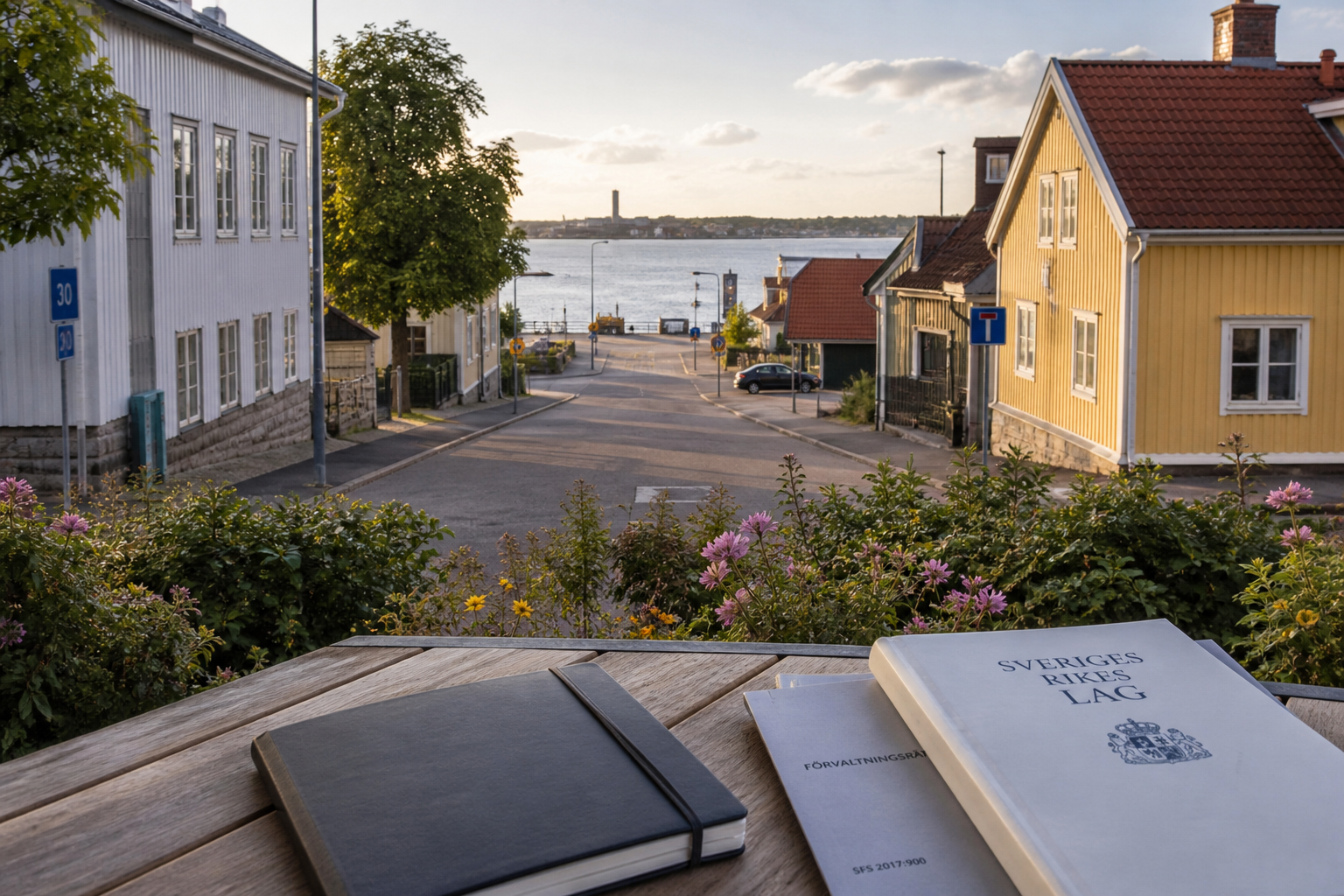
Understanding marijuana cultivation laws in Oskarshamn starts with an important point: cannabis rules are set mainly by Swedish national law, not by a separate local cultivation code. Growing cannabis plants at home, on a balcony or in a garden can therefore create criminal liability in Oskarshamn just as it can elsewhere in Sweden. This guide explains the general legal position, how medical cannabis differs from personal cultivation, why industrial hemp is a separate issue and what practical risks residents should understand.
There is no lawful recreational home-growing system in Sweden. Whether someone grows one plant or operates a larger indoor garden, the legal assessment can involve the plant, the intended use, the amount and the circumstances of the cultivation. Anyone facing a real investigation should obtain advice from a qualified Swedish lawyer rather than relying on an online summary.
How cannabis cultivation is treated under Swedish law
Sweden has a restrictive approach to cannabis. Cannabis and cannabis products are generally classified as narcotics, and activities such as possession, use, production and transfer may be criminal offences unless a specific legal exception applies. Cultivating cannabis for its drug content is normally treated as production or preparation of a narcotic substance.
That means growing cannabis is not made lawful by keeping it private, growing only for personal use or avoiding commercial sales. A home grow can still be investigated as an alleged narcotics offence. The legal consequences depend on the facts, including the scale of the operation, the quantity involved, the grower’s role and any evidence of distribution.
Does the number of plants matter?
The number of plants can affect how authorities and courts assess seriousness, but there is no general “safe” number of cannabis plants for personal cultivation. A single plant is not automatically exempt. Lighting equipment, ventilation, fertilizers, harvested material, messages and other evidence may also be relevant to an investigation.
Plant maturity and expected yield can be difficult to establish precisely, so people should not assume that an early-stage plant or a small indoor setup eliminates legal risk. Swedish authorities may consider the whole situation rather than relying only on the visible amount of usable cannabis.
Cannabis cultivation in Oskarshamn: local context and national rules
Oskarshamn is a municipality in Kalmar County, but the core rules on narcotics and criminal liability are national. Local police, prosecutors and courts apply Swedish law; the municipality does not have authority to create a recreational cannabis-growing permit for private residents.
For that reason, searches for cannabis in Oskarshamn or weed in Oskarshamn should not be interpreted as evidence of a local legal market. Local availability, informal claims or what happens in another town do not change the legal status of cultivation. The same caution applies to indoor growing in an apartment, outbuilding or rented property.
For comparison, readers looking at the wider region can review this guide to cannabis law and health context in nearby Västervik. The underlying national rules remain the key reference point.
Is growing for personal use allowed?
No general personal-use exception allows people in Oskarshamn to grow marijuana. Swedish law does not create a legal distinction that makes cultivation acceptable merely because the grower does not intend to sell the harvest. Personal cultivation may still lead to investigation, seizure of plants and equipment, prosecution and a criminal conviction.
Possession and use can create separate legal issues from cultivation. A person may therefore face more than one allegation if authorities find plants, harvested cannabis and other controlled substances. The precise classification and outcome depend on evidence and the decisions of prosecutors and courts.
Renting a home does not change the rule
Tenants do not gain a right to cultivate cannabis in a rented apartment. A grow may also create civil or housing consequences, such as damage claims, termination disputes or concerns about moisture, fire and electrical safety. Landlords, housing associations and insurers may have their own contractual rights and procedures.
People should never modify electrical systems, overload circuits or create improvised ventilation around a grow. Apart from the legal issue, indoor cultivation can cause fire, water and mould hazards that affect neighbours and emergency responders.
Medical cannabis and cultivation
Medical cannabis is not a general permission to grow cannabis at home. In Sweden, some cannabis-based medicines may be available through regulated medical channels and subject to prescription, product rules and professional assessment. A prescription or medical need does not normally authorize a patient to produce cannabis plants independently.
Anyone asking about medical cannabis in Oskarshamn should speak with a licensed healthcare professional about symptoms, approved treatment options and whether a specialist assessment is appropriate. Patients should use medicines exactly as prescribed and should not assume that a product bought online has Swedish authorization or reliable contents.
Information about Swedish medicines and regulatory responsibilities can be checked through the official Swedish Medical Products Agency. For a related explanation of lawful access and treatment questions, see this guide to medical cannabis access and safer care in Sweden.
Industrial hemp is different from marijuana
Industrial hemp is not automatically interchangeable with marijuana. Certain hemp cultivation may be permitted under agricultural and regulatory conditions, including rules concerning approved varieties, cultivation arrangements and applicable support or reporting requirements. Those conditions are not a blanket license for growing ordinary high-THC cannabis.
Anyone considering commercial hemp in or around Oskarshamn should confirm the current requirements with the relevant Swedish authorities before planting. Seed variety, THC limits, agricultural status, documentation and inspection requirements can matter. Buying seeds marketed as “hemp” or “low THC” does not by itself prove that a proposed cultivation project complies with Swedish law.
Why hemp assumptions can be risky
Different cannabis varieties can look similar, especially at an early stage. A person who believes a plant is lawful hemp may still face questions if the variety, paperwork or cultivation conditions do not meet the applicable requirements. Commercial plans should therefore be checked in advance, with written confirmation where appropriate.
Potential consequences of unlawful cultivation
Unlawful growing may trigger several kinds of consequences. Criminal liability is the primary concern, but it is not the only one. Possible outcomes can include:
- Police investigation, questioning and seizure of plants, harvested material or growing equipment.
- Prosecution for a narcotics-related offence, depending on the evidence and alleged conduct.
- A fine or other criminal sanction in less serious cases, with more severe consequences possible when the conduct is aggravated.
- Stronger legal exposure where cultivation is extensive, organized, connected to sales or involves another person’s participation.
- Housing, employment, insurance or immigration complications that depend on the individual’s circumstances.
It would be misleading to promise a fixed penalty based only on the number of plants. Swedish courts assess the complete case, and legal classifications can change as investigators establish the quantity, intent and role of each person involved.
What visitors and residents should avoid
Visitors sometimes assume that rules from a country with legal recreational cultivation apply in Sweden. They do not. Bringing seeds, plants, cannabis products or equipment across a border can create additional customs and narcotics issues. A product legally purchased abroad is not automatically lawful to import, possess or use in Sweden.
Residents should also avoid buying cannabis through informal channels or asking another person to grow on their behalf. These arrangements can involve possession, acquisition, transfer or joint participation, and they expose people to unknown product strength, contamination and exploitation.
For broader travel-related context, this guide to cannabis access rules and medical considerations in Sweden explains why legal assumptions should not be carried across borders or between different regulatory systems.
Safer lawful steps if you are concerned
If you have found cannabis plants in a property, suspect a grow or are worried about your own legal position, avoid destroying evidence, moving plants or confronting people in a way that could escalate the situation. If there is an immediate fire, electrical or safety danger, contact emergency services. For legal exposure, seek confidential advice from a Swedish criminal defence lawyer.
For health concerns, speak with a healthcare professional. Do not stop prescribed treatment or replace it with an unregulated cannabis product without medical advice. If the issue involves a child, coercion, violence or exploitation, contact the relevant emergency or safeguarding service.
Conclusion
The central message about cannabis laws in Oskarshamn is straightforward: Swedish national law generally prohibits private marijuana cultivation, including cultivation intended only for personal use. Medical treatment does not normally permit home growing, and industrial hemp is subject to separate conditions that must be verified before planting.
Oskarshamn has no local recreational cultivation exception. Anyone considering growing cannabis, importing seeds or starting a hemp project should check the current rules with an appropriate Swedish authority or lawyer first. Treat online claims, informal sellers and comparisons with other countries cautiously, because the legal and practical risks can be significant.