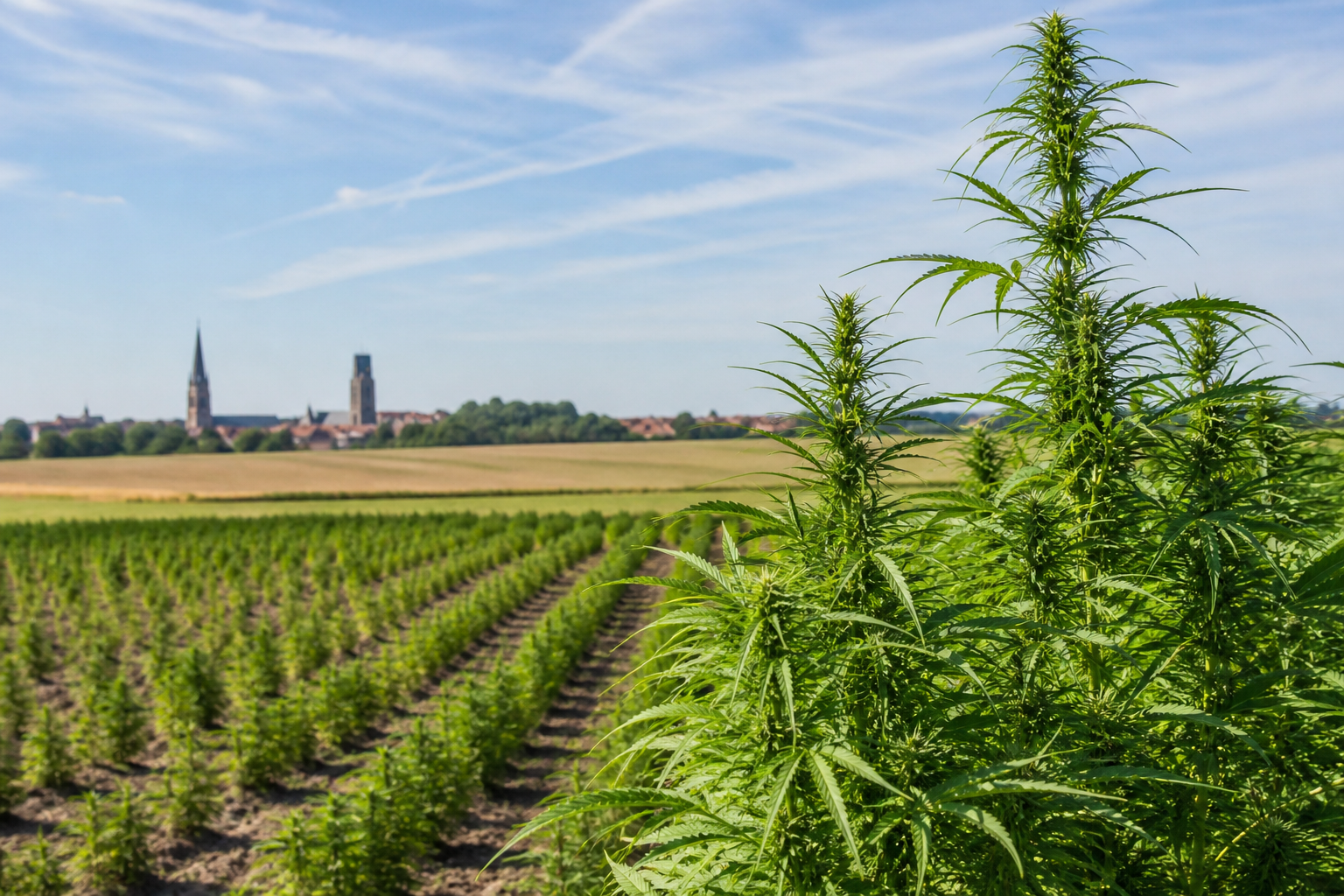
The Cannabis industry in Kristianstad is best understood through Sweden’s strict legal framework, the distinction between industrial hemp and controlled cannabis, and the gradual development of regulated medical products. Kristianstad is a regional centre in northeastern Skåne, with connections to agriculture, food production, logistics, retail and public services. Those characteristics create a useful setting for discussing hemp, CBD, medicine, research and public-health questions without confusing legal business activity with an adult-use cannabis market.
This guide explains what the local market can realistically include, how Swedish rules affect residents and businesses, and what consumers should consider before buying or using cannabis-related products. It does not provide a way to obtain illegal drugs, and laws can change. For a broader comparison, readers may also find this guide to cannabis legality in Lund useful when considering how national rules apply across Skåne.
What the cannabis industry in Kristianstad actually includes
In everyday conversation, “cannabis industry” can suggest licensed dispensaries and recreational sales. That is not an accurate description of Kristianstad or Sweden. Swedish law does not provide a general legal retail market for THC cannabis for adult use. As a result, the legitimate local industry is more likely to involve adjacent sectors and tightly controlled activities.
- Industrial hemp: Hemp varieties approved for cultivation may be used for fibre, food ingredients, textiles, construction materials and other non-intoxicating applications, subject to applicable rules.
- CBD and wellness products: Products marketed with CBD may be regulated under food, cosmetics, medicine, tobacco, consumer-safety or other legislation depending on their composition and intended use.
- Medical products: Certain cannabis-based medicines may be available through the Swedish healthcare and pharmacy system, but access is controlled and does not mean that cannabis is broadly legal.
- Research and testing: Universities, laboratories and companies may study cannabinoids or hemp under permits and other regulatory requirements.
- Professional services: Compliance, laboratory analysis, agriculture, packaging, logistics and legal advice can support the wider hemp and cannabinoid economy.
Kristianstad’s agricultural surroundings may make hemp-related production and supply-chain questions particularly relevant. However, local conditions do not override national licensing, cultivation, product, marketing or medicines legislation.
Cannabis laws in Kristianstad and the Swedish legal position
The same core rules apply in Kristianstad as elsewhere in Sweden. Cannabis containing controlled substances, including THC, is not a lawful consumer product simply because it is sold online, described as “natural,” or labelled for collection purposes. Possession, use, transfer, importation and cultivation can create criminal-law risks, depending on the facts and the substance involved.
Sweden follows a restrictive approach to illegal drug use and possession. Police enforcement, customs controls and prosecution are matters of national law rather than policies created by Kristianstad municipality. Anyone facing a legal issue should obtain advice from a qualified Swedish lawyer rather than rely on informal online explanations.
The Swedish Police official information is a useful starting point for understanding the role of police and general public-safety guidance. It is also important to distinguish a product’s marketing language from its legal status: a label such as “hemp,” “CBD,” or “THC-free” is not, by itself, proof that a product meets every applicable Swedish requirement.
Why “weed in Kristianstad” searches can be misleading
People searching for weed in Kristianstad may be looking for legal information, medical options, CBD products, or illegal supply. These categories should not be treated as interchangeable. There is no general legal cannabis dispensary system comparable to those found in some other countries, and an unlicensed seller is not made legitimate by having a physical address or an online storefront.
Buying from an informal source also makes it difficult to verify potency, contaminants, age controls, storage conditions and the identity of the seller. Products may contain more THC than expected, other cannabinoids, synthetic substances or contaminants. Avoiding illegal purchasing is therefore both a legal and a health-protection measure.
Medical cannabis in Kristianstad
Medical cannabis in Kristianstad is accessed through Sweden’s medical system, not through recreational dispensaries. A doctor must assess the patient’s condition, previous treatments, potential benefits and risks. Where a cannabis-based medicine is considered appropriate, prescribing and dispensing are governed by medical and pharmaceutical rules.
Patients should be cautious about websites promising guaranteed access, miracle results or a prescription without a proper clinical assessment. A legitimate healthcare discussion should include the patient’s diagnosis, other medicines, possible side effects, driving implications, mental-health history and follow-up arrangements.
Cannabis-based medicines can affect alertness, coordination, memory and judgement. They may also interact with other medicines and may be unsuitable for some people with a history of psychosis, certain cardiovascular conditions or other vulnerabilities. A healthcare professional can explain the relevant risks for an individual patient.
For general pharmaceutical and medicines information, consult the Swedish Medical Products Agency. Patients should also use their usual healthcare provider or pharmacy for current advice rather than treating social-media claims as medical guidance.
CBD, hemp and consumer protection
CBD is not automatically illegal, but neither is every CBD product automatically lawful. The product’s ingredients, THC content, intended use, route of administration and marketing claims all matter. Food products and supplements can raise different questions from cosmetics, topical products or medicines.
Questions to ask before buying a hemp or CBD product
- Who is the responsible manufacturer or importer?
- Is there a complete ingredient list and clear contact information?
- Does the seller provide credible, product-specific laboratory testing?
- Are the test results recent and linked to a batch number?
- Does the product make medical claims that would normally require medicine authorisation?
- Are the instructions, warnings and storage information understandable?
- Could the product create a positive drug test or affect driving and workplace safety?
Testing documents should be treated critically. A generic certificate, a screenshot without laboratory details, or a claim that a product is “legal everywhere” does not establish compliance with Swedish law. Consumers should also be wary of products that promise to treat serious diseases or replace prescribed care.
Readers interested in regional comparisons can review this article about CBD in Malmö and Swedish buying considerations. The same caution applies in Kristianstad: a nearby retailer or an online supplier does not remove the need to verify the product and its legal category.
Business opportunities and limits in Kristianstad
A responsible cannabis-related business in Kristianstad needs to begin with classification and compliance, not branding. A company handling industrial hemp, food ingredients, cosmetics, laboratory services or medicines may face completely different obligations. These can include registration, permits, traceability, quality systems, labelling controls, advertising restrictions, tax responsibilities and workplace procedures.
Potentially legitimate areas include hemp fibre and materials, agricultural services, packaging, laboratory testing, research partnerships, regulated pharmaceutical distribution and professional education. A business plan that depends on selling intoxicating THC products to the general public would not fit Sweden’s current legal model.
Practical compliance priorities
- Classify the product: Determine whether it is a food, cosmetic, medicine, chemical product, agricultural input or another regulated category.
- Check the active ingredients: Confirm cannabinoid content and investigate contaminants, residual solvents, pesticides and microbial risks where relevant.
- Review claims: Avoid presenting a food, cosmetic or wellness product as a treatment unless the necessary authorisation exists.
- Verify the supply chain: Document suppliers, batches, testing, storage and transport conditions.
- Get specialist advice: Swedish regulatory counsel and the relevant authority should be consulted before launch or importation.
Local entrepreneurs should not assume that a product permitted in another European country can be imported, advertised or sold in Sweden without additional checks. Cross-border movement can involve customs, controlled-substance, food, medicines and consumer-protection rules.
Public health and community considerations
Discussion of cannabis in Kristianstad should include health, not just commercial potential. Frequent or high-potency cannabis use can be associated with impaired attention, memory and coordination. Some users develop problematic use, and risk may be higher for adolescents or people with personal or family vulnerability to psychosis and other mental-health conditions.
Driving after using cannabis is especially serious. Intoxication can reduce reaction time and judgement, while Swedish traffic and drug laws can create consequences beyond the immediate health effects. Combining cannabis with alcohol or sedating medicines can increase impairment.
Community education is more useful when it is factual and non-judgemental. Young people, parents, schools, employers and healthcare workers may need different information, but all benefit from clear explanations of legal risks, delayed effects from edibles, uncertain product strength and signs of problematic use.
How Kristianstad fits into the wider Skåne market
Kristianstad does not operate as an isolated market. Residents may encounter products, advertising and services connected to Malmö, Helsingborg, Lund or online suppliers elsewhere in Sweden. That wider geography can make market research easier, but it does not create a local exemption from national law.
Comparing nearby cities can help readers separate regional business activity from legal permission. For example, information about cannabis use and safety in Halmstad may provide a useful regional perspective, while the underlying Swedish legal framework remains the key reference point.
Future developments could involve research, medical products, industrial materials or changes in European regulation. Any such development would need to be assessed through official Swedish rules rather than assumed from policy changes in another country.
Responsible takeaways for residents and businesses
- There is no general legal recreational cannabis retail market in Kristianstad.
- Industrial hemp and CBD products must still meet applicable Swedish requirements.
- Medical cannabis is a healthcare matter requiring professional assessment and regulated access.
- Online availability does not prove that a product is legal, safe or accurately labelled.
- Businesses should classify products and confirm permits before importing, manufacturing or selling them.
- Consumers should avoid unverified products and seek medical advice for health concerns.
Conclusion
The Cannabis industry in Kristianstad is a limited and regulated field rather than an open recreational marketplace. Its most credible areas are industrial hemp, compliant CBD or cannabinoid products, medical treatment within the healthcare system, research and specialist services. National Swedish law determines what is permitted, while public-health and consumer-protection responsibilities apply to both businesses and individuals.
For anyone researching cannabis in Kristianstad, the safest approach is to verify the product category, consult official authorities, and avoid claims that promise easy access or guaranteed medical benefits. Clear legal classification and evidence-based health information are more valuable than assumptions based on overseas cannabis markets.