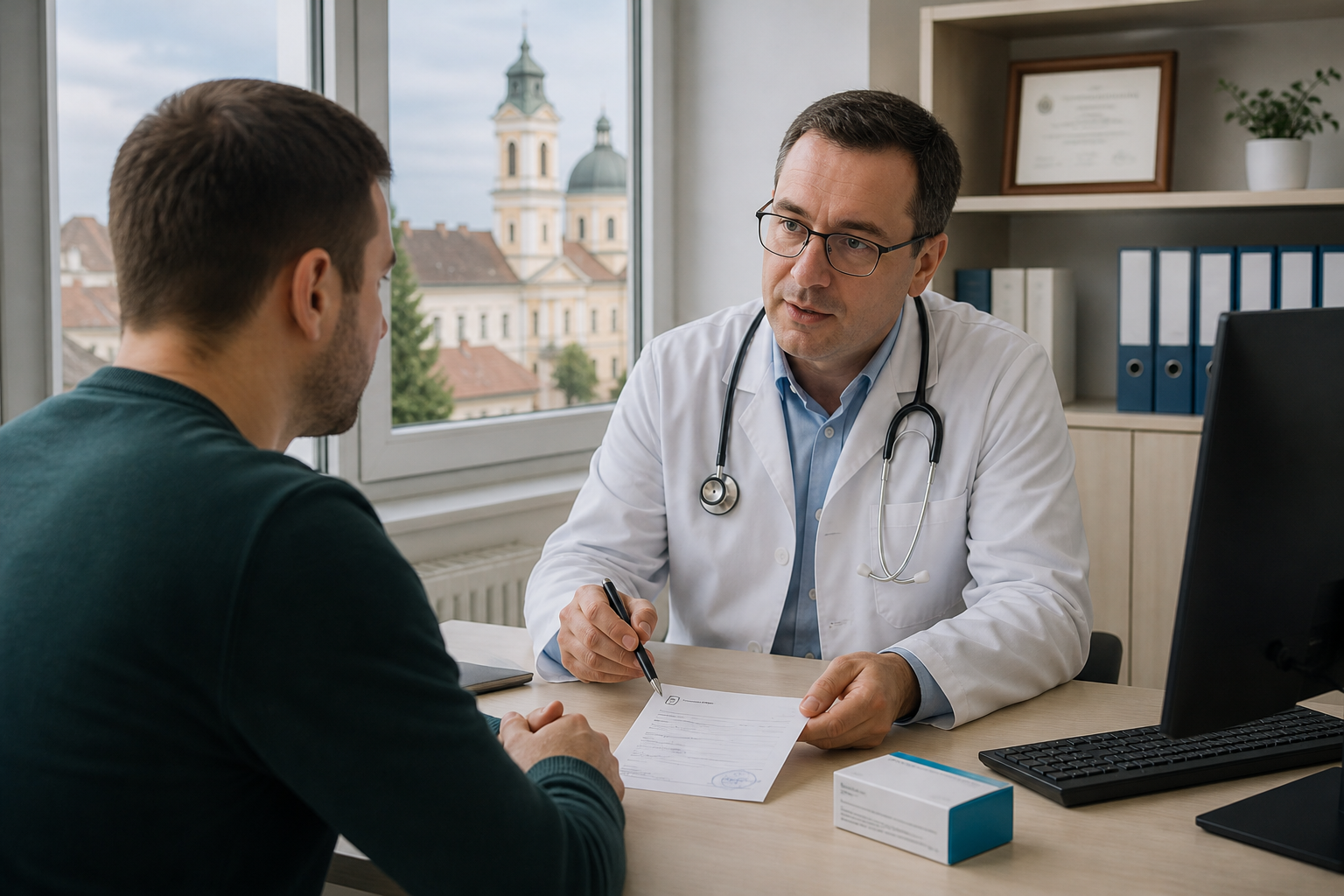
Interest in medical cannabis in Blaj is understandable for people living with persistent pain, neurological symptoms, cancer-related problems, or other difficult-to-treat conditions. However, the phrase can create a misleading impression that a patient can simply visit a shop and purchase a standard cannabis medicine. Romania treats cannabis and many cannabinoid products as controlled substances, so access depends on the specific product, its authorization status, the medical indication, and the prescribing and dispensing rules that apply.
This guide explains the practical position for residents and visitors in Blaj. It is general information, not a diagnosis or legal opinion. Rules and product availability can change. Before using any cannabis-based treatment, speak with a Romanian doctor and pharmacist, and verify current requirements with the relevant authorities.
What medical cannabis in Blaj usually means
In everyday conversation, “medical cannabis” may refer to several different things: an authorized medicine containing a cannabinoid, a preparation made from cannabis, a THC-containing product, or a non-intoxicating CBD product. These categories are not interchangeable. A product sold online as CBD is not automatically an approved medicine, while a product containing THC can create significant legal and safety issues even when a person believes it is being used for health reasons.
For a patient in Blaj, the important question is not simply whether cannabis is discussed as a therapy. The key questions are whether the exact product is legally recognized in Romania, whether it is appropriate for the person’s condition, and whether a Romanian healthcare professional can lawfully prescribe or recommend it under the applicable framework.
Romanian controlled-substance rules are based on national legislation, including the laws governing narcotic and psychotropic substances. The Romanian legislation portal is a useful place to check the current wording of laws and regulations. Because legal language and administrative procedures can be difficult to interpret, patients should not rely on social-media summaries or informal sellers.
Cannabis laws in Blaj and the Romanian legal framework
Blaj does not have a separate local cannabis regime. The same national rules apply in Blaj as in Alba Iulia, Cugir, Sebeș, and other Romanian cities. Local police, pharmacies, and medical providers operate within Romania’s national controlled-substance framework.
Possessing, obtaining, supplying, importing, or cultivating cannabis outside the permitted legal framework can expose a person to criminal or administrative consequences. Calling a product “medical” does not by itself make possession lawful. A prescription, medical record, or online purchase receipt may not protect someone if the underlying product is unauthorized or obtained through an unlawful channel.
It is also important to distinguish lawful medical use from recreational use. Romania has not created a general retail market for recreational cannabis. Searching for weed in Blaj or asking an informal contact for cannabis is not a safe substitute for consulting a doctor. Unregulated products may have inaccurate labels, unknown THC levels, contaminants, or no reliable connection to a medical indication.
For broader regional context, readers can compare this guide with information about medicinal marijuana in Cugir and the legal status of cannabis in nearby Sebeș. These comparisons do not replace checking the current national rules.
How a patient in Blaj should approach treatment
Start with a licensed doctor
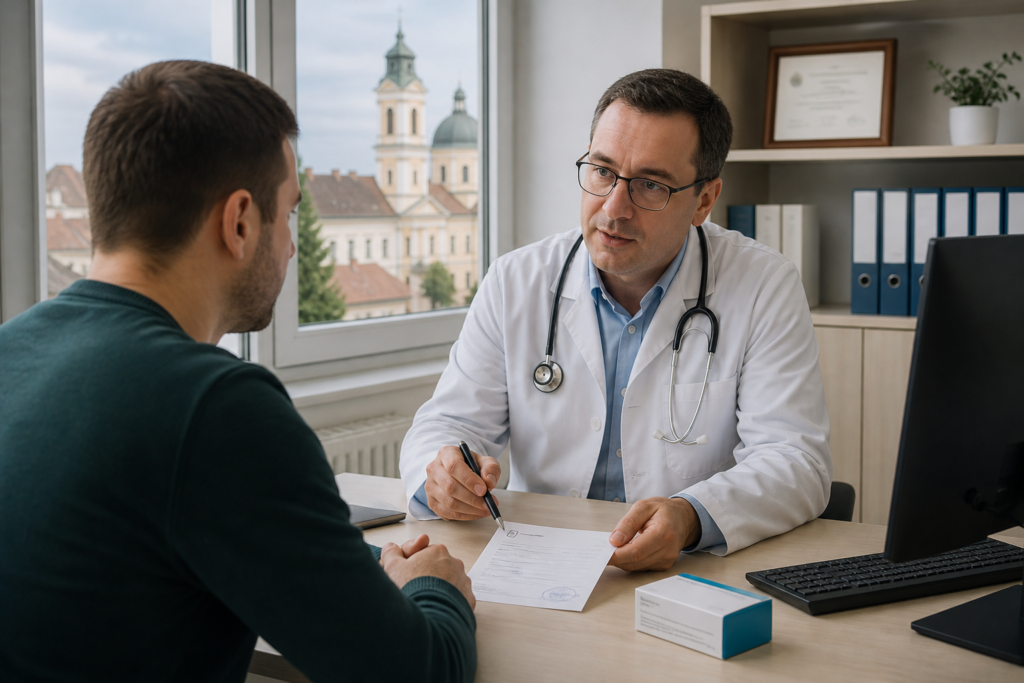
A patient should begin with the doctor who understands the underlying condition, such as a family physician, neurologist, oncologist, pain specialist, or psychiatrist where appropriate. The consultation should focus on the diagnosis, previous treatments, current medicines, symptoms, and treatment goals. A doctor may decide that a cannabinoid-based medicine is unsuitable, insufficiently supported for the condition, or too risky alongside other medicines.
Patients should bring a list of prescription medicines, non-prescription products, supplements, allergies, previous adverse reactions, and relevant medical reports. Honest disclosure matters because cannabinoids may affect alertness, coordination, blood pressure, mood, and the metabolism of other medicines.
Confirm the exact product and route of access
Do not treat “cannabis oil,” “CBD,” “full-spectrum,” and “medical cannabis” as proof of legal or clinical status. Ask the doctor or pharmacist for the exact product name, active ingredients, strength, dosage form, and authorization status. A pharmacy can also explain whether a product is stocked, requires a prescription, or must be obtained through a particular medical or regulatory process.
The National Agency for Medicines and Medical Devices of Romania provides official medicines information and regulatory resources. If a website makes unusually strong promises, claims that a product cures many unrelated diseases, or offers THC products without a clear Romanian compliance pathway, treat it as a warning sign.
Conditions and evidence: what to discuss with a clinician
Evidence for cannabinoid medicines is not equally strong for every condition. Some cannabinoid-based treatments may have a role in narrowly defined circumstances, while evidence for general wellness claims, ordinary stress, insomnia, or chronic pain can be mixed. The right decision depends on the diagnosis, alternatives already tried, the patient’s risk profile, and the specific medicine—not on the popularity of cannabis online.
A useful appointment should address:
- What symptom or diagnosis is being treated?
- What established treatments have already been tried, and with what results?
- What benefit would count as a successful trial?
- How long should treatment continue before it is reviewed?
- What side effects or warning signs require stopping or urgent medical advice?
- Could the treatment interact with alcohol, sedatives, antidepressants, pain medicines, or other drugs?
Patients should be cautious about replacing prescribed treatment without medical supervision. Cannabis-based products are not automatically safer because they are plant-derived, and “natural” is not a guarantee of consistent dose or quality.
Safety issues for cannabis in Blaj
Impairment and daily activities
THC can impair attention, reaction time, memory, judgment, and coordination. These effects may be more pronounced in people who are new to cannabis, use a higher dose, combine products, or take other sedating substances. A person should not drive, operate machinery, work at height, or perform safety-critical tasks when impaired.
Driving deserves particular caution. A patient should ask a doctor or pharmacist about the practical implications of taking a cannabinoid medicine and should never assume that a medical purpose makes impaired driving acceptable. Keep the original packaging and prescription documentation where applicable, but understand that documents do not make it safe to drive while affected.
Possible adverse effects
Reported effects can include drowsiness, dizziness, dry mouth, nausea, changes in appetite, anxiety, confusion, and problems with concentration. THC may worsen panic, paranoia, or psychotic symptoms in vulnerable people. Extra caution is appropriate for adolescents, older adults at risk of falls, people with a history of psychosis or severe mental illness, and anyone with significant heart or blood-pressure problems.
Seek urgent medical help for severe confusion, chest pain, fainting, breathing difficulty, severe agitation, hallucinations, or a suspected overdose. Keep all cannabis-based products away from children and pets. Edible products can be especially risky because effects may be delayed, encouraging a person to take more before the first dose has fully acted.
Buying, storing, and travelling with a cannabis medicine
A legitimate route should be traceable to a licensed healthcare provider and an authorized pharmacy or other lawful channel. Avoid informal sellers, social-media offers, products with missing batch information, and packages that make therapeutic claims without clear regulatory details. Do not assume that a product purchased in another European country can be brought into Romania without documentation and prior verification.
Travelling with controlled medicines can involve additional requirements, particularly when crossing borders. A patient should check the rules of every country on the route, carry the medicine in its original packaging, retain relevant medical documents, and contact the competent authorities before departure. Airport security, customs, and border authorities may apply rules that differ from ordinary domestic possession rules.
Within Blaj, storage should follow the product instructions. Keep the medicine in its original container, away from heat and moisture, and inaccessible to children or other household members. Never share a prescribed product, even with someone who reports similar symptoms.
How to recognize unreliable claims about medical marijuana in Blaj
Online searches for cannabis in Blaj can produce a mixture of medical information, recreational offers, CBD advertising, and anecdotal reviews. A responsible source should identify the active ingredients, explain limitations, avoid guaranteed outcomes, and encourage professional advice. Be skeptical of claims that one oil can treat cancer, replace all prescription medicines, or work for every person.
Testimonials are not a substitute for clinical evidence. Product quality can vary considerably outside regulated supply chains, and a label may not accurately reflect THC or CBD content. If a seller refuses to provide a full ingredient list, legal business details, batch information, or safety instructions, do not use the product.
A practical checklist for residents and visitors
- Write down the condition, symptoms, treatment goals, and previous therapies.
- Book an appointment with a licensed Romanian healthcare professional.
- Ask whether a cannabinoid medicine is clinically appropriate and legally available.
- Confirm the exact product, active ingredients, dose, route, and review date.
- Ask about interactions, driving, alcohol, pregnancy, mental-health risks, and safe storage.
- Obtain the product only through a lawful, traceable channel.
- Keep packaging and documents, especially when travelling.
- Report troubling side effects promptly and do not change treatment without advice.
Conclusion
For people researching medical cannabis in Blaj, the safest starting point is Romania’s medical and regulatory system—not an informal seller or an online promise. Blaj follows national cannabis rules, and the legality of a product depends on its precise composition, authorization, method of supply, and intended use. A doctor and pharmacist can help determine whether a cannabinoid treatment is appropriate, while official Romanian sources can help clarify current requirements. Careful product verification, attention to impairment, and responsible storage are essential for anyone considering medicinal cannabis in Romania.