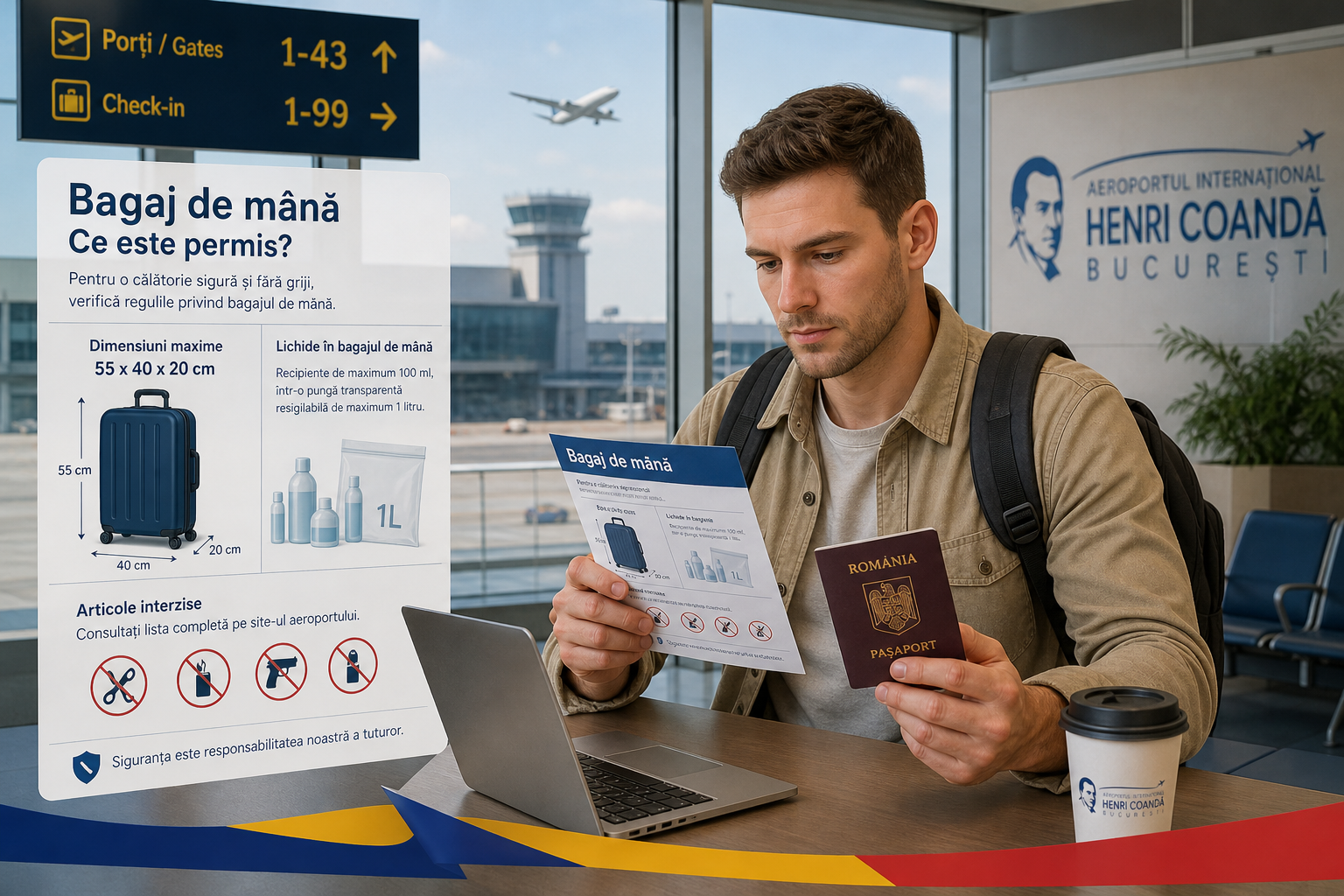
Understanding the cannabis laws for foreigners in Otopeni is important before arriving at Henri Coandă International Airport or staying in the town. Romania does not treat cannabis as a freely available recreational product, and being a visitor does not create an exemption from Romanian criminal law. Possession, purchasing, transporting, importing, exporting, or supplying cannabis can create serious legal problems.
Otopeni is closely connected to Romania’s main international airport, which means travelers may face additional scrutiny when entering or leaving the country. This guide explains the general legal position, airport and border risks, CBD concerns, driving rules, and practical steps for visitors. It is general information rather than individual legal advice; laws and enforcement practices can change, so people facing an investigation should contact a Romanian lawyer or their embassy.
What cannabis laws in Otopeni mean for foreign visitors
Otopeni does not have a separate cannabis code for tourists. Romanian national law applies in the city, at the airport, in hotels, and in public places. A foreign passport does not reduce the legal consequences of possessing or handling cannabis.
Romanian drug legislation distinguishes between different categories of controlled substances, but cannabis remains a controlled drug. Recreational possession is not legalized, and there is no general tourist allowance that permits a visitor to carry a small amount for personal use. Even when an amount appears minor, police may investigate the source, intended use, and circumstances of possession.
Potential consequences depend on factors such as the substance, quantity, evidence, prior history, and whether authorities suspect personal use, distribution, or cross-border activity. A case can involve seizure, questioning, criminal proceedings, court restrictions, fines or imprisonment, and immigration complications. The outcome cannot be predicted from quantity alone.
Does a small amount make cannabis legal?
No. A small amount may affect how authorities assess a case, but it does not make possession lawful. Visitors should also avoid assuming that cannabis bought legally in another country can be carried into Romania. Legal status in the departure country does not override Romanian import rules.
Weed in Otopeni: airport and border risks
Travelers searching for weed in Otopeni should understand that the airport is not a safe or special zone for cannabis. International airports involve customs, border-control, security, and police procedures. Cannabis in luggage, clothing, personal containers, or a vehicle can lead to questioning and seizure.
Taking cannabis across an international border is especially risky. Importing or exporting a controlled substance may be treated more seriously than simple possession. This includes cannabis flower, resin, oils, edibles, vape cartridges, concentrates, and products that contain THC. Do not pack cannabis for a flight, even if it was purchased from a regulated shop abroad or prescribed in another country.
- Do not place cannabis in checked baggage, hand luggage, or a travel pouch.
- Do not carry cannabis for another person.
- Do not assume a sealed package or a prescription from another country guarantees entry.
- Do not attempt to conceal cannabis from customs or border officers.
- Do not take cannabis from Romania to another country when departing through Otopeni Airport.
For broader context, the UK government travel advice for Romania warns travelers about the seriousness of drug offences. The Romanian legal framework can also be checked through the official Romanian legislation portal, although legal interpretation may require a qualified Romanian professional.

Is recreational cannabis legal in Otopeni?
No. Recreational cannabis is not legal for general sale or use in Otopeni. There are no licensed recreational dispensaries comparable to those found in some other countries, and a person offering cannabis in a bar, apartment, hotel, or online marketplace may be committing a serious offence.
The same principle applies to sharing. Giving cannabis to a friend, selling it, arranging a delivery, or holding it for someone else can create allegations beyond simple personal possession. A visitor should not rely on informal claims that cannabis is tolerated locally or that a private setting makes it lawful.
Romania also does not have a general legal framework for tourist cannabis clubs or recreational consumption lounges. Websites, social-media accounts, or street sellers advertising cannabis should be treated cautiously. Some offers may involve counterfeit products, scams, or substances other than what was advertised, in addition to legal risk.
Can foreigners use medical cannabis in Romania?
Medical cannabis in Romania is a narrow and complicated subject. Some cannabis-derived medicines or cannabinoids may be treated differently from raw cannabis, but that does not mean a foreign prescription automatically authorizes possession or importation. The exact product, active ingredient, formulation, prescription, quantity, and Romanian regulatory status matter.
Before traveling, a patient should obtain written confirmation from the relevant Romanian authorities, the airline, and a Romanian medical or legal professional. A prescription issued abroad may not be recognized for border entry. Bringing flower, THC oil, extracts, edibles, or vaporizer cartridges without checking Romanian requirements can result in detention or confiscation.
Do not confuse medical documentation with permission to use cannabis recreationally after arrival. If a traveler needs cannabinoid-based medication, the safer approach is to ask in advance whether an equivalent treatment can be obtained legally in Romania and what documentation is required.
CBD and hemp products in Otopeni
CBD products can create confusion because labels such as “hemp,” “natural,” or “THC-free” do not automatically settle their legal status. Products sold in another country may contain measurable THC, fall under different product rules, or lack documentation accepted by Romanian authorities.
Visitors should be particularly careful with CBD oils, gummies, cosmetics, vape liquids, flowers, and supplements. A product’s appearance does not tell customs officers its composition, and a shop receipt may not prove that it is permitted for personal import. Products made from hemp seed, such as certain foods or cosmetics, are not automatically equivalent to products containing CBD or cannabis extracts.
If a traveler must carry a cannabinoid product for a documented medical reason, they should verify the exact product and border requirements before departure. When there is uncertainty, leaving the product at home is safer than trying to explain it during airport controls.
Using cannabis in hotels, apartments, or private homes
A private room does not make unlawful possession legal. Hotel management may prohibit smoking, vaping, or drug use under its house rules, and complaints can bring staff, security, or police attention. Smoking on a balcony can also affect neighbors and may create fire, nuisance, or public-order concerns.
Short-term rental hosts may report suspected drug activity or terminate a booking. Visitors should not assume that a host’s silence is permission. Sharing cannabis with other guests can also create a more serious legal situation than possessing it alone.
Public consumption can attract attention even where no one complains. Parks, streets, transport areas, nightlife venues, and airport surroundings are poor places to take risks. In practice, avoiding possession altogether is the clearest way to avoid turning a holiday into a police or court matter.
Driving after cannabis use in Romania
Driving after using cannabis can create serious consequences, even when a driver does not feel impaired. Romanian police may conduct roadside checks, and a positive result can lead to further testing and investigation. Drug-driving rules are separate from simple possession rules, so not carrying cannabis does not remove the risk of a driving offence.
Visitors should never drive a rental car, scooter, or private vehicle after consuming cannabis or a cannabis-derived product. Residual substances and uncertain product strength make it difficult to judge when driving is safe or legally defensible. If stopped, remain calm, provide accurate identification, and request legal assistance if questioning moves toward a criminal investigation.
What to do if police question you in Otopeni
A foreign visitor who is stopped or searched should avoid arguing, resisting, signing documents they do not understand, or making speculative explanations. Ask whether you are free to leave and request an interpreter if Romanian is not understood. If authorities treat you as a suspect, ask to speak with a lawyer before giving a detailed statement.
- Remain polite and do not interfere with a search or seizure.
- Ask for an interpreter when necessary.
- Request a lawyer and contact your embassy or consulate.
- Do not sign a Romanian-language document you cannot understand.
- Keep copies of your passport, insurance, and important travel contacts separately.
- Follow official instructions, including court or police appointments.
Embassy assistance can help with communication and contacts, but it does not cancel Romanian law or guarantee release. Legal representation is the appropriate source of advice about statements, searches, detention, and court proceedings.
Practical advice for foreigners visiting Otopeni
The safest approach to cannabis in Otopeni is not to buy, carry, use, or transport it. Do not rely on comparisons with Amsterdam, Canada, parts of the United States, or another Romanian city. National Romanian rules apply in Otopeni, and an online claim that cannabis is “decriminalized” may confuse prosecutorial practice with legalization.
Travelers researching related local issues can also compare this guide with information about cannabis laws for travelers in Dej and cannabis regulations for tourists in Odorheiu Secuiesc. These comparisons should not be interpreted as evidence of different rules in Otopeni; the relevant national laws remain the starting point.
- Check Romanian rules before packing any cannabis-related product.
- Leave recreational cannabis at home, including products purchased legally elsewhere.
- Verify medical and CBD products with Romanian authorities before travel.
- Keep prescription medicines in original packaging and carry supporting documentation, while remembering that documentation may not be sufficient.
- Use a licensed taxi or public transport rather than driving after taking any potentially impairing substance.
- Seek qualified legal help promptly if authorities become involved.
Conclusion
The main message for visitors is straightforward: cannabis laws for foreigners in Otopeni are based on Romanian national law, not on a tourist exception. Recreational cannabis is not legal, airport and border transport carries heightened risk, CBD and medical products require careful verification, and driving after use can create separate criminal consequences.
Anyone arriving through Otopeni Airport should avoid carrying cannabis or uncertain cannabinoid products and should not rely on informal advice from sellers, hosts, or social media. Checking official information before travel and obtaining professional advice when circumstances are unclear is the most reliable way to protect a holiday and avoid preventable legal trouble.