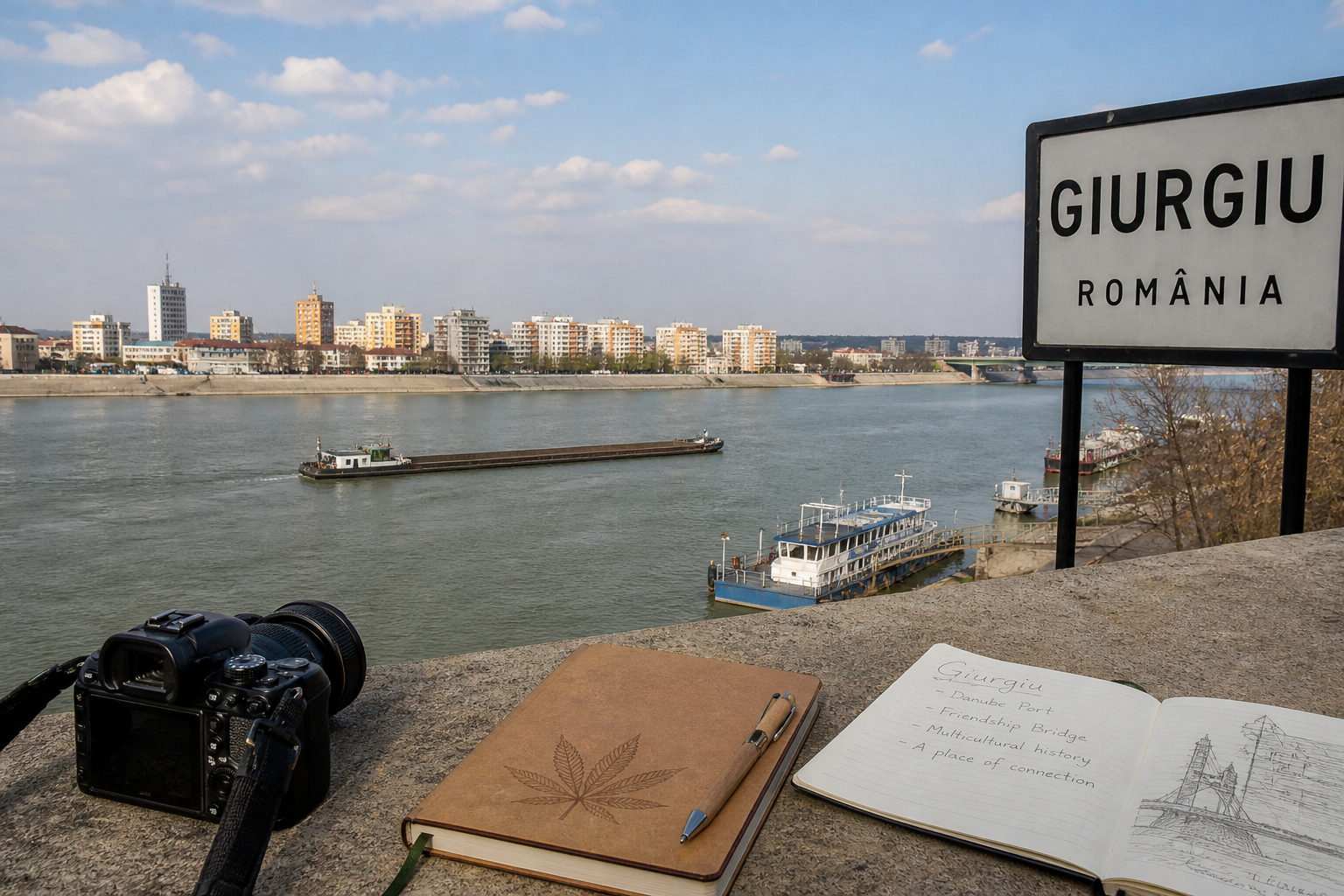
The phrase cannabis lifestyle in Giurgiu can mean different things: interest in hemp-based products, curiosity about cannabis culture, questions about CBD, or an attempt to understand how Romanian law affects everyday decisions. Giurgiu is a Romanian city on the Danube, close to Bucharest and Bulgaria, but its location does not create a separate cannabis market or a special local legal framework. National law remains the starting point.
This guide looks at the subject in a practical, non-promotional way. It separates industrial hemp from intoxicating cannabis, explains why product labels matter, considers health and travel risks, and shows how residents can approach the topic without relying on rumours or unverified sellers. The aim is not to encourage illegal activity, but to support informed, responsible conversation.
What cannabis lifestyle in Giurgiu can mean
In everyday language, “cannabis lifestyle” may suggest recreational consumption, yet the broader subject includes several lawful or educational areas. People may be interested in historic hemp cultivation, textiles, food products made from hemp seeds, CBD marketing, medical research, or changing public attitudes. These topics should not be treated as interchangeable.
Hemp seeds and hemp fibre, for example, are different from cannabis flowers sold for intoxication. A food or cosmetic product can also have a different regulatory position from a product containing controlled cannabinoids. The exact ingredients, intended use, concentration, packaging and claims all matter.
Searches for weed in Giurgiu often return informal advice, social-media posts and advertisements. Those sources may use “weed,” “hemp,” “CBD” and “THC” loosely. A more reliable approach is to ask what substance is being discussed, whether it is controlled, whether it has been tested, and whether the seller can provide transparent documentation.
Cannabis laws in Giurgiu and across Romania
Giurgiu does not have a local cannabis regime that overrides Romanian national law. Possession, cultivation, sale, supply and transport of controlled cannabis products can carry serious legal consequences. The outcome may depend on the substance, quantity, purpose, evidence and circumstances, so online summaries should never be treated as personal legal advice.
Romanian legislation and enforcement guidance can change. Anyone facing a legal concern should consult a qualified Romanian lawyer and check current official sources, including the official Romanian legislation portal. This is especially important for visitors, because crossing the border with a cannabis product can create additional risks even when the product was acquired legally somewhere else.
Possession, sharing and cultivation
People sometimes assume that a small amount, private use or sharing with friends is automatically ignored. That assumption is unsafe. Cannabis should not be treated like an ordinary consumer good, and informal exchanges can create legal exposure for more than one person. Growing plants at home may also be unlawful when the plants or resulting material fall within controlled categories.
Do not carry cannabis across the Giurgiu–Ruse route, through ports, on public transport or into accommodation. Border areas deserve particular caution because Romanian rules, Bulgarian rules and cross-border controls may all become relevant. A product’s purchase receipt does not necessarily establish that its possession or transport is lawful.
CBD, hemp and product-label questions
CBD products are often marketed as a gentler alternative, but “CBD” on a label is not a complete safety or legality assessment. Check the full ingredient list, the declared cannabinoid content, the intended use and the manufacturer’s contact details. Be cautious with products making medical promises or claiming to treat anxiety, pain, insomnia or other conditions without appropriate evidence and professional oversight.
Hemp-seed foods are not the same as intoxicating cannabis products. Oils, protein powders, seed snacks and fibre goods may be sold in ordinary retail channels, but consumers should still check allergen information, quality controls and storage instructions. If a product appears to contain THC or makes unclear claims about psychoactive effects, do not assume that its online availability proves legality.
Local culture, history and the Danube setting
Giurgiu’s identity is shaped by the Danube, regional trade, movement between Romania and Bulgaria, and its connection with the wider Bucharest area. These factors can influence how products, ideas and online trends reach the city. They do not, however, prove that Giurgiu has a distinct cannabis subculture or a documented local consumption pattern.
A grounded discussion of cannabis in Giurgiu should therefore avoid invented claims about how many residents use cannabis or what local businesses supposedly provide. Public conversations are more useful when they focus on verifiable issues: legal literacy, youth prevention, product quality, impaired driving, mental health and access to medical advice.
Hemp also offers a non-intoxicating cultural and commercial angle. Traditional fibre uses, sustainable materials, seed-based foods and agricultural education can be discussed without presenting them as substitutes for regulated medical treatment or as evidence that recreational cannabis is accepted. For a comparison with another nearby Romanian city, readers can review this guide to marijuana culture in Călărași.
Health, wellbeing and responsible decision-making
Health risks vary according to the product, dose, route of administration, frequency of use, age and personal history. Intoxicating cannabis can impair attention, memory, reaction time and judgement. Combining it with alcohol or other substances can make impairment less predictable. Driving, cycling in traffic, operating machinery or supervising children while impaired can put other people at risk.
Some people may experience anxiety, panic, dizziness or unpleasant confusion. Cannabis may be particularly unsuitable for adolescents, pregnant or breastfeeding people, and those with a personal or family history of psychosis or other serious mental-health conditions. Anyone taking prescription medicines should ask a doctor or pharmacist about possible interactions rather than relying on a shop assistant or internet forum.
When medical advice matters
Interest in medical cannabis in Giurgiu should begin with a licensed healthcare professional, not with an informal seller. A clinician can assess symptoms, review existing treatment and explain evidence-based options. Cannabis products should not be used to delay urgent care, replace prescribed therapy without guidance, or self-treat severe pain, seizures, depression or psychotic symptoms.
Seek urgent help for severe confusion, chest pain, breathing difficulties, loss of consciousness, extreme agitation or suspected poisoning. Keep products away from children and pets, and retain original packaging when a product is lawfully purchased for an authorised purpose. The Romanian Ministry of Health is an appropriate starting point for general public-health information; consult its official Ministry of Health website for current institutional guidance.
Buying and evaluating hemp or CBD products
Where a product is lawful and appropriate for its stated purpose, careful purchasing is still important. Online marketplaces can mix regulated goods with poorly labelled imports, counterfeit packaging and unsupported medical claims. A professional-looking website is not proof of laboratory testing or legal compliance.
- Read the complete label, including ingredients, batch information, expiry date and responsible operator.
- Look for an accessible certificate of analysis from an independent laboratory, while remembering that a certificate should match the exact batch.
- Check whether the product is intended as food, cosmetic, supplement or another category, and follow the applicable instructions.
- Avoid products promising guaranteed cures, instant effects or powerful results without medical supervision.
- Do not assume that a product labelled “hemp” is automatically free from controlled cannabinoids.
- Ask a pharmacist or doctor when you have a medical condition, take medication or are unsure about interactions.
These checks are relevant to CBD in Giurgiu as well as to hemp products sold through national websites. Consumers can also compare general purchasing principles with this practical guide to CBD shops and product safety in Piatra Neamț, while remembering that the legal position must be checked for the current product and jurisdiction.
Travel, nightlife and public behaviour
Giurgiu’s position near an international crossing makes travel planning especially important. Never assume that a product permitted in one country can be carried into another. Avoid placing cannabis or unclear cannabinoid products in luggage, vehicles or parcels when crossing the border. Border authorities may apply their own inspection and evidence procedures.
Public consumption can create additional problems even apart from controlled-substance law. Smoke, odour and impairment can affect other people in parks, streets, restaurants, festivals and shared accommodation. A considerate lifestyle means not exposing bystanders, not driving after using an intoxicating product, and not involving minors.
Visitors seeking relaxation can choose lawful alternatives such as Danube walks, local food, cultural attractions, non-intoxicating hemp foods and ordinary wellness activities. These options support the city’s identity without creating unnecessary legal or health risks.
How to have a better local conversation
Responsible discussion should be specific rather than sensational. Instead of asking whether “cannabis is legal,” ask which product, which activity and which current rule is involved. Separate personal stories from evidence, and treat anonymous claims about local availability with caution.
Parents, educators and community groups can focus on practical prevention: recognising pressure to experiment, understanding impairment, knowing how to seek help and avoiding shame-based conversations that discourage people from asking for support. Health workers can provide more useful advice when people disclose what they took, how much, when they took it and whether alcohol or medicines were also involved.
For readers comparing regional perspectives, our resources on cannabis legality in Brăila and cannabis laws in Craiova offer related national-law context. Local geography changes the conversation, but it does not remove the need to verify current Romanian rules.
Conclusion
The cannabis lifestyle in Giurgiu is best understood as a subject involving law, health, hemp culture, consumer awareness and cross-border responsibility—not as evidence of a freely regulated recreational market. Residents and visitors should distinguish hemp from intoxicating cannabis, check product information carefully, avoid unverified medical claims and never drive or cross borders with controlled products.
A calm, factual approach protects individuals and the wider community. When legal questions arise, consult current Romanian legislation and qualified legal advice; when health questions arise, speak with a doctor or pharmacist. In Giurgiu, informed choices are more valuable than rumours, marketing promises or assumptions imported from other countries.