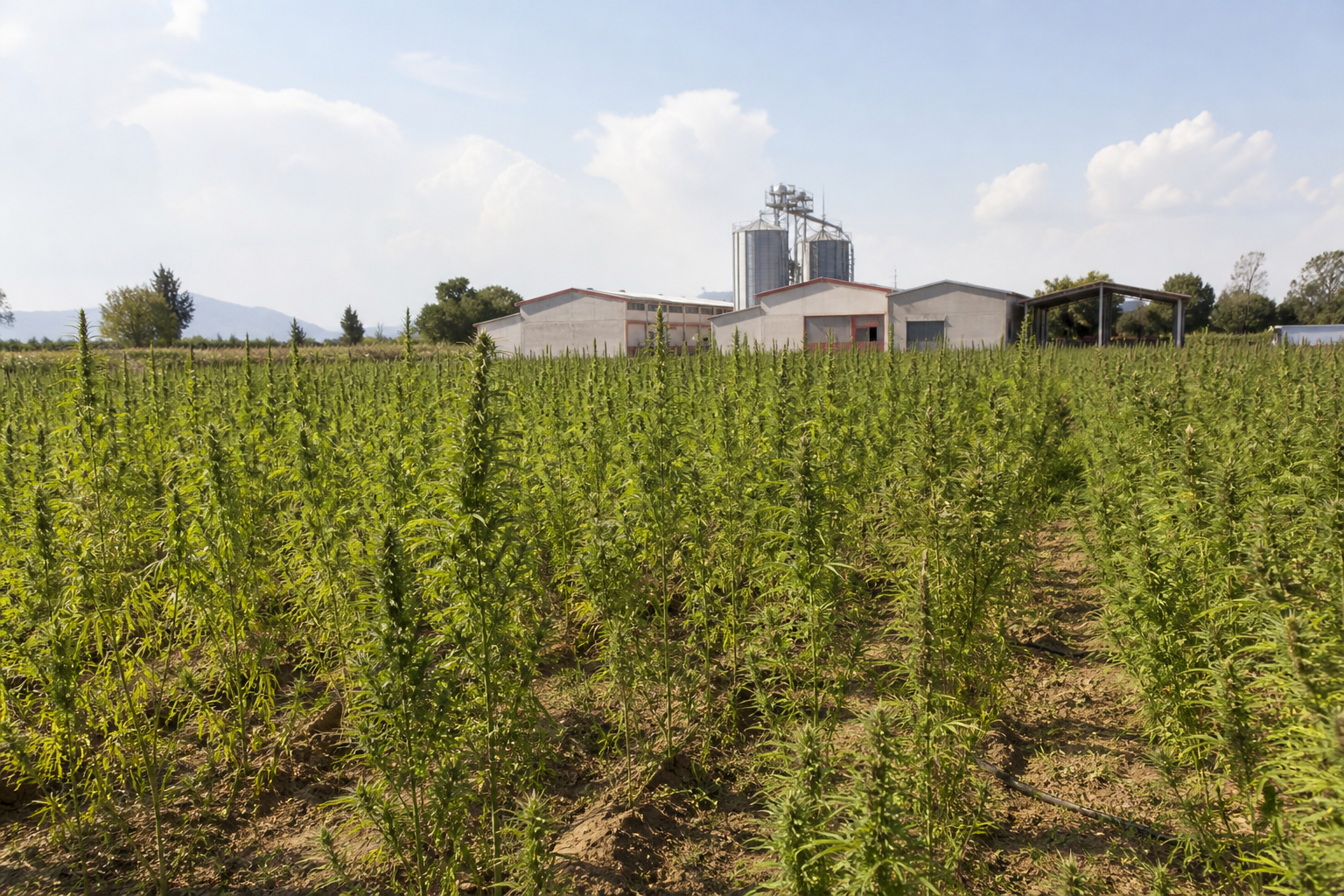
The Marijuana industry in Latina, Italy is best understood as a regulated group of activities rather than a single legal recreational market. In and around Latina, businesses may work with industrial hemp, low-THC products, cannabidiol (CBD), medical cannabis services, agricultural research, or related professional services. Each area has different rules, licensing expectations and consumer risks.
Latina’s position in Lazio gives the topic a practical regional dimension. The province combines agriculture, manufacturing, healthcare services and connections to Rome, while nearby coastal and rural communities create different commercial needs. However, local opportunity does not override national law. Anyone researching weed in Latina—whether as a resident, patient, entrepreneur or visitor—should distinguish carefully between lawful products, prescription-based access and prohibited cannabis activity.
What the marijuana industry in Latina, Italy includes
Public discussion often treats cannabis as one market, but the legal landscape is divided into separate categories. A Latina business selling hemp-derived goods is not necessarily operating in the same sector as a pharmacy involved in medical cannabis. Similarly, a CBD retailer cannot automatically sell products containing levels of THC associated with recreational marijuana markets in other countries.
- Industrial hemp: cultivation and processing may support fibre, seed, food, textiles, cosmetics and other permitted uses, subject to applicable rules.
- Medical cannabis: access is connected to medical care, prescriptions and pharmacy procedures rather than ordinary retail sales.
- CBD and hemp-derived products: legality depends on the product category, ingredients, intended use, labelling and current Italian and European requirements.
- Professional services: laboratories, agricultural consultants, packaging firms, logistics providers and compliance specialists may serve the broader sector without selling cannabis directly.
- Research and education: universities, healthcare professionals and agricultural operators can contribute to evidence-based development and safer public understanding.
This structure matters because a business description such as “cannabis company” says very little about what the company is legally allowed to grow, manufacture, advertise or sell.
Cannabis laws in Latina: the national framework
Cannabis laws in Latina are primarily determined by Italian national legislation, not by a separate city-level recreational regime. Local authorities still matter for zoning, public-health enforcement, business permits, sanitation, advertising and commercial activity, but a municipal opening cannot make a prohibited cannabis product lawful.
Italy does not provide a general legal retail market for recreational marijuana. Possession and use can create legal or administrative consequences, and cultivation, supply and sale may lead to more serious criminal exposure depending on the facts. Rules can also be affected by the substance involved, quantity, purpose, evidence and court interpretation. Because these details are important, readers should consult the official Italian legal database, Normattiva, rather than relying on shop marketing or social media summaries.
The legal position of low-THC hemp and CBD products also requires caution. Product compliance can involve THC thresholds, approved uses, food or cosmetic rules, claims restrictions, packaging and testing. A product labelled “CBD” is not automatically legal for every purpose, and “light cannabis” is a commercial phrase rather than a complete legal classification.
Why local businesses need specialist advice
A company considering cultivation, processing or retail in Latina should obtain advice before investing in stock or premises. The relevant questions include whether the planned activity concerns seed, fibre, food, cosmetics, extracts, flowers, medical products or another category; which authority regulates it; and what documentation must accompany the goods.
Businesses should also monitor changes in national regulations and court decisions. The Italian Ministry of Health is a useful starting point for official health and medical-cannabis information, although companies may also need guidance from agricultural, customs, consumer-protection and local administrative bodies.
Industrial hemp and agriculture around Latina
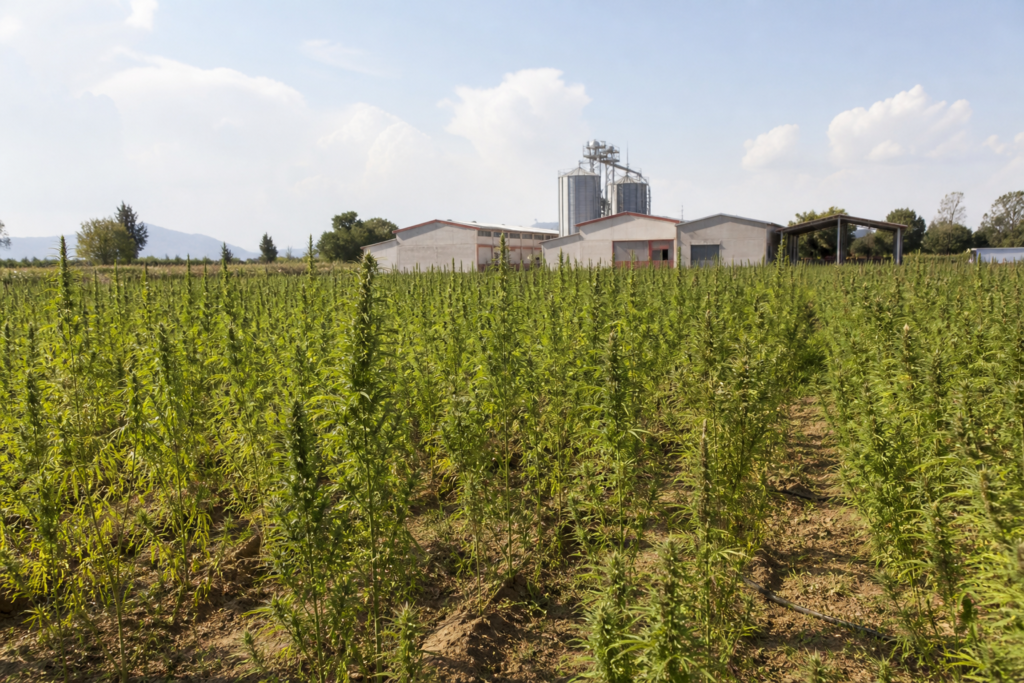
Latina and the wider Pontine area have an agricultural identity, making industrial hemp a potentially relevant subject for farmers, processors and supply-chain businesses. Hemp can be assessed as a crop for fibre, seed, food ingredients or other permitted outputs, but viability depends on more than climate or available land.
Before planting, an operator should verify approved seed requirements, documentation, field records, testing obligations and rules governing the harvested material. The intended market is equally important. Hemp grown for fibre follows a different commercial path from hemp intended for food ingredients, while flowers and extracts can raise additional regulatory questions.
- Confirm that seed and cultivation plans meet current Italian requirements.
- Keep purchase records, cultivation documentation and laboratory results organized.
- Define the intended end product before signing supply contracts.
- Use independent testing where cannabinoid content or contaminants could affect legality and safety.
- Check whether food, cosmetic, agricultural or waste rules apply to each stage of production.
A profitable hemp project also needs buyers, processing capacity, storage and insurance. Treating cultivation as a quick alternative to conventional farming can expose operators to unsold inventory and compliance problems.
Medical cannabis in Latina: access and patient considerations
Medical cannabis in Latina is part of Italy’s healthcare system, not a normal dispensary model. Patients should begin with a qualified clinician who can assess symptoms, previous treatments, contraindications and whether a cannabis-based therapy is clinically appropriate. Where a prescription is issued, dispensing generally takes place through the authorized pharmacy pathway.
Patients should not assume that a product advertised online or in a wellness shop is equivalent to a prescribed preparation. Medical products have different standards for formulation, traceability, dosage and professional supervision. People should follow the prescriber’s instructions and discuss side effects, interactions, driving and work-related safety before treatment.
Questions patients can ask
- What condition or symptom is the treatment intended to address?
- Which preparation, concentration and route of administration are being prescribed?
- How should the dose be started, adjusted and recorded?
- What side effects or interactions require medical attention?
- How will the prescription be renewed and where can it be dispensed?
Availability may vary between pharmacies, and patients may need to plan ahead. A pharmacist can explain ordering procedures and documentation, while the prescribing clinician remains the appropriate source for treatment decisions.
CBD shops and consumer protection in Latina
People searching for cannabis in Latina may encounter CBD stores, hemp-food retailers, wellness businesses and online sellers. These outlets do not necessarily offer intoxicating cannabis, and the presence of a product in a shop is not proof that every claim about it is lawful or medically reliable.
Consumers should inspect the label for the producer, batch information, ingredients, net quantity, warnings and suggested use. A recent certificate of analysis can help establish what a product contains, but a laboratory document should be connected clearly to the exact batch being sold. Be cautious when a seller promises to diagnose, prevent or cure a disease, guarantees an intoxicating effect, or refuses to identify the manufacturer.
- Buy from a traceable business with clear contact details and a written return or complaint process.
- Check whether the product is intended as food, cosmetic, supplement or another regulated category.
- Do not treat CBD products as substitutes for prescribed medicines.
- Ask about THC content and possible implications for driving, employment or drug testing.
- Keep packaging and receipts if a product needs to be reported or returned.
Rules affecting ingestible CBD and other hemp-derived products can change. Consumers should therefore avoid relying on old articles, foreign labels or statements that confuse European products with Italian legal categories.
Business opportunities and limits in the Latina market
The most realistic opportunities may sit in compliant supporting services rather than recreational retail. Potential areas include agricultural consulting, certified testing, packaging, logistics, education, pharmacy support, hemp-food production and research partnerships. These activities still require an ordinary business plan, suitable premises and sector-specific compliance.
Entrepreneurs can use a staged approach:
- Define the activity: write down exactly what will be cultivated, processed, imported, transported or sold.
- Map the rules: identify national, regional and municipal requirements before signing leases or purchasing equipment.
- Build traceability: create procedures for suppliers, batch records, testing, complaints, recalls and advertising review.
- Validate demand: speak with legitimate buyers and professional partners rather than assuming online interest equals local demand.
- Review marketing: remove medical promises and recreational claims that could create regulatory or consumer-protection problems.
Local context can influence costs and partnerships, but it should not be exaggerated. A business in Latina may benefit from Lazio’s wider network without claiming that the city itself has a legal recreational market or an established cluster unless reliable evidence supports that statement.
Latina compared with other Italian cannabis markets
Regional comparison can help readers understand the differences between local markets. For broader context, see our guides to cannabis in Rome, the Lazio capital’s medical and travel considerations, and the cannabis industry in Salerno, which examines another Italian city through a business and legal lens.
These comparisons should be used carefully. A shop model, agricultural project or patient-access route that appears workable in one location may not transfer directly to Latina. Licensing, premises, supply relationships and enforcement conditions still need to be checked for the specific activity.
Safer, lawful participation in Latina
Residents and visitors should avoid buying cannabis from unverified sellers, carrying products across borders or assuming that a foreign prescription automatically works in Italy. Driving after using intoxicating substances can create serious safety and legal concerns. Products should also be kept away from children and stored according to the label.
For businesses, the safest approach is conservative documentation and professional review. For patients, it is medical supervision. For consumers, it is product traceability and realistic expectations. These principles are more reliable than informal advice about weed in Latina or claims that the local market operates like a legalized recreational jurisdiction.
Conclusion
The marijuana industry in Latina, Italy is a mixed and closely regulated landscape involving industrial hemp, medical cannabis, CBD-related products, agriculture and professional services. Latina’s agricultural and regional connections may create legitimate opportunities, but national law remains the foundation for every commercial and personal decision.
Whether you are researching cannabis in Latina, considering a hemp business or seeking medical information, start by identifying the exact product and activity involved. Confirm current rules through official sources, obtain qualified legal or medical advice where appropriate, and give priority to traceability, safety and accurate consumer information.