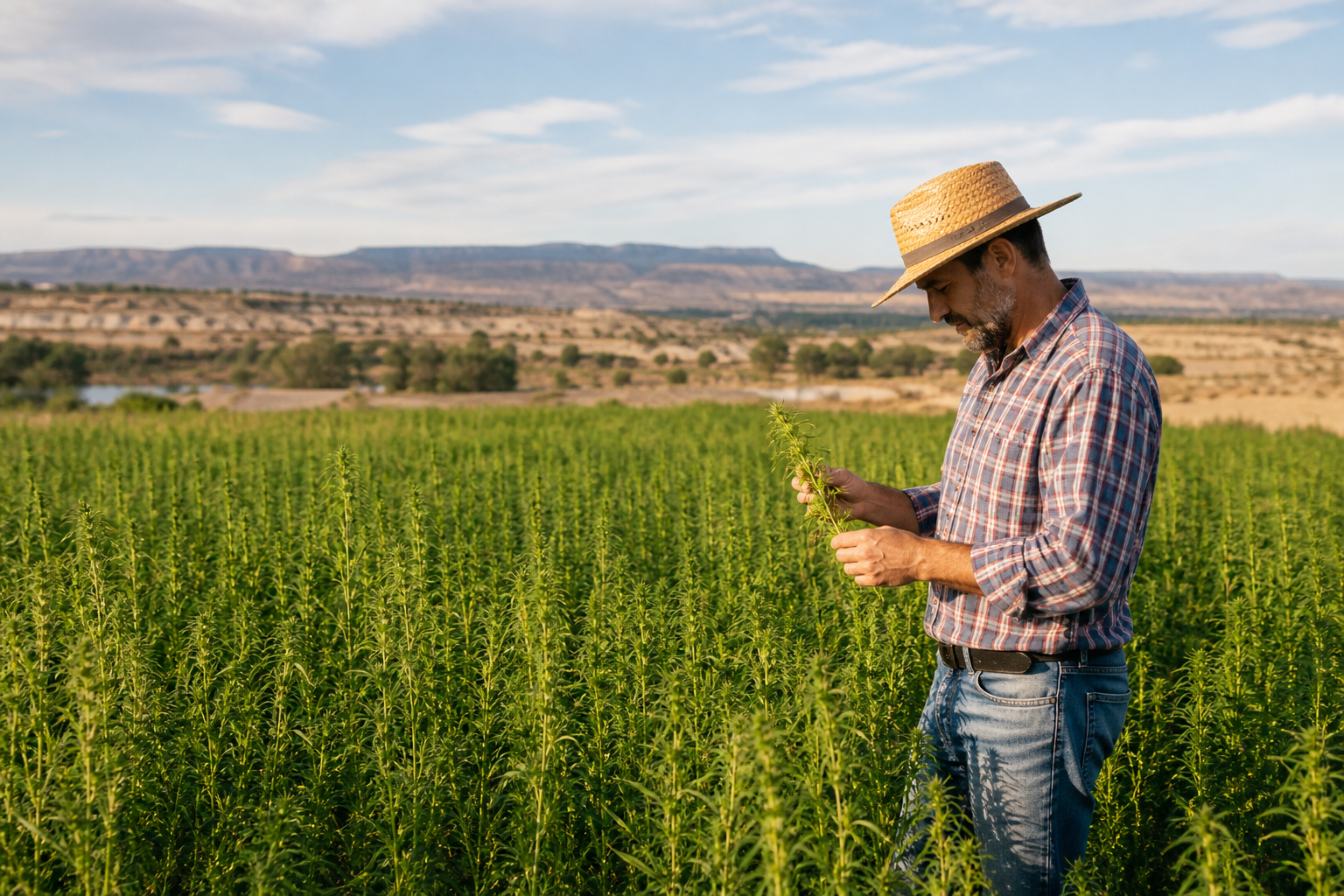
Interest in Hemp in Zaragoza reflects several different subjects: agricultural hemp grown for fibre or seed, CBD products sold through specialist retailers, and broader questions about cannabis law in Aragón and Spain. These categories are related, but they are not interchangeable. Hemp generally refers to cannabis varieties cultivated for low-intoxicating uses, while products containing higher levels of THC are subject to a different legal and health framework.
For residents, farmers and visitors, the most useful approach is to separate the plant’s industrial applications from consumer cannabis. This guide explains what hemp means in Zaragoza, how Spanish rules affect cultivation and sales, what to check before buying CBD, and why local conditions should be considered before growing or using any product.
What hemp means in Zaragoza
Hemp is cannabis cultivated for purposes such as fibre, seed, grain, hurd and certain technical materials. Its history includes textiles, rope, paper and food ingredients, while newer applications include biocomposites, insulation and selected cosmetic formulations. Hemp seed and hemp fibre do not create the same intoxicating effect associated with THC-rich cannabis because they contain little or no meaningful THC in the finished material.
In Zaragoza, the term may describe an agricultural crop in the surrounding province, a hemp-based food or cosmetic product, or a CBD item displayed in a shop. A product’s label, plant part and intended use matter more than the word “hemp” alone. Hemp seed oil, CBD oil, dried flowers and a THC-rich cannabis product are not legally or pharmacologically identical.
Industrial hemp and the local climate
The Ebro Valley and the wider Zaragoza area have a strong agricultural identity, but hemp is not a crop that can simply be planted anywhere without planning. Water availability, soil structure, summer heat, harvest timing and access to a permitted buyer all affect whether a project is viable. Farmers also need to verify the approved seed variety and the administrative requirements that apply before sowing.
Industrial hemp Zaragoza projects should begin with agricultural and legal advice rather than seed marketing claims. A grower should identify the final use of the crop, confirm that the seed is permitted, retain documentation, and establish how the harvest will be tested and collected. Growing a low-THC variety does not automatically make every use of the plant lawful.
Hemp in Zaragoza and Spanish law
Spanish rules distinguish between hemp intended for recognised industrial purposes and cannabis cultivated or possessed for other purposes. EU-compliant agricultural varieties may be treated differently from plants grown to produce intoxicating flowers or resin. The precise requirements can depend on the crop, plant part, THC content, land, documentation and intended destination.
That distinction is important for anyone researching cannabis laws in Zaragoza. Aragón does not create a separate system that overrides national law. Police, courts, health authorities and local administrations apply Spanish rules, while municipalities may also regulate matters such as commercial premises, advertising, public-space conduct and agricultural activity.
For the current legal framework, consult the Official State Gazette of Spain and obtain professional advice for a commercial cultivation plan. Rules and administrative interpretations can change, so an old social-media post or an informal shop explanation should not be treated as legal clearance.
Cultivation is not the same as possession
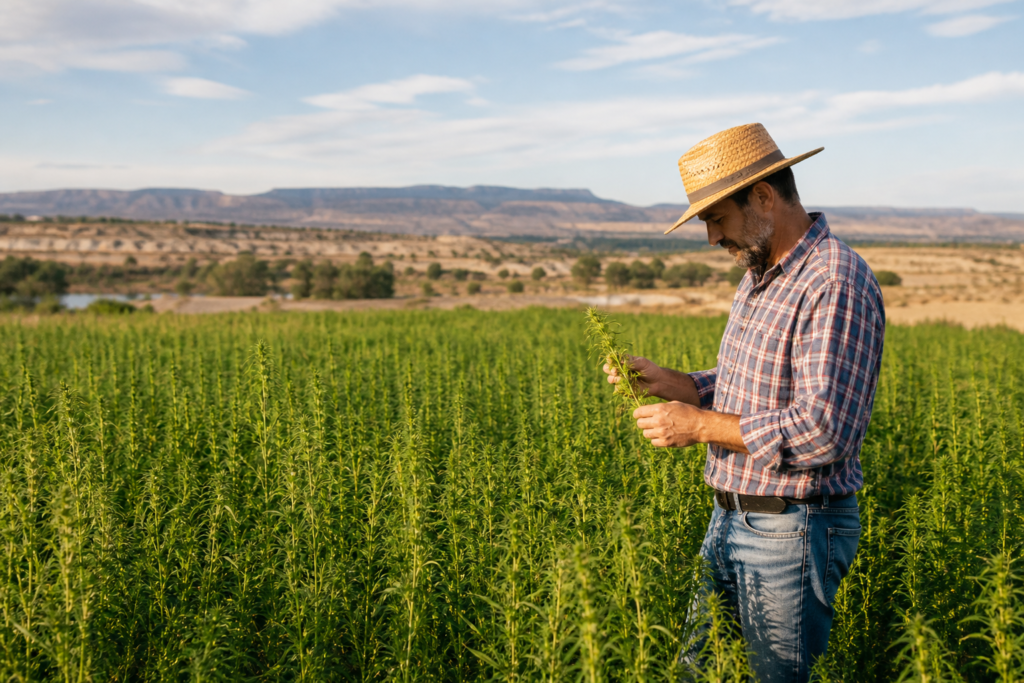
A common mistake is to assume that planting a registered low-THC seed automatically authorises any cultivation method or any sale of the crop. Commercial farming, seed certification, crop records, inspections and the destination of flowers or leaves may all be relevant. A private garden also raises different questions from an agricultural field.
Anyone considering hemp cultivation around Zaragoza should contact the relevant agricultural authority, confirm the applicable process before planting, and keep invoices and seed certificates. If the plan involves extracting cannabinoids, processing flowers or supplying food and cosmetics, additional rules may apply. Do not rely on a label stating “industrial” without verifying what the business is actually permitted to do.
CBD products in Zaragoza
CBD is a non-intoxicating cannabinoid, but “non-intoxicating” does not mean that every CBD product is automatically approved, risk-free or suitable for ingestion. Products sold as cosmetics, food supplements, aroma products or technical goods may fall under different rules. The legal position can also differ according to whether the product contains flowers, extracts, food ingredients or controlled levels of THC.
When evaluating CBD products in Zaragoza, look for a clear manufacturer, batch information, ingredients, usage instructions and a recent independent laboratory report. The report should identify cannabinoids and show whether contaminants such as solvents, pesticides, heavy metals or microbial impurities were tested where relevant. A QR code alone is not proof of quality if it leads to an incomplete or unverifiable document.
Be cautious with claims that a CBD product can treat anxiety, pain, insomnia, epilepsy or another medical condition. Health claims require evidence and regulatory support. A product’s “natural” branding does not establish effectiveness, and CBD can interact with medicines or cause unwanted effects. People who are pregnant, breastfeeding, managing liver disease, taking prescription medicines or preparing for surgery should ask a qualified healthcare professional before use.
For food-safety information and the status of novel foods, consult the Spanish Agency for Food Safety and Nutrition. Do not assume that a product is lawful to eat merely because it is displayed in a shop or sold through an online marketplace.
Questions to ask before buying
- What is the exact product category: cosmetic, food, supplement, aroma product or something else?
- Does the label identify the responsible operator and provide a complete ingredient list?
- Is the laboratory certificate recent, batch-specific and issued by an identifiable laboratory?
- Does the product make medical or therapeutic claims that sound too good to be true?
- Are storage instructions, recommended use and relevant warnings easy to find?
Hemp, CBD and cannabis: do not confuse the categories
Searches for weed in Zaragoza often combine questions about recreational cannabis, CBD and hemp. That can produce misleading answers. Hemp seed foods do not work like THC-rich cannabis. CBD is not the same as an intoxicating cannabis flower. A product with a small THC declaration may still raise legal, workplace, driving or drug-testing concerns depending on how it is used.
Similarly, a discussion of cannabis in Zaragoza should distinguish private possession, public possession, cultivation, supply, driving and medical access. Each issue has different consequences. A private setting is not a universal exemption, and a cannabis club is not automatically a licensed retail shop or a guarantee that every product and activity is lawful.
For broader background, read this guide to weed law in Spain. Visitors may also find the explanations of cannabis rules and access in Madrid useful for comparison, although local comparisons should not replace advice about a specific situation in Zaragoza.
Where hemp fits into Zaragoza’s economy
The most defensible opportunities for hemp in the Zaragoza area are generally connected with agriculture, manufacturing, research and regulated consumer goods rather than informal sales. Fibre can be used in textiles, paper and composite materials. Hemp hurd may be used in construction applications. Seed can be processed into foods or oils where the relevant requirements are met. These uses depend on reliable supply chains, quality control and permitted processing.
Businesses should define their role before entering the sector. A farmer, importer, cosmetic manufacturer, food operator and retailer do not face identical obligations. Product traceability, packaging, advertising, waste handling and testing should be considered from the beginning. A business plan based only on the popularity of CBD may overlook regulatory costs and restrictions on what can be claimed in marketing.
Advice for entrepreneurs and farmers
- Identify the final product and its intended market before choosing a variety.
- Check national and regional requirements with the relevant authorities.
- Use documented seed and maintain records from purchase through harvest.
- Arrange testing and a lawful route to processing or sale before planting.
- Review labels and advertising for prohibited or unsupported health claims.
- Use a specialist lawyer or agricultural adviser when the project involves flowers, extracts, food or cross-border trade.
Safety and responsible decisions
Hemp-based products can vary widely in strength and purity. Buying from an unverified source increases the chance of inaccurate cannabinoid content, contamination or misleading instructions. Even products marketed as CBD may contain more THC than expected, which can matter for driving, employment screening and personal health.
Do not drive after using a product if there is any possibility it contains THC or causes drowsiness. Keep oils, gummies and cosmetics away from children and pets. Follow the label rather than increasing the amount because an effect is not immediate. If an adverse reaction occurs, stop using the product and seek medical advice; urgent symptoms require emergency assistance.
People looking for medical cannabis Zaragoza information should speak with a doctor or pharmacist about approved treatment options and possible interactions. CBD purchased from a general retailer should not be presented as a substitute for prescribed care. A healthcare professional can also help distinguish a legitimate treatment question from a product claim that lacks adequate evidence.
How to research hemp locally
Reliable local research starts with the product or activity, not with a broad search term. A farmer should contact agricultural authorities. A consumer should examine the label and seller. A patient should consult a clinician. A business should obtain regulatory and tax advice before trading. Search results can help identify terminology, but they cannot confirm that a particular crop, shop, flower or extract is authorised.
When comparing information about CBD in Zaragoza with information from another Spanish city, check the date and the source. Retail practices may look different, but national rules still matter. The most useful sources are official agencies, recognised medical institutions, laboratories that disclose their methods, and advisers who can explain the specific facts of the case.
Conclusion
Hemp in Zaragoza covers a legitimate and potentially valuable group of agricultural and industrial uses, but it should not be treated as a blanket permission for cannabis cultivation, flower sales or therapeutic claims. The safest path is to identify the plant part and intended use, verify the applicable Spanish rules, check product documentation and seek professional advice where the situation involves cultivation, extracts, food or medicine.
For consumers, transparency and restraint are the best safeguards. For farmers and businesses, planning, traceability and regulatory checks should come before investment. Understanding the difference between hemp, CBD and THC-rich cannabis makes it easier to make lawful, informed decisions in Zaragoza.