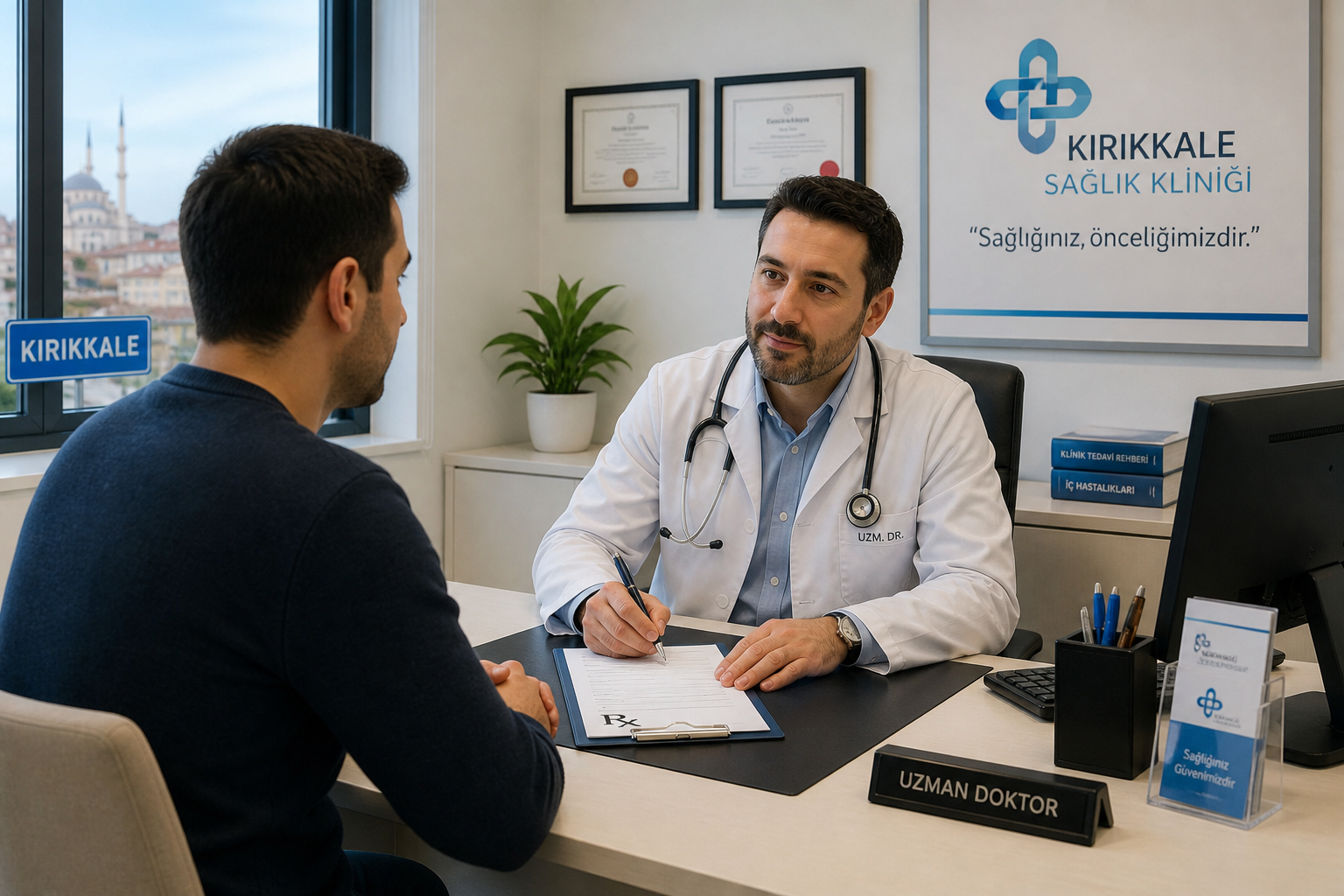
Understanding medical marijuana in Kırıkkale requires separating medical treatment from informal cannabis use. Turkey applies strict controls to cannabis, THC-containing products, possession, cultivation, sale and importation. A person who is considering cannabis for pain, sleep, nausea or another condition should not assume that a product sold online, offered by an acquaintance or described as “medical” is lawful or clinically appropriate.
Kırıkkale does not have a separate cannabis framework from the rest of Turkey. National rules, licensed healthcare services and decisions by relevant Turkish authorities determine what may be prescribed, supplied or imported. This guide explains the practical issues patients should consider, without offering a way around the law or replacing a consultation with a qualified clinician.
Medical marijuana in Kırıkkale: the legal starting point
Turkey’s approach to cannabis is restrictive. Cannabis containing controlled cannabinoids, particularly THC, should not be treated like an ordinary herbal supplement. Possession, purchase, transport, sharing and cultivation can create serious legal exposure, even when someone believes the product is intended for personal health use.
The fact that cannabis may be discussed in medical research or that some cannabinoid-based medicines exist internationally does not automatically create a right to buy cannabis in Kırıkkale. Legal availability depends on the specific active ingredient, formulation, product authorization, prescription requirements and current Turkish rules. These details can change, so patients should confirm them through a licensed doctor, pharmacist or official regulator.
For current regulatory information, consult the Turkish Medicines and Medical Devices Agency. General health-system information is also available from the Turkish Ministry of Health. These official sources are more reliable than social-media posts, product advertisements or claims made by unlicensed sellers.
How cannabis laws in Kırıkkale affect patients
The phrase cannabis laws in Kırıkkale refers in practice to Turkey’s national legal system as applied locally. A patient in Kırıkkale should not expect a local dispensary system comparable to those found in some other countries. There is no general permission for recreational cannabis sales, and a shop, website or messaging account offering cannabis is not proof that the transaction is legal.
Possession and purchase
Keeping cannabis or a cannabis product can be risky regardless of whether it was obtained for pain relief, anxiety or another personal reason. Purchasing it may add further legal concerns, while transporting it across provincial or national borders can create additional problems. A medical explanation may be relevant to a person’s circumstances, but it should not be assumed to provide automatic protection from investigation or prosecution.
Home cultivation and sharing
Growing cannabis at home is not a safe alternative to regulated medical care. Seeds, plants, harvested material and equipment may attract attention, and sharing a product with another person can create separate legal issues. Patients should avoid advice that presents cultivation or informal distribution as a lawful treatment pathway.
Online orders and imports
Ordering THC, cannabis flower, oils or unverified “medical” products from another country can involve customs, import and controlled-substance rules. A product’s legal status in its country of origin does not determine whether it can enter Turkey. Packaging that says “CBD,” “hemp” or “natural” also does not guarantee compliance with Turkish requirements.
Medical cannabis in Kırıkkale: what lawful access may involve
Medical cannabis in Kırıkkale should begin with a clinical assessment rather than a product search. The appropriate first step is usually a consultation with a family physician or relevant specialist. Depending on the symptoms, the doctor may review the patient’s history, current medicines, previous treatments, examination findings and possible underlying causes.
Patients should explain their symptoms honestly, including any cannabis or CBD use. This helps a clinician identify interactions, side effects or symptoms that require urgent investigation. It is also useful to bring a list of medicines and supplements, details of allergies and relevant medical records.
Where a cannabinoid-based medicine is legally available, the prescriber and pharmacist must follow the applicable authorization, prescription and supply rules. Availability may depend on the particular product rather than on the broad label “medical marijuana.” A doctor may also recommend an approved non-cannabis treatment if the expected benefits of cannabis are uncertain or the risks are too high.
Questions to ask a healthcare professional
- What could be causing the symptoms, and do they require further testing?
- Are there evidence-based treatments that should be tried first?
- Could a cannabinoid product interact with current medicines?
- Is the requested product authorized and obtainable through a lawful pharmacy channel?
- What warning signs or side effects should prompt urgent medical attention?
- How will treatment be monitored, and when should it be stopped?
What to know about cannabis in Kırıkkale and health risks
Searching for cannabis in Kırıkkale can expose consumers to products with unknown strength, contamination or inaccurate labels. Informal products may contain more THC than expected or may include synthetic cannabinoids and other substances. Even when a label appears professional, the consumer may have no dependable way to confirm its contents.
THC can affect attention, memory, reaction time, coordination and judgment. It may worsen anxiety or paranoia in some people and can be particularly concerning for individuals with a personal or family history of psychosis. Cannabis can also cause drowsiness and may compound the effects of alcohol, sedatives, sleeping medicines and some prescription drugs.
CBD is not automatically risk-free. Products may contain detectable THC, and CBD can affect how the body processes certain medicines. Anyone who is pregnant, breastfeeding, under 18, managing a serious psychiatric condition or taking multiple medicines should seek professional advice before considering any cannabinoid product.
When urgent help is needed
Seek urgent medical assistance for severe confusion, chest pain, difficulty breathing, loss of consciousness, a seizure, extreme agitation or thoughts of self-harm after using a cannabis or cannabinoid product. Do not drive after using a product that may impair alertness, and do not give an unknown product to another person.
Finding reliable information instead of informal sellers
Searches such as “weed in Kırıkkale” may produce listings that mix illegal sales with misleading health claims. A seller’s use of terms such as “prescription,” “organic,” “pharmaceutical grade” or “doctor approved” does not establish authenticity. Avoid sending identity documents, payment details or medical records to unlicensed vendors.
Reliable questions to ask include:
- Is the product authorized by the relevant Turkish authority?
- Can a licensed pharmacist verify its legal status and contents?
- Does the seller provide a traceable manufacturer, batch information and approved instructions?
- Is the claim supported by a qualified healthcare professional rather than an anonymous review?
- Are returns, privacy and adverse-effect reporting handled through a legitimate system?
Readers comparing local discussions with broader Turkish coverage may also find our guide to medical cannabis laws and access in Alanya useful. It should be read as general information, not as evidence that a product available in another place is legal in Kırıkkale.
Medical care and alternatives for common symptoms
Cannabis is not a universal treatment. For chronic pain, a clinician may investigate nerve, joint, inflammatory or other causes and recommend physical therapy, rehabilitation, psychological support, non-cannabis medicines or specialist care. For sleep problems, addressing sleep schedules, breathing disorders, anxiety, depression, pain and medicine effects may be more useful than seeking an unverified product.
People living with nausea, appetite changes, muscle spasticity or treatment-related symptoms should discuss the underlying condition with the appropriate specialist. The safest treatment depends on diagnosis, age, pregnancy status, other medicines and the person’s response to previous care.
Research can help explain potential benefits and limitations, but research findings do not themselves authorize personal possession or purchase. For a broader discussion of evidence and regulation, readers can review our article on cannabis research and public health in Osmaniye.
Travel, driving and employment considerations
Visitors and residents should be cautious about carrying cannabis or cannabinoid products between Kırıkkale and other Turkish provinces. Travel with a product that is lawful elsewhere may still create problems if the item is controlled or lacks the required documentation. International travel is particularly sensitive because both departure and arrival countries may apply separate rules.
Driving after using THC can impair reaction time and judgment. Workplace policies may also restrict intoxicating substances or require disclosure in safety-sensitive roles. A person who receives a lawful prescription should keep any documentation supplied by the healthcare provider or pharmacy, but should still confirm whether it is sufficient for travel, driving or employment purposes.
Our related overview of cannabis dispensary claims and safer guidance in Sivas illustrates why online listings should be checked carefully rather than treated as proof of a regulated local market.
A practical checklist for residents of Kırıkkale
- Write down the symptoms, duration, severity and treatments already tried.
- Book an appointment with a licensed healthcare professional.
- Disclose current medicines, supplements and any previous cannabis use.
- Ask whether a cannabinoid medicine is legally authorized and clinically suitable.
- Use only a lawful, verifiable supply route if a clinician recommends a specific product.
- Do not grow, buy, share, transport or import cannabis based on informal advice.
- Report concerning side effects promptly and seek emergency help for severe symptoms.
Conclusion
Medical cannabis access in Kırıkkale is shaped by Turkey’s national rules, not by a separate city-level dispensary system. The safest approach is to begin with a licensed clinician, verify the status of any proposed medicine through official channels and avoid informal sellers, home cultivation and unapproved imports. Online claims about cannabis in Kırıkkale or “medical” products should never replace professional advice. Because regulations and product availability can change, confirm the current position before taking any action.