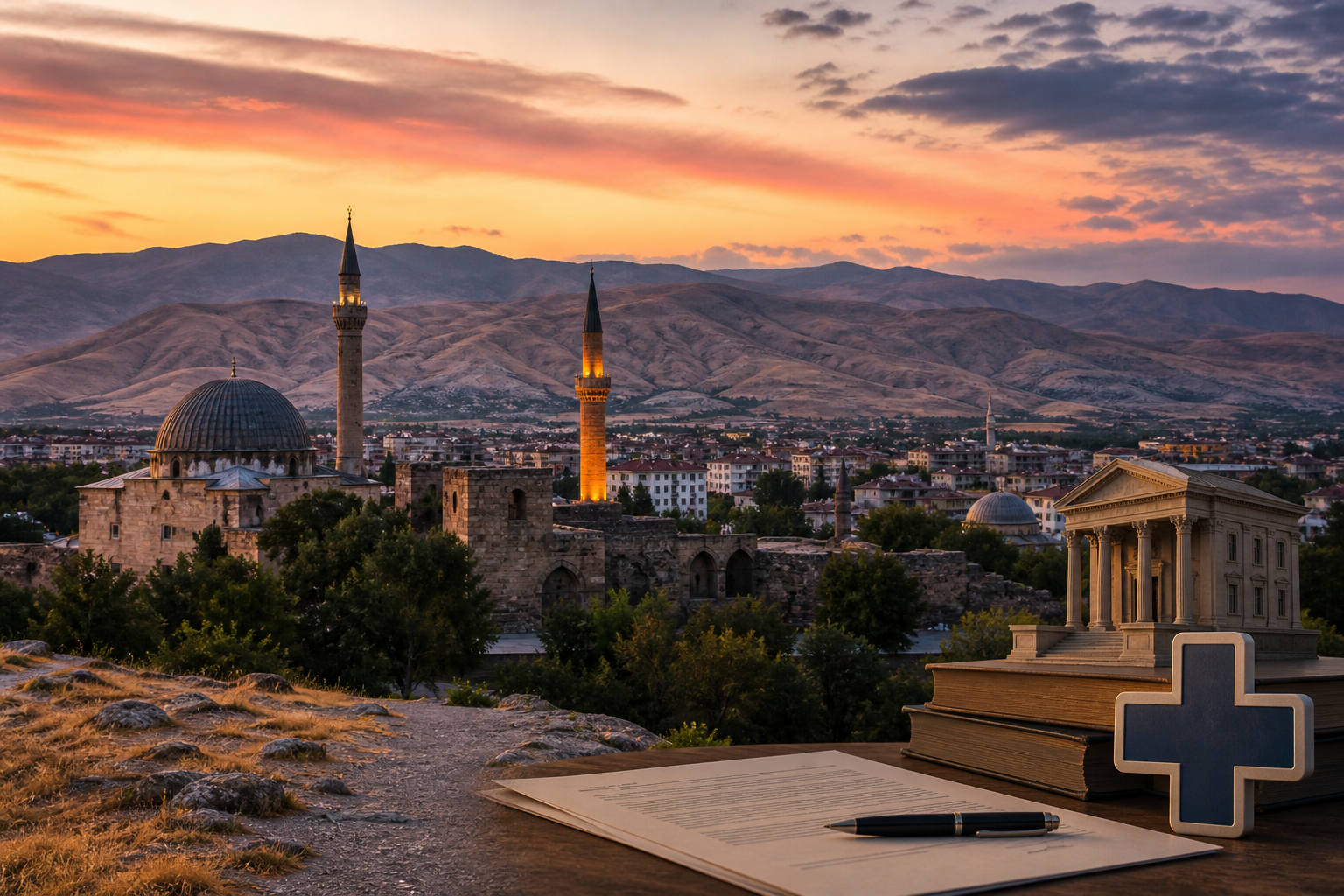
Cannabis consumption in Malatya is subject to Turkey’s national drug laws, not a separate municipal framework. Malatya’s location in eastern Türkiye, its role as a regional transport hub and its growing university and visitor population do not create a local exception for possession or use. Anyone considering cannabis should understand the legal position, health concerns and travel consequences before making a decision.
This guide provides general information rather than legal or medical advice. Rules, enforcement practices and individual circumstances can change. If you are involved in a police investigation, detained or facing a court process, contact a qualified lawyer in Türkiye. For a health concern, speak with a licensed physician or pharmacist rather than relying on an informal seller or online claim.
Cannabis laws in Malatya
Turkish drug law is national. The same basic rules apply in Malatya as in Istanbul, Ankara, Van or other Turkish cities. Recreational cannabis is not legal, and there is no licensed retail system comparable to the regulated adult-use markets found in some other countries.
Under Turkey’s Criminal Code, acquiring, possessing or using drugs for personal use can lead to criminal proceedings. The legal consequences depend on the facts, including the substance, quantity, prior history, evidence and conduct during the investigation. A court or prosecutor may also consider treatment, supervision or other measures in circumstances provided by law, but these possibilities should not be interpreted as permission to possess or consume cannabis.
The Turkish Penal Code is published through the official Turkish legislation database and Criminal Code text. Because legal provisions and their application can change, readers should check the current text and obtain advice specific to their situation.
Possession, use and supply are different legal issues
Personal use, possession and supply are often discussed together, but they are not treated identically. A quantity that an individual describes as personal does not automatically determine the legal outcome. Evidence of selling, sharing, transporting for another person or organizing distribution can create much more serious exposure than an allegation of personal use.
Importing or exporting cannabis is especially risky. Border authorities may treat drugs, cannabis products and contaminated luggage as serious matters. A visitor should never carry cannabis across an international border, place it in checked luggage or assume that a product bought legally elsewhere can be brought into Türkiye.
For a broader comparison of how national rules affect travelers, see this practical guide to cannabis travel in Kahramanmaraş. The legal principle is similar: a different Turkish city does not change the national prohibition.
What visitors should know about weed in Malatya
Visitors sometimes assume that a smaller or less internationally touristed city will have relaxed enforcement. That is an unsafe assumption. Weed in Malatya is not a legal tourist product, and looking for a seller, asking local residents for contacts or carrying cannabis in public can create legal and personal safety problems.
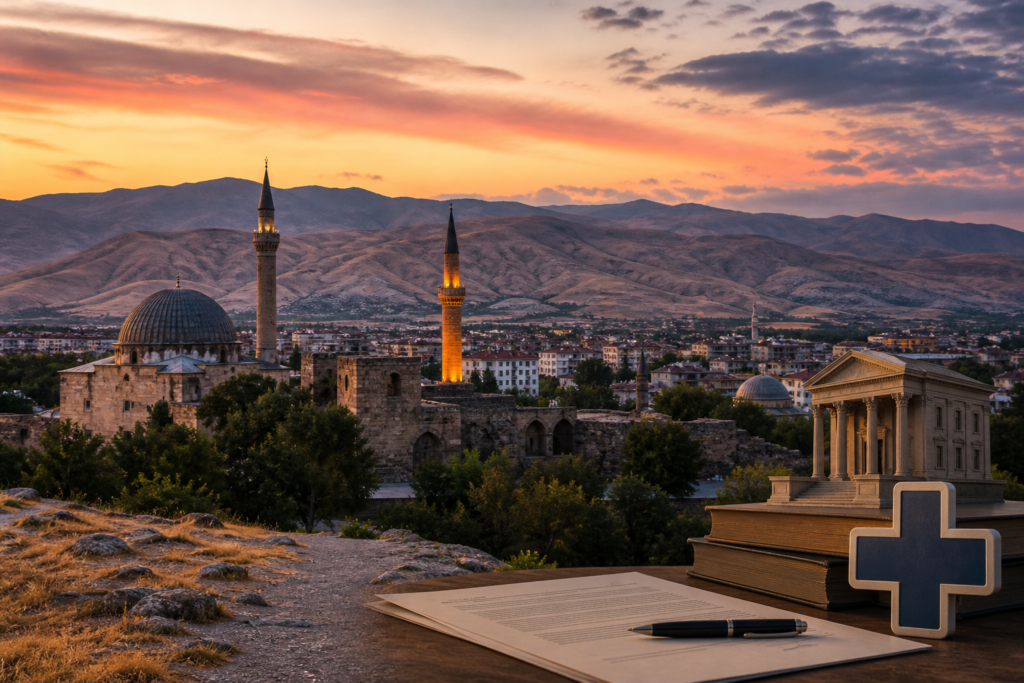
Tourists should also avoid relying on social media advertisements, encrypted messages or claims that a product is “herbal,” “CBD,” “medical” or “legal.” Labels may be inaccurate, and an unknown product can contain synthetic cannabinoids or other substances. A product’s packaging does not prove that it is lawful, safe or suitable for consumption.
- Do not buy, carry, share or transport cannabis in Malatya.
- Do not take cannabis or cannabis products through airports, bus stations or border crossings.
- Do not consume in hotels, rented accommodation, parks, roads, archaeological sites or other public places.
- Do not drive, ride a motorcycle or operate machinery after using an intoxicating substance.
- If approached by police, remain calm, avoid confrontation and request legal assistance if questioned or detained.
Health risks associated with cannabis
Legal status is only one part of the decision. Cannabis can impair attention, reaction time, coordination, memory and judgment. These effects are particularly important on Malatya’s roads, during long-distance travel and when using tools or machinery. Combining cannabis with alcohol, sedatives or other drugs can increase impairment and unpredictability.
Some people experience anxiety, panic, paranoia, confusion or a rapid heartbeat after using cannabis. High-potency products and edible products may create additional problems because effects can be delayed. A person who feels little effect at first may consume more and later experience intense or prolonged symptoms.
Frequent use can become difficult to control. Some users develop cannabis use disorder, characterized by cravings, unsuccessful efforts to cut down, continued use despite problems and reduced performance at work, school or home. Adolescents and people with a personal or family history of psychosis or certain mental-health conditions may face greater risks.
When urgent help is needed
Seek urgent medical help if someone has severe confusion, chest pain, trouble breathing, a seizure, loss of consciousness, extreme agitation, suspected poisoning or thoughts of self-harm. Stay with the person, keep them away from traffic and dangerous objects, and tell medical staff honestly what may have been taken. Health professionals need accurate information to provide appropriate care.
Do not attempt to treat a serious reaction with more substances, force the person to vomit or leave them alone to “sleep it off.” In an emergency, contact local emergency services in Türkiye.
Cannabis in Malatya and medical treatment
Cannabis in Malatya is not available through a general recreational dispensary system. Medical access, where a cannabinoid-based medicine is legally prescribed or supplied, is a separate issue from buying cannabis from an informal source. Availability depends on the medicine, approval status, prescription rules and the patient’s medical circumstances.
Patients should discuss symptoms with a licensed doctor in Türkiye. Do not assume that a prescription, medical card or cannabis product from another country automatically authorizes possession in Türkiye. Travelers who use prescribed cannabinoid medicines should verify the current import and documentation requirements with Turkish authorities and their treating clinician before departure.
Informal products can create several risks: unknown strength, contamination, inaccurate labeling and interaction with prescription medicines. A doctor or pharmacist can assess alternatives and explain whether a legally available treatment is appropriate. For general information about cannabis effects and health concerns, consult the World Health Organization’s fact sheet on cannabis and public health.
Public consumption, driving and accommodation
Consuming cannabis in a public place can attract attention even before any question of possession is considered. Smoke or odor may affect other people, and public use can lead to complaints, police contact or removal from accommodation. Hotels, guesthouses and landlords may prohibit smoking or drug-related conduct under their own terms.
Driving after cannabis use is a serious safety concern. Impairment may remain after the user feels more alert, and combining cannabis with alcohol can make judgment even less reliable. The safest approach is not to drive after using an intoxicating substance. Arrange a sober driver or use lawful public transport only when fit to travel.
Visitors should also keep passports, medication documents and travel details secure. Do not agree to carry a package for another person, even if it appears sealed or the person claims it contains a legal product. At airports and transport terminals, unfamiliar luggage can become a major legal problem.
Social context and responsible decision-making
Discussions about marijuana in Malatya may be shaped by family expectations, religious and cultural norms, workplace rules and concerns about reputation. People who use cannabis should not assume that a private conversation, a photograph or a social-media post is consequence-free. Sharing images of drug use can affect employment, education, relationships and travel plans.
Responsible decision-making means considering both immediate and longer-term consequences. If someone is using to manage sleep, pain, stress or trauma, the underlying problem deserves professional attention. Cannabis may temporarily change symptoms without addressing their cause, and regular use can complicate assessment by a clinician.
Where to seek support
A person who wants to reduce or stop using should speak with a family physician, psychiatrist, addiction specialist or another licensed healthcare professional. Confidentiality rules and available services may vary, so ask a local health facility about appropriate support. Friends and family can help by avoiding judgment, encouraging medical care and watching for dangerous symptoms.
Those researching cannabis policy in other Turkish cities may also find useful context in the guides to marijuana use in Van and cannabis in Istanbul. These comparisons should not be read as evidence of different local laws; they illustrate the same national-law issue in different urban settings.
Practical checklist for residents and travelers
- Assume recreational cannabis is illegal in Malatya and throughout Türkiye.
- Do not purchase, possess, share, transport or import cannabis.
- Verify any medical treatment through a licensed Turkish healthcare professional.
- Keep foreign prescriptions and medical documents, but confirm their legal effect before travel.
- Never drive or operate machinery while impaired.
- Do not trust unverified claims about CBD, hemp, edibles or “legal” cannabis products.
- Seek a lawyer promptly if contacted by law enforcement about a drug allegation.
- Get urgent medical assistance for severe physical or psychological symptoms.
Conclusion
Cannabis consumption in Malatya carries legal, health and travel risks. Türkiye’s national framework does not provide a recreational market, and a smaller city or private setting does not create an exemption. Possession, use, supply and cross-border transport can have different and potentially serious consequences.
The safest course for residents and visitors is to avoid illicit cannabis, obtain medical advice from licensed professionals and confirm current legal requirements before carrying any medicine across borders. If a legal problem or health emergency has already occurred, prompt help from a Turkish lawyer or healthcare provider is more reliable than informal online guidance.