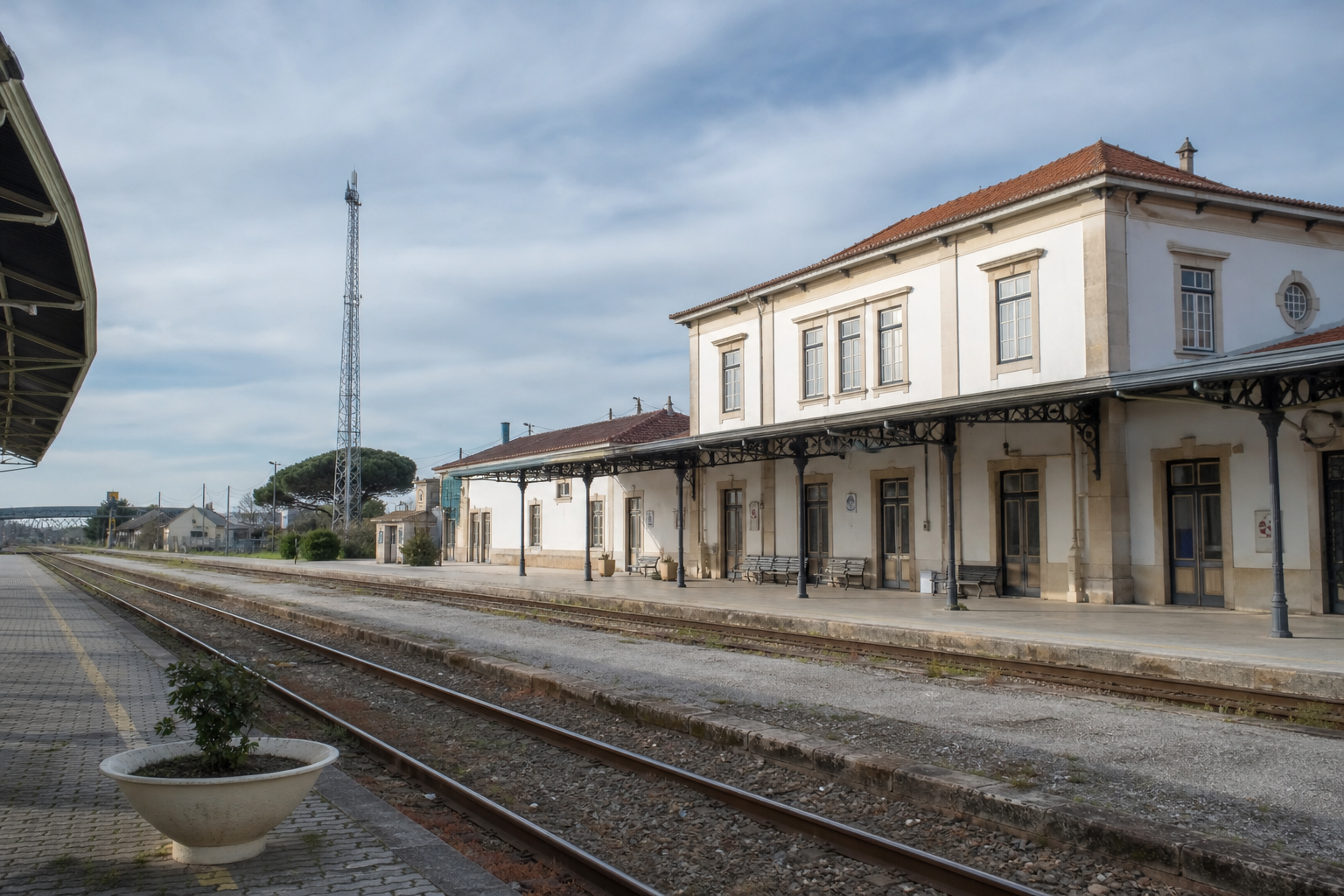
Understanding Cannabis regulations for tourists in Entroncamento is important before visiting this railway town in central Portugal. Portugal is often described as having a relaxed approach to drugs, but decriminalisation is not the same as legalisation. Cannabis remains subject to restrictions involving possession, supply, cultivation, public behaviour, driving and international travel.
Entroncamento does not have a separate cannabis code for visitors. National Portuguese law applies in the town, while local police and public authorities may respond to conduct that creates a nuisance, safety concern or public-order problem. This guide explains the practical rules tourists should understand and highlights where visitors face the greatest risk.
How cannabis law works in Entroncamento
Portugal generally treats the personal use and possession of limited quantities of drugs as an administrative matter rather than automatically prosecuting every case as a criminal offence. That policy is commonly called decriminalisation. It does not create a legal recreational cannabis market, and it does not give tourists a right to buy, carry or consume cannabis wherever they wish.
A person found with cannabis for personal use may be referred to a Commission for the Dissuasion of Drug Addiction. The authorities can consider the circumstances and may apply measures such as a warning, a fine or other administrative responses. The outcome is not guaranteed, and the process can still cause significant disruption to a holiday.
Possession involving circumstances that suggest supply, distribution or trafficking can be treated much more seriously. The same is true where other offences are involved. Quantity is relevant, but it is not the only factor: packaging, communications, money, conduct and the surrounding evidence may all matter.
For broader context, visitors can review official information from Portugal’s national addiction and drug information service, SICAD. Tourists should rely on current official guidance rather than travel anecdotes or claims that Portugal has fully legalised cannabis.
Cannabis laws in Entroncamento: what tourists may and may not do
Personal possession
Carrying a small amount for personal use may fall within Portugal’s administrative decriminalisation framework, but it is still prohibited conduct and can lead to police intervention. Decriminalisation does not mean that officers must ignore the substance or that visitors can avoid identification, questioning or referral to the relevant authorities.
Tourists should not assume that a quantity described online as a personal-use amount guarantees a particular result. Legal treatment depends on the facts of the case and any applicable rules at the time. Possession in a hotel, railway station, rented apartment, vehicle or public street can still attract attention.
Buying or sharing cannabis
Portugal does not operate a lawful recreational dispensary system for tourists. A person offering cannabis for sale, arranging a purchase or distributing it to others may be exposed to criminal investigation. Sharing cannabis can also create legal problems, even if no money changes hands, because authorities may view the conduct as supply rather than private possession.
Do not treat social-media sellers, informal dealers or cannabis-themed businesses as regulated retail outlets. A product’s appearance, label or claimed origin does not prove that it is lawful, accurately labelled or safe.
Cultivation and homemade products
Growing cannabis for personal use is not made lawful by the decriminalisation of possession. Cultivation can carry criminal consequences. Tourists should also avoid buying or preparing homemade oils, edibles or concentrates, since their contents may be unknown and the process can create additional legal and health risks.
Public consumption and accommodation rules
There is no general visitor entitlement to smoke cannabis in Entroncamento’s streets, squares, parks, railway areas or other public places. Public consumption may lead to intervention under drug, public-order or nuisance rules, particularly when it affects families, pedestrians, workers or nearby businesses.
Smoking near schools, playgrounds, transport facilities, public buildings and crowded events is especially imprudent. Even where a particular location does not display a cannabis-specific sign, ordinary rules concerning smoking, disturbance, trespass, fire safety and property use can apply.
Hotels, hostels, guesthouses and short-term rentals can impose stricter conditions than the national baseline. A property may prohibit smoking entirely, ban cannabis use, charge for damage or ask a guest to leave for breaching house rules. A private balcony is not automatically a safe legal space: smoke can affect neighbours, and the owner’s terms still control access to the property.
Visitors comparing local rules may also find it useful to read this guide to public cannabis consumption laws in Guarda. The locations differ, but the practical lesson is similar: decriminalisation does not make public consumption an ordinary tourist activity.
Transport, trains and driving after cannabis use
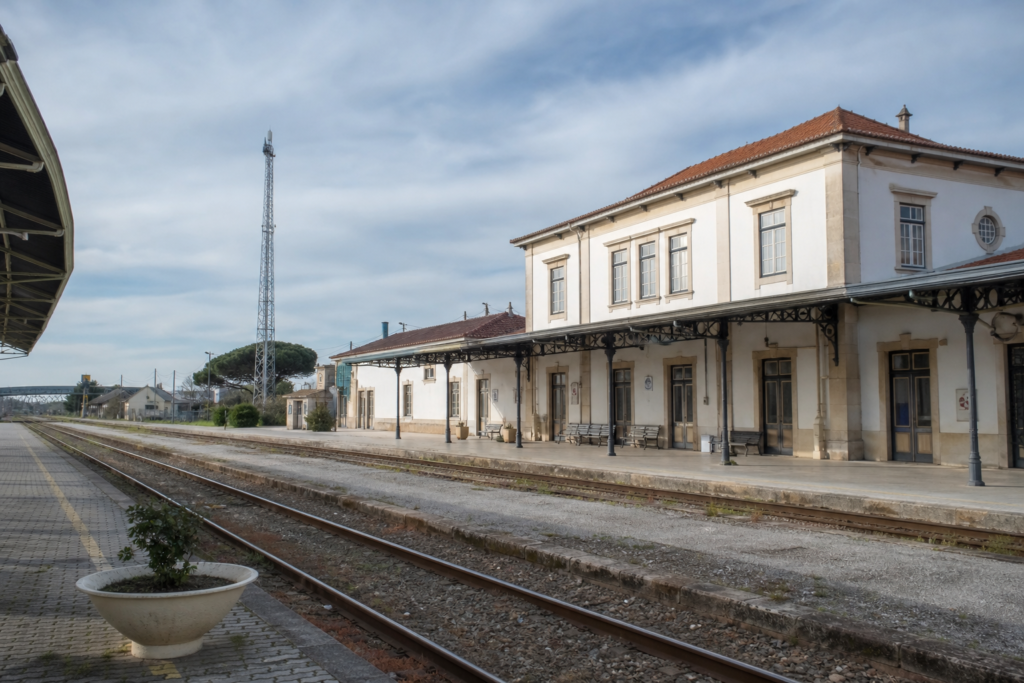
Entroncamento is a major rail junction, so transport rules are particularly relevant. Do not consume cannabis on trains, station platforms, in station buildings or in other transport facilities. Railway operators and property managers can enforce their own conditions, and disruptive behaviour may lead to removal, reporting or further action.
Never drive after using cannabis. Portuguese road-safety rules can impose serious consequences for drug-impaired driving or driving with prohibited substances detected under the applicable testing framework. A visitor may face police procedures, vehicle consequences, fines, prosecution or insurance complications. Renting a car does not change the legal standard.
The safest approach is simple: do not drive, cycle or operate machinery after consuming cannabis, and do not carry cannabis into a vehicle or onto public transport. If a traveller is stopped, remaining calm, providing accurate identification and avoiding arguments is more sensible than attempting to debate Portuguese law at the roadside.
Can tourists bring cannabis into Portugal?
Visitors should not bring cannabis into Portugal, whether travelling by plane, train, bus, car or ferry. This includes flower, resin, oils, edibles, concentrates and products containing THC. Crossing an international border changes the legal risk: conduct that might be handled as personal possession inside Portugal can become an import or export issue at the border.
Do not carry cannabis purchased legally in another country into Portugal. A foreign prescription, medical card or dispensary receipt does not automatically authorise importation. The same caution applies when leaving Portugal. A product bought or obtained during a trip should not be taken to Spain or any other destination.
CBD and hemp products require separate care. Labels can be misleading, products may contain controlled cannabinoids, and rules differ between countries. Before travelling with any cannabis-derived medicine, contact the relevant Portuguese authorities and the authorities in the destination country. Do not rely only on a shop’s assurance that a product is legal.
Medical cannabis for visitors
Portugal has a regulated medical-cannabis framework, but medical access is not the same as recreational access. Approved medical cannabis products are prescribed for eligible medical situations and dispensed through authorised channels. A tourist should not assume that a foreign prescription, medical-cannabis card or diagnosis permits buying or possessing any cannabis product in Portugal.
Travellers who use cannabis as prescribed medication should plan before departure. Ask the prescribing clinician and the relevant embassy or health authority about documentation, product limits, packaging, import permissions and border requirements. Keep medication in its original labelled packaging and carry supporting documents, but understand that documents alone may not resolve an import restriction.
Portugal’s medicines regulator, INFARMED, is the appropriate official starting point for questions about medicines, authorised products and pharmaceutical regulation. A pharmacist or doctor may also help explain lawful medical options, but visitors should not seek unregulated products from informal sellers.
Health and safety considerations
Unregulated cannabis can have unpredictable strength, contents and contamination risks. Edibles may take longer to produce effects than inhaled products, which increases the possibility of consuming too much. Combining cannabis with alcohol or other drugs can worsen impairment, anxiety, confusion and poor decision-making.
Visitors should be particularly cautious if they have a history of panic, psychosis, heart problems or medication interactions. Do not use cannabis before swimming, driving, cycling in traffic or taking part in activities requiring concentration. If someone becomes severely confused, has trouble breathing, experiences chest pain, has a seizure or cannot be awakened, call Portugal’s emergency number, 112.
What to do if police find cannabis
- Stay calm and respectful. Do not run, resist or escalate the situation.
- Provide accurate identification. Tourists should keep their passport or other accepted travel document secure and accessible.
- Ask what procedure is taking place. If referred to an administrative commission or questioned about suspected supply, request legal assistance.
- Do not sign documents you do not understand. Ask for an interpreter or translation where needed.
- Contact your consulate if detained or facing a serious allegation. Consular staff cannot cancel Portuguese proceedings, but they can explain support options.
- Keep copies of important information. Store accommodation details, insurance information and emergency contacts separately from your passport.
Administrative treatment is not a promise that a case will be minor. A foreign visitor may still miss transport, lose access to accommodation, face a court process or experience immigration complications if other offences are alleged.
Practical checklist for a responsible visit
- Do not bring cannabis across the Portuguese border.
- Do not buy from street sellers or informal online contacts.
- Do not smoke in public areas, stations, trains or shared accommodation.
- Check the written rules of your hotel or rental before using any substance.
- Never drive or cycle while impaired.
- Keep cannabis away from children and do not leave products in a rental car.
- Use official Portuguese sources for changes to medical and drug policy.
- Seek legal advice if possession is connected with supply, cultivation, driving or border travel.
Final advice for tourists in Entroncamento
The central point about cannabis in Entroncamento is that Portugal’s health-oriented approach to personal possession should not be mistaken for commercial legalisation. Weed in Entroncamento is not a normal regulated tourist purchase, and tourist cannabis rules in Entroncamento still expose visitors to administrative or criminal consequences depending on their conduct.
The lowest-risk choice is not to carry, buy, use or transport cannabis during a short visit. If you have a genuine medical need, resolve documentation and border questions before travelling. Respect accommodation, transport and public-space rules, and obtain professional help promptly if authorities become involved. Checking current official guidance before departure is more reliable than assuming that Portugal’s reputation reflects every situation.