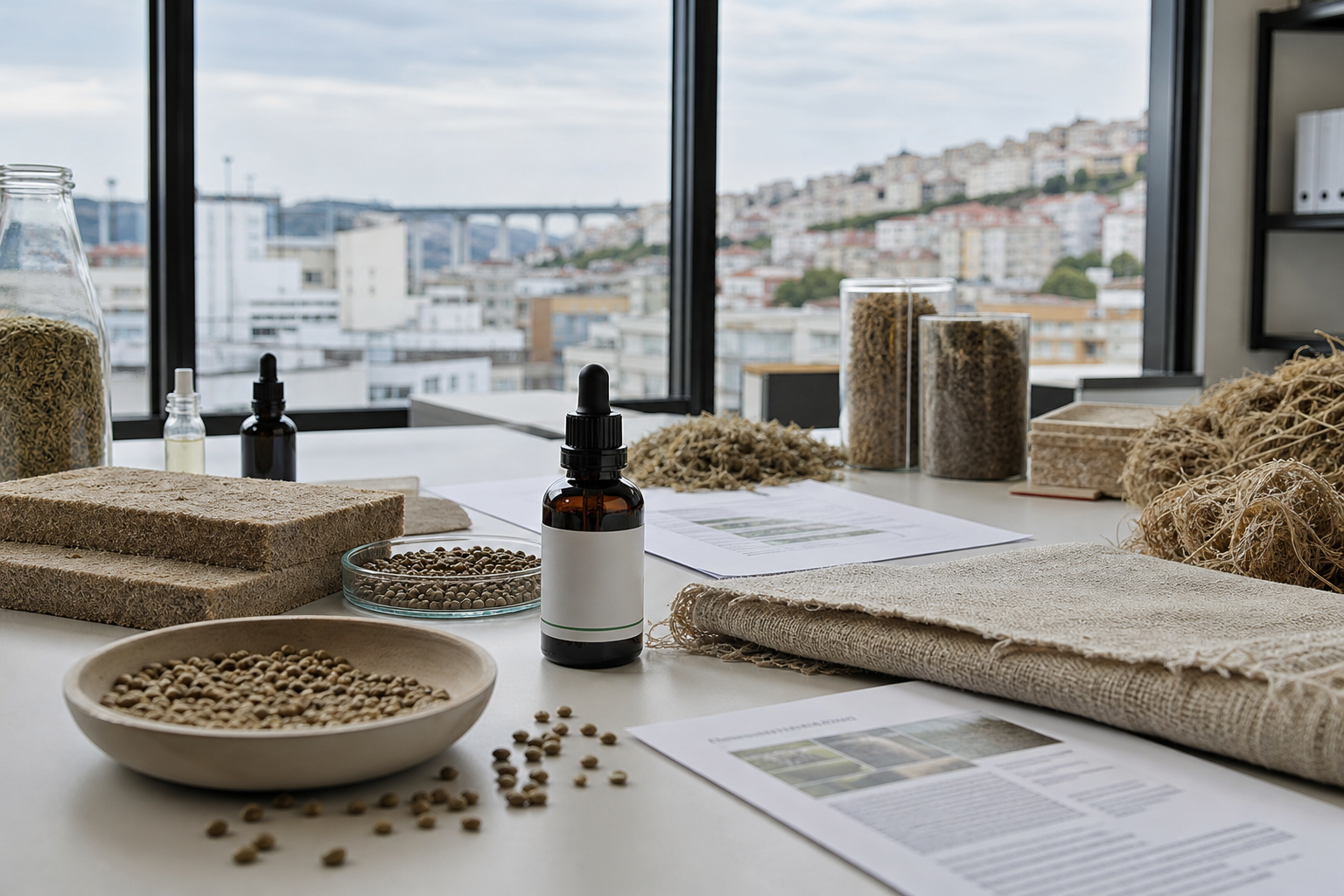
Understanding hemp in Amadora requires separating several products that are often grouped together under the word cannabis. Industrial hemp, CBD products, medical cannabis and high-THC marijuana are not automatically treated the same way under Portuguese law. The rules can also depend on whether a product is being cultivated, sold, imported, carried or consumed.
Amadora is part of the Lisbon metropolitan area, so residents and visitors may encounter hemp-derived products in the wider regional market. However, a product being advertised as natural, legal or made from hemp does not by itself prove that it complies with Portuguese requirements. This guide explains the main distinctions, practical risks and sensible checks to make before buying, carrying or using hemp-related products.
What hemp means in the Portuguese context
Hemp generally refers to varieties of the cannabis plant cultivated for industrial or commercial purposes and containing low levels of tetrahydrocannabinol, or THC. THC is the principal intoxicating cannabinoid. Hemp may be used for fibre, seed, food ingredients, cosmetics, building materials and other industrial applications.
That definition does not mean every item labelled “hemp” is automatically unrestricted. A hemp-seed food, a fibre product, a CBD oil and a flower product can fall into different regulatory categories. Ingredients, THC content, intended use, labelling and the route by which a product entered Portugal may all matter.
Most importantly, low-THC hemp should not be confused with recreational cannabis. A product that can cause intoxication may face controlled-substance rules even when its packaging uses the word hemp. Likewise, CBD is not the same substance as THC, but a CBD product can still raise regulatory questions if it contains controlled cannabinoids, makes medicinal claims or is sold in a category requiring authorisation.
Hemp laws in Amadora and Portugal
There is no separate Amadora hemp code. National Portuguese rules apply in the municipality, while local authorities may deal with issues such as commercial licensing, premises, public order and zoning. Anyone planning a commercial activity should therefore consider both the national product rules and the ordinary requirements for operating a business in Amadora.
Cultivating industrial hemp is not the same as growing cannabis for personal use. Commercial cultivation may require approved seed, documentation, monitoring and authorisation from the relevant Portuguese authorities. The exact obligations can depend on the crop, its THC threshold, the intended use and whether the activity involves seeds, flowers or another plant part. A person should obtain confirmation from the competent authority before planting rather than relying on a retailer’s informal advice.
The Directorate-General for Food and Veterinary Affairs is an appropriate official starting point for information related to agricultural production, plant health and certain food or feed matters. For controlled products and medicinal cannabis questions, it is also sensible to consult the Portuguese medicines regulator, INFARMED, because the responsible regulator can vary according to the product category.
Why the label is not enough
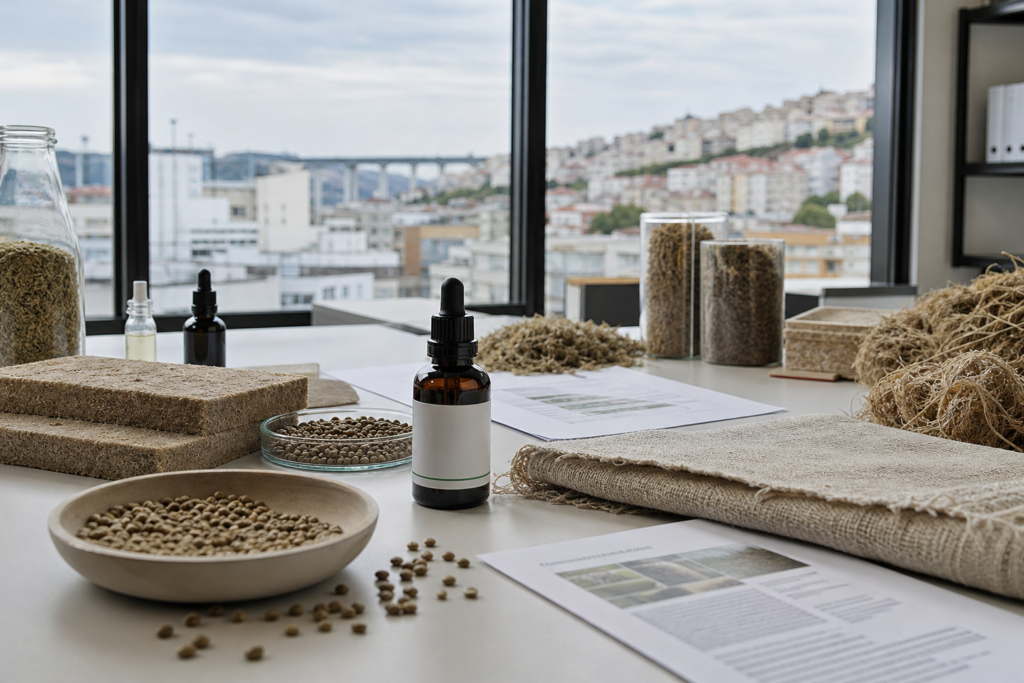
Marketing language can be incomplete or misleading. “Hemp oil” may describe an oil made from hemp seeds, which is different from an extract containing cannabinoids. “CBD flower” may be presented as non-intoxicating, but its legal treatment can depend on its composition, presentation and intended use. Products imported from another European country are not necessarily automatically lawful for sale or possession in Portugal.
Before purchasing, look for a complete ingredient list, batch information, manufacturer details, country of origin and a credible certificate of analysis. A laboratory report should identify the tested product and show cannabinoid content, not merely display a generic result copied from a website. If the seller cannot explain what the product is or which rules apply, caution is appropriate.
Industrial hemp in Amadora: realistic local uses
Amadora is a densely developed municipality rather than a large agricultural region. That makes industrial hemp farming within the urban area less likely than retail, education, design, food or construction-related activity. Local businesses may still work with hemp textiles, seed-based foods, cosmetics, insulation materials or other finished goods, but commercial operations should verify the relevant sector rules before launch.
Hemp fibre and hurd can be used in textiles, paper, composites and some building products. Hemp seeds are valued for their protein, fats and culinary applications. These uses are distinct from cannabinoid products and are not evidence that a high-THC product is permitted. Businesses should keep product documentation and supply-chain records, particularly when selling food, cosmetics or items sourced from outside Portugal.
For consumers, the most straightforward hemp products are usually those sold in clearly regulated categories with transparent labelling. Even then, “natural” does not mean risk-free. People with allergies, dietary restrictions or medication concerns should check ingredients and ask a qualified professional for advice.
CBD in Amadora: buying and using products carefully
Interest in CBD in Amadora may include oils, capsules, cosmetics, food products, vape liquids and flowers. These products should not be treated as interchangeable. A cosmetic is generally used on the skin, while an ingestible product may be subject to food or novel-food controls. A product marketed to diagnose, prevent or treat a disease may raise medicinal-product issues.
Consumers should be particularly cautious about products that promise to cure anxiety, pain, insomnia, cancer or other conditions. Strong medical claims are not a substitute for approval, clinical advice or a diagnosis. CBD can also interact with medicines and may cause unwanted effects. Anyone taking prescription medication, managing liver disease, pregnant or breastfeeding should ask a doctor or pharmacist before using cannabinoid products.
- Check the exact cannabinoid content and serving size.
- Prefer sealed packaging with a traceable batch number.
- Be wary of products with no manufacturer, importer or ingredient information.
- Do not assume a product is legal merely because it is sold online.
- Stop using a product if it causes unexpected effects and seek medical advice when necessary.
Medical cannabis and hemp are not the same thing
Medical cannabis in Amadora refers to authorised cannabis-based treatment supplied through Portugal’s medical system. It is not the same as buying a hemp supplement or using a CBD product for a health complaint. Medical cannabis should be considered with a qualified healthcare professional, and any prescription or dispensing requirements must be followed.
Patients should not substitute an unverified hemp extract for a prescribed medicine. Product strength, purity, dosage and interactions can vary significantly. Keeping the original packaging and medical documentation is especially important when travelling with a prescribed cannabis product.
For broader regional context, readers can also consult this guide to cannabis in Lisbon, Portugal. Amadora has its own municipal setting, but national Portuguese rules remain the central legal reference.
Possession, public use and travel considerations
People searching for weed in Amadora may be referring to high-THC cannabis rather than industrial hemp. The fact that Portugal has a distinct approach to drug policy does not create a general retail market for recreational cannabis. Decriminalisation of certain personal-use situations is not the same as legalisation, and it does not authorise unlicensed sales, commercial cultivation or public consumption.
Using cannabis in public can create practical problems even when a person believes the amount is for personal use. Police may assess the substance, quantity, circumstances and applicable law. Driving after using THC is also unsafe and can create serious legal consequences. Never drive, cycle in traffic or operate machinery while impaired.
Visitors should avoid carrying loose flowers, oils or edibles across borders without checking the rules of every country on the route. A product purchased legally in one country may not be lawful to import into Portugal or transport onward. Airport security, customs authorities and police do not have to accept a retailer’s claim that an item is “just hemp.”
How residents and visitors can reduce risk
- Identify the product category before buying it: food, cosmetic, supplement, medicinal product or controlled substance.
- Check the current position with the relevant Portuguese authority if cultivation, importation or commercial sale is involved.
- Buy only from a transparent, established seller that provides product and business information.
- Avoid products with exaggerated health claims or unclear cannabinoid content.
- Keep receipts, packaging and certificates for products that may need to be explained during travel.
- Do not share products with minors or use intoxicating products before driving or working.
- Ask a healthcare professional about interactions, especially when using prescription medicines.
What to remember about hemp in Amadora
The safest way to understand hemp in Amadora is to start with the product’s composition and purpose rather than its marketing name. Industrial hemp materials and seeds are different from cannabinoid extracts; CBD products are different from medical cannabis; and none of these categories should be assumed to permit recreational THC use.
Portuguese rules can change and may depend on technical details that are difficult to assess from a shop listing. For cultivation, importing, manufacturing or commercial sales, obtain current guidance from the responsible authority before committing money or stock. For personal use, choose products with clear documentation, avoid medical claims and take extra care with travel and driving.
Conclusion
Hemp can have legitimate agricultural, food, industrial and commercial uses in the Amadora area, but the legal position depends on what the product is and how it is handled. Careful labelling checks, responsible purchasing and advice from official Portuguese authorities are more reliable than assumptions based on the word “hemp.” Treat intoxicating cannabis, medical products and unverified extracts as separate issues, and seek professional advice whenever health, cultivation or cross-border travel is involved.