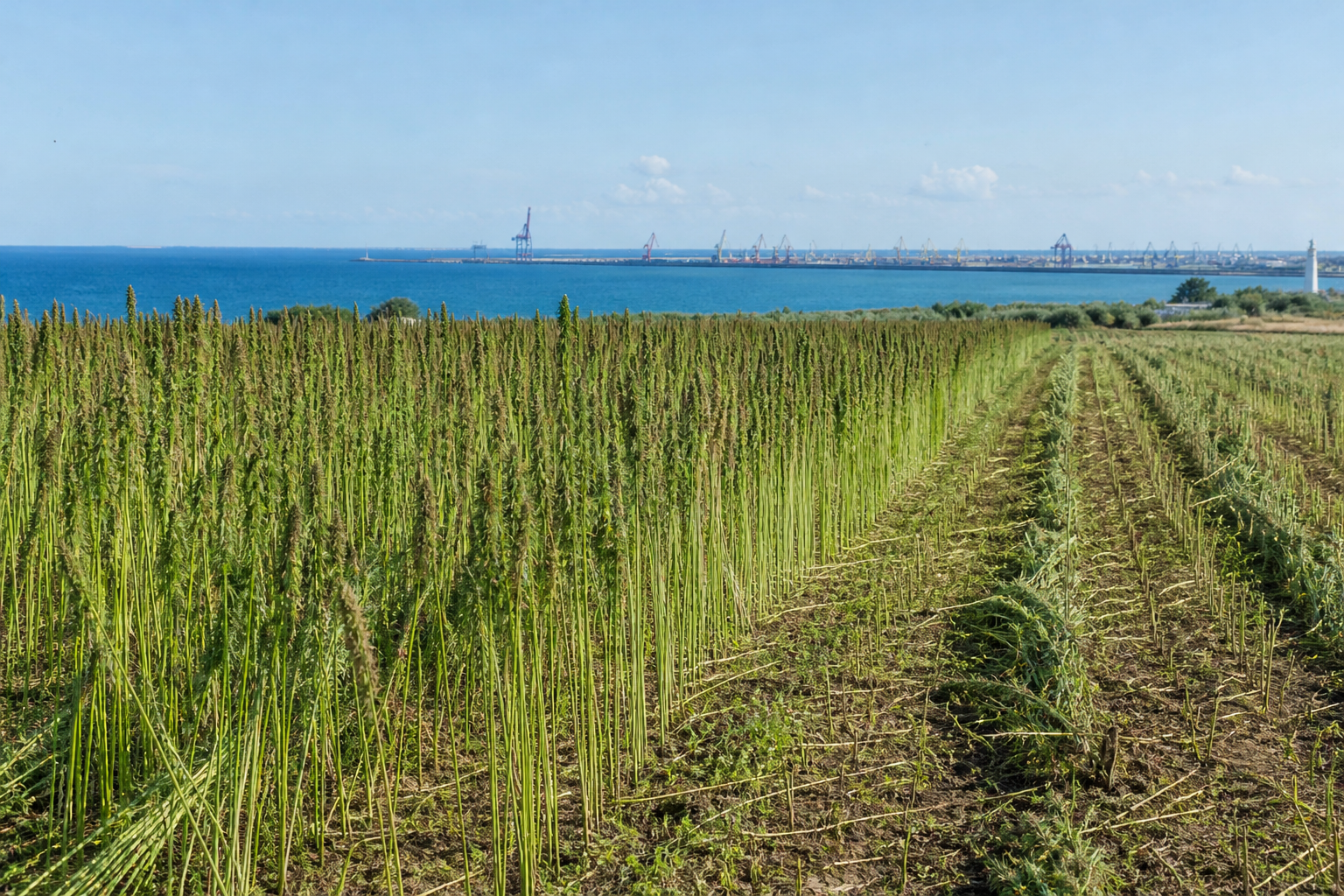
Understanding Hemp in Constanța starts with separating industrial hemp, CBD products and high-THC cannabis. These terms are often used interchangeably in everyday conversation, but Romanian law can treat them very differently. The distinction matters in a coastal city where residents, visitors, online shoppers and people passing through the port or airport may encounter products labelled hemp, cannabis or CBD.
This guide explains the practical issues without treating a product label as proof of legality. Rules can depend on the plant variety, THC content, form of the product, intended use, documentation and whether it is being cultivated, sold, carried or consumed. For a current legal interpretation, consult the relevant Romanian authorities or a qualified lawyer before acting.
What “hemp” means in Constanța
Hemp generally refers to varieties of Cannabis sativa cultivated for fibre, seed, grain, oil or other industrial purposes. Industrial hemp is bred and grown differently from cannabis varieties cultivated for intoxicating effects. Hemp seed, hemp fibre and hemp-based materials do not automatically have the same legal status as dried cannabis flowers, extracts or resin.
The word “hemp” on packaging is therefore only a starting point. A product may contain hemp seed oil, hemp extract, CBD isolate, cannabinoids or measurable THC. Each category can raise different questions about food rules, cosmetics regulation, medicines, controlled substances, labelling and consumer safety.
Industrial hemp and hemp-derived products
Industrial hemp cultivation is not simply a matter of planting seeds in a garden or on unused land. Farmers need to use permitted varieties and follow applicable agricultural and administrative requirements. Seed certification, cultivation records, inspections and THC-related controls may be relevant, particularly for commercial production.
Finished products also need to be assessed individually. Hemp seed foods are different from CBD oils, while a fibre product is different from a flower marketed for smoking. A seller’s claim that an item is “natural” or “legal hemp” does not replace the need for proper composition, labelling and regulatory checks.
Hemp laws in Constanța: the main legal distinction
There is no separate Constanța cannabis code that replaces Romanian national law. The same national framework applies in Constanța, while local authorities may be involved in permits, agricultural oversight, public order or commercial inspections. EU rules can also influence which hemp varieties and agricultural practices are accepted.
For the agricultural background, the EU regulation covering the Common Agricultural Policy is an authoritative starting point for understanding the framework around eligible hemp cultivation. It should not be read as a complete guide to Romanian retail, criminal or consumer-protection rules.
Why THC content matters
THC is the cannabinoid most associated with intoxication and is a central issue when authorities assess cannabis-related material. A product advertised as hemp may still require careful examination if it contains flowers, resin, concentrated extract or measurable THC. Laboratory testing, product category and the applicable legal threshold can all matter.
Do not assume that a low-THC label, a foreign certificate or a website description guarantees that a product may be possessed or carried in Romania. Thresholds and enforcement practices may vary by product type, and a certificate of analysis may not answer every legal question. When the consequences are serious, obtain advice based on the exact product and its documentation.
CBD in Constanța: buying and using products carefully
People searching for CBD in Constanța may be looking for oils, capsules, cosmetics, vape liquids, food supplements or topical products. These items are not legally identical. The intended route of administration, ingredients, health claims, THC level and marketing category can change the compliance position.
Before buying, check whether the seller provides a complete label and a recent certificate of analysis from an identifiable laboratory. The document should correspond to the product batch rather than being a generic image copied across a website. Look for the cannabinoid profile, THC result, batch number, expiry information, manufacturer or importer details and instructions for use.
- Prefer packaging that clearly identifies the product and responsible business.
- Check whether the product is intended for cosmetic, food, technical or other use.
- Be cautious of promises to treat anxiety, pain, cancer or other medical conditions.
- Avoid products with no ingredient list, no batch information or unusually aggressive health claims.
- Do not assume that a product sold abroad can automatically be imported or carried into Romania.
For wider regional context, the guide to CBD legality and responsible use in Iași discusses similar questions about labels, product categories and consumer caution. Local availability in Constanța does not by itself establish legality.
Industrial hemp cultivation near Constanța
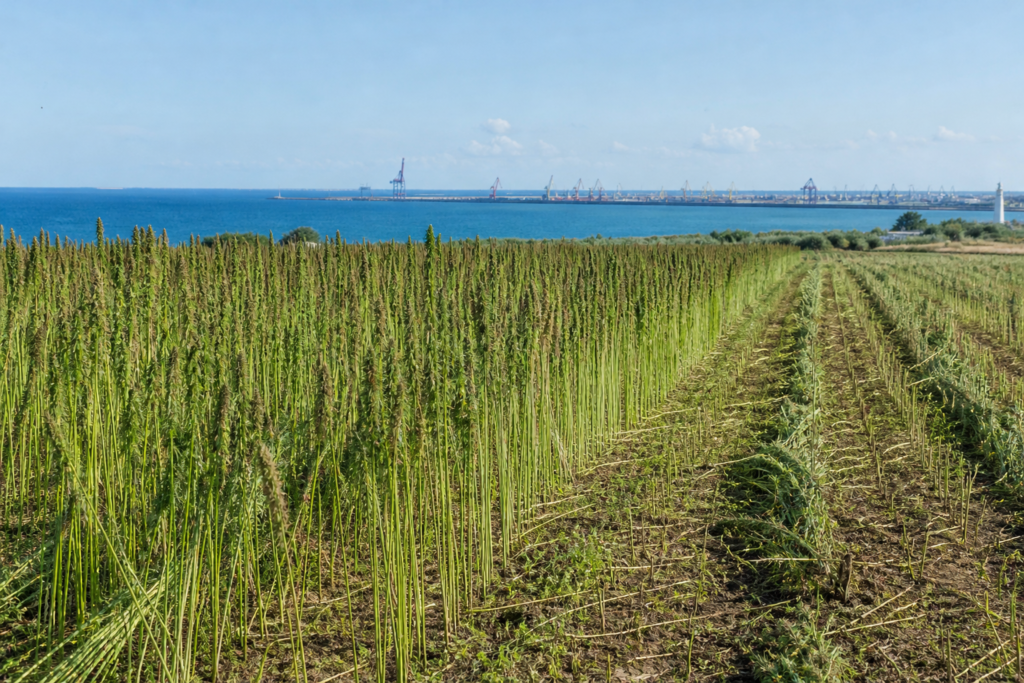
Constanța County includes agricultural areas where climate, soil, irrigation and access to transport can make industrial crops commercially relevant. That practical potential does not remove the need for lawful seed selection and farm administration.
Questions for growers
A prospective grower should first identify the exact purpose of cultivation: fibre, seed, grain or another permitted industrial use. The next step is to confirm which varieties are accepted, what planting documentation is needed and which authority receives applications or notifications. Requirements can change, so current information should be obtained before purchasing seed or preparing a field.
Growers should also keep invoices, seed certificates, field records and any correspondence with authorities. Clear records help distinguish a regulated industrial crop from illicit cultivation if an inspection occurs. Mixing approved hemp with unverified seed or planting a crop without checking local procedures can create avoidable legal and financial problems.
Small-scale and domestic growing
Growing a few plants at home is not automatically covered by the rules that apply to commercial industrial hemp. A plant’s appearance is not a reliable legal test, and an intention to use it for fibre does not necessarily resolve the issue. Anyone considering domestic cultivation should obtain specific Romanian legal advice rather than relying on social media explanations or foreign websites.
Hemp, cannabis and travel through Constanța
Constanța’s port, railway connections, roads and airport make travel-related caution especially important. Carrying a bottle, flower, edible, vape cartridge or supplement across a border can create different risks from buying an item for domestic use. Customs officials may examine the product, its label and its composition, and a product purchased legally in another country may not be accepted under Romanian rules.
Keep commercial packaging and receipts when travelling with ordinary, lawful hemp-seed or cosmetic goods, but do not treat paperwork as immunity from inspection. Avoid carrying loose plant material, unlabelled oils or products that resemble controlled cannabis. Never mail hemp or CBD products internationally without first checking the rules in both the sending and receiving countries.
For comparison, the practical overview of cannabis rules and CBD issues in Bucharest shows why national Romanian law matters even when local circumstances differ. Constanța is not a special free zone for cannabis or cannabinoid products.
Medical use and health considerations
Hemp-derived products are often marketed with medical language, but a commercial CBD oil is not automatically an approved medicine. People taking prescription drugs, managing liver conditions, pregnant or breastfeeding individuals, and anyone considering CBD for a child should speak with a doctor or pharmacist first.
Potential concerns include interactions with medicines, inaccurate dosage information, contamination and unexpected THC exposure. Products purchased from informal sellers may have no dependable testing. Do not replace prescribed treatment with an unverified hemp product, and seek professional advice before using any cannabinoid for a medical condition.
Driving after using a product that may contain THC is particularly risky. Even when a product is labelled as low-THC or THC-free, contamination or inaccurate labelling can create uncertainty. The safest approach is to avoid driving or operating machinery when there is any possibility of impairment or an unexpected cannabinoid result.
How to assess a hemp seller in Constanța
A responsible shop should be able to explain what the product is, who made it, how it is intended to be used and what testing supports its label. Staff should not guarantee that an item treats a disease or encourage customers to ignore Romanian restrictions.
- Identify the exact product category and route of use.
- Read the full ingredient list, warnings and responsible-business information.
- Request batch-specific testing where the product contains cannabinoids.
- Check that the label and certificate describe the same product and concentration.
- Keep the receipt and packaging, especially if travelling.
- Stop using the product if it causes unexpected effects and seek medical advice when necessary.
Consumers can also consult the official Romanian legislation portal when checking the wording of current laws and regulations. Because legal classification may depend on technical details, a general search result or a seller’s FAQ should not be treated as definitive legal advice.
Common mistakes to avoid
- Assuming “hemp” means the product contains no controlled cannabinoid.
- Confusing hemp seed oil with CBD oil or a cannabis extract.
- Believing that a foreign certificate automatically proves Romanian legality.
- Buying flowers or extracts from an informal source because they are advertised as industrial hemp.
- Carrying cannabinoid products across a border without checking both jurisdictions.
- Using medical claims from marketing material instead of consulting a qualified professional.
Conclusion
Hemp in Constanța is best understood through product type, THC content, intended use and documentation rather than branding alone. Industrial cultivation, hemp-seed foods, cosmetics, CBD extracts and high-THC cannabis can fall into different regulatory categories. Residents, farmers and visitors should verify current Romanian requirements before growing, buying, selling, importing or travelling with any hemp-related product.
A careful approach is straightforward: identify the exact item, check reliable documentation, avoid unsupported health claims, keep records and obtain professional advice when the legal or medical consequences matter. That approach is more dependable than assuming every product labelled “hemp” is automatically legal or safe.