Understanding cannabis for medical use in Vannes requires separating regulated healthcare from recreational cannabis. In France, cannabis-based treatment is not something patients can simply buy from a shop or request as an ordinary prescription. Access depends on national rules, medical assessment, the approved supply pathway and the status of any transitional arrangements.
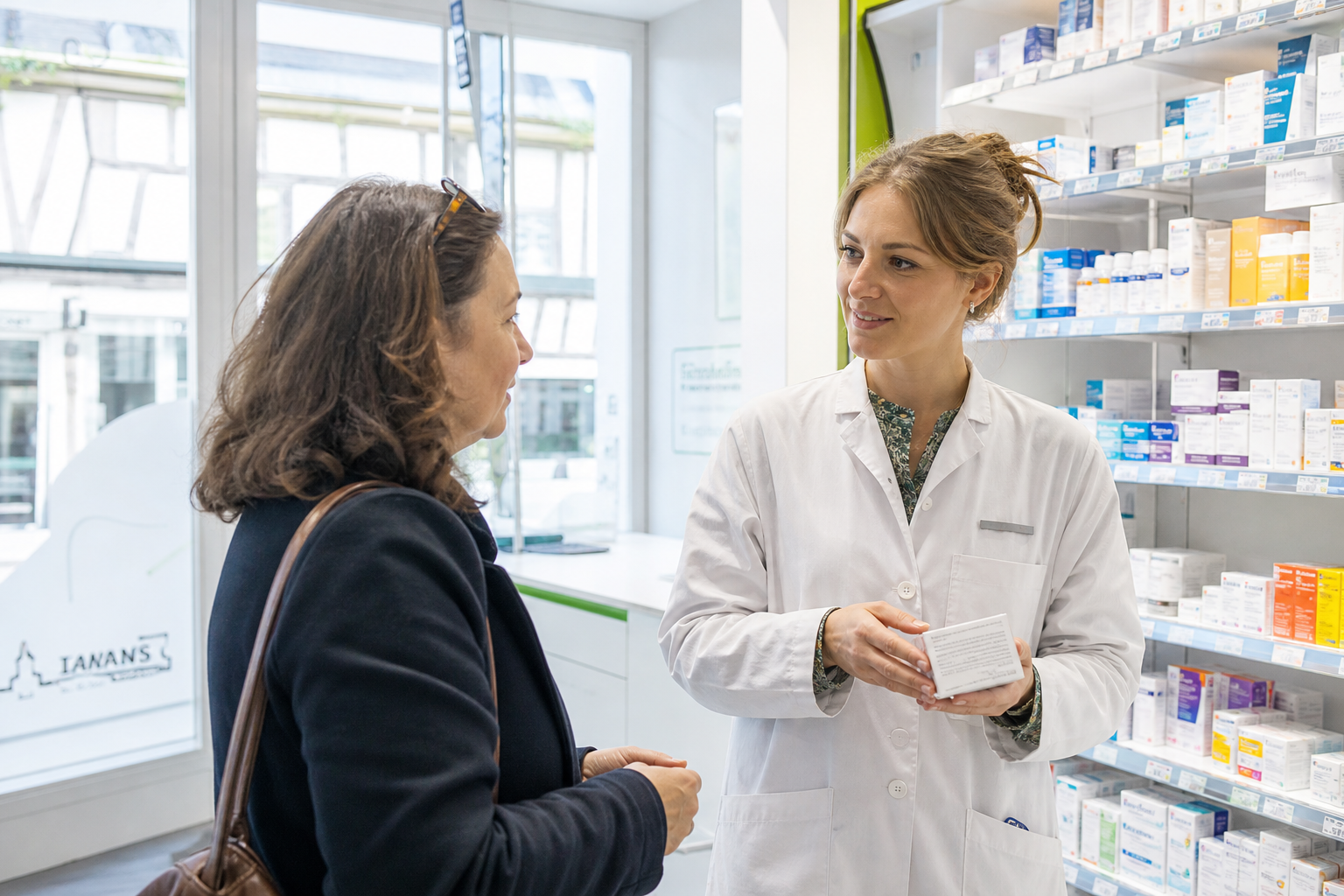
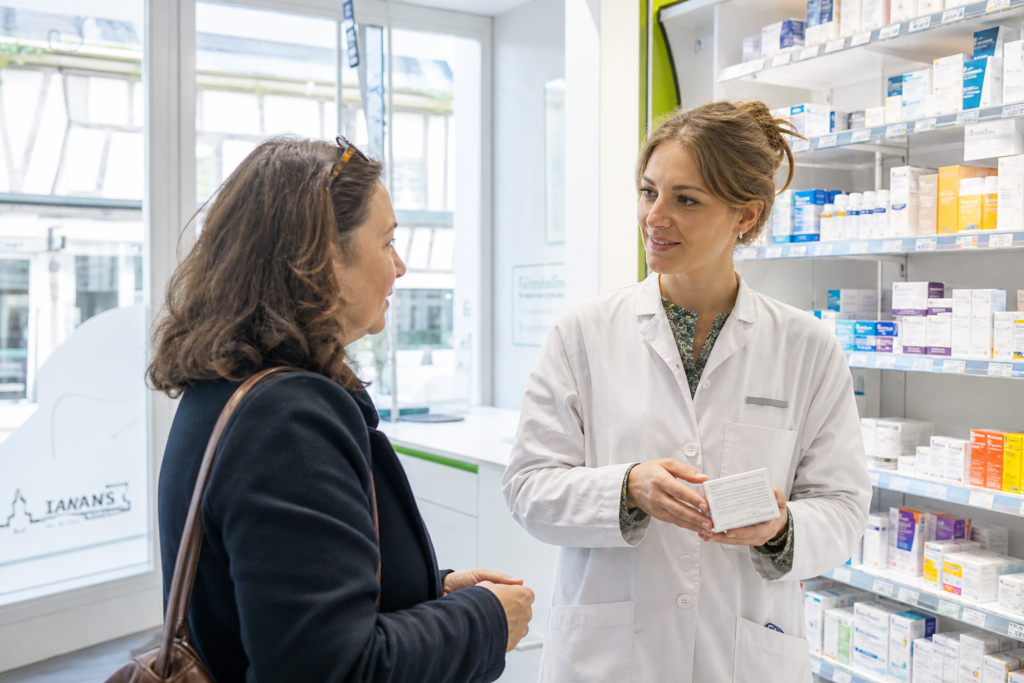
For people living in Vannes, the practical starting point is usually a consultation with a qualified doctor, often involving the patient’s existing specialist. A pharmacist can also explain what documentation is required once a treatment has been prescribed. This guide outlines the process, likely questions to ask and important legal and safety limits. It does not replace advice from a doctor or pharmacist.
What medical cannabis means in France
Medical cannabis generally refers to prescribed medicines or preparations containing cannabinoids, such as tetrahydrocannabinol (THC), cannabidiol (CBD), or both, used for a defined medical purpose. It is different from dried cannabis or oils obtained through informal channels. Product strength, formulation, dose, manufacturing quality and monitoring all matter.
France has used a tightly controlled medical-cannabis framework and a national trial to assess access and clinical use. The trial was designed for particular patients with serious conditions or difficult-to-treat symptoms, rather than as a general route for anyone seeking cannabis. Rules and transition arrangements can change, so patients should check current information with their prescriber, pharmacist and the French medicines agency information on medical cannabis.
That distinction is important in Vannes. Searching for “cannabis in Vannes” may produce information about CBD retailers, recreational use or unregulated products, none of which automatically provides legal medical treatment. A product labelled CBD is not the same as a prescribed cannabis medicine, and a medical need does not create a general right to possess or grow cannabis at home.
How patients in Vannes may seek treatment
Begin with a medical assessment
A patient should discuss symptoms and previous treatments with the doctor managing the relevant condition. Medical cannabis is normally considered only when established treatments have not worked adequately, caused unacceptable effects or are unsuitable. The doctor will need a clear history of diagnoses, medicines, allergies, mental-health concerns, pregnancy status where relevant and any previous reaction to cannabis.
Potential benefits and risks differ considerably between conditions and products. A clinician may decide that another medicine, rehabilitation, psychological support, pain service or specialist referral is more appropriate. Patients should not stop prescribed medicines or begin cannabis obtained elsewhere without medical guidance.
Expect specialist involvement
Access to controlled cannabis-based treatment may involve a hospital specialist or a doctor working within an authorised healthcare pathway. A general practitioner in Vannes can be a useful first contact, but may not be able to initiate every type of treatment. Ask whether a referral to a relevant service in Morbihan, Brittany or a university hospital is needed.
Useful questions include:
- Is cannabis-based treatment appropriate for my diagnosis and symptoms?
- Which approved or authorised pathway applies at present?
- Who will prescribe and monitor the treatment?
- How will the medicine be supplied and collected?
- What should I do if the product is unavailable?
- Could it affect driving, work, pregnancy or other medicines?
Use a pharmacy-based supply route
Where treatment is legally prescribed, supply should follow the official pharmacy and prescription process. A pharmacist may need to order a product, check the prescription and explain administration. Availability can vary, particularly when a treatment depends on a limited national supply arrangement. Patients should plan before running out and contact the prescriber promptly rather than trying to replace the medicine with an informal product.
Eligibility, prescriptions and monitoring
Eligibility is not determined by living in Vannes. It is based on national healthcare rules and an individual assessment. A patient may need to demonstrate a qualifying condition or symptom pattern, previous treatment attempts and a clinical reason for considering cannabis-based therapy. The prescriber must also judge that the potential benefit justifies risks such as sedation, dizziness, impaired attention or dependence.
Doctors may begin with a low dose and adjust gradually. Follow-up appointments help assess pain, spasticity, nausea, sleep, function, unwanted effects and whether the treatment should continue. Patients should keep a simple record of dose, timing, symptom changes and side effects. This gives the care team better information than relying on memory alone.
Do not assume that a prescription issued in another country can be used in France. Likewise, a French prescription may not automatically permit carrying a cannabis-based medicine across a border. Anyone travelling should confirm the rules with the relevant authorities, the prescriber and the pharmacy before departure.
Cannabis laws in Vannes: medical treatment versus recreational use
Cannabis laws in Vannes are mainly a matter of French national law, not a special municipal system. Vannes does not have a separate legal market for recreational cannabis. Possessing, buying, selling, sharing or growing cannabis outside an authorised medical framework can create legal consequences. A medical condition by itself does not make an unprescribed product lawful.
French rules also distinguish between a prescribed medicine and products sold as CBD. CBD products may be subject to their own requirements, but they are not interchangeable with a THC-containing medicine. Labelling, contamination, inaccurate cannabinoid content and interactions with medicines are practical concerns when products come from unverified sources.
For a broader explanation of how national rules relate to local questions, see this guide to cannabis legal status in Saint-Nazaire. The legal principles are national, although the article should not be treated as a substitute for current official advice.
Driving, work and everyday safety
Driving is a major issue for anyone using a THC-containing treatment. THC can affect reaction time, attention, coordination and judgement, even when a patient feels accustomed to the medicine. French road rules can impose strict consequences for driving after cannabis use, and a prescription does not automatically make driving safe or legally risk-free.
Ask the prescriber specifically about driving rather than relying on a general warning label. The same applies to cycling in traffic, operating machinery, working at heights and caring for children while sedated. Alcohol, sleeping tablets, opioid painkillers, benzodiazepines and other sedating medicines may increase impairment.
Patients should store medicine securely, keep it in its original packaging and follow the prescribed dose. Do not share it with relatives or friends. Seek urgent medical help for severe confusion, chest pain, fainting, serious allergic symptoms, extreme agitation or thoughts of self-harm.
Travelling to or from Vannes with medical cannabis
Domestic travel within France can still require practical preparation. Carry the medicine in its original labelled packaging, together with the prescription and any supporting documentation supplied by the healthcare team. Do not transfer the contents into an unmarked container.
International travel is more complicated because cannabis medicines are controlled differently from one country to another. Before travelling from Vannes—whether by train to another French city, by ferry from Brittany or by air—check the destination country’s requirements. Some countries require advance authorisation, a certificate, a specific prescription format or prohibit entry altogether.
For visitors asking about “weed in Vannes,” the safest answer is not to seek informal supplies. Visitors should bring only medicines lawfully prescribed to them, retain documentation and confirm whether their own treatment can be carried into France. Border rules can apply even when a medicine is legal in the country where it was prescribed.
Risks of buying informal products
Unregulated cannabis may contain an unknown THC concentration, contaminants or other substances. Edibles can take longer to produce effects, increasing the risk of accidental overconsumption. Concentrated oils and inhaled products may also create unpredictable exposure. These risks are especially concerning for people with heart disease, a history of psychosis, severe anxiety, substance-use problems or medicines that affect the central nervous system.
Informal sellers cannot provide reliable assessment, dose adjustment or follow-up. They also cannot confirm whether a product is suitable for a particular diagnosis. The French public-service information on drug use provides general legal and health context, but patients should speak with a healthcare professional about their own treatment.
For related safety information in the area, read this practical guide to cannabis risks in Lorient. The same basic precautions apply in Vannes: avoid unknown products, never share prescribed medicine and seek help when symptoms are severe or unexpected.
What to do if access is difficult
Availability problems, uncertainty about eligibility or disagreement between providers can be frustrating. Keep copies of prescriptions, referral letters and treatment records. Ask the pharmacy whether the issue is temporary stock, a prescription requirement or a change in the national pathway. If a medicine is unavailable, contact the prescriber before changing dose or product.
Patients can also ask their doctor about evidence-based alternatives, specialist pain or symptom services, physiotherapy, occupational therapy and psychological support. Medical cannabis should be considered as one possible clinical option, not as a replacement for comprehensive care.
Conclusion
Cannabis for medical use in Vannes is governed by French national healthcare and controlled-substance rules. The appropriate route is a medical assessment, referral where necessary, an authorised prescription and pharmacy-based monitoring—not an informal purchase. Because access arrangements may change, patients should confirm current requirements with their doctor, pharmacist and official French health authorities. Careful documentation, attention to driving restrictions and honest reporting of side effects can make treatment safer and help clinicians decide whether it is genuinely beneficial.