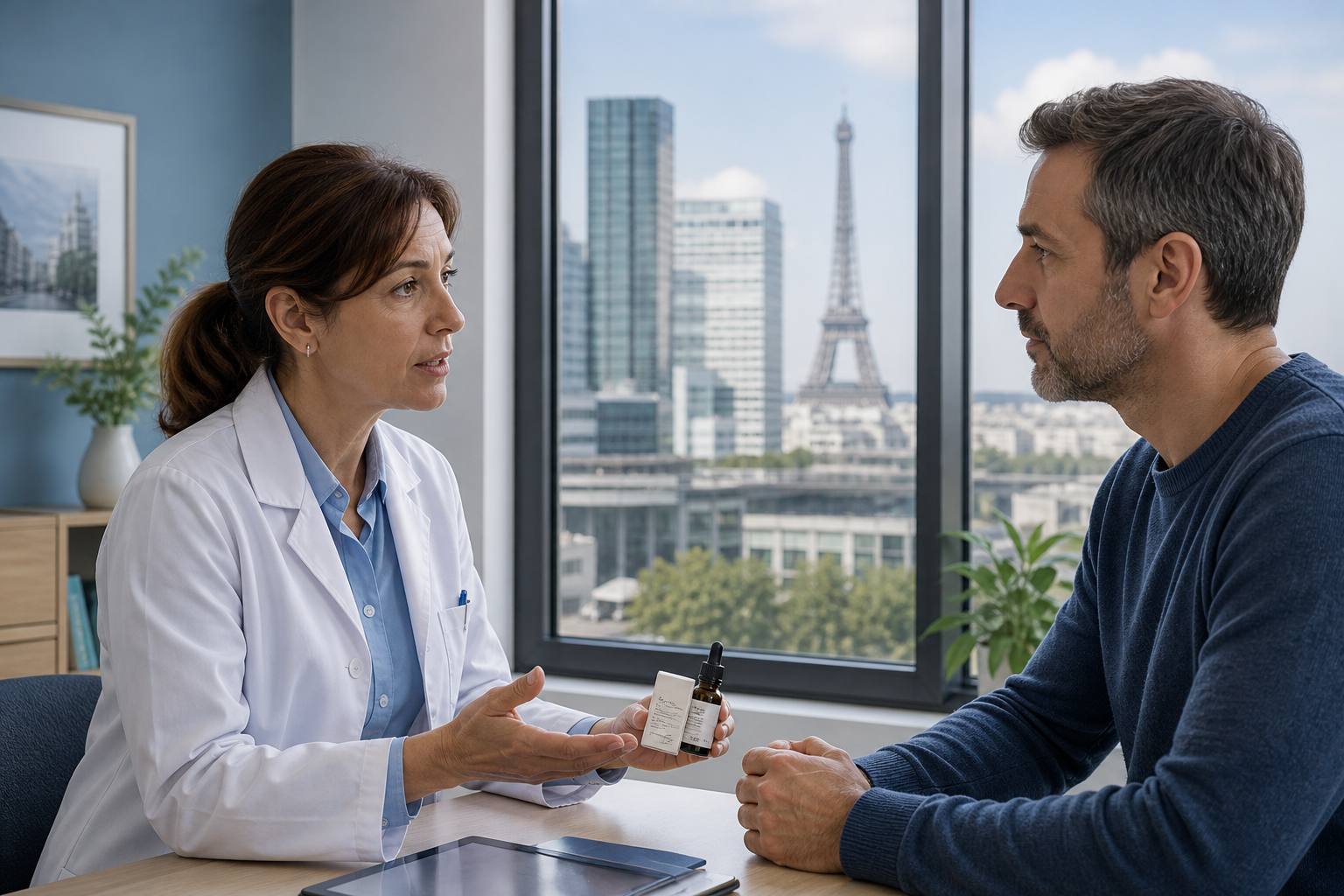
Finding reliable Marijuana health information in Courbevoie can be difficult when online advice mixes medical evidence, personal opinions and changing legal claims. This guide explains the main health effects of cannabis, how risks can increase, what French rules mean in everyday situations and where to seek professional support. It is general information, not a diagnosis or a substitute for advice from a doctor, pharmacist or addiction professional.
Whether you are researching weed in Courbevoie, considering a CBD product or supporting someone who uses cannabis, the safest approach is to separate health questions from assumptions about legality. Cannabis products vary considerably in strength and composition, and an attractive label does not guarantee that a product is risk-free.
What cannabis can do to the body and mind
Cannabis contains several active compounds. THC is the component most associated with intoxication, altered perception and impairment. CBD does not usually produce the same intoxicating effect, but products can differ in their ingredients, concentration and quality. The way a product is used also matters: inhaled cannabis can act quickly, while edible products may take longer to produce effects and can last much longer.
Short-term effects may include relaxation, drowsiness, changes in time perception, impaired attention, slower reaction time, reduced coordination, anxiety or panic. Some people experience confusion, especially after using a high-THC product or combining cannabis with alcohol or other substances. A person may feel capable of normal activities while still having reduced judgment and reaction speed.
Health effects are not identical for everyone. Age, mental health history, pregnancy, medication use, frequency of consumption, product potency and the method of use all influence risk. Previous anxiety, depression, psychosis or substance-use problems can be particularly important when discussing cannabis with a healthcare professional.
Health information about cannabis in Courbevoie
Breathing and physical health
Smoking cannabis exposes the lungs to smoke and irritating particles. Mixing cannabis with tobacco adds nicotine exposure and can make dependence more difficult to recognise. Vaping is not automatically harmless: devices and liquids may vary in quality, and inhaling heated substances can still irritate the respiratory system. Avoiding smoke and discussing alternatives with a clinician is preferable to assuming that one delivery method is completely safe.
Some people notice a faster heartbeat, dizziness, dry mouth or nausea after using cannabis. These effects can be more pronounced with stronger products or larger amounts. Anyone who develops severe chest pain, difficulty breathing, fainting, extreme confusion or a seizure should receive urgent medical help.
Mental health and dependence
Cannabis can temporarily change mood and perception, but regular or heavy use may contribute to problems with concentration, motivation, memory or daily functioning. Some people develop cannabis-use disorder, meaning that use becomes difficult to control despite unwanted effects. Warning signs include using more than intended, unsuccessful attempts to cut down, spending substantial time obtaining or using cannabis, or continuing despite problems at school, work, relationships or health.
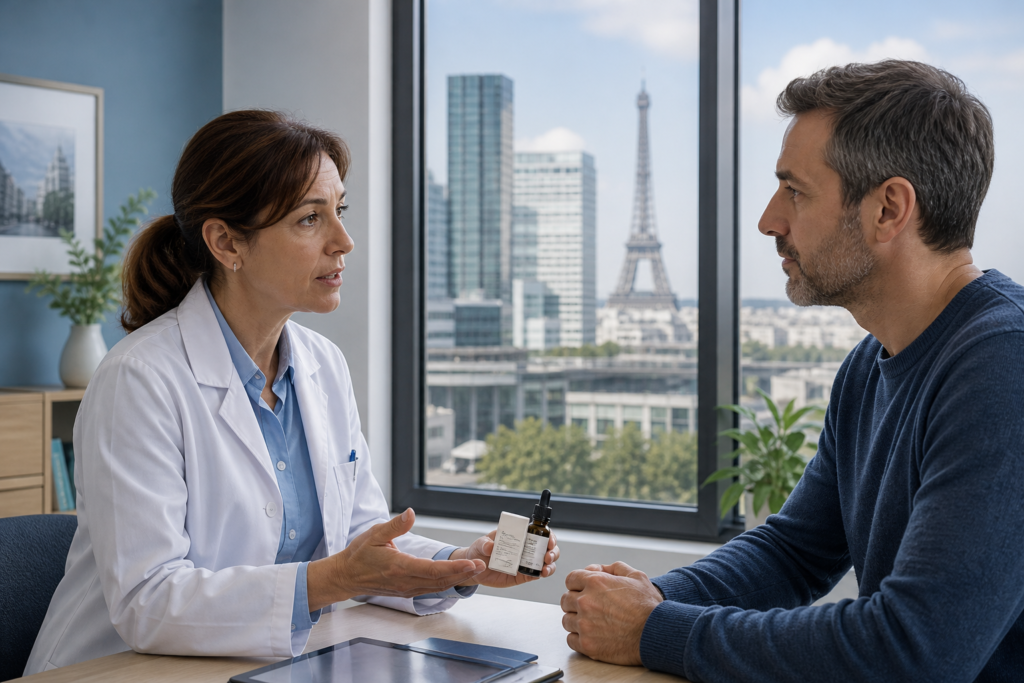
Frequent use and high-THC products are associated with a greater risk of adverse mental-health experiences. Cannabis may worsen anxiety or trigger paranoia in some users. People who experience hallucinations, severe suspiciousness, mania, suicidal thoughts or a significant loss of contact with reality should seek urgent professional assistance rather than trying to manage the situation alone.
Medical cannabis in Courbevoie: what patients should know
Medical cannabis in Courbevoie is not the same as buying an ordinary cannabis product for self-treatment. In France, access to cannabis-based treatment is governed by national policy and medical supervision rather than by a special local scheme in Courbevoie. A patient should speak with the treating physician or pharmacist about approved options, potential interactions and the evidence for the specific condition.
Cannabis should not replace prescribed treatment without medical advice. It may interact with medicines that affect the central nervous system, blood clotting, liver enzymes or blood pressure. It can also cause drowsiness and impair driving. Tell the healthcare professional about all medicines, supplements, alcohol use and non-prescribed cannabis so that the risk can be assessed accurately.
For balanced information on health technologies and treatment evidence, consult the official Haute Autorité de Santé website. A doctor can explain whether a cannabis-based medicine is relevant, what monitoring would be needed and which non-cannabis treatments may be more appropriate.
Cannabis laws in Courbevoie and why they matter for health
Cannabis laws in Courbevoie follow French national law. Local authorities do not create a general recreational cannabis market, and possession, use, supply and cultivation can carry legal consequences. The response to an offence depends on the circumstances, the substance, the amount and the person’s situation. Legal details can change, so avoid relying on social-media summaries or advice from sellers.
Driving after using cannabis creates a serious safety and legal risk. Impairment can affect reaction time and judgment, and the presence of cannabis can have consequences even when a person does not feel intoxicated. Do not drive, cycle in traffic or operate machinery after using cannabis. Arrange a sober driver or use public transport when appropriate.
Public use can also create health and safety concerns for other people, including children and people with respiratory conditions. Smoke and vapour should not be used around others. For a related discussion of local enforcement issues, see this guide to cannabis possession laws in nearby Nanterre. The broader legal framework remains national, so the article should be read as practical context rather than a substitute for legal advice.
France’s national drug information service provides public information about substances, risks and support options through the official Drogues-info-service and government information portal. It is a more dependable starting point than anonymous forums when checking health or legal questions.
CBD and cannabis products: labels do not tell the whole story
CBD products are often marketed as wellness goods, but they are not automatically suitable for everyone. Products may contain other cannabinoids, traces of THC or ingredients that are not clearly described. Quality can vary between oils, flowers, capsules, vapes and food products. A product labelled “natural” can still cause side effects or interact with medication.
CBD may cause drowsiness, gastrointestinal symptoms or other unwanted effects. It can also affect how the body processes some medicines. Anyone who is pregnant, breastfeeding, under medical treatment or managing liver disease should ask a healthcare professional before using it. Do not assume that CBD products are interchangeable with prescribed medicines or that they can treat a diagnosed condition.
People researching cannabis in Courbevoie should also remember that product availability does not prove safety or legality. Avoid products with unclear ingredients, exaggerated medical claims or instructions that encourage unusually high doses. Keep all cannabinoid products away from children and pets.
Practical steps for reducing risk
No method eliminates every risk, but several choices can reduce avoidable harm. The most protective option is not to use cannabis, particularly for adolescents, pregnant people, people with a personal or family history of psychosis and anyone taking medicines that may interact with cannabinoids.
- Do not combine cannabis with alcohol, sedatives or other intoxicating substances.
- Do not drive, cycle in traffic or use machinery after consumption.
- Avoid smoking and never share mouthpieces, pipes or vaping devices.
- Be cautious with edibles because effects may be delayed and prolonged; do not take more simply because effects have not appeared.
- Use only products with clear ingredient information and avoid unverified medical claims.
- Store products securely, clearly separated from food, and out of reach of children and animals.
- Do not use alone if you are worried about a severe reaction, and ensure someone knows how to obtain emergency help.
- If use is becoming frequent or difficult to control, seek support early rather than waiting for a crisis.
When to seek help in Courbevoie
A general practitioner can discuss sleep, anxiety, pain, medication interactions and concerns about cannabis without assuming that the person is seeking judgment. A pharmacist can provide advice about possible interactions, although a pharmacist cannot replace an assessment for severe symptoms or dependence. Addiction-care services can help with reducing or stopping use, managing withdrawal and addressing related stress or mental-health concerns.
Withdrawal after frequent use may involve irritability, sleep problems, reduced appetite, restlessness, low mood or strong cravings. These symptoms can be uncomfortable, but a professional can help create a realistic reduction plan and identify other causes that need attention. If cannabis use is affecting work, relationships, finances or safety, that is a good reason to seek help now.
For information about smoking-related rules and public settings in the surrounding area, readers may also find this practical overview of cannabis smoking laws in Asnières-sur-Seine useful. The health principles are broader than any one municipality: protect other people from smoke, avoid impaired travel and use professional services for medical concerns.
Questions to ask a healthcare professional
- Could cannabis or CBD interact with my current medicines?
- Could my symptoms be caused or worsened by cannabis?
- What evidence-based options are available for my condition?
- How can I reduce my use safely?
- What warning signs mean I should seek urgent help?
Be honest about the product, approximate amount, frequency, method of use and time of last consumption. Accurate information helps a clinician make a safer assessment. You do not need to wait until use becomes severe before starting the conversation.
Conclusion
Good marijuana health information in Courbevoie should combine medical evidence, practical risk reduction and an accurate understanding of French law. Cannabis can affect attention, coordination, breathing, mood and mental health, while CBD products can still create side effects and medicine interactions. Avoid driving after use, keep products away from children, do not mix substances and seek qualified advice for persistent use or troubling symptoms. Local location does not change the core health message: informed, cautious decisions and early professional support are safer than relying on informal claims.